
Have you ever felt frustrated when your fitness progress suddenly stalls or you face an unexpected setback? You’re not alone.
Setbacks in fitness can shake your confidence and make you question your efforts. But here’s the truth: setbacks aren’t the end of your journey—they can be the key to coming back stronger. You’ll discover simple, effective ways to accept these challenges without losing motivation.
Ready to turn obstacles into stepping stones? Keep reading, because your best fitness self is waiting just beyond the setbacks.

Credit: www.wellmark.com
Common Fitness Setbacks
Everyone faces setbacks on their fitness journey. These setbacks can feel discouraging. Understanding common fitness setbacks helps you navigate them better. Let’s explore some typical challenges and ways to address them.
Injuries And Recovery
Injuries can disrupt your fitness routine. They require time and patience to heal. Prioritize rest and follow medical advice. Gradually ease back into workouts. Listen to your body to prevent further harm. Consider low-impact exercises during recovery.
Plateaus In Progress
Progress plateaus can feel frustrating. They happen when the body adapts to your routine. Mix up your workout to challenge your muscles. Try new exercises or increase intensity. Monitor your diet and ensure it’s balanced. Patience and consistency are key.
Time Constraints
Busy schedules can limit workout time. Prioritize short, effective workouts. High-intensity interval training (HIIT) can be time-efficient. Schedule workouts like important appointments. Use small breaks for quick exercises. Consistency matters more than duration.
Mental And Emotional Challenges
Mental blocks can stall progress. Stress and lack of motivation are common issues. Set realistic goals to stay motivated. Celebrate small victories to boost morale. Practice mindfulness and meditation for mental clarity. Surround yourself with supportive people. Seek professional help if needed.
Mindset Shifts For Growth
Adjusting your mindset is key to turning fitness setbacks into stepping stones. How you think about these challenges shapes your progress and overall experience. Shifting your perspective can help you stay motivated and grow stronger, even when the journey gets tough.
Viewing Setbacks As Opportunities
Instead of seeing a missed workout or a plateau as failure, try to view it as a chance to learn. What can you discover about your limits or your routine? This shift helps you spot areas where you might need to adjust your plan or rest more.
For instance, missing a week due to injury gave me time to focus on nutrition and mental health, which improved my overall fitness. Could a setback be your chance to focus on a different part of your wellness?
Building Resilience
Resilience means bouncing back stronger after difficulties. Each time you face a setback, you practice resilience, even if it feels slow. You can build this muscle by setting small, achievable goals after a challenge and celebrating each success.
Think about how you reacted to your last setback. Did you give up or adjust your approach? How can you respond differently next time to grow more resilient?
Cultivating Patience
Fitness progress isn’t always fast or linear. Learning to be patient helps reduce frustration when results stall. Remind yourself that lasting change takes time, and setbacks are just part of the process.
When progress feels slow, try focusing on small daily habits instead of immediate results. How can you appreciate the journey rather than rushing the outcome?
Fostering Self-compassion
Being kind to yourself after a setback keeps you motivated instead of discouraged. Speak to yourself as you would to a friend who’s struggling. This supportive inner voice encourages you to keep going.
For example, after missing workouts, I remind myself that rest is part of recovery, not a failure. How often do you practice self-compassion when your fitness goals hit a bump?
Practical Steps To Overcome Setbacks
Setbacks are a natural part of any fitness journey. They test your patience and determination. Knowing practical steps helps you stay on track and keep moving forward. These steps guide you to adjust, recover, and improve.
Adjusting Workout Plans
Changing your workout plan can help you avoid burnout and injury. Reduce intensity or volume to match your current energy levels. Focus on exercises that feel manageable and enjoyable. This keeps you active without pushing too hard. Small changes make a big difference over time.
Incorporating Rest And Recovery
Rest is essential for healing and growth. Give your body time to repair muscles and regain strength. Include days off or light activities like walking or stretching. Quality sleep also supports recovery and boosts energy. Remember, rest is part of progress, not a break from it.
Seeking Professional Guidance
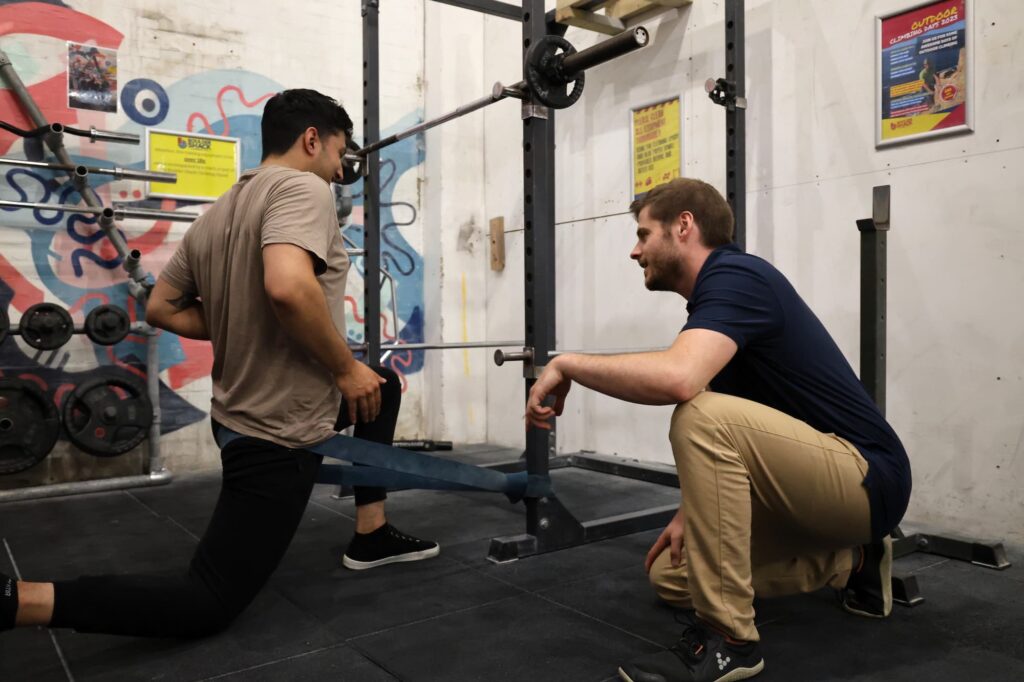
Experts can provide personalized advice and support. A trainer or physical therapist can spot issues and suggest solutions. They help create safe, effective workout plans tailored to your needs. Professional guidance reduces risks and builds confidence in your routine.
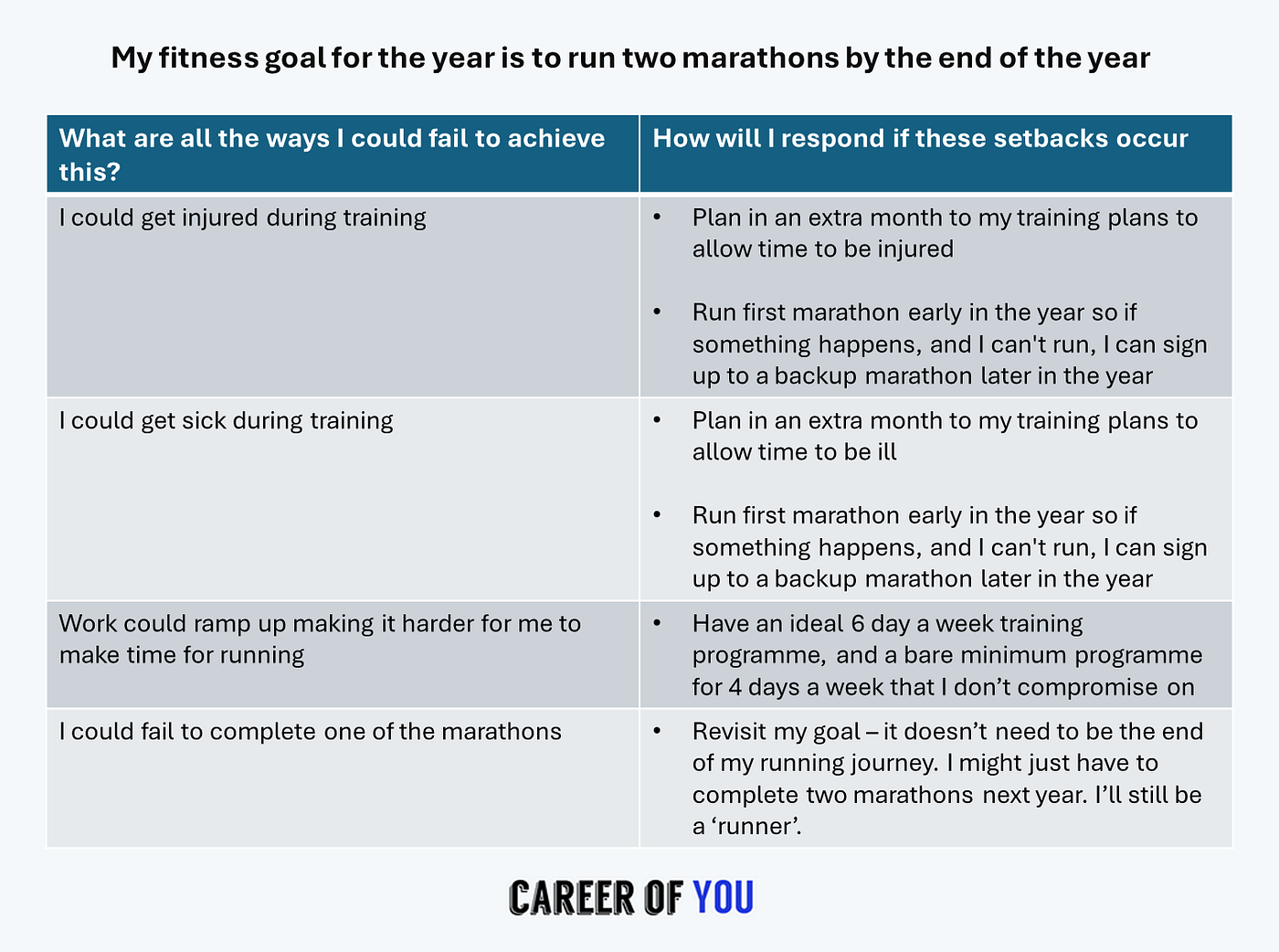
Tracking Progress Effectively
Keep a simple record of workouts, feelings, and results. Use a journal or fitness app to note improvements and challenges. Tracking helps identify patterns and areas needing change. Celebrate small wins to stay motivated and focused on goals.
Credit: medium.com
Staying Motivated Through Challenges
Staying motivated through challenges in fitness can be tough. Setbacks often make progress feel slow or even impossible. Motivation fuels the drive to keep moving forward despite obstacles. Finding ways to stay motivated helps maintain focus and energy. It turns struggles into stepping stones rather than roadblocks.
Setting Realistic Goals
Set goals that fit your current fitness level. Goals that are too big can feel overwhelming. Break big goals into smaller, clear steps. Each small goal should be reachable and specific. Realistic goals give a sense of direction and achievement. They help build confidence and keep motivation alive.
Celebrating Small Wins
Notice and celebrate every bit of progress. Small wins show that your efforts are working. Celebrate improvements like better stamina or stronger muscles. Rewards can be simple, like a rest day or favorite meal. Acknowledging small wins boosts mood and motivation. It reminds you that setbacks are only temporary.
Finding Support Networks
Connect with others who share your fitness journey. Support networks provide encouragement and advice. Talk to friends, family, or fitness groups online. Sharing struggles and successes creates a sense of belonging. Support helps you stay accountable and motivated. It makes challenges feel less lonely and easier to face.
Using Positive Self-talk
Replace negative thoughts with positive, encouraging words. Tell yourself that setbacks are normal and temporary. Use phrases like “I can improve” or “I am strong.” Positive self-talk builds mental strength and resilience. It helps you focus on progress, not failure. Changing your inner voice can change your entire outlook.
Embracing Long-term Fitness Growth
Embracing long-term fitness growth means seeing your journey as a steady path. Setbacks are part of this path, not the end. Growth takes time, patience, and the right mindset. Accepting challenges helps build stronger habits and better results over months and years.
Learning From Past Experiences
Review your fitness setbacks calmly. Ask what caused them. Was it lack of rest, poor nutrition, or unrealistic goals? Use these lessons to adjust your plan. Each setback is a chance to understand your body better. This helps avoid repeating mistakes and keeps progress steady.
Adapting To Changing Needs
Your body and lifestyle change over time. What worked before may not work now. Listen to your body’s signals. Change your exercises, intensity, or schedule as needed. Flexibility in your fitness plan keeps you motivated and safe. Growth comes from adapting, not sticking rigidly to one method.
Maintaining Consistency
Consistency beats intensity in long-term fitness. Small, regular efforts build habits that last. Skipping a day is okay, but avoid long breaks. Set simple daily goals. Celebrate small wins to stay motivated. Consistency turns fitness from a task into a lifestyle.
Balancing Fitness With Lifestyle
Fitness should fit your life, not disrupt it. Find activities you enjoy and can do regularly. Balance workouts with work, family, and rest. Avoid burnout by pacing yourself. A balanced approach keeps fitness fun and sustainable. This balance supports steady growth over time.
Credit: southampton-physio.co.uk
Frequently Asked Questions
What Are Common Fitness Setbacks To Expect?
Common fitness setbacks include injuries, plateaus, lack of motivation, and time constraints. These challenges can disrupt progress but are normal in any fitness journey.
How Can Mindset Help Accept Fitness Setbacks?
A positive mindset helps view setbacks as learning opportunities. It encourages resilience, patience, and continued commitment to long-term fitness goals.
How Do I Stay Motivated After A Fitness Setback?
Set small, achievable goals and celebrate progress. Surround yourself with support and remember why you started your fitness journey.
When Should I Seek Help For A Fitness Setback?
Seek professional advice if setbacks involve injury, persistent pain, or mental health struggles affecting your workout routine.
Conclusion
Setbacks in fitness happen to everyone. They do not mean failure. Treat them as part of the journey. Learn from mistakes and keep moving forward. Small steps build strong habits over time. Stay patient and trust your effort. Remember, progress is not always straight.
Embrace challenges and grow stronger. Your fitness goals are still within reach. Keep your focus and never give up.







