
Have you ever noticed how a simple workout can lift your mood and clear your mind? Fitness isn’t just about building muscles or losing weight—it’s a powerful way to boost your mental health.
When you move your body, your brain releases chemicals that make you feel happier and less stressed. Imagine feeling more focused, calm, and confident every day. You’ll discover the real reasons why fitness makes you feel better mentally and how you can use it to improve your mood and mindset.
Keep reading—you won’t want to miss these eye-opening insights!
Mental Benefits Of Exercise
Exercise does wonders for your mental health. It boosts mood, reduces stress, and improves sleep. Let’s explore the mental benefits of exercise in detail.
Boosting Mood With Endorphins
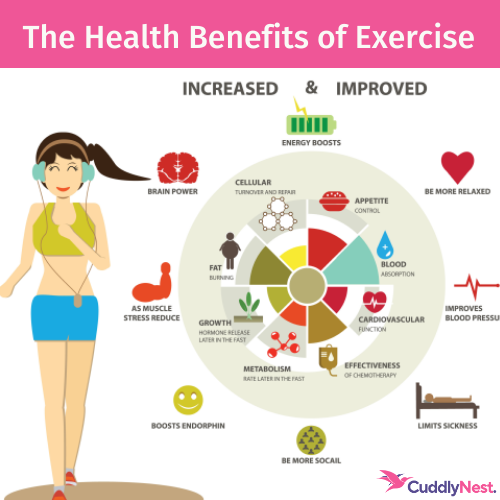
Exercise releases endorphins in the brain. These are chemicals that make you feel happy. After exercising, you often feel good and cheerful. It’s like a natural high. A quick run or a short workout can lift your spirits. Regular exercise can keep your mood steady and bright.
Reducing Stress And Anxiety
Exercise reduces stress levels significantly. Physical activity lowers the stress hormones in your body. It also helps calm your mind and relax your muscles. This can make you feel less anxious. Deep breathing during exercise also helps clear your mind. Activities like yoga and tai chi are great for stress relief.
Improving Sleep Quality
Physical activity improves sleep quality. It helps you fall asleep faster and stay asleep longer. Exercise raises your body temperature. Later, the drop in temperature helps you sleep better. Avoid exercising too close to bedtime. A morning or afternoon workout is best for good sleep.
How Fitness Enhances Brain Function
Fitness does more than sculpt your body; it sharpens your mind. Physical activity triggers a cascade of changes in your brain that improve how it works daily. Understanding how fitness enhances brain function can motivate you to move more, not just for your body but for your mental edge.
Increasing Neuroplasticity
Neuroplasticity is your brain’s ability to form new connections and adapt. Exercise stimulates the growth of new neurons and strengthens existing pathways. This means your brain becomes better at learning and adjusting to new challenges.
Think about the last time you picked up a new skill after regular workouts—you probably noticed it felt easier. That’s your brain rewiring itself to be more flexible and responsive. What new habit or skill could you tackle with a more adaptable brain?
Enhancing Memory And Focus
Regular exercise boosts blood flow to your brain, which enhances the function of the hippocampus—your memory center. This increased blood flow helps you retain information better and stay focused longer.
Simple activities like brisk walking or cycling can improve your ability to concentrate on work or studies. You might find that tasks requiring attention become less draining. How could improved focus change the way you approach your daily routine?
Protecting Against Cognitive Decline
Fitness acts as a shield against age-related brain decline and diseases like Alzheimer’s. Exercise reduces inflammation and promotes the release of protective proteins that keep brain cells healthy.
By staying active, you maintain sharper thinking and clearer memories well into older age. Could investing time in fitness today be your best strategy for preserving mental clarity tomorrow?
Fitness And Emotional Resilience
Fitness plays a key role in building emotional resilience. Regular exercise helps the mind adapt to stress and bounce back from challenges. It strengthens mental toughness and improves overall mood. Physical activity also encourages a sense of control over one’s body and emotions. This connection between fitness and emotional health creates a strong foundation for handling life’s ups and downs.
Building Confidence Through Progress
Seeing small improvements in fitness boosts self-confidence. Each workout completed proves personal strength and commitment. This progress encourages a positive view of one’s abilities. Confidence gained from fitness spills over into other parts of life. It helps tackle new challenges with a can-do attitude.
Managing Negative Emotions
Exercise acts as a natural stress reliever. It reduces feelings of anxiety and sadness. Physical movement releases chemicals in the brain that lift mood. Fitness routines provide a healthy outlet for frustration. This helps prevent negative emotions from building up and taking control.
Fostering A Positive Mindset
Consistent fitness creates a habit of self-care and positivity. It encourages setting goals and celebrating achievements. This practice helps develop a hopeful and optimistic outlook. Positive thinking supports emotional resilience and overall well-being. Fitness becomes a tool to maintain mental balance and happiness.
Credit: scott890lewis.medium.com
Social Connections Through Fitness
Fitness brings people together. Social connections form naturally through exercise. These connections improve mental health and create a sense of belonging. Engaging with others during fitness activities makes the experience more enjoyable. It also encourages consistency and commitment to workouts.
Joining Group Activities
Group workouts offer a chance to meet new people. Classes like yoga, spinning, or dance provide a shared goal. Participants support each other during exercises. This shared effort builds friendships and trust. Group settings reduce feelings of isolation and loneliness. People feel more connected and motivated to stay active.
Creating Support Networks
Fitness communities create strong support systems. Members share advice, encouragement, and progress updates. Support networks help during challenges or setbacks. They offer emotional comfort and practical tips. These connections boost confidence and reduce stress. Feeling supported improves overall mental well-being.
Boosting Motivation And Accountability
Working out with others increases motivation. Group members hold each other accountable. Knowing someone expects you raises commitment. Accountability leads to better workout habits. Encouragement from peers pushes individuals to try harder. This positive pressure helps maintain mental focus and determination.
Practical Tips To Start And Maintain Fitness
Starting and maintaining a fitness routine can feel overwhelming, but small, practical steps can make a big difference. The key is to approach fitness in a way that fits your lifestyle and keeps you motivated. Let’s look at some straightforward tips to help you build a lasting habit that supports your mental well-being.
Setting Realistic Goals
Setting goals that match your current lifestyle and abilities is crucial. If you aim too high, you risk frustration and burnout. Instead, break your goals into manageable chunks, like walking 10 minutes daily or doing two workouts per week.
Ask yourself what you can realistically commit to without feeling pressured. Celebrate small wins—they boost your confidence and keep you moving forward. Remember, progress is progress, no matter how slow.
Choosing Enjoyable Activities
Fitness doesn’t have to be a chore. You’re more likely to stick with activities you actually enjoy. Whether it’s dancing, hiking, or swimming, pick something that makes you smile.
Try different activities to find what feels fun rather than forced. This personal enjoyment can turn your workouts into a break from stress, not another task on your list. How would your mood change if exercise felt like play?
Creating A Consistent Routine
Consistency beats intensity when it comes to feeling better mentally. Build a routine that fits your daily schedule, even if it’s just a few minutes at first. Consistent effort rewires your brain to expect and enjoy movement.
Use reminders or set specific times for your workouts. Treat these appointments with yourself as non-negotiable. Over time, you’ll notice how this regular rhythm lifts your mood and sharpens your focus.

Credit: www.youtube.com

Credit: www.healthline.com
Frequently Asked Questions
How Does Fitness Improve Mental Health?
Fitness boosts brain chemicals like endorphins, reducing stress and anxiety. It enhances mood, memory, and overall cognitive function. Regular exercise promotes better sleep, which is vital for mental well-being. Physical activity also builds self-esteem and resilience against mental health issues.
What Mental Benefits Does Exercise Provide?
Exercise increases serotonin and dopamine levels, improving mood and focus. It reduces symptoms of depression and anxiety. Physical activity also supports brain plasticity, enhancing learning and memory. Regular workouts help manage stress and boost overall emotional stability.
Can Fitness Reduce Stress And Anxiety?
Yes, fitness lowers cortisol levels, the stress hormone. Exercise triggers endorphin release, which creates a calming effect. Physical activity distracts from worries, promoting relaxation. Consistent workouts improve coping mechanisms and reduce anxiety symptoms over time.
Why Does Exercise Boost Mood Instantly?
Exercise stimulates endorphin and serotonin production, lifting mood quickly. It increases blood flow to the brain, enhancing alertness and energy. Movement also reduces muscle tension, leading to immediate relaxation. These effects combine to create an instant positive mental shift.
Conclusion
Feeling better mentally starts with moving your body regularly. Exercise helps reduce stress and lifts your mood. It also improves sleep, which is key for a clear mind. Small steps, like a daily walk, make a big difference. Your brain and body work best when both stay active.
Try to keep fitness as a part of life. You will notice your thoughts become brighter and more positive. A healthy mind grows from simple, steady habits. Keep going, and enjoy the mental benefits of fitness every day.







