
Have you ever wondered how people stayed fit back in the 1940s? The gym equipment they used was simple but effective, designed to build strength and endurance without all the high-tech gadgets we have now.
If you’re curious about the roots of modern fitness or want to see how far gym gear has come, this article will take you through the most popular 1940s gym equipment. By the end, you’ll discover tips and ideas that might even inspire your own workout routine.
Ready to step back in time and explore the classic tools that shaped fitness? Keep reading—you won’t want to miss this!

Credit: plagueofstrength.com
Popular Gym Tools Of The 1940s
The 1940s brought a unique style to gym equipment. The tools were simple yet effective for strength and fitness. Many of these items are still recognized today. People valued durability and function in their workout gear. These popular gym tools helped shape the fitness routines of the decade.
Dumbbells And Barbells
Dumbbells and barbells were essential in every gym. They came in different weights to suit all strength levels. Made mostly of cast iron, these tools were built to last. Users could perform a range of exercises to build muscle. Their straightforward design made them easy to use.
Medicine Balls
Medicine balls were popular for their versatility. They helped improve strength, balance, and coordination. Typically made from leather and filled with sand, they had a solid feel. Exercises with medicine balls involved throwing, catching, and twisting. These balls added a dynamic element to workouts.
Indian Clubs
Indian clubs were a common sight in gyms and homes. They looked like large bowling pins and were swung in patterns. These clubs helped increase shoulder flexibility and arm strength. Lightweight wood was the usual material for these tools. They added grace and control to physical training.
Chest Expanders
Chest expanders featured springs or rubber cords for resistance. Users pulled the handles apart to strengthen chest and arm muscles. Compact and portable, they suited home and gym use. This tool encouraged muscle tone and endurance. Its simple design made it easy to carry and store.
Materials And Design Features
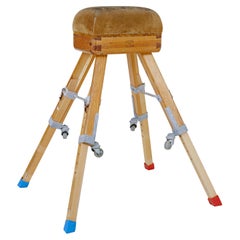
1940s gym equipment featured sturdy wood and metal materials for durability. Designs were simple, focusing on basic shapes and functionality. Many pieces had leather padding for comfort during workouts.
The gym equipment of the 1940s was a testament to craftsmanship, focusing on durability and functionality. During this era, the materials and design features were distinctive, reflecting a time when simplicity met practicality. Whether you are a history enthusiast or a fitness aficionado, understanding these elements offers valuable insights into how gym equipment has evolved.Wood And Metal Construction
The 1940s gym equipment predominantly featured wood and metal. These materials were not just chosen for their availability but for their strength and longevity. Metal frames provided a sturdy base, while wood added a touch of elegance and warmth. Imagine lifting weights made of solid metal, feeling the cool, robust nature against your palms. Gymgoers often praised this combination for its reliability. Wouldn’t you appreciate equipment that could withstand the test of time?Adjustable Weight Systems
Adjustability was a key feature, allowing users to customize workouts. Weight benches and dumbbells often had systems to modify resistance levels. This was revolutionary for personalized fitness routines. Adjustable weights meant you could challenge yourself progressively, without needing an entire room of equipment. This flexibility is something you might still seek in modern gym gear. Can you think of any other feature that offers such versatility?Ergonomic Handles
Attention to detail was evident in the design of ergonomic handles. These were crafted to fit comfortably in the hand, reducing strain during exercises. The focus was on ensuring safety and comfort for users. Using equipment with ergonomic handles, you could maintain your grip longer, enhancing workout efficiency. It’s like having a piece of history guiding your fitness journey. Have you ever considered how much design affects your exercise experience? In the 1940s, gym equipment was more than tools for exercise; it was an experience crafted with precision and care. Understanding these materials and design features can deepen your appreciation for today’s fitness innovations.Training Techniques With Vintage Equipment
Training with vintage gym equipment from the 1940s offers a unique fitness experience. These tools encourage focused, controlled movements. The simplicity of the equipment helps build a strong foundation. Techniques from this era emphasize form and consistency. They promote balanced strength, flexibility, and endurance.
Using these classic tools connects you to a time when fitness was straightforward. Training sessions were practical and effective. The routines developed strength and improved overall body control. These exercises remain valuable for modern fitness enthusiasts.
Strength Building Routines
Vintage equipment like dumbbells, barbells, and medicine balls build muscle power. The exercises focus on slow, steady lifts and holds. Classic moves include:
- Barbell squats for leg strength
- Medicine ball throws for upper body power
- Dumbbell presses to target chest and shoulders
These routines train multiple muscle groups together. The controlled pace reduces injury risk. Consistent practice leads to solid, balanced strength.
Flexibility And Mobility Exercises
Stretching and joint movement were important parts of 1940s training. Equipment like wooden bars and stretch straps assisted these exercises. Key focuses included:
- Gentle stretches for the back and legs
- Controlled arm swings with resistance bands
- Mobility drills to improve shoulder and hip range
These exercises enhance movement ease and prevent stiffness. Regular practice supports better posture and reduces muscle tightness.
Endurance Workouts
Endurance training used simple tools to build stamina and heart health. Jump ropes and medicine balls were common. Typical activities included:
- Jump rope intervals for cardiovascular fitness
- Medicine ball slams for full-body endurance
- Bodyweight circuits to sustain effort over time
These workouts increased energy levels and improved overall fitness. Steady pacing and repetition were key to building endurance.
Credit: www.1stdibs.com
Influence On Modern Gym Gear
The gym equipment from the 1940s shaped today’s workout tools in many ways. Early designs focused on simplicity and strength. These qualities remain important in modern gym gear.
Designers still draw inspiration from the past. The balance between function and style seen in 1940s equipment appeals to many fitness brands. This blend creates gear that looks good and performs well.
Retro Designs In Contemporary Tools
Many modern gym tools feature retro elements. Classic shapes and colors bring a vintage feel. This style connects users with fitness history.
Examples include:
- Cast iron dumbbells with old-school finishes
- Leather weightlifting belts inspired by the 1940s
- Simple, sturdy benches with a vintage look
Durability Lessons From The Past
1940s equipment was built to last. Heavy materials like steel and iron were common. This taught manufacturers to focus on strength and durability.
Modern gear uses these lessons to improve quality. Long-lasting materials reduce replacement costs. They also offer better safety during workouts.
Incorporating Classic Methods Today
Classic training methods still influence gym routines. Simple, effective exercises require minimal tools. Many modern workouts use vintage styles for strength and endurance.
Examples include:
- Bodyweight exercises like push-ups and squats
- Free weights for natural movement
- Functional training focusing on core strength
Collecting And Restoring Vintage Gear
Collecting and restoring 1940s gym equipment offers a unique connection to fitness history. These vintage pieces showcase the design and technology of a different era. Enthusiasts find joy in bringing worn-out equipment back to life. Restored gear adds charm and authenticity to any collection or workout space.
The process requires patience and care. It involves searching for genuine items and using proper restoration methods. Preserving the original look and function is key to maintaining value and appeal.
Where To Find Authentic Pieces
Authentic 1940s gym equipment appears in various places. Estate sales and antique shops often hold rare finds. Online auction sites list vintage gear from collectors worldwide. Local flea markets and garage sales can yield hidden treasures. Networking with other collectors helps discover sources and trade items.
Restoration Tips And Tricks
Start by cleaning dirt and rust gently. Use mild soap and soft brushes to avoid damage. Replace missing parts with similar vintage components. Avoid modern replacements that alter the original style. Sand and repaint metal surfaces with period-correct colors. Treat wooden handles with oil to prevent cracking. Test moving parts carefully to ensure safety and function.
Preserving Historical Value
Maintaining original features boosts historical significance. Avoid over-restoring or making drastic changes. Document the equipment’s history and any restoration work done. Store pieces in dry, stable environments to prevent decay. Use protective covers to shield from dust and sunlight. Display equipment with informative labels to educate viewers about its past.

Credit: stockcake.com
Frequently Asked Questions
What Types Of Gym Equipment Were Popular In The 1940s?
In the 1940s, popular gym equipment included free weights, medicine balls, wooden Indian clubs, and basic resistance machines. Cardio equipment like stationary bikes and rowing machines were also used. These tools focused on strength, flexibility, and endurance training.
How Did 1940s Gym Equipment Differ From Modern Tools?
1940s gym equipment was simpler, often made of wood or steel. It lacked advanced technology like digital displays or adjustable resistance. The focus was on basic strength and conditioning without electronic assistance, unlike today’s high-tech machines.
Were 1940s Gym Machines Effective For Fitness?
Yes, 1940s gym machines were effective for building strength and endurance. Although basic, they provided essential resistance training. Many exercises from that era remain relevant and beneficial in modern fitness routines.
Who Commonly Used Gym Equipment In The 1940s?
Gym equipment in the 1940s was used by athletes, military personnel, and fitness enthusiasts. Public gyms and community centers promoted physical health during and after World War II, encouraging widespread use of such equipment.
Conclusion
The 1940s gym equipment shows how fitness was simple and strong. People used basic tools to stay healthy and fit. This gear was built to last and easy to use. Today’s machines are complex, but old equipment still inspires many.
It reminds us that hard work and dedication matter most. Exploring these vintage tools helps us appreciate fitness history. They tell stories of a time when exercise was about strength and effort. The 1940s gym gear holds a special place in fitness culture.
It connects past and present workouts in a meaningful way.







