
Are you ready to make the most out of your workouts? Knowing the right gym equipment and how to use it can change the way you train and help you reach your goals faster.
Whether you want to build strength, burn fat, or improve endurance, the right tools can make a big difference. You’ll discover the key gym equipment and how each one benefits your body. By the end, you’ll feel confident stepping into any gym and using the machines like a pro.
Keep reading to unlock the secrets that can boost your fitness journey!
Essential Gym Equipment
Essential gym equipment forms the base of any effective workout routine. These tools help target different muscle groups and improve overall fitness. Choosing the right equipment supports strength, endurance, and flexibility. Understanding each type guides you in creating balanced workouts.
Free Weights
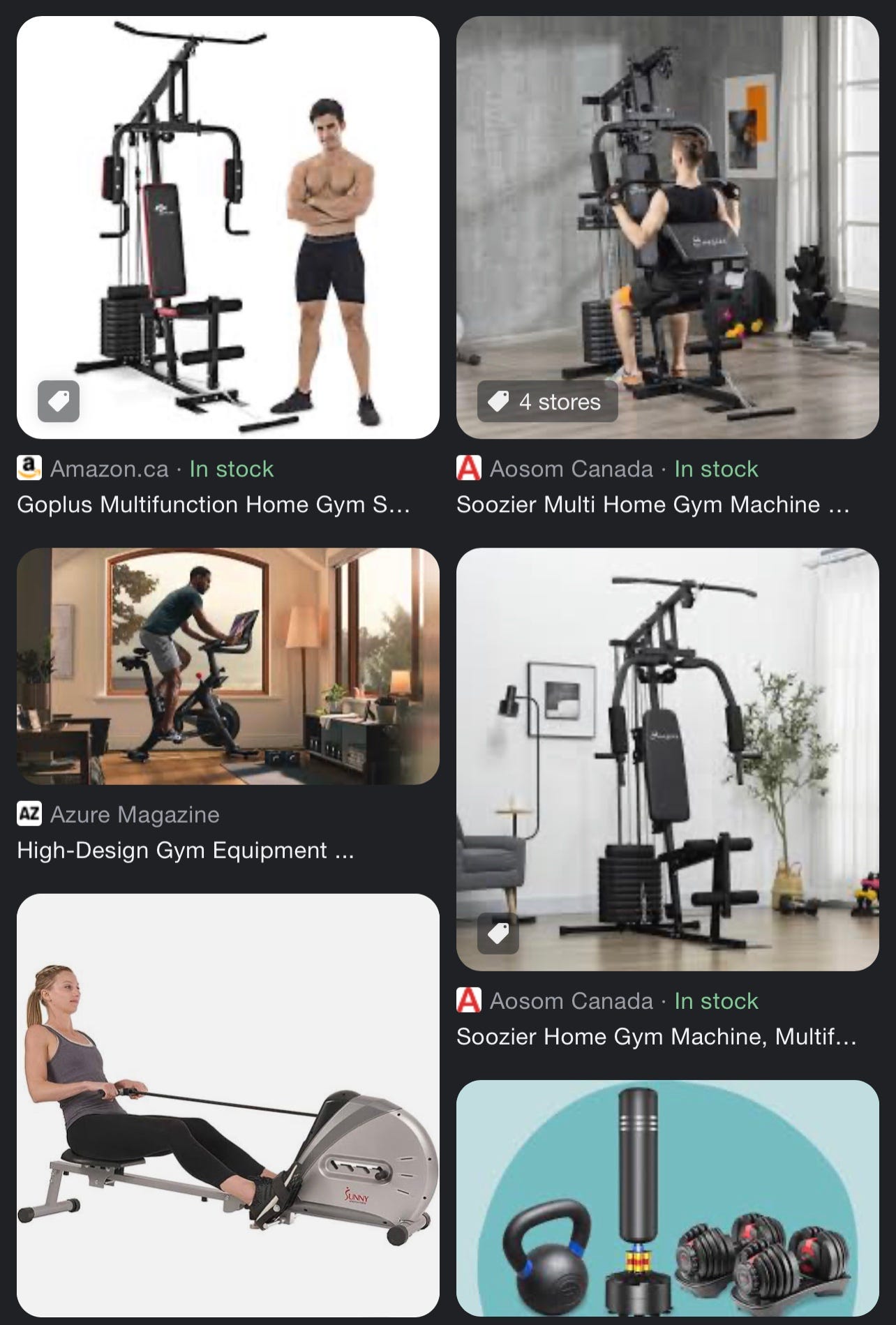
Free weights include dumbbells, barbells, and kettlebells. They allow natural movement and improve muscle coordination. Users can adjust weight easily for different exercises. Free weights build strength and enhance stability. They are versatile and fit many workout styles.
Resistance Machines
Resistance machines guide your movements with controlled paths. They isolate specific muscles safely and reduce injury risk. These machines are user-friendly, ideal for beginners. They help build strength gradually with adjustable resistance. Machines target muscles like legs, chest, and back effectively.
Cardio Machines
Cardio machines improve heart health and burn calories. Popular types include treadmills, ellipticals, and stationary bikes. They offer low-impact exercise options for all fitness levels. Many machines feature adjustable speeds and resistance. Cardio workouts boost endurance and aid weight loss.
Functional Training Tools
Functional tools mimic real-life movements for better fitness. Examples include medicine balls, resistance bands, and balance boards. These tools enhance coordination, balance, and core strength. They add variety and challenge to workouts. Functional training supports daily activities and sports performance.
Credit: annezelafrank.medium.com
Benefits Of Different Equipment
Choosing the right gym equipment can maximize your workouts. Each type of equipment offers unique benefits. Let’s explore how different tools help you reach fitness goals.
Building Muscle With Free Weights
Free weights are essential for muscle growth. They include dumbbells and barbells. These tools engage multiple muscles at once. They improve strength and coordination. You can adjust the weight as needed. This makes them versatile for any fitness level.
Improving Endurance On Cardio Machines
Cardio machines boost heart health. Treadmills and stationary bikes are popular choices. They enhance stamina and burn calories. Adjust speed and resistance for varied intensity. This keeps workouts challenging and exciting.
Enhancing Flexibility And Balance
Flexibility and balance are vital for overall fitness. Yoga mats and stability balls assist in stretching exercises. They improve posture and prevent injuries. Regular practice increases range of motion. This leads to better performance in other activities.
Boosting Functional Strength
Functional strength benefits daily activities. Kettlebells and resistance bands are effective tools. They mimic real-life movements. This strengthens muscles used in everyday tasks. Suitable for home and gym workouts. They offer a full-body workout experience.
Choosing Equipment For Your Goals
Choosing the right gym equipment can make a huge difference in reaching your fitness goals. Your workout needs vary depending on whether you want to lose weight, build muscle, improve stamina, or recover from injury. Picking tools that match your objectives helps you stay motivated and see results faster.
Equipment For Weight Loss
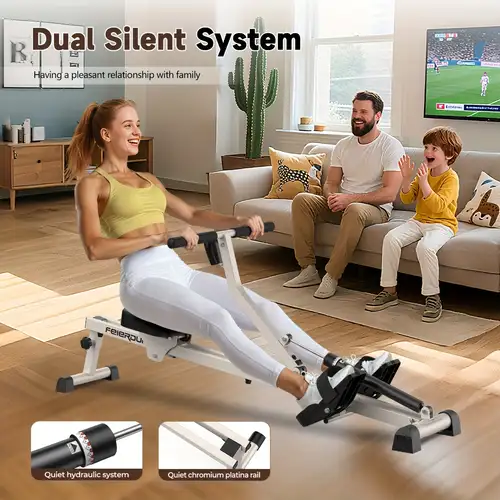
If shedding pounds is your target, focus on cardio machines that boost calorie burn. Treadmills, stationary bikes, and rowing machines keep your heart rate up and support fat loss.
Adding a jump rope to your routine can increase intensity and improve coordination. Don’t forget about kettlebells and dumbbells—using them for circuit training can help burn more calories in less time.
Tools For Muscle Gain
Building muscle requires resistance equipment that challenges your strength. Free weights like barbells and dumbbells offer versatile options for targeting different muscle groups.
Machines such as leg presses and cable systems help maintain proper form and isolate muscles. Have you tried adjustable benches? They allow you to change angles and hit muscles from various positions.
Gear For Improving Stamina
To boost endurance, choose equipment that supports longer, steady workouts. Elliptical trainers and spin bikes are excellent for sustained cardio sessions without putting too much strain on your joints.
Rowing machines combine cardio and strength, helping improve stamina and overall fitness. Consider adding a heart rate monitor to track your progress and keep your effort in the right zone.
Devices For Rehabilitation
Recovering from injury demands equipment focused on gentle movement and controlled strength building. Resistance bands provide adjustable tension, making them perfect for rehab exercises.
Balance boards and stability balls help rebuild coordination and core strength. When using these tools, listen carefully to your body and progress slowly to avoid setbacks.
Credit: www.temu.com
Proper Use And Safety Tips
Using gym equipment correctly is key to getting the most out of your workout and staying injury-free. Understanding how to handle each machine or tool safely protects your body and helps you build strength efficiently. Let’s dive into some practical tips that will make your gym sessions safer and more effective.
Correct Form And Technique
Using proper form prevents strain and ensures you target the right muscles. For example, when using a leg press machine, your knees should align with your toes to avoid joint stress. Watching yourself in the mirror or recording your movements can help you spot mistakes early.
Try to learn the correct technique for each piece of equipment before adding heavy weights. Starting light gives you a chance to master the motion and avoid bad habits. Have you ever felt pain during or after a workout? That might be a sign your form needs adjustment.
Avoiding Common Injuries
Common injuries like strains, sprains, and tendonitis often come from overuse or improper use of equipment. Warm up with dynamic stretches or light cardio to prepare your muscles and joints. Never rush through exercises; controlled movements reduce the risk of injury.
Pay attention to your body’s signals—sharp pain or discomfort means stop immediately. Using safety clips on weight machines and securing free weights properly also prevents accidents. How often do you check your equipment setup before lifting?
Maintenance And Hygiene
Keeping gym equipment clean is vital for your health and the longevity of the machines. Wipe down handles, seats, and touchscreens before and after use with disinfectant wipes. Sweat and dirt can wear down equipment and spread germs.
If you notice any loose bolts or broken parts, report them to gym staff right away. Using faulty equipment can cause injuries or disrupt your workout. Do you make it a habit to inspect machines before you start?
When To Seek Professional Guidance
If you’re unsure how to use a machine or perform an exercise, ask a trainer for help. Getting expert advice early prevents bad habits and reduces injury risk. Personal trainers can design a routine tailored to your goals and limitations.
Even experienced gym-goers benefit from occasional professional check-ins to refine technique. Don’t hesitate to reach out if you feel persistent pain or discomfort. Have you ever learned a new workout move from a trainer that made a big difference?
Combining Equipment For Effective Workouts
Combining different types of gym equipment can transform your workouts from routine to remarkable. Using a variety of tools challenges your body in new ways, helping you avoid plateaus and keep your motivation high. It’s about mixing and matching equipment to target different muscle groups and energy systems effectively.
Creating Balanced Routines
Balance in your workout routine means addressing strength, endurance, flexibility, and recovery. Use free weights like dumbbells and kettlebells to build muscle, while machines can help isolate specific muscles safely. Don’t forget bodyweight exercises to improve stability and coordination.
Try designing a weekly schedule that alternates between equipment types. This approach prevents overuse injuries and keeps your sessions fresh. Have you ever noticed how your energy spikes when you switch up your routine?
Mixing Cardio And Strength Training
Cardio equipment like treadmills, rowing machines, and stationary bikes boost your heart health and burn calories fast. Strength gear, including barbells and resistance bands, builds muscle and improves metabolism. Combining both in one workout can maximize fat loss and muscle gain.
You might start with a 10-minute warm-up on the elliptical, then move to a circuit of weight machines and free weights. This mix helps maintain your heart rate while building strength. What’s your favorite cardio-strength combo that keeps you coming back?
Incorporating Functional Movements
Functional movements mimic everyday activities and improve your overall mobility. Equipment like medicine balls, battle ropes, and TRX suspension trainers add dynamic challenges to your routine. These tools help you move better outside the gym.
Including exercises such as squats with a medicine ball toss or TRX rows can enhance your balance and coordination. Functional training can reduce the risk of injuries in daily life. How often do you train movements that prepare you for real-world tasks?
Tracking Progress And Adjustments
Monitoring your progress is key to making your equipment use effective. Use a workout journal or apps to log weights, reps, and cardio times. This data shows what’s working and when it’s time to change.
Adjust your equipment choices based on your goals and results. If strength gains plateau, try heavier weights or new machines. If cardio endurance stalls, increase intensity or duration. Are you paying attention to your body’s signals to guide your equipment use?

Credit: www.kreedon.com
Home Gym Essentials
Creating a home gym is all about choosing the right essentials that fit your space, budget, and fitness goals. The equipment you pick should motivate you to work out regularly without overwhelming your living area. Let’s look at some key pieces that make a home gym functional and inviting.
Space-saving Equipment
Limited space can be a challenge, but it doesn’t have to stop you from building an effective gym. Compact equipment like foldable treadmills, resistance bands, and adjustable dumbbells take up minimal room.
Wall-mounted pull-up bars or suspension trainers are excellent because they use vertical space. Think about how much floor area you really have and choose gear that can be stored away easily after use.
Affordable Options
Getting fit doesn’t mean spending a fortune on fancy machines. Affordable items such as kettlebells, jump ropes, and yoga mats offer great versatility for strength and cardio workouts.
Check out second-hand markets or community sales for gently used equipment. Sometimes, a simple pair of dumbbells can replace expensive machines if you know how to use them effectively.
Multi-purpose Gear
Choose equipment that serves more than one function to maximize your investment. Adjustable benches can be used for presses, rows, and step-ups, while resistance bands can assist with stretching, strength training, and rehab exercises.
Items like medicine balls and stability balls offer a range of workout options from core strengthening to balance training. Ask yourself: does this piece let me do multiple exercises without needing extra tools?
Setting Up Your Workout Area
Pick a spot with good ventilation and natural light if possible. This helps keep your energy up and your space comfortable during workouts.
Use mats to protect your floor and reduce noise. Organize your equipment neatly to avoid clutter and make it easier to switch between exercises.
Have you thought about how your workout flow will look? Setting up a dedicated area where everything is within reach can boost your motivation and efficiency.
Frequently Asked Questions
What Are The Essential Gym Equipment Types?
Essential gym equipment includes treadmills, dumbbells, barbells, resistance bands, and stationary bikes. Each targets different muscle groups and fitness goals. These tools help improve strength, endurance, and flexibility effectively.
How Does Gym Equipment Improve Workout Efficiency?
Gym equipment allows controlled, targeted exercises. It helps maintain proper form and increases workout intensity. Using machines and weights boosts strength gains and overall fitness faster compared to bodyweight exercises alone.
Which Gym Equipment Is Best For Beginners?
Beginners should start with machines, resistance bands, and light dumbbells. These tools offer guided movements and reduce injury risk. Gradually, users can progress to free weights and more advanced equipment.
Can Gym Equipment Aid Weight Loss?
Yes, gym equipment like treadmills and ellipticals support cardio workouts. Strength training tools help build muscle, boosting metabolism and fat burning. Consistent use combined with proper diet promotes effective weight loss.
Conclusion
Choosing the right gym equipment helps you reach fitness goals. Each machine or tool serves a specific purpose. Some build strength, others improve endurance or flexibility. Using equipment safely prevents injuries and boosts results. Start with basics, then try different options as you progress.
Stay consistent and enjoy the process. Your body will thank you for the effort. Keep learning about new equipment and exercises too. Fitness is a journey, not a race. Small steps lead to big changes over time.







