
Are you finding it hard to stay focused during your workouts? You’re not alone.
Many people exercise on autopilot, missing out on the full benefits of their efforts. But what if you could turn every session into a powerful moment of mindfulness? Imagine feeling more energized, reducing stress, and connecting deeply with your body—just by changing how you approach your exercise.
You’ll discover simple, practical ways to maintain mindfulness during your workouts. Keep reading, and you’ll learn how to make each move count, boosting both your body and mind.
Benefits Of Mindful Exercise
Mindful exercise brings many benefits to both body and mind. It helps you stay present and focused during physical activity. This focus improves your overall workout experience and results. Practicing mindfulness in exercise also supports mental health and emotional well-being.
Enhancing Mental Clarity
Mindful exercise clears your mind from distractions. It helps you concentrate on your movements and breathing. This focus sharpens your thinking and decision-making skills. Mental clarity improves as you connect with your body. You feel more aware of your physical and mental state.
Reducing Stress And Anxiety
Exercise with mindfulness lowers stress levels effectively. Paying attention to your breath calms the nervous system. It reduces feelings of anxiety and tension. Mindful movements release built-up stress in your muscles. This creates a sense of peace and relaxation after workouts.
Improving Physical Performance
Being mindful during exercise helps improve technique. It increases body awareness and control. You notice small adjustments that make movements safer. Mindfulness boosts endurance and strength by keeping you focused. It also reduces the risk of injury by promoting proper form.
Credit: myyogateacher.com
Preparing For Mindful Workouts
Focus on your breath and body movements to stay present during exercise. Notice how your muscles feel and keep your mind clear from distractions. Simple awareness helps deepen your connection to each workout moment.
Preparing for a mindful workout is more than just a physical warm-up. It sets the stage for an experience that enhances both body and mind. By focusing on a few key elements, you can transform your exercise routine into a mindful practice that invigorates your entire being.Setting Clear Intentions
Before you lace up your sneakers, take a moment to set clear intentions. Ask yourself why you’re exercising today. Is it to relieve stress, build strength, or simply to enjoy movement? Setting a clear intention provides direction and purpose. It helps you stay focused and present, rather than just going through the motions. Reflect on how you want to feel after your workout. Let this intention guide your entire session.Choosing A Suitable Environment
Where you exercise can greatly affect your mindfulness. Choose an environment that minimizes distractions and supports your focus. If you enjoy the outdoors, find a quiet park or trail. The sounds of nature can enhance your awareness and calm your mind. If indoors is more your style, create a space that feels peaceful and motivating. Consider soft lighting, calming colors, and even your favorite scents.Wearing Comfortable Gear
The right gear can make or break your mindfulness. Comfortable clothing allows you to move freely without constant adjustments. Choose fabrics that breathe well and fit your body. Shoes should support your feet and align with your activity. When you feel good in your gear, you’re less likely to be distracted. This allows you to focus on the sensations of movement and the rhythm of your breath.Techniques To Boost Focus
Staying mindful during exercise can transform your workout into a deeper, more rewarding experience. Techniques to boost focus help you stay present, reduce distractions, and connect with your body. These simple practices can make your sessions more effective and enjoyable, no matter the activity.
Breath Awareness
Paying close attention to your breath grounds you in the moment. Notice the rhythm of your inhales and exhales as you move. This focus calms your mind and keeps your energy steady.
Try counting your breaths or matching them to your movements. For example, inhale deeply as you lift weights, then exhale as you lower them. Have you noticed how breath control affects your stamina and concentration?
Body Scan Practices
Take a moment to mentally scan your body from head to toe during exercise. Identify areas of tension or discomfort without judgment. This awareness helps you adjust posture and avoid injury.
When I started doing body scans during runs, I could pinpoint tight muscles early and stretch before pain set in. Can you imagine how tuning into your body could change your workout results?
Using Mantras Or Affirmations
Repeating simple, positive phrases can anchor your mind when it starts to wander. Choose words that motivate and encourage you, like “strong,” “steady,” or “I can.”
Mantras help redirect focus and build mental resilience during tough parts of your routine. What powerful phrase will you repeat to push through your next challenge?
Staying Present During Exercise
Staying present during exercise helps improve focus and boosts the workout’s benefits. Mindfulness during physical activity connects the body and mind. It makes the experience more enjoyable and effective.
Engaging The Senses
Use your senses fully to stay present. Feel the texture of the equipment or the ground beneath your feet. Listen to the rhythm of your breath and heartbeat. Notice the colors and shapes around you. Engaging your senses draws your attention to the moment.
Noticing Movement And Posture
Pay close attention to how your body moves. Notice your posture with each step or stretch. Feel the muscles working and the joints bending. Small adjustments can improve form and reduce injury risk. Awareness of movement deepens your connection to exercise.
Observing Thoughts Without Judgment
Thoughts may come and go during exercise. Watch them without getting caught up in them. Avoid judging yourself for feeling tired or distracted. Gently bring your focus back to your breath or movement. This practice calms the mind and keeps you grounded.
Common Challenges And Solutions
Maintaining mindfulness during exercise can be challenging. Distractions, physical discomfort, and mental fatigue often pull focus away. Recognizing these common hurdles helps keep your mind present. Simple solutions can guide you back to the moment and improve your workout experience.
Dealing With Distractions
Distractions come from outside and inside your mind. Noise, people, or your phone can break focus. Thoughts about work or plans may intrude. To manage distractions:
- Choose a quiet place to exercise
- Turn off notifications on your devices
- Focus on your breath or body sensations
- Use a mantra or short phrase to stay present
Managing Physical Discomfort
Exercise can cause discomfort or pain. This can make it hard to stay mindful. Instead of ignoring the feeling, observe it without judgment. Notice where the discomfort is and how it changes.
- Adjust your posture or pace
- Breathe deeply to ease tension
- Use discomfort as a signal to rest or modify
- Accept the feeling without frustration
Overcoming Mental Fatigue
Mental tiredness reduces focus and motivation. It may make mindfulness seem difficult. Break your exercise into smaller parts. Rest briefly between sets or activities. Refresh your mind with positive self-talk.
- Set clear, simple goals for your session
- Practice gratitude for your body’s effort
- Visualize success and calmness
- Keep a regular exercise schedule to build stamina

Credit: www.aol.com
Incorporating Mindfulness In Various Workouts
Adding mindfulness to your workouts can transform exercise from a routine task into a deeply rewarding experience. Paying attention to your body, breath, and movements helps you stay present, reduces stress, and enhances your performance. You don’t have to change your entire workout to benefit—simple shifts in focus can make a big difference.
Mindful Running And Walking
Focus on each step you take. Notice the sensation of your feet touching the ground and the rhythm of your breath. Instead of letting your mind wander, try to stay aware of the environment around you—the sounds, smells, and sights.
If your thoughts drift to your to-do list, gently bring your attention back to the movement and your body’s signals. This practice not only grounds you but can also improve your running or walking form and endurance.
Yoga And Pilates Focus
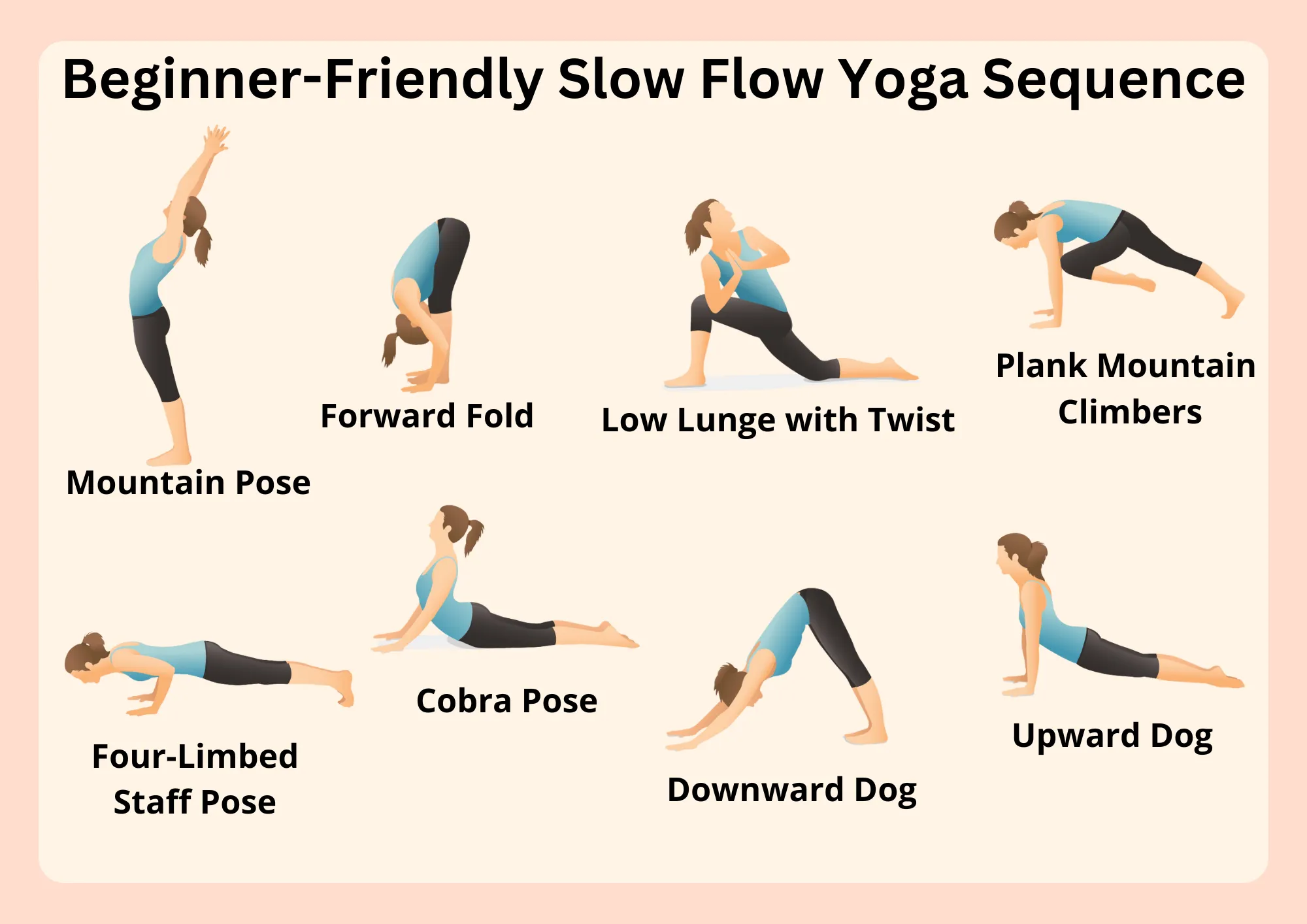
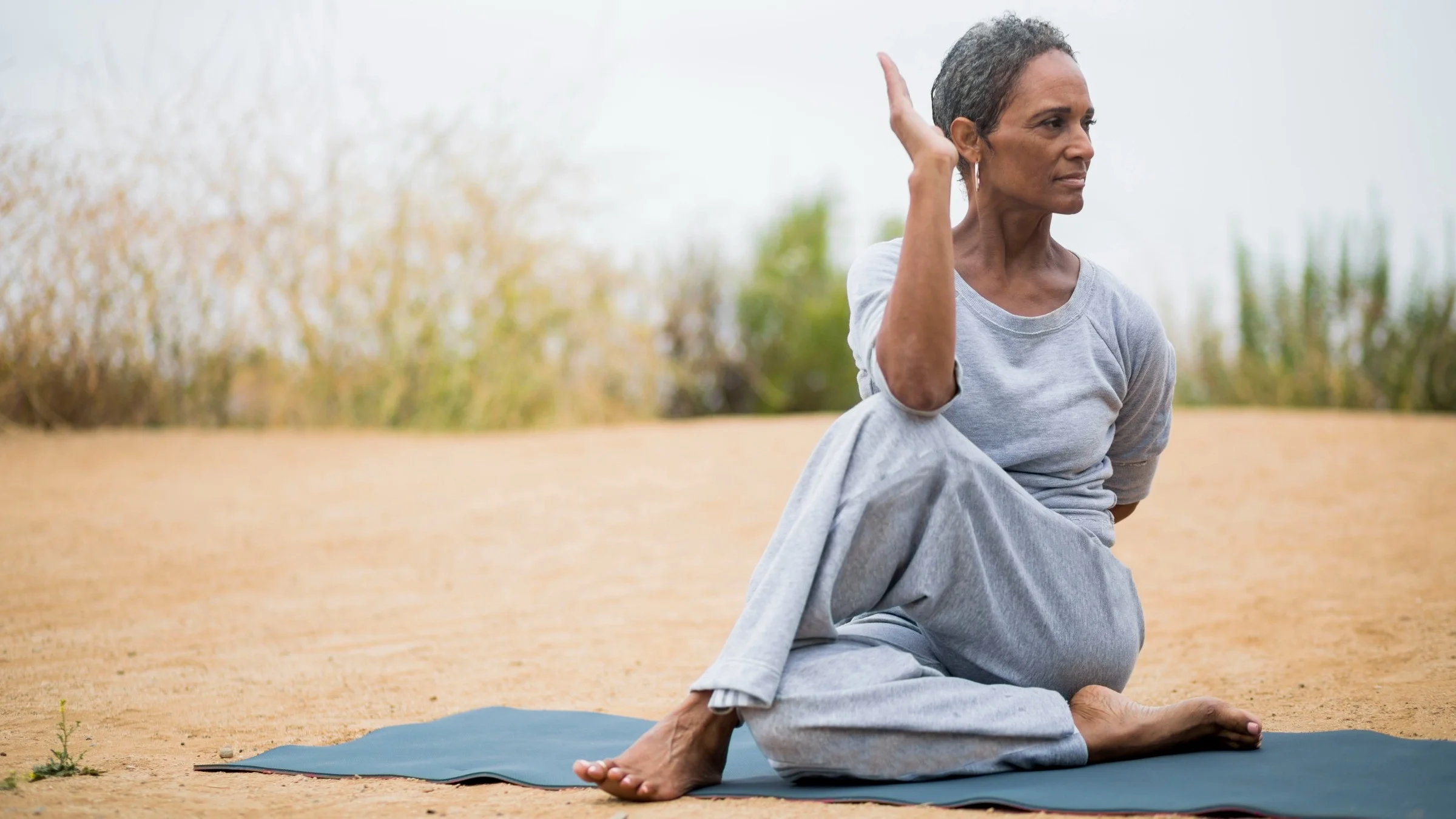
Yoga and Pilates already encourage mindfulness through controlled breathing and precise movements. Use your breath as an anchor to stay present during each pose or exercise.
Pay attention to how your muscles stretch and contract. Feel the alignment of your body and the flow of energy. When your mind wanders, pause and reconnect with your breath and posture.
Strength Training Awareness
Strength training offers a chance to practice mindfulness by concentrating on muscle engagement and movement control. Focus on the muscles you’re working rather than rushing through sets.
Feel the tension as you lift and the release as you lower the weight. Check your posture and breathing regularly. This awareness can prevent injury and make your workouts more effective.
Tracking Progress And Staying Motivated
Tracking progress helps keep the mind focused during exercise. It creates a clear path and builds motivation. Seeing improvements, no matter how small, encourages continued effort.
Staying motivated means setting practical steps and recognizing achievements. This keeps the exercise routine fresh and meaningful. Mindfulness grows stronger when you celebrate your journey.
Journaling Mindful Experiences
Writing down your exercise feelings and thoughts sharpens awareness. It helps notice how your body and mind respond to movement. Journaling can include:
- How you felt before and after exercise
- What thoughts came up during the workout
- Any moments of calm or tension
- Changes in breath or heartbeat
This habit creates a mindful connection to your exercise routine.
Setting Realistic Goals
Create clear, simple targets for your exercise practice. Goals like walking 10 minutes daily or trying one new stretch keep progress steady. Realistic goals avoid frustration and build confidence. Break larger aims into smaller parts. This makes each step achievable and keeps motivation alive.
Celebrating Small Wins
Every milestone matters. Notice when you reach a goal or feel stronger. Celebrate by:
- Taking a moment to smile and breathe deeply
- Sharing your success with a friend
- Rewarding yourself with rest or a favorite healthy snack
Recognizing small wins fuels your will to continue and stay mindful.
Credit: www.goodrx.com
Frequently Asked Questions
What Is Mindfulness During Exercise?
Mindfulness during exercise means focusing fully on your body and breath. It helps improve awareness, reduce stress, and enhance workout quality. Staying present can prevent injury and increase motivation. Practicing mindfulness makes exercise more enjoyable and effective for both mind and body.
How Can I Start Practicing Mindfulness While Exercising?
Begin by focusing on your breath and bodily sensations during workouts. Avoid distractions like phones or music. Notice muscle movements and your heartbeat. Start with short sessions and gradually increase duration. This practice helps deepen your connection with your body and exercise routine.
Why Is Mindfulness Important For Exercise Performance?
Mindfulness improves concentration and body awareness, leading to better form and efficiency. It reduces stress and fatigue, helping you push through challenges. Being mindful can increase motivation and consistency. Overall, it enhances both physical and mental performance during exercise.
Which Exercises Are Best For Practicing Mindfulness?
Yoga, walking, and tai chi are excellent for mindfulness due to their slow, deliberate movements. However, any exercise can be mindful if done with full attention. Focus on breathing, sensations, and movements regardless of the activity. Mindfulness can enhance any workout type.
Conclusion
Mindfulness during exercise helps you enjoy every moment. Focus on your breath and body movements. This keeps your mind clear and calm. Exercise becomes more than just physical work. It turns into a time for peace and focus. Practice daily to build a strong habit.
Small steps lead to big changes over time. Stay present, and feel the benefits grow. Mindful exercise supports both body and mind health. Try it today and notice the difference.







