
Are you ready to make the most out of your gym time? Understanding how to use gym machines can transform your workouts and help you reach your fitness goals faster.
But with so many machines around, it’s easy to feel overwhelmed or unsure where to start. This Gym Machine Guide is here to clear the confusion and give you simple, clear instructions on how to use each machine safely and effectively.
Keep reading, and you’ll gain the confidence to take control of your workouts and see real results. Your fitness journey just got a whole lot easier!

Credit: welltech.com
Choosing The Right Machines
Choosing the right gym machines can transform your workout experience. The key is matching equipment to your goals and fitness level. Picking machines that fit your needs keeps you motivated and helps you avoid injury.
Cardio Equipment Options
Cardio machines vary widely, from treadmills to rowing machines. Think about what keeps you moving—do you prefer running, cycling, or something low-impact like an elliptical?
For example, I once switched from the treadmill to a rowing machine, and my endurance improved faster because it engaged more muscles. It’s smart to test different machines before committing.
- Treadmills:Great for running or walking but can be tough on joints.
- Ellipticals:Low-impact and easy on knees, ideal for beginners or injury recovery.
- Stationary Bikes:Good for building leg strength and stamina with less strain.
- Rowing Machines:Full-body workout that boosts cardio and strength simultaneously.
Strength Training Machines
Strength machines are perfect if you want targeted muscle work. They guide your movement, which helps maintain proper form and reduces injury risk.
Think about which muscles you want to focus on. If your goal is overall strength, consider machines that work multiple muscle groups, like the leg press or lat pulldown.
- Leg Press:Builds powerful leg muscles without stressing your back.
- Chest Press:Targets chest, shoulders, and triceps safely.
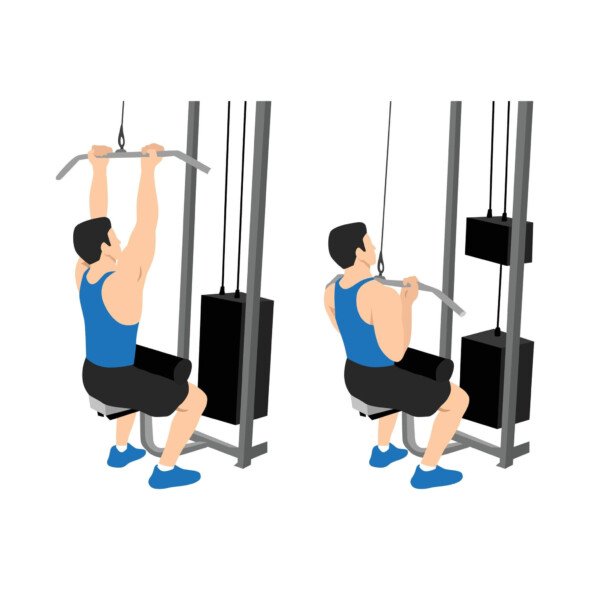
- Lat Pulldown:Strengthens your back and arms, improving posture.
- Cable Machines:Versatile and adjustable for various exercises.
Flexibility And Balance Tools
Don’t overlook machines and tools that improve flexibility and balance. These elements are vital for injury prevention and overall fitness.
Balance boards, stretching stations, and stability balls help you build control and coordination. I found that adding balance exercises reduced my muscle soreness and improved my workout recovery.
- Balance Boards:Strengthen core muscles and improve stability.
- Stretching Stations:Promote flexibility, which enhances muscle performance.
- Stability Balls:Support core training and balance improvement.
Ask yourself: which areas of fitness do you want to improve? Choosing machines that fit your goals will make your workouts more effective and enjoyable.

Credit: www.xfitness.ae
Proper Machine Setup
Setting up gym machines correctly is essential for effective workouts. It helps prevent injuries and ensures maximum benefit. Whether new or experienced, understanding machine setup boosts confidence and performance.
Adjusting Seat And Handles
Proper seat and handle adjustments are crucial. Start by sitting on the machine comfortably. Adjust the seat height so that your feet rest flat on the ground. Make sure your knees are slightly bent.
For handle adjustments, align them with your shoulder height. Ensure you can grip them without straining. Check that your arms move naturally in the machine’s range.
Selecting Appropriate Weights
Choosing the right weight is vital for progress. Begin with lighter weights to understand the machine’s mechanics. Gradually increase weight to challenge your muscles.
Use a weight that allows 10-15 repetitions comfortably. If you struggle by the 10th rep, reduce the weight. Listen to your body’s signals.
Ensuring Correct Posture
Correct posture protects against injuries. Keep your back straight and core engaged. Avoid slouching or arching your back.
Align your head with your spine, looking forward. Keep shoulders relaxed and avoid tensing them. This position supports effective movement and balance.
Effective Workout Strategies
Effective workout strategies help you get the best results from gym machines. Using the right plan boosts strength, endurance, and overall fitness. Focus on variety and balance in your routine.
Combining Machines For Full Body
Use different machines to target all major muscle groups. Start with leg presses for lower body strength. Follow with chest presses and rows to work upper muscles. Add core exercises like cable crunches for stability. This approach improves muscle balance and prevents injury.
Incorporating Interval Training
Alternate between high and low intensity on cardio machines. For example, sprint on the treadmill for 30 seconds, then walk for one minute. Repeat this cycle for 15 to 20 minutes. This method burns more calories and improves heart health faster than steady pace workouts.
Balancing Cardio And Strength
Mix cardio workouts with strength training sessions. Use a treadmill or bike to build endurance. Include weight machines for muscle tone and strength. Aim for three cardio and two strength days each week. This balance supports overall fitness and weight management.
Credit: welltech.com
Safety Tips And Precautions
Using gym machines can greatly improve your workouts, but safety should always come first. Paying attention to safety tips and taking precautions helps you avoid injuries and keeps your fitness journey on track. Let’s look at some practical ways to stay safe while using gym machines.
Avoiding Common Injuries
Most gym machine injuries happen because of poor form or using too much weight. Always start with lighter resistance and focus on mastering the correct movement. Have you ever felt a sudden strain during a workout? That’s often a sign you pushed too hard or moved incorrectly.
Listen to your body and stop if you feel sharp pain. Use mirrors or ask a trainer to check your posture. Small adjustments can prevent issues like joint stress or muscle strains.
Warm-up And Cool-down Routines
Skipping warm-ups is a common mistake that increases injury risk. Spend 5 to 10 minutes doing light cardio or dynamic stretches before jumping on machines. This helps increase blood flow and prepares your muscles for exercise.
After your workout, cool down with gentle stretches or slow walking. This reduces muscle stiffness and helps your body recover faster. Have you noticed how skipping cool-downs makes you feel sore the next day?
Machine Maintenance Checks
Faulty gym equipment can cause accidents. Before you start, glance over the machine to check for loose parts, frayed cables, or unusual noises. If something feels off, don’t use it—report it to gym staff immediately.
Keeping machines in good condition protects you and others. Imagine the trouble a broken pulley or unstable seat can cause mid-exercise. Stay alert and make safety a shared responsibility.
Tracking Progress
Tracking progress is key to successful workouts with gym machines. It helps you see improvements and stay motivated. By keeping track, you can know what works and what needs change. Progress tracking turns your effort into clear results.
Using Apps And Wearables
Apps and wearables help track your gym sessions easily. They record reps, sets, and weights used. Some apps show graphs to compare your progress over time. Wearables monitor heart rate and calories burned. This data gives insight into workout intensity and recovery.
Setting Realistic Goals
Goals guide your gym routine and measure success. Set small, clear targets to stay focused. For example, increase weight by 5 pounds every two weeks. Realistic goals prevent frustration and keep you encouraged. Write goals down and review them often to stay on track.
Adjusting Workouts Over Time
Your body adapts to workouts, so change is needed. Increase weights or reps to challenge muscles. Try new machines to work different muscle groups. Adjust rest time to improve endurance or strength. Regular changes help avoid plateaus and boost progress.
Maximizing Results
Maximizing your results with gym machines involves more than just consistent workouts. You need to think about the bigger picture—how your body fuels itself, how it recovers, and when to ask for help. Paying attention to these areas can push your progress beyond what you might expect from exercise alone.
Nutrition And Hydration
Your muscles need the right fuel to grow and repair. Eating a balanced mix of proteins, carbs, and healthy fats supports energy and recovery. Have you ever noticed how you feel sluggish or weak during workouts after skipping meals?
Hydration plays a key role too. Water helps transport nutrients and removes waste from your body. Try to drink water regularly before, during, and after your gym session to keep your performance sharp.
- Eat a protein-rich snack within 30 minutes post-workout to aid muscle repair.
- Include colorful veggies for vitamins and minerals that support overall health.
- Drink at least 8 glasses of water daily, adjusting for workout intensity.
Rest And Recovery
Muscles don’t grow while you’re working out—they grow when you rest. Skipping rest days can lead to fatigue and increase your risk of injury. Do you feel more tired or less motivated after several days of intense training?
Quality sleep is critical. Aim for 7-9 hours per night to help your body fully recover. Light stretching or gentle activities like walking on rest days can also boost circulation and reduce soreness.
- Schedule at least one full rest day weekly.
- Use foam rollers or massage tools to ease muscle tension.
- Pay attention to your body’s signals—rest more if you feel unusually sore or tired.
Seeking Professional Guidance
Even if you feel confident, getting advice from fitness professionals can make a big difference. Trainers can show you the proper use of gym machines to avoid injury and target muscles effectively. Have you ever tried a new machine and felt unsure if you were doing it right?
They can also tailor workouts to your goals and adjust your plan as you progress. Sometimes, a small correction in your form or routine can lead to faster, safer results.
- Book a session to learn correct machine techniques.
- Ask for personalized workout plans based on your fitness level.
- Consider periodic check-ins to update your training strategy.
Frequently Asked Questions
What Are The Main Types Of Gym Machines?
Gym machines include strength, cardio, and functional trainers. Strength machines target specific muscles. Cardio machines improve heart health. Functional trainers enhance overall movement and flexibility.
How Do I Choose The Right Gym Machine?
Pick machines based on your fitness goals. For muscle building, use strength machines. For weight loss, cardio machines help. Try machines that feel comfortable and safe.
Are Gym Machines Safe For Beginners?
Yes, gym machines are beginner-friendly. They guide proper movement and reduce injury risk. Start with light weights and learn correct form. Always ask for trainer assistance if unsure.
How Often Should I Use Gym Machines?
Use gym machines 3-4 times per week. Allow rest days for muscle recovery. Consistency is key for progress. Mix machines with free weights for variety.
Conclusion
Using gym machines helps you exercise safely and effectively. Each machine targets different muscles for a full-body workout. Start with light weights to learn the correct form. Consistency is key to seeing real progress. Remember to listen to your body and rest when needed.
Enjoy your fitness journey one step at a time. Small efforts lead to big changes. Stay patient and keep moving forward.







