
Are you ready to take the first step toward a healthier, stronger you? Starting a fitness routine can feel overwhelming, especially if you’re new to exercise.
But what if you had a simple, easy-to-follow plan made just for you? This beginner fitness plan for women is designed to fit your lifestyle and help you build confidence, boost energy, and feel amazing in your own skin. Keep reading, and you’ll discover how small changes can lead to big results—without complicated workouts or confusing diets.
Your journey to a better you starts right here.
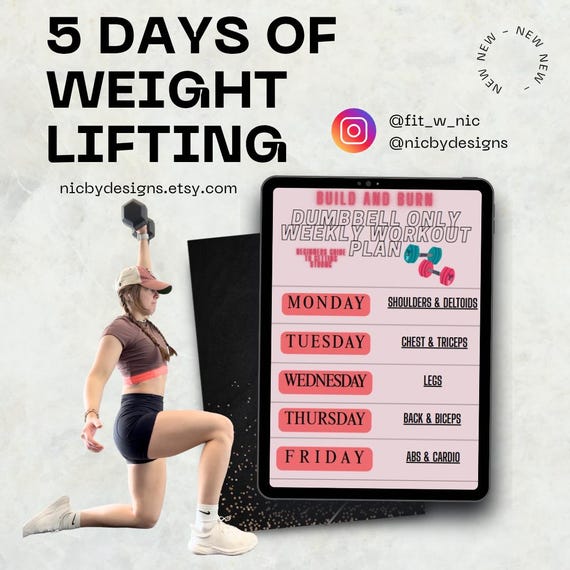
Credit: www.etsy.com
Setting Realistic Goals
Setting realistic goals is the foundation of any successful fitness journey. It keeps you motivated and prevents frustration. When your goals fit your lifestyle and abilities, you’re more likely to stick with your plan and see real progress.
Short-term Vs Long-term Goals
Short-term goals give you quick wins and build momentum. These could be as simple as completing three workouts a week or adding five minutes to your daily walk. Achieving these smaller targets helps you stay motivated and focused.
Long-term goals focus on bigger changes like improving endurance or losing a specific amount of weight over several months. These take time and patience, but they guide your overall progress. Balancing both types keeps your fitness plan manageable and rewarding.
Tracking Progress
Tracking your progress turns your goals into measurable steps. You can use a journal, an app, or simple checklists to record workouts, meals, or how you feel each day. Seeing your improvements—even small ones—boosts confidence.
Ask yourself: Are you noticing any changes in energy or mood? Tracking isn’t just about numbers; it’s about recognizing how your body responds. This awareness helps you adjust your goals and stay on track.
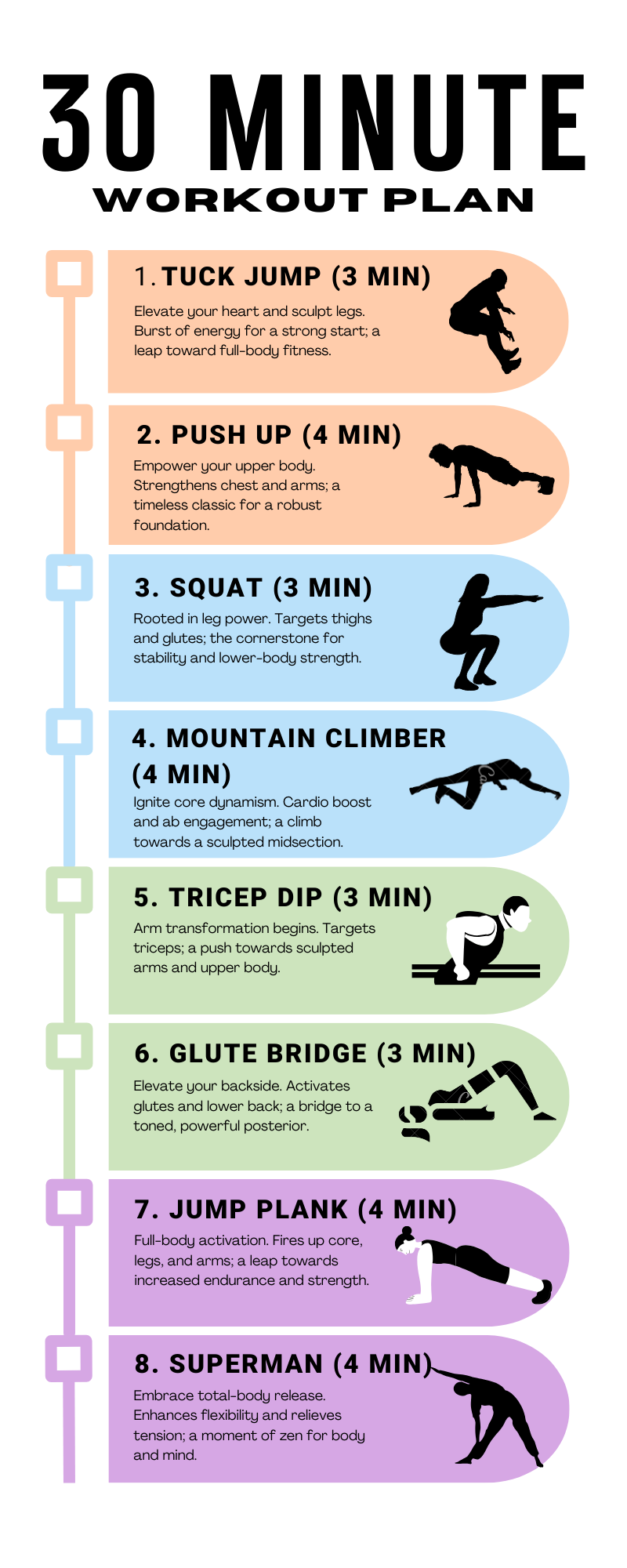
Credit: greensafaris.com
Choosing The Right Workouts
Choosing the right workouts can make all the difference in how you feel about your fitness journey. It’s not just about what’s popular or trendy; it’s about what fits your lifestyle, goals, and current fitness level. You want exercises that motivate you, challenge you without overwhelming, and help you build a strong foundation.
Cardio Exercises For Beginners
Cardio is a great place to start because it gets your heart pumping and improves endurance. Walking at a brisk pace, cycling on a stationary bike, or gentle jogging are effective options that don’t require special skills.
Try sessions of 20 to 30 minutes, three times a week. Notice how your energy changes afterward—do you feel more awake or tired? Adjust the pace until it feels just challenging enough but still enjoyable.
Strength Training Basics
Building strength helps you tone muscles and boosts metabolism. Begin with bodyweight exercises like squats, push-ups, and lunges before adding weights.
Focus on form over speed to avoid injury. You might find that doing 2 to 3 sets of 8 to 12 repetitions feels effective. How does your body respond to these movements? Pay attention to soreness and adjust rest days accordingly.
Flexibility And Balance
Flexibility and balance exercises improve movement and prevent injuries. Simple stretches, yoga poses, or balance exercises like standing on one foot can be part of your routine.
Spend 5 to 10 minutes after workouts stretching major muscle groups. This helps your body recover and feel more relaxed. Have you noticed if stretching helps reduce tightness after exercise?
Creating A Weekly Schedule
Creating a weekly schedule is essential to building a consistent fitness routine that fits your lifestyle. It helps you stay organized and motivated by setting clear expectations for each day. A well-planned schedule balances different types of workouts with rest, so you make steady progress without burning out.
Sample Workout Plans
Start by mixing cardio, strength training, and flexibility exercises throughout the week. For example, you might do cardio on Monday and Thursday, strength training on Tuesday and Friday, and yoga or stretching on Wednesday.
| Day | Workout |
|---|---|
| Monday | 30 minutes brisk walking or jogging |
| Tuesday | Full-body strength training (bodyweight exercises like squats, push-ups, lunges) |
| Wednesday | Yoga or stretching session (20-30 minutes) |
| Thursday | Cardio (cycling, swimming, or dancing for 30 minutes) |
| Friday | Strength training (focus on upper body and core) |
| Saturday | Active rest (light walking or fun outdoor activity) |
| Sunday | Complete rest |
This plan gave me a clear structure when I first started working out. It kept me accountable and helped me avoid overdoing it.
Rest And Recovery Days
Rest days are just as important as workout days. They let your muscles repair and grow stronger, reducing the risk of injury.
On rest days, focus on gentle activities like walking or stretching to keep your body moving without strain. How do you usually spend your rest days? Try using this time to tune into how your body feels and adjust your intensity accordingly.
Listening to your body can prevent burnout and keep your fitness journey enjoyable. Scheduling rest isn’t a break from progress—it’s part of it.

Credit: www.beautybites.org
Nutrition Tips For Fitness
Nutrition plays a crucial role in your fitness journey. What you eat fuels your workouts and supports recovery. Getting the right nutrients can make your progress smoother and more enjoyable.
Balanced Meal Ideas
Think of your meals as a mix of protein, carbs, and healthy fats. Protein helps build and repair muscles, carbs give you energy, and fats support overall health.
Try combining these foods for a simple balanced meal:
- Grilled chicken breast with quinoa and steamed broccoli
- Oatmeal topped with fresh berries and a spoon of almond butter
- Salmon with sweet potato and a side salad with olive oil dressing
Have you noticed how your energy changes after eating different meals? Pay attention to what makes you feel strong and ready.
Hydration Importance
Water is often overlooked but it’s key to your fitness success. Staying hydrated keeps your muscles working well and helps prevent cramps.
Try to drink water consistently throughout the day, not just during workouts. A good rule is to aim for about 8 cups daily, but listen to your body’s needs.
Adding a slice of lemon or cucumber can make water more appealing if you find plain water boring. How much water do you drink before feeling thirsty?
Staying Motivated
Staying motivated during a fitness journey can be tough. Many women start strong but lose energy over time. Motivation is the key to keep going, especially for beginners. Small actions can help maintain focus and build lasting habits. Understanding how to stay motivated makes the process easier and more enjoyable.
Finding Support Systems
Support helps keep motivation high. Friends, family, or workout groups can offer encouragement. Sharing goals with others adds accountability. It feels good to celebrate progress together. Online communities also provide motivation and advice.
- Join local fitness classes or clubs
- Find a workout buddy
- Use social media to connect with fitness groups
- Ask friends or family to support your goals
Overcoming Common Challenges
Challenges can block progress but can be managed. Lack of time, tiredness, or boredom are common barriers. Planning workouts in advance solves time issues. Trying new exercises fights boredom. Rest is important to avoid burnout.
- Set realistic and clear goals
- Change workout routines every few weeks
- Use short workouts if time is tight
- Celebrate small achievements to stay positive
Tracking Improvements
Tracking your fitness improvements is essential to stay motivated and see real progress. It helps you understand what works and where you need to adjust your routine. Without tracking, it’s easy to lose sight of your goals and feel stuck.
Using Fitness Apps
Fitness apps make tracking simple and fun. You can log workouts, monitor calories, and even track sleep patterns. Many apps offer reminders and progress charts that keep you accountable.
Choose an app that fits your style. Some are great for beginners, offering guided workouts, while others focus on running or strength training. Have you tried any apps that helped you stay consistent?
Apps like MyFitnessPal or Fitbit allow you to set daily goals and see your progress over weeks or months. You can also connect with friends for added motivation. This social aspect often keeps you coming back.
Measuring Strength And Endurance
Tracking strength and endurance shows how your body is adapting. Use simple tests like counting how many push-ups or squats you can do in a minute. Record these numbers every two weeks to see improvement.
For endurance, track how long you can walk, jog, or cycle without stopping. You might surprise yourself by how much longer you can go after a few weeks. This clear evidence of progress pushes you to keep going.
Don’t forget to note your weights and reps during strength training. Increasing these numbers means your muscles are getting stronger. How often do you check your strength gains?
Adjusting Your Plan Over Time
Adjusting your fitness plan over time is essential to keep your progress steady and your motivation high. As your body adapts, the same routine may no longer challenge you enough. Changing your workouts helps prevent plateaus and keeps exercise fresh and exciting.
Increasing Workout Intensity
To make your workouts more effective, you can increase intensity gradually. This might mean adding more weight, doing more repetitions, or reducing rest time between sets. For example, if you started with 10 squats, try 15 or hold light dumbbells to add resistance.
Pay attention to how your body feels. If you’re not feeling challenged after a few weeks, it’s a sign to push harder. But don’t rush—too much too soon can cause injury or burnout.
Incorporating New Exercises
Adding new exercises helps target different muscle groups and avoids boredom. If you’ve been doing mostly bodyweight exercises, try using resistance bands or light weights. This change can spark new muscle growth and improve overall strength.
Have you noticed certain moves feel easier now? That’s your cue to swap them out or add variations. For example, switch from regular push-ups to incline push-ups or try a new cardio activity like cycling or dancing to keep things interesting.
Frequently Asked Questions
What Is A Beginner Fitness Plan For Women?
A beginner fitness plan for women typically includes a mix of cardio, strength training, and flexibility exercises. Start with 3-4 days a week, gradually increasing intensity. Focus on proper form and consistency. This approach helps build endurance, strength, and confidence, making it easier to stick with the routine.
How Often Should Beginners Exercise Per Week?
Beginners should aim to exercise 3-4 times per week. This frequency allows for recovery and adaptation. Ensure a mix of cardio and strength training. Consistency is key for seeing progress and avoiding burnout. As you become more comfortable, consider gradually increasing workout days and intensity.
What Are The Best Exercises For Beginners?
The best exercises for beginners include bodyweight squats, lunges, push-ups, and planks. These exercises build foundational strength and improve balance. Cardio activities like walking or cycling are also beneficial. Focus on proper form and gradually increase intensity. These exercises help build strength and endurance, forming a solid fitness base.
Can Beginners Lift Weights Safely?
Yes, beginners can lift weights safely by starting with light weights. Focus on proper form and technique. Gradually increase the weight as you gain strength and confidence. It’s important to listen to your body and avoid overexertion. Consider consulting a fitness professional for guidance.
Conclusion
Starting a fitness plan can feel hard but stay patient. Small steps build strong habits. Focus on consistency, not speed. Celebrate progress, no matter how small. Your body will thank you over time. Enjoy the journey and stay positive. Every workout brings you closer to your goal.
Keep moving forward with confidence. You have the power to improve your health. Make this plan your new daily routine.







