
Are you looking to build strong, durable gym equipment that lasts? Welding gym equipment might be the key to creating your perfect workout setup.
Whether you’re a fitness enthusiast or a professional gym owner, knowing how to weld your own gear gives you control over quality and design. Imagine saving money while customizing every piece to fit your space and style. You’ll discover everything you need to know to get started with welding gym equipment safely and effectively.
Keep reading, and unlock the power to craft your own fitness tools that stand the test of time.
Choosing The Right Materials
Choosing the right materials for welding gym equipment makes a big difference in how strong and durable your gear will be. The materials you select affect not just the weight capacity but also how long the equipment lasts under constant use. Think about what kind of workouts your gym will host and how much wear and tear the equipment will face.
Steel Types For Gym Gear
Steel is the most common material for gym equipment due to its strength and versatility. Mild steel is affordable and easy to weld, but it may not hold up well under heavy use over time. On the other hand, alloy steels like chromium-molybdenum offer greater strength and durability, which can be crucial for heavy lifting machines.
Stainless steel offers a clean look and better corrosion resistance but can be harder to weld. If you want your equipment to look sleek and last longer without rusting, investing in stainless steel might be worth it. Ask yourself: Are you building equipment for light workouts or intense sessions? This question will guide your steel choice.
Importance Of Material Strength
Strength is key in gym equipment because safety depends on it. You don’t want your welded joints or frames to bend or break under pressure. Materials with higher tensile strength ensure the equipment holds up even when lifting heavy weights.
Check the material’s yield strength, which tells you how much stress it can take before deforming. Using stronger materials means you can build lighter equipment that still supports heavy loads, giving you more flexibility in design. What’s the maximum weight your equipment should safely handle?
Corrosion Resistance Options
Gyms can be humid, and sweat can cause metal to rust over time. Corrosion resistance is essential to keep your welded equipment looking and functioning well. Stainless steel naturally resists rust, but it costs more.
Another option is to use coatings like powder coating or galvanization to protect mild steel from rust. These coatings add a layer that blocks moisture and sweat. Think about how much maintenance you want to do—some materials need regular touch-ups, while others stay protected for years.
Credit: www.weldingweb.com
Essential Welding Techniques
Welding gym equipment requires strong, clean welds to ensure safety and durability. Proper technique includes controlling heat and maintaining steady hand movements. Using the right welding method helps create reliable joints for heavy use.
Welding gym equipment is a rewarding skill that blends creativity with functionality. Essential welding techniques form the backbone of crafting sturdy and reliable gym gear. Whether you’re a seasoned welder or a beginner, mastering these techniques will ensure your creations stand the test of time.Mig Vs Tig Welding
Choosing between MIG and TIG welding depends on your project needs. MIG welding is fast and ideal for thicker materials, making it perfect for larger gym equipment frames. TIG welding, on the other hand, offers precision and control, which is essential for delicate parts and intricate designs. Consider your equipment requirements and available resources. MIG is generally easier to learn and requires less preparation, but TIG gives you a cleaner finish. Which one aligns better with your goals?Preparing Metal For Welding
Preparation is key to a successful weld. Start by cleaning the metal surface to remove rust, paint, or grease. A clean surface ensures a strong bond and reduces the risk of defects. Cut your materials to the right size and shape before welding. Proper fit-up minimizes gaps and ensures stability. Also, consider using clamps to hold pieces in place for accuracy.Common Welding Mistakes To Avoid
Avoiding common mistakes can save you time and frustration. One common error is using the wrong settings on your welder. Always adjust the machine based on material thickness and type. Another mistake is neglecting safety equipment. Protective gear like gloves and helmets is essential to prevent injuries. Are you consistently prioritizing safety in your welding practices? Lastly, don’t rush the process. Patience allows you to focus on technique and produce high-quality welds. Remember, quality trumps speed.Designing Durable Equipment
Designing durable gym equipment requires careful planning and strong construction. Every piece must support heavy weights and frequent use. Durability depends on the materials and design choices. Focus on strength and user comfort to create equipment that lasts long and performs well.
Load-bearing Considerations
Calculate the maximum weight each part must hold. Use steel or other strong metals for frames. Ensure joints and welds can handle stress without breaking. Test designs with simulated heavy loads to check safety. Proper load distribution prevents weak points and failure.
Ergonomic Design Tips
Design equipment for user comfort and safety. Adjust dimensions to fit various body sizes. Use smooth edges and rounded corners to avoid injuries. Position grips and seats to reduce strain on muscles. Good ergonomics encourage longer and safer workouts.
Reinforcement Strategies
- Use gussets and braces at stress points.
- Double weld key joints for added strength.
- Apply thicker metal plates where needed.
- Include cross members to increase frame rigidity.
- Inspect welds regularly to maintain durability.

Credit: www.ironcompany.com
Safety Measures During Welding
Welding gym equipment requires strict safety measures to protect yourself and others. Welding involves heat, sparks, and harmful fumes. Taking precautions helps avoid injuries and accidents. Understanding the right safety steps improves your work environment.
Protective Gear Essentials
Wear proper protective gear before starting any welding task. A welding helmet shields your eyes from bright light and sparks. Use flame-resistant gloves to protect your hands from burns. Long-sleeved shirts and pants made of heavy fabric prevent skin exposure. Safety boots guard your feet from falling objects and sparks.
Ventilation And Workspace Setup
Work in a well-ventilated area to avoid harmful fumes. Use fans or exhaust systems to move smoke away. Keep your workspace clean and organized. Remove any flammable materials from the welding area. Make sure there is enough space to move safely and handle tools comfortably.
Fire Prevention Techniques
Have a fire extinguisher nearby before welding. Check the extinguisher regularly to ensure it works. Avoid welding near combustible materials like paper, wood, or cloth. Use fire-resistant blankets or shields to contain sparks. Always keep a watchful eye on the area during and after welding to spot any signs of fire early.
Finishing And Maintenance
Finishing and maintenance are key to keeping welded gym equipment safe and durable. Proper care helps prevent rust and damage. It also keeps the equipment looking new and working well for a long time.
Surface Treatment Options
Applying the right surface treatment protects metal from corrosion and wear. Common options include:
- Powder coating for a tough, colorful finish
- Galvanizing to add a zinc layer against rust
- Painting with rust-resistant paint
- Clear coating for extra protection without changing color
Choose a treatment that fits the gym’s environment and usage.
Regular Inspection Routines
Check gym equipment often to catch problems early. Focus on:
- Signs of rust or corrosion
- Loose bolts and welds
- Cracks or bends in metal parts
- Worn-out paint or coating
Routine inspections reduce risks and extend equipment life.
Repairing Wear And Tear
Fix minor damage before it grows. Use welding to mend cracks or broken parts. Replace worn components like bolts or handles. Sand and repaint areas with chipped paint. Timely repairs keep equipment safe and reliable.
Cost And Time Efficiency
Welding gym equipment demands both cost and time efficiency. Saving money and completing projects quickly can boost productivity. Smart planning ensures you use resources well and avoid delays. Efficient welding means less waste and faster results, making the entire process smoother.
Budgeting For Materials And Tools
Start by listing all needed materials and tools. Compare prices from different suppliers to find the best deals. Buy durable equipment to avoid frequent replacements. Plan purchases to prevent overspending on unnecessary items. Track your spending to stay within budget limits.
Streamlining The Welding Process
Organize your workspace for easy access to tools. Prepare all parts before welding to reduce downtime. Use jigs or clamps to hold pieces steady. Maintain your welding machine to avoid breakdowns. Follow clear steps to keep the process steady and efficient.
Tips For Faster Project Completion
- Set clear goals and deadlines for each stage.
- Focus on one task at a time to avoid errors.
- Use proper welding techniques to speed up work.
- Keep tools clean and ready for use.
- Take short breaks to maintain focus and energy.
Customizing Your Gym Equipment
Customizing your gym equipment through welding can transform a basic setup into a perfect fit for your workout needs. It gives you control over functionality and aesthetics, making each piece uniquely yours. What features would make your routine smoother and more enjoyable?
Adding Adjustable Features
Adjustable components bring versatility to your gym equipment. You can weld sliding or pivoting parts that let you change heights, angles, or resistance levels easily.
Think about adding adjustable seat heights or movable handles to match different exercises or user sizes. This flexibility helps prevent injury and improves workout effectiveness by fitting your body perfectly.
Incorporating Storage Solutions
Storage is often overlooked but essential in a workout space. Adding welded hooks, shelves, or racks to your equipment keeps weights, bands, and accessories organized and accessible.
Imagine having a dedicated spot for dumbbells or resistance bands right on your bench or squat rack. It saves space and keeps your workout area tidy, so you stay focused on your training.
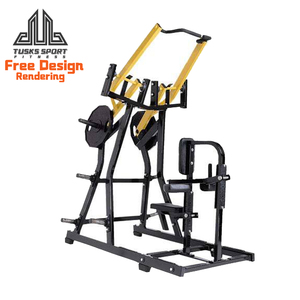
Personalizing With Paint And Decals
Painting your welded equipment isn’t just about looks—it protects metal from rust and wear. Choose durable, weather-resistant paint to keep your gear looking sharp for years.
Adding decals or custom designs can boost your motivation by making your space feel personal and inspiring. What colors or themes make you want to push harder during your workouts?
Credit: www.alibaba.com
Frequently Asked Questions
What Materials Are Best For Welding Gym Equipment?
Steel, especially mild and stainless steel, is the best for welding gym equipment. It offers strength, durability, and corrosion resistance. Aluminum can be used but is less common due to welding challenges. Proper material choice ensures safety and long-lasting gym equipment.
How To Ensure Safety When Welding Gym Equipment?
Always wear protective gear like gloves, helmets, and safety glasses. Work in a well-ventilated area to avoid inhaling fumes. Follow correct welding techniques and inspect welds for strength. Proper safety measures prevent injuries and ensure durable gym equipment.
Can I Weld Gym Equipment At Home?
Yes, welding gym equipment at home is possible with the right tools and skills. Use a suitable welding machine and safety gear. Start with simple projects and follow guidelines carefully. Home welding can save costs but requires caution and practice.
What Welding Techniques Suit Gym Equipment Fabrication?
MIG welding is most common for gym equipment due to ease and speed. TIG welding offers precise, clean welds but requires skill. Stick welding works for thicker materials. Choose the technique based on material type and desired weld strength.
Conclusion
Welding gym equipment offers a strong and durable workout solution. You can save money by making your own gear. It lets you customize pieces to fit your needs. Safety is important—always wear proper gear while welding. Learning basic welding skills can be useful beyond fitness.
This approach combines creativity with fitness goals. Try welding gym equipment for a practical, hands-on project. It makes your workouts unique and personal. Give it a shot and see the benefits yourself.







