
Are you feeling stiff or struggling to move easily throughout your day? Imagine unlocking your body’s natural ease and feeling more flexible with each stretch.
Yoga for flexibility for beginners is the key to making that happen. You don’t need to be an expert or spend hours on the mat. With simple, gentle moves designed just for you, you can start improving your flexibility right now.
Keep reading to discover easy steps that will help your body feel lighter, reduce aches, and boost your confidence in every movement. This is your chance to feel better—let’s get started!
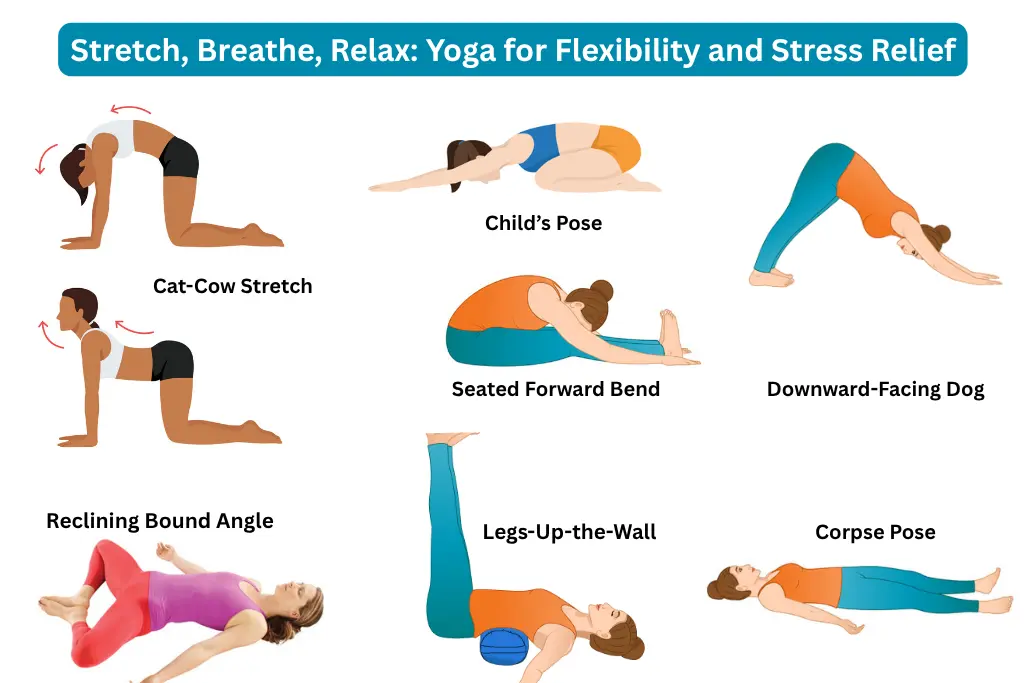
Credit: yogavibeshub.com
Benefits Of Yoga For Flexibility
Yoga offers many benefits for improving flexibility, especially for beginners. It helps the body move more freely and easily. Regular practice can lead to better posture and less muscle stiffness. Flexibility gained through yoga supports daily activities and overall well-being.
Improved Range Of Motion
Yoga stretches muscles and joints gently. This increases the range of motion in the body. With better movement, simple tasks become easier. The body feels less tight and more relaxed. Over time, flexibility improves steadily.
Enhanced Muscle Strength
Yoga builds strength in muscles while stretching them. Stronger muscles support joints better. This balance of strength and flexibility helps the body stay stable. Beginners develop muscle tone without strain. It also improves balance and coordination.
Reduced Risk Of Injury
Flexible muscles and joints reduce injury chances. Yoga teaches safe stretching techniques. This prepares the body for other activities. Muscles become less prone to tears and strains. Regular practice protects the body from sudden movements.
Preparing For Your Yoga Practice
Preparing for your yoga practice sets the stage for a successful and enjoyable experience. Taking a few simple steps before you begin can make a big difference in how comfortable and focused you feel. This preparation helps your body and mind get ready to stretch, breathe, and move with ease.
Choosing The Right Space
Your environment affects your practice more than you might expect. Find a quiet spot where you won’t be interrupted. It doesn’t have to be a large room; even a corner with enough space to stretch out works well.
Good natural light can boost your mood and energy. Avoid clutter around you to keep distractions at bay. Ask yourself: Does this space make me feel calm and ready to focus?
Essential Gear And Props
You don’t need expensive equipment to start yoga, but a few basics help. A non-slip yoga mat provides cushioning and stability. If you have tight muscles, blocks or straps can assist you in reaching poses comfortably.
Wear comfortable clothes that allow you to move freely. Avoid anything too loose or tight. Keeping a water bottle nearby is smart, especially if you’re practicing in a warm room.
Warm-up Tips
Jumping straight into deep stretches can cause injury or discomfort. Begin with gentle movements to wake up your muscles and joints. Simple neck rolls, shoulder shrugs, and ankle circles prepare your body for more intense poses.
Listen to your body’s signals during warm-up. If something feels tight or sore, spend a little more time there. Warming up isn’t a race—it’s about easing into your practice smoothly.
Beginner-friendly Yoga Poses
Starting yoga for flexibility is easier with simple poses. These beginner-friendly yoga poses help stretch your muscles gently. They improve your range of motion and reduce stiffness. Practicing these poses regularly builds a strong, flexible body.
Downward Dog
Downward Dog stretches your back, legs, and shoulders. Begin on your hands and knees, then lift your hips up. Keep your hands shoulder-width apart and feet hip-width apart. Hold the position for a few breaths to feel the stretch.
Cat-cow Stretch
This stretch warms up your spine and improves flexibility. Start on your hands and knees. Arch your back up like a cat, then dip it down like a cow. Move slowly and breathe deeply with each motion.
Seated Forward Bend
Sit with your legs straight in front of you. Slowly bend forward from your hips and reach for your toes. Keep your back straight as you stretch. This pose stretches your hamstrings and lower back.
Child’s Pose
Child’s Pose relaxes your back and hips. Kneel on the floor and sit back on your heels. Stretch your arms forward and lower your forehead to the ground. Breathe deeply and hold to release tension.
Butterfly Stretch
Sit with your feet together and knees bent outward. Hold your feet with your hands and gently press your knees down. This pose opens your hips and stretches inner thighs. Keep your back straight during the stretch.

Credit: www.youtube.com
Tips To Improve Flexibility Safely
Improving your flexibility through yoga requires patience and care. Pushing too hard can lead to injury, but with the right approach, you can safely increase your range of motion. The key lies in how you practice, not just how often.
Consistency Over Intensity
Practicing yoga regularly, even for short periods, is more effective than long, intense sessions once in a while. Your muscles and joints adapt gradually when you stretch them gently every day.
Try setting a daily goal of 10-15 minutes focused on flexibility poses. This steady habit builds progress without overwhelming your body.
Listening To Your Body
Yoga is not about forcing your body into shapes it’s not ready for. Pay close attention to how your body feels during each stretch.
If you feel sharp pain or discomfort, ease off immediately. Mild tension is normal, but pain is a signal to stop and adjust.
Breathing Techniques
Breathing deeply and steadily helps your muscles relax, allowing you to stretch further with less effort. Focus on slow inhales and exhales while holding each pose.
When you feel your breath steady, your body can release tension more easily. Have you noticed how holding your breath makes stretches feel harder?
Creating A Flexible Yoga Routine
Creating a flexible yoga routine helps build your body’s suppleness safely. It also improves balance and strength over time. A good routine fits your current level and grows with your progress. Consistency is key to gaining flexibility without injury.
Setting Realistic Goals
Start with small, clear goals. For example, aim to touch your toes or hold a stretch for 20 seconds. Avoid pushing too hard in the beginning. Set goals that fit your body’s current ability. This keeps motivation high and prevents frustration. Adjust goals as you feel more flexible.
Balancing Stretch And Strength
Flexibility is not just about stretching. Strength supports your joints and muscles. Combine gentle stretches with strength-building poses. For instance, include poses like Downward Dog and Warrior II. This balance helps protect your body and improves overall yoga practice. It also helps prevent injuries during stretches.
Tracking Progress
Keep a simple journal or use an app to record your sessions. Note how long you hold each pose and how your body feels. Track changes in range of motion and comfort. Review your notes weekly to see improvements. Celebrate small successes. This keeps you motivated and aware of your growth.
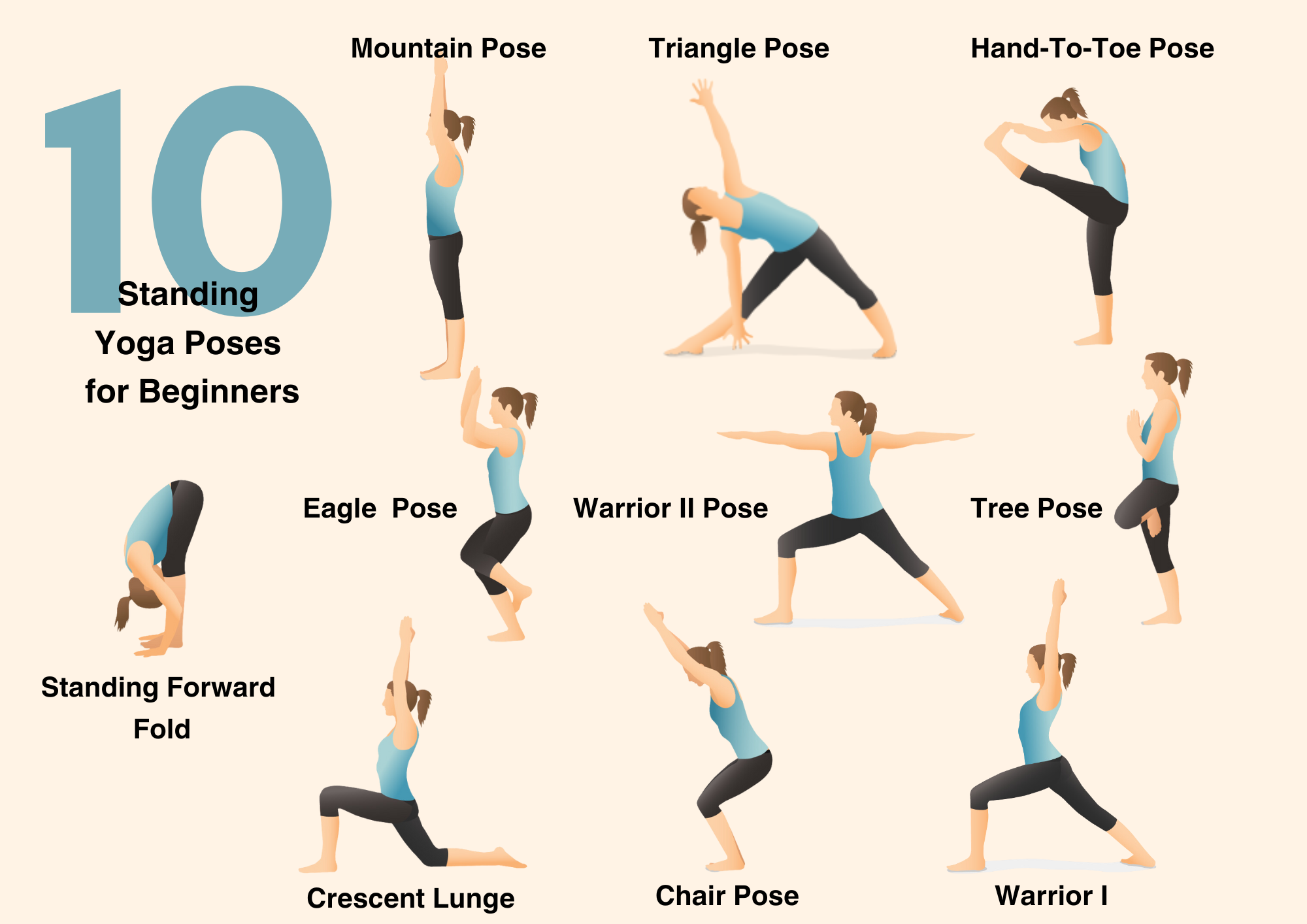
Credit: myyogateacher.com
Common Mistakes To Avoid
Starting yoga for flexibility can be exciting. Mistakes can slow progress or cause injury. Avoid common errors to enjoy safe, steady improvement. Knowing what to watch out for helps build a strong yoga practice.
Overstretching
Stretching too far can hurt muscles and joints. Pushing beyond comfort leads to strains or sprains. Move slowly and stop at a gentle stretch. Flexibility grows with time and patience.
Skipping Warm-ups
Cold muscles are less flexible and prone to injury. Warm-ups increase blood flow and prepare the body. Simple movements like walking or gentle stretches work well. Spend at least five minutes warming up before yoga.
Ignoring Pain Signals
Pain is the body’s warning sign. Ignoring it may cause serious damage. Differentiate between mild stretch and sharp pain. Stop immediately if pain occurs. Respect your limits to practice yoga safely.
Frequently Asked Questions
What Is The Best Yoga Pose For Flexibility?
The best yoga pose for flexibility is the Downward Dog. It stretches your hamstrings, calves, and shoulders. Regular practice enhances flexibility and strength. It’s ideal for beginners seeking to improve their flexibility gradually.
How Often Should Beginners Practice Yoga?
Beginners should practice yoga at least 2-3 times a week. Consistency is crucial for improving flexibility and technique. Regular practice helps in building a solid foundation. It also enhances your overall well-being and flexibility.
Can Yoga Improve Flexibility Quickly?
Yoga can improve flexibility within a few weeks. Consistent practice of poses enhances muscle elasticity. Beginners often notice changes in flexibility quickly. Patience and regular practice are key to seeing results.
What Should Beginners Focus On In Yoga?
Beginners should focus on alignment and breathing in yoga. Proper alignment prevents injuries and improves flexibility. Breathing deeply enhances relaxation and concentration. It’s important to start with simple poses and gradually increase complexity.
Conclusion
Practicing yoga regularly helps your body become more flexible. Start with simple poses and go at your own pace. You will feel less stiff and more relaxed over time. Small steps lead to big changes in your flexibility. Keep your breathing steady and focus on each movement.
Enjoy the calm and strength yoga brings to your body. Consistency is key. Your body will thank you for the care you give it. Yoga for flexibility is a gentle way to improve health and well-being.







