
Do you ever find yourself staring at the screen, struggling to stay focused and motivated during long hours at your desk? You’re not alone.
Staying energized and productive when you sit for most of the day can be tough. But what if simple changes could boost your motivation and make your work feel less like a grind? You’ll discover easy-to-apply strategies designed specifically for desk workers like you.
These tips will help you feel more motivated, stay on track, and finish your tasks with less stress. Keep reading—your most productive and energized workdays are just ahead.
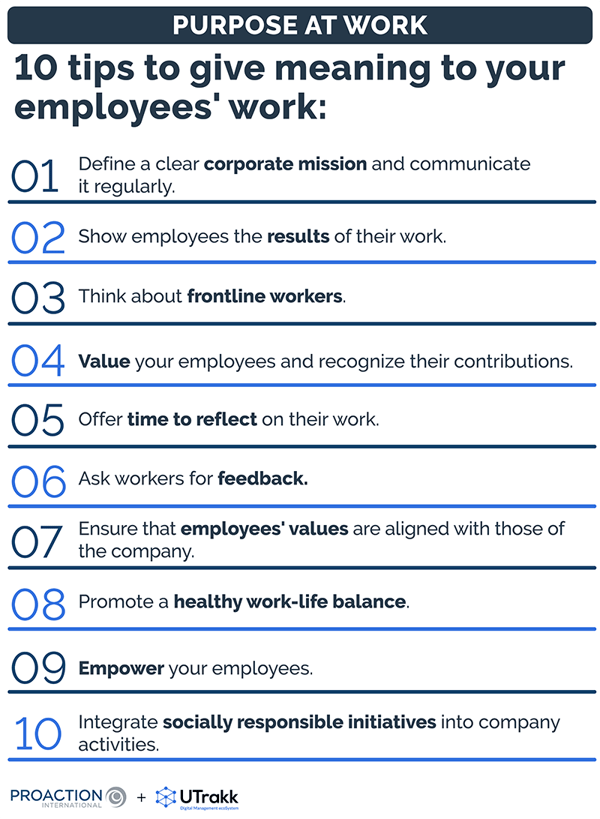
Credit: blog.proactioninternational.com
Common Challenges For Desk Workers
Working at a desk all day comes with unique challenges that can slowly chip away at your motivation. You might feel stuck in a rut without realizing how these obstacles affect your energy and focus. Recognizing these common issues is the first step to changing how you work and feel.
Sedentary Lifestyle Effects
Sitting for long hours can lead to more than just stiff muscles. It affects your circulation, posture, and even your mood. You might notice your energy dips in the afternoon or that your back starts aching by midweek.
Simple changes, like standing breaks or short walks, can make a big difference. Have you ever tried setting a timer to remind yourself to move every hour? It’s a small habit that can boost your alertness and reduce discomfort.
Mental Fatigue And Distractions
Staring at the same screen for hours drains your mental energy faster than you expect. Distractions—from emails, chat apps, or noisy environments—pull your attention away from deep work.
One time, I found myself checking messages every five minutes, and my productivity plummeted. Changing notifications settings and scheduling focused work blocks helped me regain control.
What distractions steal your focus the most? Identifying them can help you create a workspace that supports concentration.
Work-life Balance Issues
When your desk is also your dining table or bedroom, the line between work and personal life blurs. You might find yourself working late or struggling to switch off, which wears down your motivation.
Setting clear boundaries, like defined work hours or a dedicated workspace, can help. How often do you check your work email outside of office hours? Reducing that habit can protect your downtime and recharge your mind.

Credit: neelraman.com
Setting Clear Daily Goals
Clear daily goals help desk workers stay focused and motivated throughout the day. Breaking tasks into small steps makes work feel easier and progress visible. This approach keeps energy high and reduces stress.
Setting clear daily goals is a powerful motivation strategy for desk workers. It provides direction and purpose, turning a potentially overwhelming task list into a manageable set of achievable targets. By focusing on what needs to be accomplished each day, you can boost your productivity and maintain a sense of control over your workload.Prioritizing Tasks Effectively
Deciding what to tackle first can be challenging. Start by identifying tasks that align with your long-term objectives. Consider deadlines, importance, and impact. A simple way to prioritize is using a priority matrix. This visual tool helps categorize tasks by urgency and importance, enabling you to focus on what truly matters. Does responding to emails need to take precedence over finishing a project report?Using Smart Goals
Adopting SMART goals can transform vague intentions into clear, actionable plans. SMART stands for Specific, Measurable, Achievable, Relevant, and Time-bound. For example, instead of saying “work on the project,” specify “complete the first draft of the report by 3 PM.” This clarity not only enhances focus but also boosts motivation by providing a clear endpoint. How often do you find yourself drifting because your goals are too broad or unrealistic? Adjusting your goals to fit the SMART criteria can make a significant difference.Tracking Progress
Tracking your progress is crucial in maintaining motivation. It allows you to see how far you’ve come and what still needs to be done. Consider using a planner or digital tool to monitor your tasks. Checking off completed items provides a sense of accomplishment and encourages you to keep pushing forward. Reflect on your progress at the end of each day. Did you achieve what you set out to do? If not, what adjustments can you make for tomorrow? This reflection not only boosts your productivity but also keeps your motivation levels high.Optimizing Your Workspace
Creating a workspace that supports focus and comfort boosts motivation for desk workers. A well-organized and inviting desk area helps reduce stress and improves productivity. Small changes to your environment can lead to big improvements in your daily work experience.
Ergonomic Setup Tips
Set up your desk and chair to support good posture. Your screen should be at eye level to avoid neck strain. Keep your feet flat on the floor or on a footrest. Use a chair that supports your lower back. Position your keyboard and mouse so your arms form a 90-degree angle.
Minimizing Clutter
Clear your desk of items you do not use daily. Use drawers or organizers to store supplies. Keep only essential items within arm’s reach. A tidy space helps your mind stay clear and focused. Clean your workspace at the end of each day.
Incorporating Natural Elements
Add a small plant or two to your desk area. Natural elements improve mood and reduce stress. Place your desk near a window for natural light. If natural light is limited, use soft, warm lighting. Nature-inspired decor can make your workspace more inviting.
Incorporating Movement Breaks
Adding movement breaks during your workday can dramatically boost your focus and energy. Sitting too long drains your motivation and makes you sluggish. Simple moves can refresh your mind and body, helping you tackle tasks with renewed vigor.
Stretching Exercises
Stretching helps ease muscle tension and improves blood flow. Try neck rolls, shoulder shrugs, and wrist stretches every hour to prevent stiffness. These quick exercises only take a minute but make a big difference in how comfortable you feel.
Have you noticed how a few stretches can reset your mood? Even subtle movements like reaching your arms overhead or touching your toes break the monotony of sitting. Keep a list of favorite stretches at your desk for easy reference.
Short Walks And Active Breaks
Walking, even for five minutes, wakes up your brain better than caffeine. Step outside or pace around your room to boost creativity and reduce stress. These short bursts of activity help clear mental fog and improve your decision-making.
Consider setting a timer to remind you to stand and walk regularly. You might discover that a quick stroll sparks new ideas or solves problems that felt stuck. What would change if you committed to a few mini-walks daily?
Deskercise Ideas
Deskercises are exercises you can do without leaving your workspace. Chair squats, seated leg lifts, and desk push-ups keep your muscles active without interrupting work flow. These moves help build strength and stamina throughout your day.
Try mixing different deskercises into your routine to keep things interesting. You might find that moving your body in small ways keeps you more alert and motivated. How many deskercises can you fit into a single hour?
Boosting Mental Energy
Feeling mentally drained at your desk can kill your productivity fast. Boosting your mental energy isn’t just about pushing through fatigue; it’s about refreshing your mind so you stay sharp and focused throughout the day. Small, intentional actions can make a big difference in how energized you feel.
Mindfulness And Meditation
Taking just a few minutes to focus on your breath or practice mindfulness can clear mental clutter. I once tried a simple breathing exercise during a stressful afternoon, and it instantly helped me regain focus. You don’t need a quiet room—just pause, breathe deeply, and bring your attention back to the present moment.
Try setting a reminder to pause every hour for 2-3 minutes. It can calm your mind, reduce stress, and boost your mental clarity. How often do you give yourself permission to just stop and reset?
Power Naps And Rest
Short naps can be surprisingly effective in recharging your brain. A 10-20 minute nap improves alertness and memory without leaving you groggy. I found that after a brief nap, tackling complex tasks became easier and less frustrating.
If a nap isn’t possible, close your eyes and rest your mind for a few minutes. Even this mini-break reduces mental fatigue and helps you stay productive. What if you allowed yourself this brief pause—how much more could you achieve?
Healthy Snack Choices
Your brain needs good fuel to perform well. Snacking on nuts, berries, or yogurt can boost your mental energy without causing sugar crashes. I switched from candy bars to almonds and noticed I stayed energized longer and avoided afternoon slumps.
Keep easy, healthy snacks at your desk to avoid reaching for unhealthy options. Small changes in your diet can have a big impact on your concentration and mood. What snacks do you rely on to keep your brain sharp?
Leveraging Technology For Focus
Staying focused at your desk can feel like a constant battle, especially with the many digital temptations around. Technology, if used wisely, can actually become your greatest ally in maintaining concentration and boosting motivation. The key is to pick the right tools that fit your workflow and help you stay on track without adding complexity.
Productivity Apps
Productivity apps are more than just to-do lists; they help organize your tasks and give a clear picture of your workload. Apps like Todoist and Microsoft To Do let you break down big projects into smaller, manageable steps. This keeps your progress visible and your goals within reach.
Using a productivity app helped me realize how much time I was spending on small tasks that didn’t move my work forward. Once I started prioritizing tasks within the app, my focus improved and I felt less overwhelmed.
Time Management Tools
Time management tools help you allocate your work hours more effectively. Tools like Pomodoro timers encourage working in short, intense bursts followed by breaks, which can prevent burnout. RescueTime tracks your computer usage and gives insights into how you spend your time.
Have you ever wondered where your day actually goes? Tracking your time with these tools can reveal surprising habits that sap your focus. Adjusting based on this data can make your workday more productive and less draining.
Limiting Digital Distractions
Even the best tech can become a distraction if not controlled. Using apps like Freedom or StayFocusd lets you block distracting websites during work hours. Turning off non-essential notifications also helps you stay in the zone.
One simple change I made was setting my phone to “Do Not Disturb” while working. The reduction in interruptions was immediate and my ability to concentrate improved dramatically. What small digital distraction can you eliminate today to sharpen your focus?
Building Positive Habits
Building positive habits helps desk workers stay motivated daily. Habits shape your work rhythm and boost productivity. Creating good habits takes time but offers lasting benefits. Small changes in routines improve focus and energy.
Consistent Routines
Start your day with a clear routine. Wake up and prepare for work at the same time. Set specific times for breaks and lunch. Routines train your brain to expect work periods. This reduces stress and increases efficiency. Keep your workspace tidy to support routines.
Reward Systems
Rewards encourage habit formation and keep motivation high. Choose simple rewards like a short walk or a favorite snack. Celebrate finishing tasks or working without distractions. Rewards create positive feelings linked to work habits. Use small rewards often to build momentum.
Accountability Partners
Partner with a coworker or friend to stay on track. Share your goals and progress regularly. Partners provide support and gentle reminders. Knowing someone else cares increases commitment. Accountability partners can exchange tips and motivate each other.
Maintaining Motivation Long-term
Staying motivated over time can be tough for desk workers. Long hours at a desk may cause energy and focus to drop. Finding ways to keep motivation alive helps maintain productivity and well-being. Small habits and changes can make a big difference in staying driven day after day.
Regular Reflection
Take time each week to think about your work progress. Ask yourself what went well and what was challenging. This helps spot patterns and areas to improve. Reflection also reminds you why your tasks matter. Write down thoughts to track growth over time.
Adjusting Strategies
Keep your motivation fresh by trying new approaches. Change your work routine or set different goals if needed. Small shifts can renew interest and energy. Notice what works best and build on it. Flexibility helps avoid boredom and burnout.
Celebrating Milestones
Recognize your achievements, no matter how small. Celebrate finishing tasks or reaching goals with a break or treat. This creates positive feelings linked to your work. Rewards boost motivation and encourage continued effort. Mark milestones visibly to stay inspired.

Credit: www.securitymagazine.com
Frequently Asked Questions
How Can Desk Workers Stay Motivated Throughout The Day?
Desk workers can stay motivated by taking regular breaks, setting clear goals, and maintaining a tidy workspace. Staying hydrated and incorporating short physical activities also boost energy and focus. Using task management tools helps track progress and keeps motivation high.
What Are Effective Motivation Strategies For Office Workers?
Effective strategies include goal-setting, time management, and rewarding small achievements. Personalizing the workspace and using positive affirmations enhance motivation. Regular social interactions and minimizing distractions also support sustained productivity and motivation for office workers.
How Does Physical Activity Improve Motivation At Work?
Physical activity increases blood flow and releases endorphins, which boost mood and energy. Even short stretches or walks help reduce fatigue and improve focus. Staying active prevents burnout and maintains motivation during long desk work hours.
Why Is Goal Setting Important For Desk Workers?
Goal setting provides clear direction and measurable targets, increasing motivation and productivity. It breaks tasks into manageable steps, reducing overwhelm. Regularly reviewing goals helps maintain focus and encourages continuous progress.
Conclusion
Staying motivated at a desk job can be tough. Small changes help keep your energy up. Take short breaks and move around often. Set clear goals to track your progress. Keep your workspace tidy and inviting. Celebrate small wins to stay encouraged.
Remember, motivation grows with simple daily habits. Try these tips and see what works best. Your focus and mood will improve over time. Keep going—each step counts toward a better workday.







