
Are you looking to strengthen your core but don’t know where to start? Your core is the foundation of almost every movement you make, from lifting groceries to playing sports.
Knowing the right types of core exercises can transform your fitness routine and improve your posture, balance, and overall strength. You’ll discover simple yet effective core exercises that suit your needs—whether you’re a beginner or looking to challenge yourself. Keep reading to unlock the secrets to a stronger, more stable core that supports your daily life.
Why Core Strength Matters
Core strength is vital for overall fitness and daily activities. A strong core supports your spine and helps maintain good posture. It stabilizes your body during movement, reducing the risk of injury.
Core muscles connect your upper and lower body. These muscles work together to help you move efficiently. Without core strength, simple tasks become harder and less safe.
Improves Balance And Stability
Core strength enhances your balance by stabilizing your body. It helps keep you steady when standing or moving. This stability lowers the chance of falls and injuries.
Supports Better Posture
Strong core muscles keep your spine aligned. Good posture reduces back and neck pain. It also boosts confidence and appearance.
Enhances Athletic Performance
A powerful core improves strength and power in sports. It allows better control and faster movements. Athletes rely on their core for almost every action.
Reduces Back Pain
Core exercises strengthen muscles around the lower back. This support helps relieve and prevent pain. A strong core takes pressure off the spine.
Helps Everyday Movements
Core strength aids in bending, lifting, and twisting. It makes daily activities easier and safer. Strong core muscles protect your body from strain.
Basics Of Core Muscles
Your core muscles do more than just give you a six-pack look. They stabilize your body, support your spine, and help you move efficiently every day. Understanding the basics of these muscles helps you choose the right exercises that build strength and prevent injuries.
Deep Core Muscles
Deep core muscles lie beneath the surface and act like your body’s natural corset. They include the transverse abdominis, multifidus, diaphragm, and pelvic floor muscles.
These muscles work together to stabilize your spine and pelvis. For example, the transverse abdominis wraps around your abdomen and tightens to protect your lower back during movements.
Many people ignore these muscles because they don’t show visible strength gains right away. But training them improves posture and reduces back pain. Have you ever noticed how a strong core keeps you steady during sudden movements?
Surface Core Muscles
Surface core muscles are the ones you can see and feel, like the rectus abdominis and obliques. These muscles are responsible for movements like bending forward, twisting, and side bending.
While these muscles help with powerful movements, they rely on the deep core muscles for support. Think of them as the engine, while the deep core muscles are the frame that holds everything together.
Focusing only on surface muscles can leave your core unstable. Next time you do crunches or twists, ask yourself if your lower back feels supported or strained. That’s a sign of how well your deep core is working.
Static Core Exercises
Static core exercises strengthen your muscles without movement. They focus on holding positions to build endurance and stability. These exercises improve posture and reduce injury risks. Static holds train your core to support the spine effectively.
Plank Variations
Planks are popular static exercises targeting the entire core. They engage the abs, back, and shoulders simultaneously. Variations keep workouts fresh and challenge your body in new ways.
- Forearm Plank:Hold your body straight on your forearms and toes. Keep your hips level and core tight.
- Side Plank:Balance on one forearm and the side of one foot. This targets your obliques deeply.
- Plank with Leg Lift:Raise one leg while holding a plank. This increases core and glute strength.
- Reverse Plank:Face upward, supporting your body with hands and heels. It strengthens the back and core.
Isometric Holds
Isometric holds involve contracting muscles without moving joints. They build muscle tension and improve core stability efficiently. These holds help maintain proper form in dynamic exercises.
- Hollow Body Hold:Lie on your back, lift arms and legs slightly off the ground. Keep your lower back pressed down.
- Glute Bridge Hold:Raise your hips while lying on your back. Hold to engage the glutes and lower back.
- Boat Pose Hold:Sit balancing on your sit bones with legs lifted. Hold to strengthen abs and hip flexors.
- Dead Bug Hold:Lie on your back, extend opposite arm and leg. Hold to improve core control and coordination.

Credit: www.greensafaris.com
Dynamic Core Exercises
Dynamic core exercises activate your abdominal muscles through movement, engaging multiple muscle groups simultaneously. These exercises improve strength, coordination, and stability by forcing your core to work harder as you move. Adding dynamic exercises to your routine challenges your muscles in new ways, helping you build a stronger and more functional core.
Crunches And Sit-ups
Crunches and sit-ups are classic dynamic core exercises that focus on the upper abdominal muscles. In a crunch, you lift your shoulders off the ground while keeping your lower back pressed down, targeting the rectus abdominis.
Sit-ups take this a step further by lifting your entire upper body towards your knees, activating more muscles including the hip flexors. You might find sit-ups more challenging but they also provide a bigger range of motion.
Try varying your pace or adding a twist at the top to involve your obliques. Have you noticed how even small changes in form can alter which muscles you feel working?
Leg Raises And Lifts
Leg raises and lifts focus primarily on your lower abdominal muscles. By lifting your legs while keeping your core tight, you strengthen the muscles that support your pelvis and lower back.
These exercises can be done lying flat on your back or hanging from a bar for an added challenge. Start with bent knees if straight leg raises feel too difficult.
Including leg raises in your routine can improve your control and endurance. What happens to your balance and posture when these muscles become stronger?
Rotational Core Exercises
Rotational core exercises target the muscles that help twist your torso. These moves improve balance, stability, and strength. They engage the obliques and other muscles along the sides of your body. Rotational exercises mimic everyday movements like turning, swinging, and reaching. They help protect your spine and reduce injury risks.
Russian Twists
Russian twists work your obliques and abs. Sit on the floor with knees bent. Lean back slightly, keeping your back straight. Hold your hands together or use a weight. Twist your torso to the right, then to the left. Move slowly and control each twist. This exercise builds rotational strength and improves stability.
Cable Woodchoppers
Cable woodchoppers use a machine or resistance band. Stand with feet shoulder-width apart. Grab the handle with both hands above one shoulder. Pull the cable down and across your body to the opposite hip. Keep your arms straight and core tight. This move strengthens the obliques and helps with powerful twisting motions.
Credit: www.sutterhealth.org
Balance And Stability Exercises
Balance and stability exercises strengthen the core by challenging control and coordination. These workouts improve posture and prevent injuries by engaging deep muscles. They teach the body to remain steady during movement and while holding positions. Such exercises build a strong foundation for daily activities and sports.
Swiss Ball Workouts
Swiss ball workouts activate many muscles at once. The unstable surface forces the core to work harder. Common exercises include:
- Swiss ball planks
- Ball rollouts
- Seated ball marches
Each movement requires balance, improving overall stability. These workouts enhance muscle coordination and core endurance.
Single-leg Movements
Single-leg exercises train balance by shifting weight to one side. They engage the core to keep the body steady. Examples include:
- Single-leg deadlifts
- Single-leg squats
- Single-leg bridges
These moves improve muscle symmetry and control. They also help prevent falls and strengthen stabilizing muscles.
Functional Core Movements
Functional core movements train your body to move better in daily life. These exercises engage multiple muscles, improving strength and stability. They focus on real-world motions, making your core stronger and more efficient. Functional core exercises help protect your spine and improve balance.
Deadlifts
Deadlifts target your lower back, hips, and core muscles. This exercise strengthens the entire posterior chain. You lift a weighted barbell from the ground, keeping a straight back. Deadlifts improve posture and core stability. They train your body to lift safely and powerfully.
Kettlebell Swings
Kettlebell swings build explosive power and endurance in the core. This dynamic move activates the hips, glutes, and abs. You swing a kettlebell between your legs and then forward to chest height. The movement trains your core to stabilize during fast motions. Kettlebell swings boost overall functional strength and coordination.
Common Mistakes To Avoid
Core exercises can transform your strength and posture, but many people stumble over common mistakes that reduce their effectiveness or cause injury. Understanding what to avoid helps you get the most out of your workouts and protects your body. Let’s look at some frequent errors that might be holding you back.
Neglecting Proper Form
It’s tempting to rush through core exercises, especially when you’re eager to see results. But poor form can strain your back or neck and limit the benefits. Focus on slow, controlled movements and keep your spine neutral to engage the right muscles.
I once pushed through a set of crunches with my neck bent forward and ended up with a stiff neck for days. That taught me to prioritize technique over speed every time.
Relying Too Much On Crunches
Crunches are popular but not the only way to strengthen your core. Overdoing them can cause muscle imbalances and neglect other important areas like the obliques and lower back. Add variety with planks, leg raises, or Russian twists to target your entire core.
Holding Your Breath
Many forget to breathe properly during exercises, which can increase tension and reduce endurance. Keep a steady breathing rhythm—inhale on the easier part and exhale on the effort phase. This small change boosts your performance and keeps you relaxed.
Ignoring Muscle Engagement
Simply moving through the motions won’t work your core effectively. You need to consciously engage your abdominal muscles during each exercise. Ask yourself: can you feel your core working right now? If not, adjust your position or slow down.
Skipping Warm-ups And Cool-downs
Jumping straight into core workouts without warming up can cause stiffness or injury. Spend a few minutes on light cardio or dynamic stretches to prepare your muscles. Similarly, cool down with gentle stretches to aid recovery and reduce soreness.
Tips To Maximize Core Training
Maximizing your core training is about more than just doing endless crunches. It requires smart strategies that engage your muscles effectively and keep your workouts safe and productive. Paying attention to how you train can transform your results and help you build a strong, stable core faster.
Proper Form Is Your Foundation
Maintaining correct form during core exercises is crucial. Poor technique not only reduces the effectiveness but also increases the risk of injury. Focus on controlled movements and avoid using momentum to complete reps.
Try recording yourself or training in front of a mirror to check your posture. You’ll catch subtle mistakes that can make a big difference in your progress.
Engage Your Core Throughout The Day
Core training isn’t limited to your workout sessions. Activating your core during daily activities strengthens these muscles consistently. Simple actions like standing tall, sitting with good posture, or tightening your abs while walking can add up.
Ask yourself, “Am I using my core right now?” Making this a habit can greatly enhance your core strength over time.
Progressive Overload Builds Strength
Just like any muscle group, your core muscles need gradually increased challenges to grow stronger. Add resistance or extend the duration of exercises as you get comfortable. Use tools like medicine balls, resistance bands, or weighted vests to intensify your workouts.
Remember, pushing too hard too soon can cause strain. Increase difficulty step-by-step to avoid setbacks.
Mix Static And Dynamic Movements
Static holds like planks and dynamic exercises like bicycle crunches target your core differently. Combining both types improves endurance and functional strength. If you usually do only one kind, try adding the other to your routine.
This variety prevents plateaus and keeps your training interesting.
Focus On Breathing And Mind-muscle Connection
Breathing properly during core exercises helps maintain tension in the right muscles. Inhale during the easier phase and exhale as you engage your core. This pattern supports stability and power.
Pay attention to how your muscles feel. Concentrate on squeezing your abs with each rep to deepen the connection and improve results.
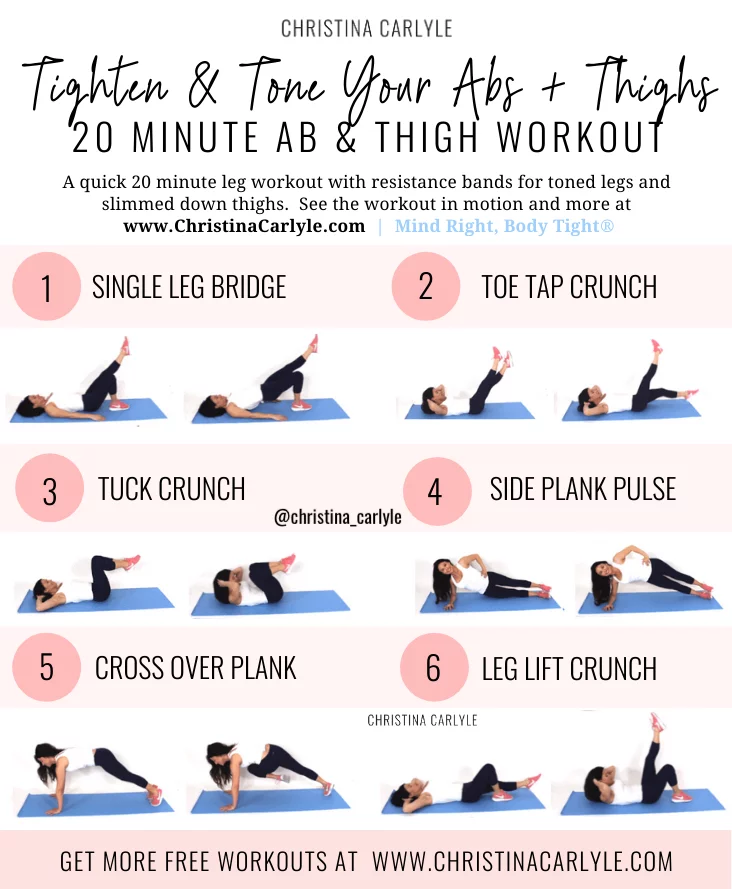
Credit: greensafaris.com
Frequently Asked Questions
What Are Core Exercises?
Core exercises target the muscles in your abdomen, lower back, and pelvis. They are essential for improving balance, stability, and posture. Popular core exercises include planks, crunches, and leg raises. Regularly incorporating these exercises into your routine strengthens your core muscles, enhancing overall fitness and reducing the risk of injuries.
Why Are Core Exercises Important?
Core exercises are crucial for building stability and balance. A strong core supports your spine and improves posture. It also enhances athletic performance and reduces the risk of injuries. Whether you’re lifting weights or playing sports, a solid core foundation helps you perform movements efficiently and safely.
How Often Should I Do Core Exercises?
For optimal results, aim to do core exercises 2-3 times a week. This frequency allows your muscles to recover and grow stronger. Ensure you incorporate a variety of exercises targeting different core muscles. Consistency is key for building a strong, stable core over time.
Can Beginners Do Core Exercises?
Yes, beginners can safely perform core exercises. Start with simple exercises like planks and crunches. Focus on proper form to avoid injury and gradually increase intensity. Always listen to your body and rest if needed. As you build strength, you can try more challenging variations.
Conclusion
Core exercises build strength and improve balance. They support better posture and reduce injury risk. Different types target various muscles around your middle. Mix them to keep workouts fresh and effective. Start slow, then increase intensity as you progress. Consistency matters more than quick results.
Remember, strong core means better daily movement and fitness. Keep practicing to feel the benefits every day.







