
Are you looking for a way to boost your energy, improve your flexibility, and find calm in your busy life? Vinyasa yoga might be just what you need.
It’s a flowing style of yoga that links breath with movement, making it perfect for beginners who want to feel strong and relaxed at the same time. In this guide, you’ll discover simple steps to start your Vinyasa practice, tips to avoid common mistakes, and how to make each session enjoyable and rewarding.
Ready to unlock the benefits of Vinyasa yoga and transform your mind and body? Let’s dive in.

Credit: www.youtube.com
What Is Vinyasa Yoga
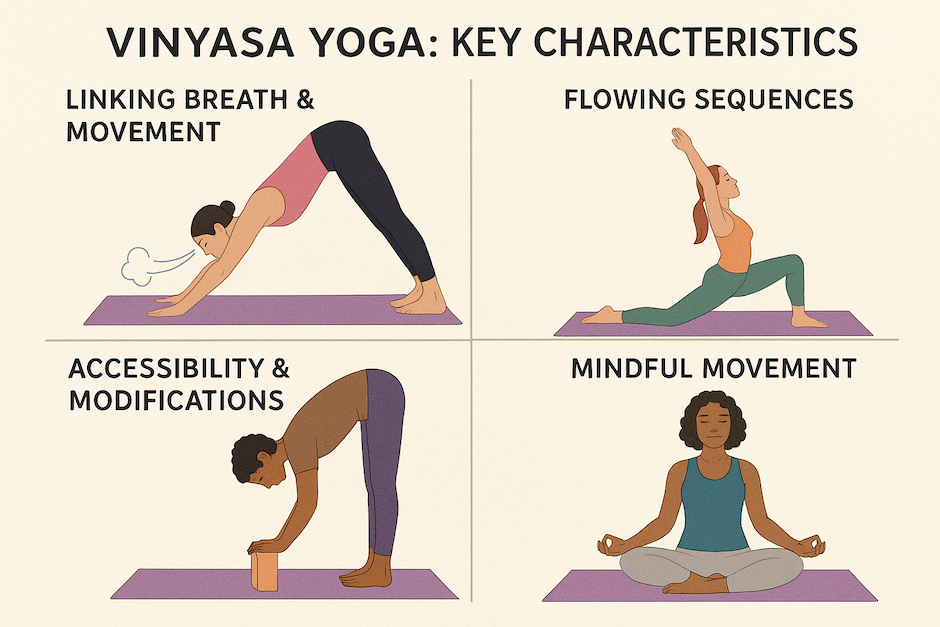
Vinyasa Yoga is a dynamic style of yoga that links breath with movement. It’s often called “flow” yoga because you smoothly transition between poses in a sequence. This connection between breath and movement helps you stay present and focused during your practice.
If you’re new to yoga, Vinyasa can feel like a moving meditation. It’s not just about holding poses but about how you move through them. This approach helps build strength, flexibility, and endurance while calming your mind.
What Makes Vinyasa Yoga Unique?
Vinyasa stands out because of its fluid sequences. Unlike static styles, you don’t stay in one pose for long. Instead, each movement is linked to your breath, creating a continuous flow.
This flow keeps your body active and your mind engaged. You might find yourself sweating more than in other yoga classes, which shows your muscles are working hard. It also means you get a cardio boost along with the traditional benefits of yoga.
How Does Breathing Work In Vinyasa?
Breath is the rhythm that guides your entire practice. You inhale to open or stretch, and exhale to fold or bend. This breathing technique is called “ujjayi breath,” which creates a soft sound in your throat, helping you maintain focus.
Pay attention to your breath—it’s your body’s natural cue for moving safely and effectively. If your breath becomes shallow or fast, it’s a sign to slow down or rest.
Is Vinyasa Yoga Suitable For Beginners?
Absolutely. Beginners might worry that the fast pace is too hard, but many studios offer beginner-friendly classes. These classes break down the flow into simple steps and teach you how to link breath with movement.
Starting with beginner sessions helps you build confidence and prevents injuries. You’ll learn basic poses and how to transition between them smoothly. This foundation makes your practice safer and more enjoyable.
What Can You Expect In A Vinyasa Class?
- Warm-up with gentle stretches to prepare your body
- Sequences of poses flowing together with breath
- Moments of holding poses to build strength
- Cool down with slower, calming stretches
- Final relaxation to restore your energy
Each class can feel different because teachers design unique flows. This variety keeps your practice interesting and challenges your body in new ways.
Have you noticed how moving with your breath changes your focus? Vinyasa Yoga invites you to connect deeply with your body and mind, making it a powerful practice for beginners and experienced yogis alike.

Credit: www.youtube.com
Benefits Of Vinyasa Yoga
Vinyasa Yoga offers many benefits that support both the body and mind. It is a flowing style of yoga that links breath with movement. This practice helps improve strength, flexibility, and balance. It also creates a sense of calm and focus. Beginners find it a great way to build a healthy routine and enjoy physical activity.
Improves Physical Strength And Flexibility
Vinyasa Yoga builds muscle strength through varied poses. It stretches the muscles deeply, increasing flexibility. The continuous flow challenges the body gently but effectively. Regular practice helps prevent injuries and stiffness.
Enhances Cardiovascular Health
The dynamic movements raise the heart rate. This boost improves blood circulation and heart health. It acts as a mild cardio workout while promoting endurance. Practicing Vinyasa can support a healthy heart and lungs.
Reduces Stress And Calms The Mind
Breath control in Vinyasa Yoga helps relax the nervous system. The focus on breathing creates mindfulness and reduces anxiety. It encourages mental clarity and emotional balance. Many feel more peaceful after each session.
Boosts Energy And Mental Focus
The flowing sequences increase energy levels naturally. Moving with breath sharpens concentration and awareness. This practice helps improve memory and mental sharpness. It prepares the mind for daily tasks.
Supports Weight Management
Vinyasa Yoga burns calories through constant motion. It tones muscles and improves metabolism. This active yoga style aids in maintaining a healthy weight. It promotes a balanced and active lifestyle.
Basic Vinyasa Poses
Basic Vinyasa poses build a strong foundation for your yoga practice. These poses link breath with movement. They help improve strength, balance, and flexibility. Each pose flows smoothly into the next.
Start slow and focus on your body alignment. Feel your breath guide each movement. These poses prepare you for more advanced sequences.
Mountain Pose
Mountain Pose is the starting point for many yoga sequences. Stand tall with feet together. Ground your feet firmly into the floor. Lengthen your spine and relax your shoulders. Breathe deeply and feel steady.
Downward Dog
Downward Dog stretches the whole body. Begin on hands and knees. Lift hips toward the ceiling. Keep your arms and legs straight. Press your heels toward the floor. This pose energizes and calms.
Plank Pose
Plank Pose builds core and arm strength. Start in a push-up position. Keep your body in a straight line. Engage your abdominal muscles. Hold steady and breathe evenly.
Chaturanga
Chaturanga is a low push-up position. From plank, bend your elbows close to your body. Lower your chest toward the floor. Keep your body straight and strong. This pose strengthens arms and shoulders.
Upward Dog
Upward Dog opens the chest and spine. Lie face down and place hands under shoulders. Press through your hands to lift your chest. Straighten your arms and lift your thighs off the floor. Look slightly upward and breathe deeply.
Simple Vinyasa Flow Sequence
Starting Vinyasa yoga can feel exciting and calming at once. A simple flow helps beginners connect breath with movement. This flow moves gently through basic poses. It builds strength, balance, and focus.
Try this easy sequence to get comfortable with Vinyasa. Each pose links smoothly to the next. Keep your breath steady and deep. Move slowly and listen to your body.
Mountain Pose (tadasana)
Stand tall with feet together and arms at sides. Ground your feet into the floor. Breathe deeply and feel your body steady. This pose sets a calm, strong base.
Forward Fold (uttanasana)
Exhale and bend forward from your hips. Let your head hang heavy. Relax your neck and shoulders. Keep knees slightly bent if needed. This stretch warms your back and legs.
Halfway Lift (ardha Uttanasana)
Inhale and lift your chest halfway up. Straighten your spine and place hands on shins. Look forward and lengthen your back. This pose prepares you for a smooth flow.
Plank Pose
Step back with feet hip-width apart. Keep your body in a straight line. Engage your core and hold steady. This pose builds strength in arms and abs.
Chaturanga Dandasana
Lower your body halfway down with elbows close to sides. Keep shoulders above wrists. Hold your core tight. This pose strengthens arms and chest.
Upward Facing Dog (urdhva Mukha Svanasana)
Inhale and lift your chest forward and up. Straighten your arms and open your chest. Keep thighs off the ground. This pose opens the front body and strengthens the back.
Downward Facing Dog (adho Mukha Svanasana)
Exhale and lift your hips high. Press hands and feet into the mat. Create an inverted V shape with your body. Stretch your back, legs, and arms.
Returning To Mountain Pose
Step or hop feet to hands. Inhale and lift halfway. Exhale and fold forward. Inhale and rise up slowly. Reach arms overhead and return to standing tall.
Breathing Techniques
Breathing is the foundation of Vinyasa Yoga. It guides your movements and helps you stay present during practice. Learning the right breathing techniques can transform your yoga sessions from tiring to energizing.
Understanding Ujjayi Breath
The Ujjayi breath, or “victorious breath,” is a key breathing style in Vinyasa Yoga. It involves breathing deeply through the nose while slightly constricting the throat. This creates a soft hissing sound that helps you focus and maintain rhythm.
Try this: Inhale deeply through your nose, then exhale slowly while tightening your throat as if fogging up a mirror. Feel the steady flow? This breath keeps your energy steady and connects your body and mind during movement.
Matching Breath With Movement
In Vinyasa Yoga, your breath directs your pace. Typically, you inhale as you stretch or open up, and exhale when you fold or contract. This coordination helps you move smoothly and avoid strain.
Think about your last workout—were you breathing naturally or holding your breath? Holding breath can tire you out quickly. Practicing breath and movement sync lets you conserve energy and deepen your practice.
Using Breath To Calm The Mind
Breathing deeply slows your heart rate and calms your nervous system. When you focus on your breath, distracting thoughts often fade. This creates space for mindfulness and reduces stress.
Next time you feel restless during practice, bring attention back to your breath. Notice how your body relaxes with each exhale. Can you feel your mind settling down?
Practical Tips For Beginners
- Start by practicing Ujjayi breath while sitting quietly before moving on the mat.
- Use a mirror or record yourself to check if you’re breathing through your nose with slight throat constriction.
- Keep your breath steady and smooth, even when poses become challenging.
- If you get out of breath, pause, and return to slow, controlled breathing before continuing.
Mastering these breathing techniques will make your Vinyasa Yoga sessions more enjoyable and effective. How will you start paying attention to your breath today?
Credit: myyogateacher.com
Tips For Building Confidence
Building confidence in Vinyasa Yoga takes time and patience. Beginners often feel unsure about their moves. Confidence grows with practice and the right mindset. Small steps lead to big improvements.
Set Realistic Goals
Start with easy poses and short sessions. Aim to improve little by little. Celebrate small wins to stay motivated. Avoid pushing too hard too soon.
Focus On Your Breath
Breathing guides your movements in Vinyasa Yoga. Pay attention to deep, steady breaths. Breath control helps calm the mind. It makes poses feel easier and more natural.
Practice Regularly
Consistency matters more than intensity. Try to practice a few times a week. Regular sessions build muscle memory. Your body learns poses faster with steady practice.
Use Support Tools
- Yoga blocks
- Straps
- Bolsters
These props help you hold poses safely. They improve balance and alignment. Props make difficult poses accessible for beginners.
Listen To Your Body
Notice how your body feels during practice. Stop if you feel pain or discomfort. Respect your limits to avoid injury. Each body is unique and needs care.
Join A Beginner-friendly Class
A supportive teacher creates a safe space. Group classes help you learn with others. Teachers offer guidance and correct postures. This boosts confidence and skills.
Celebrate Progress
Track improvements in flexibility and strength. Remember how far you have come. Positive feedback fuels motivation. Confidence grows with each achievement.
Common Mistakes To Avoid
Starting Vinyasa Yoga can be exciting but tricky. Many beginners make simple mistakes that slow progress or cause discomfort. Recognizing these errors helps practice become safer and more enjoyable. Avoiding common pitfalls improves flexibility, strength, and confidence in your yoga journey.
Ignoring Breath Control
Breath guides every movement in Vinyasa Yoga. Skipping proper breathing causes tension and breaks flow. Match your inhales and exhales with each pose transition. Deep, steady breaths increase focus and oxygen flow.
Rushing Through Poses
Vinyasa is about smooth, mindful movement. Moving too fast reduces balance and alignment. Take time to hold poses correctly. Slow transitions build strength and prevent injuries.
Forcing Your Body
Yoga is not a competition. Pushing too hard causes strain and pain. Respect your body’s limits and progress gradually. Use props or modify poses if needed.
Skipping Warm-up
Warm muscles prevent injuries and improve flexibility. Jumping straight into poses risks pulls or cramps. Start with gentle stretches or basic yoga moves to prepare the body.
Neglecting Alignment
Proper alignment protects joints and improves effectiveness. Poor posture leads to discomfort and limits benefits. Focus on body position, even if it means holding a pose shorter.
Setting Up Your Practice Space
Creating a calm and inviting space helps deepen your Vinyasa Yoga practice. The right environment supports focus and relaxation. It encourages steady breathing and smooth movement. This section guides you through setting up a simple practice area at home. A peaceful spot boosts your confidence and enjoyment.
Choosing A Quiet And Comfortable Spot
Pick a place with little noise and few distractions. A corner of a room or a space near a window works well. Make sure the floor is flat and clean. You need room to stretch and move freely. Soft natural light helps create a calm mood.
Gathering Essential Yoga Props
Basic items improve comfort and safety during practice. A yoga mat provides grip and cushions your joints. Blocks help with balance and flexibility. A strap assists with stretching. Keep a towel and water bottle nearby for breaks.
Creating A Relaxing Atmosphere
Small details make your space peaceful. Use light curtains or blinds to control sunlight. Add a small plant or calming image for a natural feel. Avoid strong smells or harsh artificial lights. Playing soft instrumental music can enhance your focus.
Organizing Your Space For Ease
Keep the area tidy and free from clutter. Store props in a basket or shelf for quick access. Leave enough room to move without obstacles. A neat space helps clear your mind and body. Preparing your practice area shows respect for yourself.
Using Props To Support Your Flow
Using props in Vinyasa yoga can transform your practice, especially if you’re new to the flow. Props offer extra support and help you maintain proper alignment without strain. They allow you to focus on your breath and movement instead of struggling with poses.
Types Of Props To Enhance Your Practice
Common props include blocks, straps, bolsters, and blankets. Blocks bring the floor closer to you, which is helpful in poses like Triangle or Forward Fold. Straps assist in reaching limbs comfortably during stretches.
Bolsters and blankets provide cushioning for seated or reclining poses, reducing pressure on joints. Think about your own flexibility and body needs—what feels tight or unstable? Adding the right prop can make a big difference.
How To Use Blocks And Straps Effectively
Place blocks under your hands in poses where you can’t reach the floor easily. This prevents overextending and keeps your wrists safe. Straps help when you can’t clasp your hands behind your back or reach your feet.
Try looping a strap around your foot in a seated hamstring stretch to gently pull yourself forward without forcing it. Using props doesn’t mean you’re less flexible—it means you’re smart about protecting your body.
Creating A Comfortable And Safe Flow
Props allow you to move through your Vinyasa flow with confidence. They support balance and stability, which helps prevent injuries. You might find that with props, your transitions between poses become smoother and more controlled.
Have you noticed any poses where you lose balance or feel tight? Experiment with a block or strap in those moments. This small adjustment could make your practice feel more enjoyable and less frustrating.
Frequently Asked Questions
What Is Vinyasa Yoga For Beginners?
Vinyasa Yoga is a dynamic style that links breath with movement. It’s ideal for beginners seeking flexibility and balance. This practice improves coordination and concentration. Classes often start with basic poses and gradually increase in complexity. Vinyasa fosters mindfulness and is accessible to all fitness levels.
How Often Should Beginners Practice Vinyasa Yoga?
Beginners should aim to practice Vinyasa Yoga 2-3 times a week. Consistent practice helps build strength and flexibility over time. Listening to your body is crucial to avoid injury. Gradually, you can increase the frequency as you become more comfortable with the poses and sequences.
What Should Beginners Wear To Vinyasa Yoga?
Comfortable, breathable clothing is best for Vinyasa Yoga. Choose attire that allows full range of motion, like leggings and a fitted top. Avoid overly loose clothing that might interfere with movement. A non-slip yoga mat is also essential to prevent injuries and provide stability during practice.
Can Beginners Do Vinyasa Yoga At Home?
Yes, beginners can practice Vinyasa Yoga at home with online classes or tutorials. Ensure you have a quiet space and a yoga mat. Start with beginner-friendly sessions and gradually move to advanced ones. Listening to your body and progressing at your own pace is key for a safe practice.
Conclusion
Vinyasa yoga offers a gentle way to build strength and calm the mind. Beginners can enjoy moving with their breath and feeling more relaxed. Each practice helps improve balance, flexibility, and focus. Keep practicing regularly to see steady progress. Yoga is a personal journey, so take it one step at a time.
Feel free to explore different poses and find what works best. Enjoy the process and the peace it brings to your life.







