
Have you ever noticed how a quick workout can lift your mood and clear your mind? That’s no coincidence.
Fitness isn’t just about looking good—it plays a powerful role in your mental wellness. When you move your body, you’re also boosting your brain, reducing stress, and improving how you feel every day. If you’ve been searching for a simple way to feel happier and more balanced, understanding why fitness matters for your mental health could change everything.
Keep reading to discover how small steps in fitness can make a big difference in your mind and life.
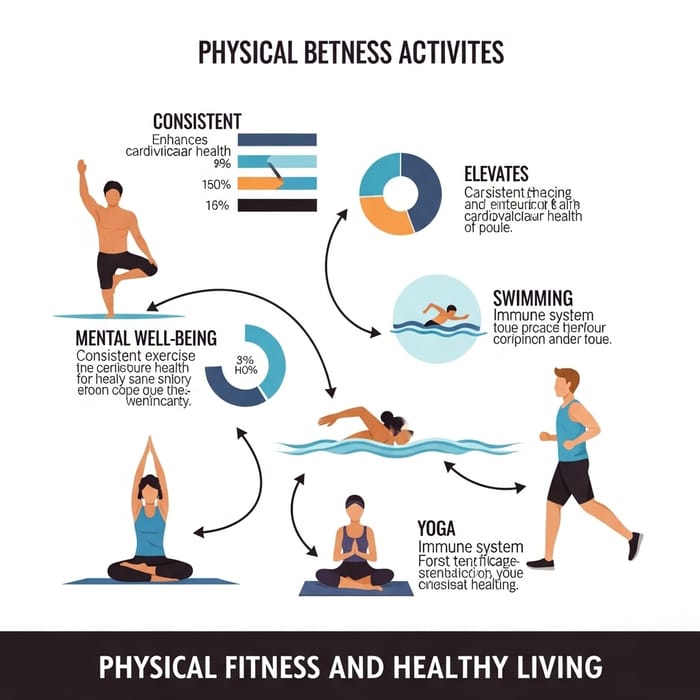
Credit: easy-peasy.ai
Connection Between Fitness And Mental Health
Fitness plays a vital role in mental health. Exercise improves mood and sharpens the mind. It helps the brain work better and reduces feelings of anxiety and sadness. Understanding how fitness impacts mental wellness can inspire more people to stay active.
How Exercise Affects Brain Chemistry
Physical activity triggers the release of chemicals in the brain. These chemicals, called endorphins, act as natural painkillers and mood elevators. Exercise also increases serotonin and dopamine levels. These neurotransmitters help regulate mood and boost happiness.
Regular workouts improve brain plasticity. This means the brain can adapt and create new connections. It supports better memory and learning skills. Exercise also reduces inflammation, which is linked to depression.
Physical Activity And Stress Reduction
Exercise lowers the body’s stress hormones like cortisol. This helps reduce feelings of tension and worry. Moving your body also relaxes muscles and eases built-up stress.
Engaging in physical activity provides a healthy distraction. It allows the mind to focus on movement rather than stressors. This break from stress improves mental clarity and calmness. Over time, regular exercise builds resilience against future stress.
Benefits Of Fitness For Emotional Well-being
Fitness offers more than just physical benefits—it plays a crucial role in boosting your emotional well-being. Regular exercise impacts your brain chemistry, helping you manage stress, lift your spirits, and build a stronger sense of self. Understanding these benefits can motivate you to make fitness a key part of your mental wellness routine.
Improving Mood And Reducing Anxiety
Exercise triggers the release of endorphins, often called “feel-good” hormones. These chemicals act as natural mood lifters, helping you feel happier and more relaxed after a workout.
Beyond endorphins, fitness reduces levels of the body’s stress hormones, like cortisol. This helps lower feelings of anxiety and restlessness, giving you a clearer mind and calmer emotions.
Have you noticed how even a short walk outside can shift your mood? That’s your brain responding to physical activity, making fitness an effective tool for managing daily stress and anxiety.
Enhancing Self-esteem And Confidence
Setting fitness goals and reaching them builds a sense of achievement. This progress boosts your confidence, showing you that you can commit and improve over time.
Physical activity also improves your body image by strengthening muscles and increasing energy. Feeling stronger and healthier can change how you see yourself and how you interact with others.
Think about how you feel after a workout—proud, capable, and energized. Those feelings can carry over into your personal and professional life, helping you tackle challenges with more confidence.
Fitness And Cognitive Function
Fitness plays a vital role in boosting mental wellness. Engaging in regular physical activity enhances brain health. It strengthens cognitive function. Exercise stimulates the production of essential brain chemicals. These chemicals improve mental clarity and alertness. Fitness activities also increase blood flow to the brain. This supports better memory and learning capacity.
Boosting Memory And Concentration
Regular exercise can boost memory and concentration. Physical activity encourages the growth of new brain cells. It improves the brain’s ability to remember information. Exercise also increases levels of serotonin and dopamine. These chemicals are crucial for focus and concentration. Short workouts can clear your mind, helping you concentrate better.
Protecting Against Cognitive Decline
Exercise helps protect against cognitive decline. As we age, our brain function may decrease. Regular physical activity helps maintain mental sharpness. It reduces the risk of developing cognitive disorders. Exercise lowers inflammation and oxidative stress in the brain. These factors contribute to cognitive decline. Staying active keeps your mind sharp and resilient.
Types Of Exercise That Support Mental Wellness
Exercise plays a key role in supporting mental wellness. Different types of exercise affect the brain and mood in unique ways. Choosing the right kind of physical activity can help reduce stress, improve focus, and boost overall happiness.
Some exercises work better for calming the mind. Others build strength and confidence. Combining various workouts creates a balanced routine that benefits both body and mind.
Aerobic Workouts
Aerobic exercises increase heart rate and breathing. This helps release chemicals in the brain that lift mood. Activities like walking, running, swimming, and cycling fit here.
- Improves blood flow to the brain
- Reduces anxiety and depression symptoms
- Boosts energy and alertness
Regular aerobic activity supports better sleep and sharpens memory. It also helps in managing stress effectively.
Strength Training
Strength training builds muscle using weights or resistance bands. It promotes a sense of achievement and increases self-esteem. Examples include lifting weights, bodyweight exercises, and resistance workouts.
- Enhances brain chemicals linked to mood
- Improves focus and cognitive function
- Reduces feelings of fatigue and tension
Adding strength workouts to your routine can create mental resilience. It also helps with better control over emotions.
Mind-body Practices
Mind-body exercises connect physical movement with mental focus. Yoga, tai chi, and Pilates are common examples. These practices promote relaxation and mindfulness.
- Calms the nervous system
- Decreases stress hormone levels
- Enhances emotional balance and clarity
These gentle exercises improve breathing and body awareness. They help reduce anxiety and encourage a peaceful mindset.
Creating A Fitness Routine For Mental Health
Creating a fitness routine for mental health brings structure and calm to daily life. It helps manage stress and lifts your mood naturally. Regular exercise can reduce anxiety and improve sleep quality. The key is to build a routine that fits your lifestyle and feels enjoyable.
Start by understanding what activities you like and what fits your schedule. Small, consistent steps lead to lasting habits. Balance effort and rest to avoid burnout. A well-planned routine supports both body and mind.
Setting Realistic Goals
Set clear and simple goals. Choose targets that match your current fitness level. Avoid aiming too high too fast. Small achievements boost confidence and keep you moving forward.
- Start with 10 to 15 minutes of exercise daily.
- Increase duration gradually over weeks.
- Focus on activities you enjoy, like walking or yoga.
- Track your progress to stay aware of improvements.
Staying Motivated And Consistent
Keep your routine interesting to stay motivated. Change your activities often to prevent boredom. Find a workout buddy or join a group for support. Celebrate small successes to maintain positive energy.
- Schedule workouts at the same time each day.
- Use reminders or alarms to build habit.
- Reward yourself after reaching a goal.
- Focus on how exercise improves your mood and energy.

Credit: www.youtube.com
Overcoming Barriers To Exercise
Overcoming barriers to exercise is often the key to unlocking the mental wellness benefits of fitness. Many people want to be active but face challenges that hold them back. Understanding these obstacles and finding practical ways to work around them can help you stay consistent and motivated.
Managing Time Constraints
Busy schedules make it hard to find time for exercise. You might feel there’s no room for workouts between work, family, and other responsibilities. But even short bursts of activity can boost your mood and energy.
Try fitting in quick sessions like a 10-minute walk or stretching while watching TV. Scheduling your workouts like appointments helps you treat them as non-negotiable. Ask yourself, what small changes can you make today to add movement without overwhelming your day?
Addressing Mental Health Challenges
Mental health conditions like anxiety or depression can drain your motivation to exercise. When your mind feels heavy, starting physical activity might seem impossible. Yet, gentle exercise can ease symptoms and build resilience over time.
Start with simple, low-pressure activities such as yoga, walking, or light stretching. Celebrate every small win, even if it’s just putting on your workout shoes. What would it take for you to take one tiny step toward moving your body today?
Additional Lifestyle Habits For Mental Wellness
Fitness plays a big role in mental wellness, but other lifestyle habits also matter. These habits support the mind, help reduce stress, and keep emotions balanced. Simple changes can improve mood and focus.
Nutrition And Hydration
Eating well feeds the brain and body. Nutrients from fruits, vegetables, and whole grains help mental clarity. Avoiding too much sugar and processed food supports stable energy levels. Drinking enough water keeps the brain working properly. Even mild dehydration can cause tiredness and difficulty concentrating. Balanced meals and regular hydration protect mental health every day.
Sleep And Recovery
Sleep restores the mind and body. Poor sleep can increase anxiety and lower mood. Aim for 7-9 hours of quality sleep each night. A good routine helps the brain relax and recharge. Taking breaks and resting during the day also supports mental wellness. Recovery time lets the mind process emotions and reduces stress levels.
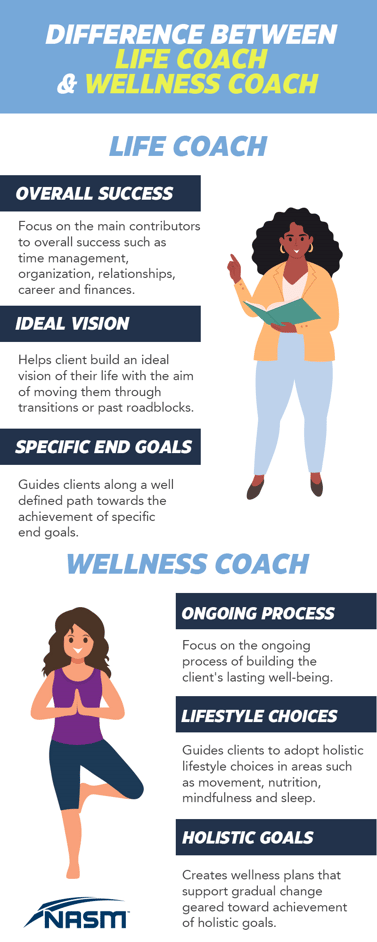
Credit: blog.nasm.org
Frequently Asked Questions
How Does Fitness Improve Mental Health?
Fitness boosts brain chemicals like endorphins and serotonin. These chemicals reduce stress and anxiety, enhancing mood and overall mental health.
Can Regular Exercise Reduce Depression Symptoms?
Yes, regular exercise releases mood-enhancing hormones. It helps alleviate symptoms of depression by promoting relaxation and improving sleep quality.
What Types Of Exercise Benefit Mental Wellness Most?
Aerobic exercises, yoga, and strength training are great. They increase blood flow to the brain and reduce stress effectively.
How Often Should I Exercise For Mental Wellness?
Aim for at least 30 minutes of moderate exercise, five times a week. Consistency is key to gaining mental health benefits.
Conclusion
Fitness supports mental wellness in many simple ways. Exercise helps reduce stress and lifts your mood. It improves sleep, which boosts brain function. Physical activity also builds confidence and eases anxiety. Small daily workouts can make a big difference. Staying active keeps your mind clear and focused.
Choose activities you enjoy to stay motivated. Remember, mental health and fitness go hand in hand. Start with easy steps and feel the benefits grow. A healthy body truly supports a healthy mind.







