
If you want to build strength, tone your muscles, and boost your confidence, the right gym equipment can make all the difference. The bench press is a classic tool that helps you target your chest, shoulders, and arms effectively.
But with so many options out there, how do you know which bench press setup is best for your goals and space? You’ll discover everything you need to choose the perfect bench press gym equipment that fits your workout style and helps you see real results faster.
Keep reading to find out how to lift smarter, safer, and stronger.
Types Of Bench Press Equipment
Choosing the right bench press equipment can change the way you train and impact your strength gains. Different types target muscles in unique ways and offer varying levels of support and safety. Understanding these options helps you tailor workouts to your goals and avoid plateaus.
Flat Bench Press
The flat bench press is the classic choice that focuses primarily on your chest, shoulders, and triceps. You lie flat on the bench and press the barbell straight up, engaging your upper body evenly.
I found that starting with the flat bench helped me build a solid foundation before trying other variations. Do you feel your chest muscles working effectively when you use this setup?
Incline Bench Press
The incline bench press adjusts the bench at about 30 to 45 degrees, shifting emphasis to your upper chest and shoulders. This angle changes the muscle activation, offering a fresh challenge.
Adding incline presses to your routine can help address weak spots in your upper chest. Have you noticed any imbalance between your upper and lower chest development?
Decline Bench Press
With the decline bench press, the bench slopes downward, targeting the lower chest muscles more intensively. This variation reduces shoulder strain and can improve pressing power.
Many lifters overlook this type, but it’s great if you want fuller chest development. Would you be willing to try a decline bench to break through your current strength plateau?
Smith Machine Bench Press
The Smith machine bench press offers guided barbell movement on fixed rails, increasing stability and safety. This makes it easier to focus on lifting heavier without worrying about balance.
If you’re working out solo or recovering from injury, the Smith machine can be a valuable tool. How comfortable are you with free weights versus guided machines?
Power Rack Bench Press
Using a power rack for bench pressing allows you to set safety bars at adjustable heights. This setup lets you lift heavier with confidence, since you can catch the bar if you fail a rep.
I often recommend this for anyone pushing their limits. Do you use safety equipment when bench pressing heavy weights?
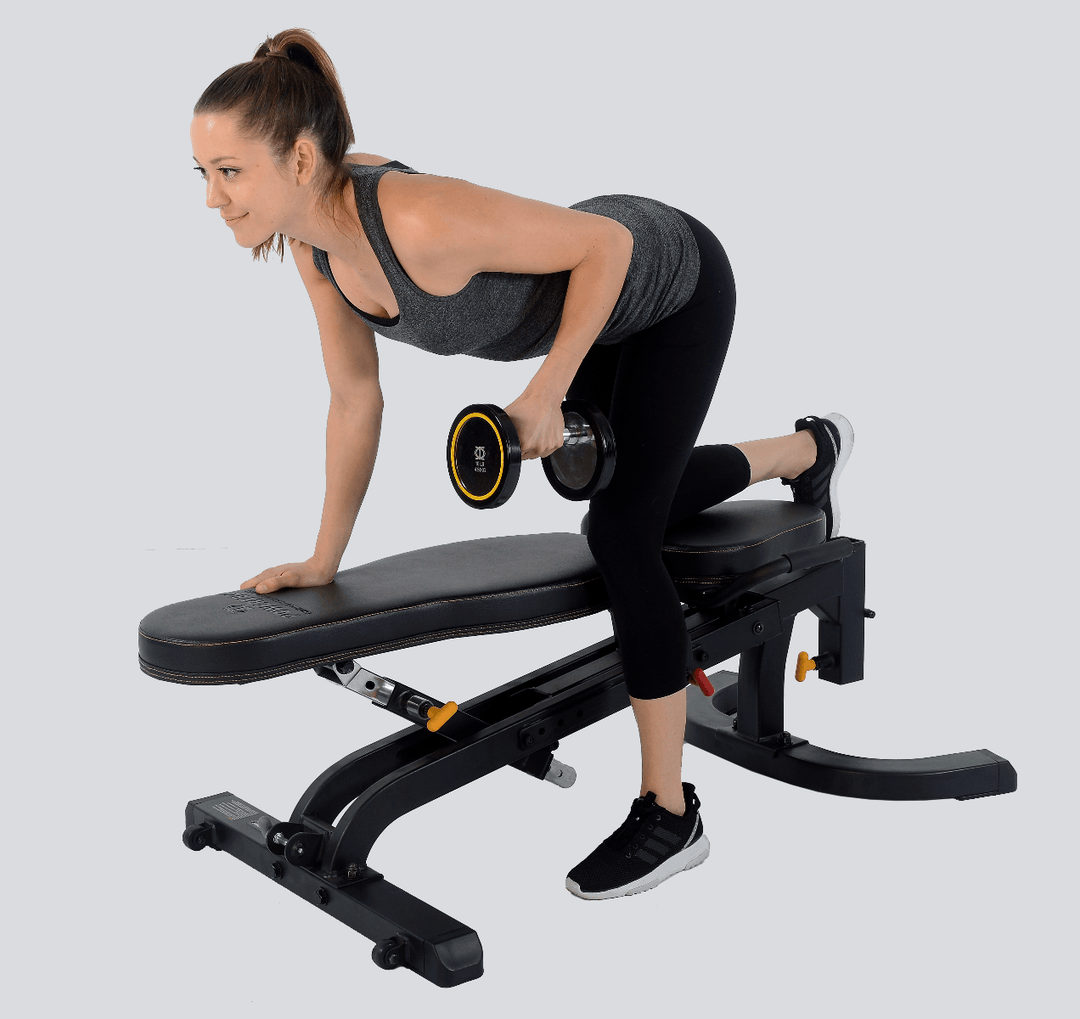
Credit: powertec.com
Choosing The Right Bench
Choosing a bench press requires checking its stability and comfort. Look for strong materials and adjustable features to suit different workouts. Safety and support help improve your exercise results.
Choosing the right bench for your workout routine can significantly impact your performance and safety. It’s not just about picking the first bench you see at the gym or store. With a variety of options available, understanding the key features can help you make an informed decision.Material And Build Quality
The material and build quality of your bench press equipment are crucial for durability and safety. Look for benches made from heavy-duty steel, as these offer robust support. A well-built bench will withstand regular use without wobbling or breaking, ensuring stability during your workouts.Adjustability Features
An adjustable bench can be a game-changer in your fitness routine. It allows you to perform a wider range of exercises by adjusting the backrest and seat. Check for easy-to-use adjustment mechanisms, so you can switch positions quickly and keep your workout fluid.Weight Capacity
Ensure the bench you choose can handle your weight plus the weight of any dumbbells or barbells you plan to use. Many benches list their weight capacity on the product description. Opt for a bench with a higher capacity than you anticipate needing, providing room for progress as you increase your lifting limits.Comfort And Padding
Comfort is key when it comes to maintaining focus and form during your bench press exercises. A bench with adequate padding will support your body and reduce pressure on your back. Test the padding thickness and firmness to ensure it suits your comfort level, keeping your workouts enjoyable and effective. Choosing the right bench isn’t just about technical specs; it’s about how it feels in your daily routine. Does it inspire confidence? Does it make you want to push harder? By focusing on these aspects, you’ll find a bench that not only supports your body but also elevates your fitness journey.Essential Accessories
Essential accessories play a crucial role in enhancing your bench press workouts. They ensure your safety, improve performance, and provide the necessary support to push your limits. Without the right gear, you risk injury and miss out on maximizing your gains.
Barbells And Plates
The heart of any bench press setup is the barbell and weight plates. Choosing the right barbell with a good grip and proper weight capacity matters for your progress and safety.
Plates come in various materials like rubber or metal. Rubber-coated plates reduce noise and protect your floor, making them ideal for home gyms. Do you know the difference between Olympic and standard plates? Olympic plates have a larger hole diameter and are more common in gyms.
Safety Clips And Collars
Safety clips and collars keep your plates secure during lifts. Without them, plates can slide off and cause accidents.
Spring clips are easy to use but may loosen over time. Locking collars offer a tighter grip and better security. Investing in quality collars can save you from unexpected mishaps.
Spotter Arms And Racks
Spotter arms provide a safety net if you fail a lift. They catch the barbell, preventing it from falling on you. Not all racks come with spotter arms, so adding them is a smart move.
Adjustable racks let you set the bar height perfectly, improving your bench press form. Have you ever struggled with setting your bar height? Proper racks reduce strain and help you lift more confidently.
Bench Press Shirts And Gloves
Bench press shirts offer extra support and can boost your lifting capacity. They compress your upper body, helping maintain proper form under heavy loads.
Gloves improve grip and protect your hands from calluses. However, some lifters prefer chalk for grip instead. What’s your grip preference? Choosing the right accessory can make a big difference in your training comfort.
Setting Up Your Bench Press Station
Setting up your bench press station correctly is key for effective workouts. The right setup helps prevent injuries and improves your lifting form. This section guides you through essential steps to create a safe, functional space for bench pressing.
Space Requirements
Choose a spot with enough room to move freely. Leave space around the bench for safe loading and unloading of weights. Ensure you have at least 3 feet of clearance on all sides. Good airflow and lighting improve workout comfort and focus.
Proper Alignment And Positioning
Place the bench so it sits flat and stable on the floor. Align the barbell rack at a height where you can reach the bar without stretching or straining. Your eyes should be directly under the bar when lying down. This helps maintain proper form and control during lifts.
Safety Considerations
- Use safety bars or spotter arms to catch the bar if you fail a lift.
- Check that the bench and rack are sturdy and free from damage.
- Keep the floor clear of weights and equipment to avoid tripping hazards.
- Use collars on the barbell to secure weight plates firmly.
- Always have a spotter nearby when lifting heavy weights.
Maintenance Tips
- Wipe down the bench and barbell after each use to remove sweat.
- Inspect bolts and screws regularly to ensure tightness.
- Lubricate moving parts like barbell sleeves for smooth rotation.
- Replace worn padding on the bench to maintain comfort and support.
- Store weights properly to prevent damage and clutter.
Techniques To Maximize Strength Gains
Maximizing strength gains with bench press gym equipment isn’t just about lifting heavier weights. It’s about how you lift, how you prepare, and how you recover. Small adjustments in your technique can lead to significant improvements in your performance and muscle growth.
Grip Variations
Your grip on the bar can change which muscles you target and how much force you generate.
- Wide Grip:Focuses more on the chest muscles but can put extra stress on your shoulders.
- Close Grip:Shifts the work to your triceps, helping you build stronger arms for pressing.
- Neutral Grip:Often easier on the wrists and shoulders, allowing for more comfortable pressing.
Try experimenting with these grips to see which feels strongest and safest for you. Have you noticed a difference in your lifts when changing your grip?
Breathing And Bracing
Breathing correctly during your bench press can improve your power output and protect your spine.
- Take a deep breath before lowering the bar and hold it while pressing up.
- Brace your core as if you’re about to get punched; this stabilizes your torso.
- Exhale forcefully once you pass the sticking point of the lift.
I used to rush my breathing and felt weaker during lifts. Once I focused on proper breathing and bracing, my control and strength noticeably improved.
Progressive Overload
Strength gains come from challenging your muscles beyond their current capacity.
- Add small increments of weight regularly—5 pounds or even 2.5 pounds can make a difference.
- Increase reps or sets gradually if adding weight isn’t an option.
- Track your progress to ensure you’re consistently pushing your limits.
What’s your strategy for increasing load? Consistency in small steps often beats trying to jump to heavier weights too quickly.
Rest And Recovery
Muscles grow and strengthen during rest, not just during workouts.
- Allow 48 to 72 hours between intense bench press sessions to avoid overtraining.
- Get quality sleep to support muscle repair and hormone balance.
- Consider light active recovery like stretching or walking to promote blood flow.
Ignoring rest can stall your progress or lead to injury. Have you tracked how your rest days affect your bench press performance?

Credit: www.walmart.com
Common Mistakes To Avoid
Bench pressing is a powerful exercise, but many make mistakes that slow progress or cause injury. Avoiding common errors improves safety and results. Focus on form, control, and preparation before lifting heavy weights.
Poor Form And Posture
Incorrect form leads to muscle strain and joint pain. Keep your feet flat on the ground and your back slightly arched. Avoid flaring your elbows out too wide. Lower the bar in a controlled way to your chest, then press up steadily.
Bad posture reduces the exercise’s effectiveness and increases injury risk. Maintain a tight core and stable shoulders throughout the lift.
Overloading Without Spotter
Lifting too much weight without a spotter is dangerous. A spotter helps prevent accidents and assists with tough reps. Never push beyond your limits alone. Gradually increase weight to build strength safely.
Overloading risks dropping the bar or muscle failure. Safety comes first in every bench press session.
Neglecting Warm-up
Skipping warm-ups tightens muscles and raises injury chances. Warm up with light weights or bodyweight exercises to prepare muscles and joints. Stretch your chest, shoulders, and arms gently before heavy sets.
A proper warm-up improves blood flow and lifts your performance during the workout.
Ignoring Accessory Muscles
Focusing only on the chest ignores important supporting muscles. Strengthen your triceps, shoulders, and back for balanced power. Ignoring these muscles causes imbalances and limits your bench press progress.
Include accessory exercises to improve stability and prevent injuries. Balanced training builds a stronger, safer bench press.
Bench Press Workouts For Different Goals
Bench press workouts can be tailored to fit a variety of fitness goals. Whether you want to build muscle, boost your strength, improve endurance, or recover from injury, adjusting your bench press routine makes a big difference. Understanding how to change sets, reps, and weight can help you reach your specific target more efficiently.
Building Muscle Mass
To grow muscle, focus on moderate to heavy weights with moderate reps. Aim for 8 to 12 reps per set with a weight that challenges you but allows good form. Rest for about 60 to 90 seconds between sets to keep muscles under tension.
Adding variety like incline or decline bench presses can target different parts of your chest. I once increased my chest size noticeably by simply adding drop sets at the end of my workout. Have you tried mixing angles to maximize muscle growth?
Increasing Max Strength
For strength, lift heavier weights with fewer reps, usually between 3 and 6 per set. Take longer rest breaks—2 to 3 minutes—to fully recover and give maximum effort each set. Focus on perfecting your technique to avoid injury while handling heavy loads.
Using accessories like wrist wraps or a belt can help stabilize your body during very heavy lifts. Tracking your progress in a training log pushes you to beat your previous max. What’s your current one-rep max on the bench press?
Endurance Training
To build endurance, use lighter weights with higher reps, around 15 to 20 per set. Keep rest periods short, about 30 to 45 seconds, to improve muscle stamina. This approach helps your muscles resist fatigue during longer workouts.
Try supersets by pairing bench presses with push-ups or dips to increase intensity. This strategy helped me push through plateaus and feel less tired during longer gym sessions. Could shorter rests transform your endurance too?
Rehabilitation And Injury Prevention
When recovering from injury or focusing on injury prevention, use very light weights or just body weight to maintain movement without strain. Perform slow, controlled reps and prioritize proper form over weight. Include mobility exercises and stretching as part of your routine.
In my experience, gradual progression and patience are key to avoiding setbacks. Consulting a physical therapist for personalized advice can make your recovery safer and faster. Are you listening closely to your body’s signals during rehab?
Budget-friendly Bench Press Options
Choosing a bench press setup without spending too much is possible. Many options fit tight budgets and still offer good quality. With smart choices, you can build a home gym that suits your needs. Explore options that save money but keep safety and function.
Affordable Benches
Affordable benches come in various styles and prices. Flat benches are usually cheaper than adjustable ones. Look for simple designs with solid frames and good padding. Brands offering budget benches often balance cost and durability well. Check for weight limits and warranty details before buying.
Diy Equipment Ideas
Building your own bench press equipment can save money. Use wood or metal parts from local stores. A sturdy bench can be made with basic tools and materials. Adding thick foam or cushions improves comfort. DIY projects require time but reduce costs significantly.
Used Equipment Market
Used gym equipment is a great way to save money. Check online marketplaces, garage sales, or local gyms. Inspect items carefully for damage or wear. Sometimes high-quality benches sell for half their original price. Buying used needs patience but can bring excellent deals.
Cost Vs. Quality Trade-offs
Lower prices often mean fewer features or lighter materials. Cheaper benches might lack adjustability or comfort. Investing a bit more can improve stability and safety. Balance your budget with what you need most. Avoid very low-cost options that risk breaking or injury.

Credit: www.amazon.com
Frequently Asked Questions
What Is Bench Press Gym Equipment Used For?
Bench press equipment is designed for upper body strength training. It targets chest, shoulders, and triceps muscles. This equipment allows controlled lifting of weights, improving muscle mass and endurance.
How Do I Choose The Right Bench Press Equipment?
Consider weight capacity, adjustability, and build quality. Choose a bench with comfortable padding and safety features. Ensure it fits your workout space and matches your fitness goals.
What Are The Benefits Of Using A Bench Press?
It builds upper body strength and muscle definition. Bench pressing improves bone density and joint stability. It also enhances overall athletic performance and posture.
Is Bench Press Equipment Suitable For Beginners?
Yes, beginners can safely use bench press equipment with proper guidance. Start with light weights and focus on correct form. Gradually increase weight to avoid injury.
Conclusion
Choosing the right bench press gym equipment helps build strength safely. It supports different workouts for chest, shoulders, and arms. Always pick sturdy and comfortable gear for the best results. Regular use improves muscle tone and overall fitness. Keep your form correct to avoid injuries and gain benefits.
Simple equipment can fit any home or gym space. Start with basic tools and grow your routine over time. Consistency and care bring steady progress and health. Your bench press setup shapes your fitness journey.







