
Working night shifts can be tough on your body and mind. You might find yourself feeling tired, disconnected, or unmotivated as the hours drag on.
But staying motivated during those late, quiet hours is possible—and it can make a big difference in how you feel and perform. You’ll discover simple, practical tips that help you keep your energy up and your focus sharp. Ready to turn those challenging nights into productive, even rewarding ones?
Let’s dive in.
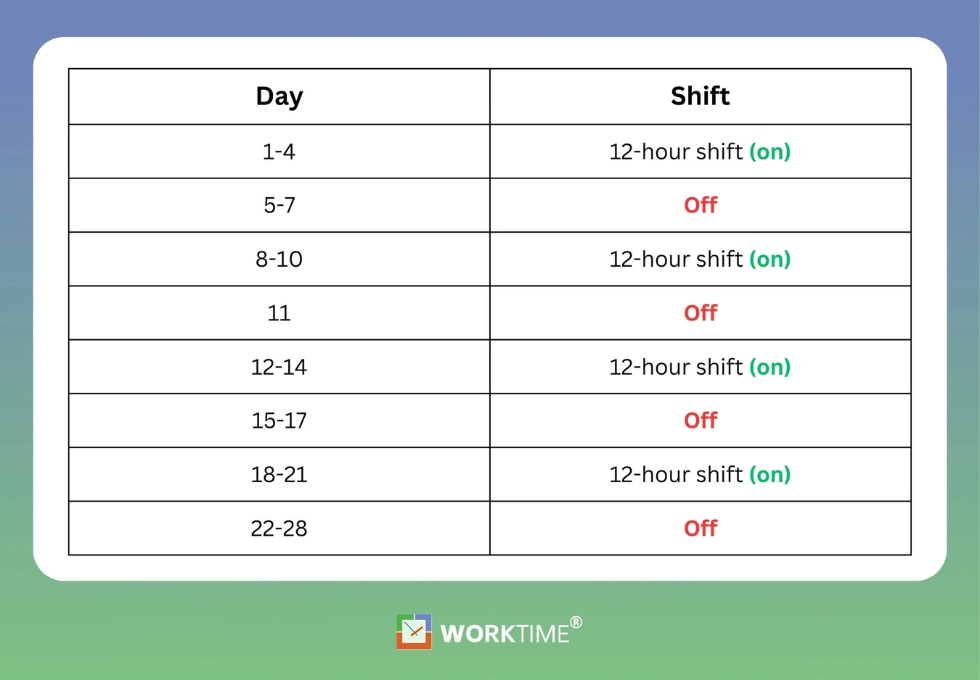
Credit: www.worktime.com
Challenges Of Night Shifts
Night shifts bring unique challenges that affect daily life. Working through the night changes your body’s natural rhythm. It can impact sleep, mood, and overall health. These challenges make staying motivated harder. Understanding these problems helps you find ways to manage them better.
Impact On Sleep Patterns
Night shifts disrupt the body’s internal clock. This makes falling asleep during the day difficult. Sleep quality often decreases, causing tiredness. Many workers struggle with irregular sleep schedules. Poor sleep leads to reduced alertness at work. It also affects memory and decision-making skills.
Effects On Mental Health
Working at night can increase feelings of stress and anxiety. Isolation from friends and family adds to loneliness. Mood swings and irritability are common among night workers. The lack of natural sunlight can lower energy and motivation. Over time, these effects can lead to depression.
Physical Health Concerns
Night shift work raises risks for several health problems. Digestive issues often occur due to irregular eating times. Some workers experience headaches and muscle pain. Long-term night shifts may increase heart disease risk. Lack of exercise and poor diet make these problems worse.
Credit: taehaahr.medium.com
Creating A Sleep-friendly Environment
Working night shifts can turn your sleep schedule upside down, making it crucial to create a sleep-friendly environment. A good sleep setting can drastically improve the quality of your rest, ensuring you’re ready to tackle your night shift with energy. Let’s explore how you can transform your bedroom into a sanctuary that promotes deep and uninterrupted sleep.
Darkening Your Room
Your body relies on darkness to produce melatonin, the hormone that regulates sleep. Consider using blackout curtains to keep your room pitch black even during the brightest part of the day. If curtains aren’t enough, a comfortable sleep mask can be a simple yet effective solution.
I once used aluminum foil on my windows to block out every trace of light, which worked wonders. How far are you willing to go to ensure your room stays dark? Small efforts can yield big results.
Using White Noise
Ambient sounds can be a savior when it comes to blocking out daytime noise. A white noise machine, fan, or even an app on your phone can create a consistent sound environment. This helps drown out disturbances like traffic or noisy neighbors.
I found that a simple fan not only cooled my room but also created a soothing hum. What’s your sound of choice to drift into slumber? Experiment to find what works best for you.
Maintaining A Consistent Sleep Schedule
Your body thrives on routine, even if your work hours are unconventional. Try to go to bed and wake up at the same time every day, including days off. This consistency helps regulate your internal clock, making it easier to fall asleep and wake up naturally.
Initially, this might feel restrictive, but the payoff is in how you feel during your shifts. Are you ready to commit to a sleep schedule that supports your health and productivity? Your body will thank you.
Nutrition And Hydration Tips
Eating right and drinking enough water are key for staying alert on night shifts. Good nutrition helps your body fight tiredness and keeps energy steady. Drinking water stops dehydration, which can make you feel weak or dizzy. Smart food and drink choices support your focus and mood during long hours.
Healthy Meal Choices
Choose foods that release energy slowly. Whole grains like brown rice and oats work well. Add lean proteins such as chicken, fish, or beans. Fresh fruits and vegetables provide vitamins and fiber. Avoid heavy, greasy meals that cause sluggishness. Small, balanced meals can keep energy up without discomfort.
Timing Your Meals
Eat before your shift starts to fuel your body. Have a light snack in the middle of your shift to avoid hunger. Avoid large meals late in the shift to help you sleep later. Try to keep meal times consistent to help your body adjust. Plan meals around your work schedule for best results.
Staying Hydrated
Drink water regularly throughout your shift. Aim for at least eight cups or two liters daily. Avoid caffeine late in the shift to prevent sleep problems. Limit sugary drinks that cause energy spikes and crashes. Herbal teas or water with lemon add flavor without extra calories.
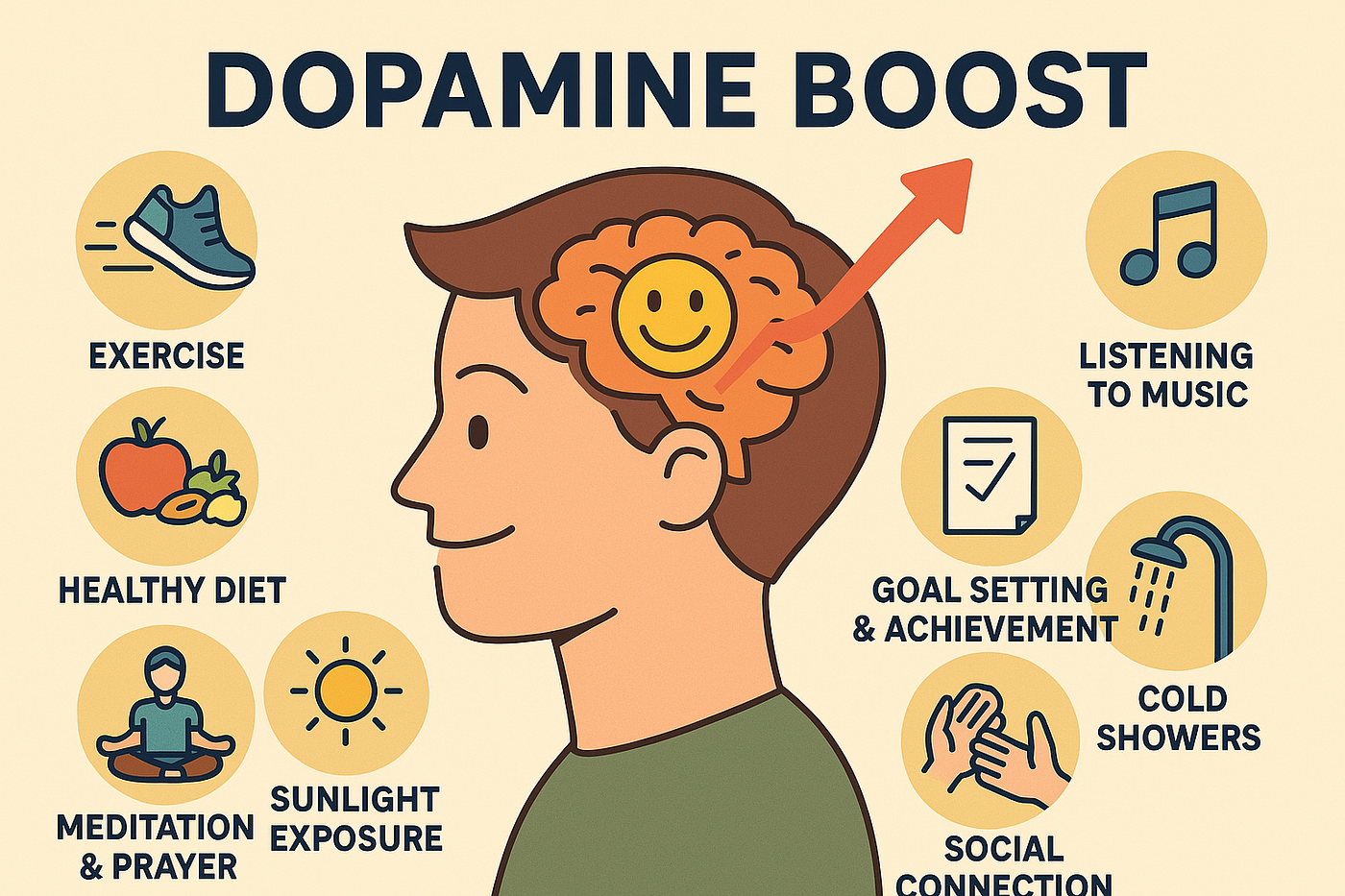
Credit: medium.com
Effective Energy Management
Managing your energy well during night shifts can make a big difference in how you feel and perform. It’s not just about staying awake; it’s about using your energy wisely so you stay alert without burning out. Small changes in how you rest, consume caffeine, and take breaks can help you maintain steady energy levels throughout the night.
Strategic Napping
Short naps can be your secret weapon during night shifts. A quick 20-30 minute nap before starting your shift can boost your alertness. Even a brief rest during breaks helps reset your brain and reduces fatigue.
Try to avoid long naps that leave you groggy. Set an alarm to keep naps short and refreshing. Have you noticed how a well-timed power nap can make you feel sharper instantly?
Caffeine Use Guidelines
Caffeine helps, but only if you use it right. Drinking coffee or tea early in your shift can boost focus and energy. Avoid caffeine in the last few hours of your shift to prevent sleep problems later.
Try to limit caffeine to 200-300 mg per shift—that’s about two to three cups of coffee. Drinking too much can cause jitters and crashes, making you feel worse. Have you tracked how your caffeine intake affects your energy and sleep?
Taking Breaks Wisely
Breaks are not just for resting; they are key moments to recharge. Use breaks to stretch, walk, or do light exercises to get blood flowing. Sitting still for too long can make you feel sluggish.
Plan your breaks to avoid long periods of continuous work. Short, frequent breaks help maintain steady energy and focus. What small activities during your breaks have you found most refreshing?
Building A Support System
Building a support system is essential when working night shifts. It helps you stay motivated and balanced through the unique challenges that come with unusual hours. Having people who understand your schedule and struggles can make a significant difference in your mental and emotional well-being.
Communicating With Family And Friends
Let your family and friends know about your night shift schedule clearly. Share the challenges you face, like feeling tired or missing daytime activities. This helps them understand why you might need quiet time or extra rest during the day.
Try setting specific times to catch up, even if it’s brief. A quick phone call or text can keep your relationships strong. Have you told someone close how your night shifts affect your mood or energy?
Connecting With Coworkers
Your coworkers on night shifts experience many of the same struggles. Building friendships with them can create a support network at work. Chatting during breaks or sharing tips about managing fatigue makes the night feel less lonely.
Consider forming a small group for mutual encouragement or even social activities outside of work. These connections can boost your morale and offer practical advice tailored to your job. How often do you reach out to your night shift colleagues?
Seeking Professional Help When Needed
Sometimes, the strain of night shifts can affect your mental health more than you expect. Don’t hesitate to seek help from a counselor or therapist if you notice signs of stress, anxiety, or depression. Professional support can provide tools to cope better.
Many workplaces offer employee assistance programs—check if this is available to you. Remember, asking for help is a sign of strength, not weakness. What steps can you take today to prioritize your mental health?
Incorporating Physical Activity
Incorporating physical activity during night shifts helps maintain energy and focus. Moving your body breaks the monotony and fights fatigue. It also improves mood and reduces stress, making long hours easier.
Simple Exercises During Breaks
Short exercises can fit easily into breaks. Try these:
- Walking around the break room or hallway
- Marching in place for a few minutes
- Light jumping jacks or toe touches
- Arm circles and shoulder shrugs
These activities increase blood flow and refresh your mind. They need little space and no equipment.
Benefits Of Regular Workouts
Regular exercise boosts stamina and strength. It helps your body handle odd hours better. You sleep more soundly after physical activity. Your immune system gets stronger. Regular workouts keep you alert and less tired during night shifts.
Stretching To Reduce Fatigue
Stretching eases muscle tension from sitting or standing long. Simple stretches can relieve neck, back, and leg pain. Try these stretches:
- Neck tilts and rotations
- Forward bends to stretch the back
- Calf raises and ankle circles
- Shoulder rolls and arm stretches
Stretching restores flexibility and reduces stiffness. It refreshes your body and helps maintain focus.
Mental Health And Motivation Strategies
Working night shifts can take a toll on your mental health and motivation. Staying positive and focused during those long hours requires more than just physical endurance. You need strategies that nurture your mind while keeping your energy up.
Setting Small Goals
Breaking your shift into smaller tasks can make the night feel less overwhelming. Instead of thinking about the entire shift, focus on completing one task at a time.
Set simple, clear goals like finishing a report or organizing your workspace before the next break. Achieving these gives you a sense of progress and keeps your motivation alive.
Have you tried writing down your goals at the start of your shift? It can boost your focus and give you something to celebrate frequently.
Practicing Mindfulness
Mindfulness helps you stay present and reduce stress during night shifts. Taking even a few minutes to breathe deeply or do a quick meditation can reset your mind.
Try simple mindfulness exercises like focusing on your breath or paying attention to your surroundings without judgment. This can calm your thoughts and improve concentration.
Have you noticed how a calm mind helps you tackle tasks more efficiently? Practicing mindfulness can be a powerful tool to keep your mental health strong.
Rewarding Yourself
Motivation gets a boost when you give yourself something to look forward to. Plan small rewards after completing your goals, like a favorite snack or a short walk outside.
These rewards don’t have to be big; even a few minutes of your favorite music or a quick chat with a colleague can lift your spirits.
Think about what makes you feel good during or after a shift. Adding these rewards can turn tough nights into manageable and even enjoyable ones.
Adapting Lifestyle Habits
Adjusting your lifestyle habits is key to staying motivated during night shifts. These habits affect your energy, mood, and overall health more than you might think. Simple changes can make a big difference in how well you adapt to working when others are asleep.
Limiting Screen Time Before Sleep
Exposure to screens before sleep can disrupt your natural sleep cycle. Try to avoid phones, tablets, and computers at least an hour before bed. Instead, read a book or listen to calming music to help your brain wind down.
Have you noticed how scrolling through social media late at night leaves you feeling wired rather than relaxed? Cutting back on screen time can improve the quality of your sleep, making your waking hours more productive.
Managing Social Life
Night shifts can make socializing tough, but maintaining connections is important for your mental health. Schedule regular catch-ups during your off-hours or weekends to keep your relationships strong.
Communicate your work hours clearly to friends and family so they understand your availability. This helps reduce frustration on both sides and keeps your social life balanced.
Balancing Work And Rest
Rest isn’t just about sleep—it’s about giving your body and mind time to recover. Plan short breaks during your shift to recharge, even if it’s just a few minutes away from your workstation.
Creating a consistent sleep schedule, even on your days off, helps stabilize your internal clock. Have you tried setting alarms for both waking and sleeping times to keep your routine steady?
Frequently Asked Questions
How Can I Stay Motivated During Night Shifts?
Stay motivated by setting clear goals, taking regular breaks, and maintaining a healthy routine. Use positive self-talk and rewards to boost morale. Staying connected with colleagues also helps keep energy and focus high throughout the night.
What Are The Best Foods For Night Shift Workers?
Eat light, balanced meals rich in protein, healthy fats, and complex carbs. Avoid heavy, greasy foods that cause sluggishness. Snack on nuts, fruits, and yogurt to maintain energy without disrupting sleep later.
How Can I Improve Sleep Quality After Night Shifts?
Create a dark, quiet sleep environment and stick to a consistent sleep schedule. Avoid caffeine and screens before bed. Use blackout curtains and white noise machines to improve rest after night shifts.
What Exercises Help Maintain Energy During Night Shifts?
Opt for light exercises like stretching, walking, or yoga during breaks. These activities boost circulation and reduce fatigue. Avoid intense workouts that can increase tiredness and disrupt your sleep cycle.
Conclusion
Staying motivated during night shifts takes effort and care. Rest well to keep your energy up. Eat healthy meals to feel stronger. Take short breaks to refresh your mind. Set small goals to stay focused and busy. Remember, your work matters and helps others.
Keep a positive mindset to fight tiredness. These steps make night shifts easier to handle. You can stay motivated and do your best every night.







