
Are you ready to simplify your meals and boost your energy? The 30-Day Carnivore Diet Meal Plan for Beginners is designed just for you.
Imagine cutting out the guesswork and having a clear, easy-to-follow guide that takes the stress out of meal choices. This plan focuses on real, satisfying foods that can help you feel stronger and more focused every day. Stick with me, and by the end of this article, you’ll have everything you need to start your carnivore journey with confidence and clarity.
Let’s dive in!
Carnivore Diet Basics
Starting the carnivore diet can feel like stepping into a new world of eating. Understanding the basics helps you avoid confusion and sets a strong foundation. Let’s break down what this diet really involves and what you can expect.
Core Principles
The carnivore diet focuses solely on animal-based foods. You eat primarily meat, fish, eggs, and some animal fats. No plants, fruits, or vegetables are included.
Your meals will mainly consist of beef, pork, chicken, and seafood. Some people add dairy like cheese or butter if they tolerate it well.
Water, salt, and sometimes bone broth are the only drinks you consume. The goal is to eliminate carbs and plant compounds to see how your body responds.
Health Benefits
Many people report clearer skin, better digestion, and increased energy after switching to carnivore. Removing plants can reduce inflammation and autoimmune symptoms for some.
One surprising benefit I noticed was improved mental focus. Cutting out sugar and carbs helped me avoid energy crashes during the day.
Weight loss often happens naturally because protein and fat keep you full longer. But remember, results vary—what worked for me might be different for you.
Common Myths
One myth is that the carnivore diet lacks nutrients. While it cuts out many foods, meat provides essential vitamins like B12, iron, and zinc.
Another misconception is that it’s all about eating endless steaks. You actually need variety in your animal foods to get a broad range of nutrients.
Some say the diet is unhealthy because it’s “high in fat.” Yet, many find their cholesterol and blood markers improve. Have you checked how your body reacts instead of assuming?
Credit: www.amazon.co.uk
Getting Started
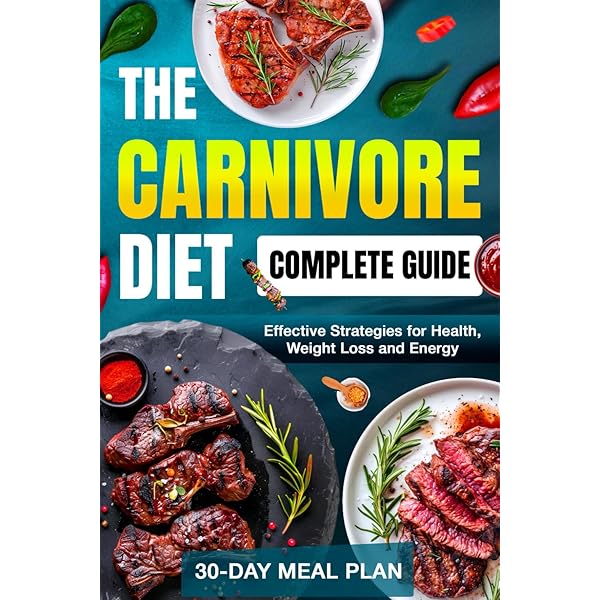
Starting the 30-day carnivore diet plan means focusing on animal-based foods only. This eating style removes all plant foods, so your choices become very specific. Knowing what to eat and what to avoid helps you stay on track and feel your best.
Preparation is key. Planning meals and shopping smartly saves time and reduces stress. The goal is simple: eat nutrient-dense, animal-based foods that fuel your body.
Essential Foods
- Beef: ground, steaks, roasts
- Pork: chops, bacon, ribs
- Chicken: thighs, breasts, wings
- Eggs: whole, free-range preferred
- Fish: salmon, sardines, mackerel
- Organ meats: liver, kidney, heart
- Butter and animal fats for cooking
- Bone broth for added nutrients
Foods To Avoid
- All fruits and vegetables
- Grains: wheat, rice, oats
- Legumes: beans, lentils, peas
- Sugars and sweeteners
- Processed foods and snacks
- Plant-based oils like canola or soybean
- Dairy products except butter and heavy cream (optional)
Shopping Tips
- Buy fresh meat in bulk for savings
- Choose fatty cuts for more energy
- Visit local butcher for quality products
- Check labels for added sugars or fillers
- Freeze portions to avoid waste
- Include variety: mix different meats and organs
- Stock up on eggs and bone broth
Meal Planning Strategy
Embarking on a 30-day carnivore diet requires a solid meal planning strategy. This approach ensures nutritional balance and supports your goals. Focusing on simplicity and consistency can make the transition smoother.
Daily Meal Structure
Structure your meals around high-quality animal products. Aim for three balanced meals each day. Breakfast could include eggs and bacon. For lunch, consider a steak or grilled chicken. Dinner might feature fish or lamb chops. This variety keeps meals exciting and nutritionally rich.
Portion Sizes
Portion sizes matter on the carnivore diet. Start with moderate portions to avoid overeating. Use palm-sized servings as a guide. Adjust based on hunger levels and daily activity. Listen to your body’s cues for satiety.
Hydration Tips
Hydration is essential, especially on a meat-focused plan. Drink plenty of water throughout the day. Herbal teas and bone broth can also support hydration. Avoid sugary drinks to maintain diet integrity.
30-day Meal Plan Breakdown
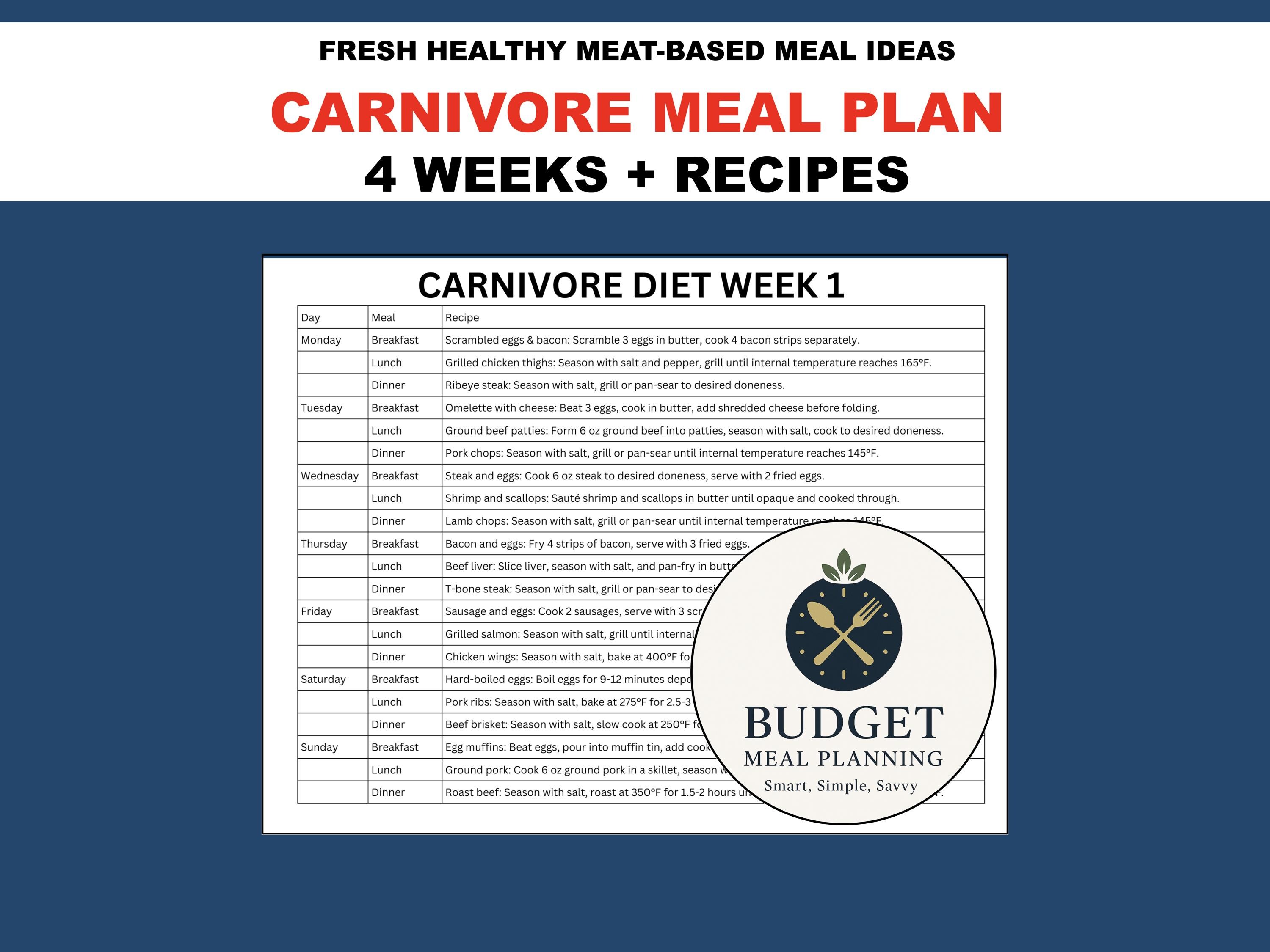
The 30-day carnivore diet meal plan breaks down the transition into clear, manageable phases. Each week focuses on a specific goal to help your body adjust and thrive. This structure supports steady progress and maintains motivation throughout the month.
Starting simple and gradually adding variety helps you avoid overwhelm. The plan builds habits that last beyond the 30 days. A clear routine makes the carnivore lifestyle easier to follow.
Week 1: Adaptation Phase
Focus on pure animal foods to help your body switch fuel sources. Eat mostly beef, pork, chicken, and eggs. Avoid any plant-based foods to minimize digestive stress.
- Breakfast: Eggs and bacon
- Lunch: Grilled steak
- Dinner: Roasted chicken thighs
- Snacks: Pork rinds or beef jerky
Drink plenty of water and add salt for electrolyte balance. Expect some fatigue or cravings as your body adapts.
Week 2: Building Momentum
Introduce more variety in animal proteins to keep meals interesting. Include fish like salmon or sardines for omega-3 fats. Start experimenting with different cuts and cooking methods.
- Breakfast: Omelette with cheese
- Lunch: Pan-fried salmon
- Dinner: Lamb chops
- Snacks: Hard-boiled eggs or cheese slices
Energy levels often improve this week. Continue to avoid carbs and plants entirely.
Week 3: Routine And Variety
Establish a routine that fits your lifestyle. Plan meals ahead to stay on track. Add organ meats like liver for nutrients. Keep experimenting with spices and cooking styles.
- Breakfast: Scrambled eggs with liver pâté
- Lunch: Beef burgers (no bun)
- Dinner: Roasted duck breast
- Snacks: Cheese or bone broth
Notice improvements in digestion and mental clarity. The routine becomes easier.
Week 4: Optimization
Fine-tune your diet based on how you feel. Adjust portion sizes and meal timing. Add variety to keep your palate satisfied. Focus on nutrient-dense cuts and quality sources.
- Breakfast: Ribeye steak and eggs
- Lunch: Slow-cooked beef brisket
- Dinner: Grilled pork ribs
- Snacks: Bone marrow or gelatin snacks
By now, your body adapts fully to carnivore eating. Enjoy improved energy, digestion, and focus.
Recipe Ideas
Sticking to a 30-day carnivore diet means your meals revolve around animal-based foods, but that doesn’t mean your menu has to be boring. You can create variety with simple ingredients and easy recipes that keep your taste buds interested and your body fueled. Here are some recipe ideas to help you plan your meals without stress.
Simple Breakfasts
Breakfast on a carnivore diet can be quick and satisfying. Think about eggs cooked in butter or bacon for a rich start. You might also try a steak and eggs combo for a protein-packed morning.
- Scrambled eggs with crispy bacon
- Pan-fried liver with a side of eggs
- Omelet filled with shredded cheese (if dairy is tolerated)
Have you noticed how a hearty breakfast impacts your energy? Starting with protein can keep hunger at bay longer than carbs.
Hearty Lunches
Lunches can be simple yet filling. Grilled or roasted meats work well, and you can add bone broth for extra nutrients. A quick ground beef skillet with seasoning is an easy go-to that you can prepare in minutes.
- Grilled ribeye steak with a beef bone broth
- Ground beef sautéed with salt and pepper
- Cold sliced roast beef rolled with cheese (if included in your plan)
Think about the last time you felt truly full and satisfied after lunch. Does a heavy, meat-focused meal change your afternoon energy?
Satisfying Dinners
Dinner is your chance to enjoy richer cuts and slow-cooked meals. Braising short ribs or roasting a whole chicken can fill your plate with flavor and nutrition. Don’t shy away from organ meats—they’re nutrient-dense and can add variety.
- Slow-cooked beef short ribs
- Roasted whole chicken with crispy skin
- Pan-seared liver with melted butter
What would happen if you made dinner the most satisfying meal of your day? It might help you stick to the diet more easily.
Snacks And Extras
Snacking on the carnivore diet is straightforward but important for some. Jerky, pork rinds, or hard-boiled eggs are great choices. You can also enjoy cheese or bone marrow if you tolerate dairy and want a treat.
- Beef jerky with no added sugar
- Pork rinds for crunch
- Hard-boiled eggs for quick protein
- Bone marrow roasted with a pinch of salt
Are your snacks helping you avoid overeating at meals, or are they just filling time? Choosing the right carnivore snacks can make a big difference.
Tracking Progress
Tracking progress is key to success on the 30-day carnivore diet. It helps you see how your body reacts and guides necessary changes. Monitoring your journey keeps you motivated and aware of important shifts.
Monitoring Energy Levels
Energy changes often show how well your body adapts. Note daily energy highs and lows. Write down the times you feel most active and when you feel tired. This helps spot patterns linked to your meals. Consistent energy means your body is adjusting well.
Tracking Weight Changes
Weight is a simple way to measure progress. Weigh yourself at the same time each day or week. Record your weight to observe trends. Keep in mind, weight can fluctuate due to water and muscle changes. Focus on overall trends, not daily numbers.
Adjusting The Plan
Use your notes on energy and weight to fine-tune the diet. Feeling low on energy? Add more fats or change meal timing. Not seeing weight changes? Adjust portion sizes or types of meat. Small changes help improve results and comfort during the plan.
Handling Challenges
Starting the 30-day carnivore diet can bring some challenges. Staying on track needs effort and a plan. Understanding common difficulties helps to stay motivated and consistent.
This section covers ways to handle cravings, social situations, and plateaus. Each part offers simple tips to keep your progress steady and stress low.
Dealing With Cravings
Cravings for carbs or sweets are normal at first. Focus on eating enough fat and protein to feel full. Drinking water helps reduce hunger signals.
- Keep snacks like boiled eggs or beef jerky ready.
- Distract yourself with a walk or a hobby.
- Remember cravings often pass within 10-15 minutes.
Stay patient. Your body adjusts to the new fuel source over time.
Managing Social Situations
Eating out or attending events can be tricky. Plan your meals ahead to avoid stress. Choose restaurants with meat-focused options like steak or grilled chicken.
- Bring a simple carnivore-friendly snack if allowed.
- Politely explain your diet if asked; keep it short.
- Focus on the social time, not just the food.
Being prepared helps you stay on track without feeling left out.
Overcoming Plateaus
Weight loss or energy may stall during the diet. This is normal and not a sign to quit. Track your meals and adjust portion sizes if needed.
- Increase fat intake for more calories if feeling low energy.
- Try changing meal timing or include intermittent fasting.
- Rest and sleep well to support recovery.
Stay consistent. Plateaus often break after small tweaks.
Credit: www.etsy.com
Carnivore Diet Tips
Starting the carnivore diet can feel like a big change, but a few smart tips can help you stay on track and enjoy the process. Paying attention to your body’s needs and planning ahead can make the transition smoother. Let’s look at some practical advice that can support your 30-day journey.
Supplements To Consider
The carnivore diet focuses on animal-based foods, which cover most nutrients but might miss a few essentials. You may want to add a vitamin D supplement, especially if you don’t get much sun. Electrolyte balance is also key—consider magnesium and potassium supplements to avoid cramps and fatigue.
Omega-3 supplements can help if your meat choices are mostly from grain-fed animals. Collagen or gelatin powders support joint and skin health and fit well with carnivore eating. Have you noticed any new aches or low energy? Those might be signs you need to tweak your supplement intake.
Eating Out Strategies
Eating out on a carnivore diet can be tricky but definitely doable. Look for restaurants with simple meat dishes like grilled steak, burgers without buns, or rotisserie chicken. Don’t hesitate to ask for modifications—most places will accommodate requests to skip sauces or sides.
Keep an eye on hidden ingredients like sugar or vegetable oils in dressings and sauces. Carrying a small container of animal fat or butter can help you add flavor and fat to lean cuts. What’s your go-to dish when you don’t have a kitchen at hand?
Maintaining Long-term Success
Long-term success on the carnivore diet comes down to variety and listening to your body. Rotate different cuts of meat and animal products to avoid boredom and nutrient gaps. Pay attention to how you feel after meals and adjust portions or food types accordingly.
Tracking your progress with a journal or app can help spot patterns in energy, mood, and digestion. Don’t forget to celebrate small wins and stay flexible—some days might be easier than others. Are you ready to commit to this way of eating beyond 30 days?

Credit: www.amazon.com
Frequently Asked Questions
What Foods Are Allowed On A 30-day Carnivore Diet?
The 30-day carnivore diet allows only animal-based foods. This includes beef, pork, chicken, fish, eggs, and animal fats. Dairy is optional but limited to low-lactose products like hard cheese. Avoid all plant-based foods, grains, and sugars for best results.
How Do I Start A 30-day Carnivore Diet Plan?
Begin by removing all plant foods from your meals. Focus on eating meat, fish, eggs, and animal fats. Stay hydrated and listen to your body’s hunger signals. Plan simple meals and gradually adjust to the high-protein, zero-carb lifestyle.
What Are Common Benefits Of The Carnivore Diet?
Many experience weight loss, improved mental clarity, and reduced inflammation. The diet can simplify meal planning and reduce cravings. Some report better digestion and fewer autoimmune symptoms. However, benefits vary and depend on individual health.
Can I Exercise While On A Carnivore Diet?
Yes, you can exercise during the carnivore diet. Focus on strength training and moderate cardio. Your energy levels may fluctuate initially but usually stabilize. Proper hydration and electrolyte balance are essential to support physical activity.
Conclusion
This 30-day carnivore diet meal plan helps beginners start strong. You get clear, simple meals to follow every day. Eating mostly meat can support energy and health for many. Stick to the plan and listen to your body’s signals. Adjust meals if needed, and keep meals varied to avoid boredom.
Remember, consistency is key for any diet to work well. Enjoy the process of trying new foods and habits. This plan offers a solid base for your carnivore journey.







