
Are you tired of clutter taking over your workout space? Imagine having a gym that feels open, organized, and ready for action every time you walk in.
Gym equipment hanging solutions can transform your space, making your gear easy to find and keeping your floor clear. You’ll discover simple, effective ways to hang your equipment that save space and boost your workout motivation. Keep reading to find out how a few smart changes can make your gym feel brand new.

Credit: www.amazon.ca
Benefits Of Hanging Gym Equipment
Hanging your gym equipment offers several practical benefits that can improve your workout space and routine. It’s not just about neatness—organizing gear off the floor changes how you use your space and care for your tools. Let’s look at how hanging equipment can transform your gym area.
Maximizing Floor Space
Hanging gym equipment frees up valuable floor space, giving you more room to move during workouts. Instead of navigating around scattered weights or mats, you create a clear, open area. This extra space can make your exercises safer and more comfortable.
Think about how much easier it is to do stretches or bodyweight exercises when the floor is clear. You might even find room for new workout gear or a small cardio machine you didn’t have space for before. How much could your routine improve with just a bit more breathing room?
Protecting Equipment Longevity
When equipment sits on the floor, it faces risks like moisture, dust, and accidental damage. Hanging gear keeps it off damp or dirty surfaces, which can extend its lifespan. This is especially true for items like resistance bands, jump ropes, and dumbbells.
In my own experience, hooks for kettlebells and racks for yoga mats prevented wear and tear that would have meant replacing them sooner. Taking a moment to hang your gear can save you money and hassle over time. What would it mean for your budget to keep your equipment in top shape longer?
Enhancing Workout Area Safety
Cluttered floors increase the chances of trips and falls during workouts. Hanging equipment reduces these hazards by keeping the floor clear and organized. This makes your gym safer, especially when you’re moving quickly or lifting heavy weights.
Properly stored equipment also means you won’t have to dig around, risking injury by lifting awkwardly or dropping items. Have you noticed how a tidy space changes your confidence and focus during exercise? Safety and peace of mind go hand in hand.
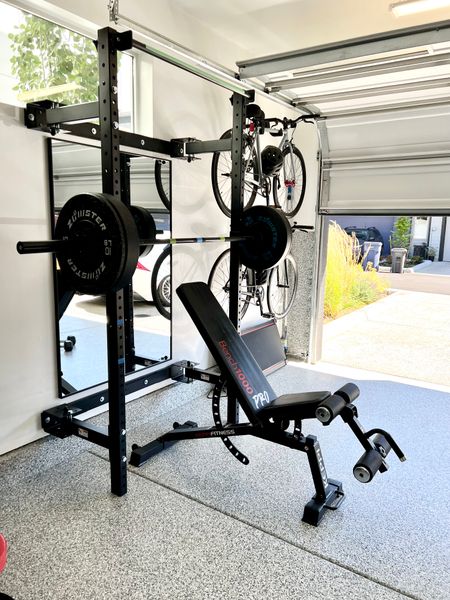
Credit: prxperformance.com
Types Of Gym Equipment To Hang
Hanging gym equipment saves space and keeps your workout area tidy. Common items to hang include resistance bands, jump ropes, and weight belts. Hooks and wall racks help organize gear for easy access during exercise.
Types of Gym Equipment to Hang Organizing your gym space is key for a smooth workout. Hanging gym equipment can save space and keep things tidy. It’s perfect for home gyms with limited room. Let’s explore some equipment you can easily hang.Resistance Bands And Ropes
Resistance bands are lightweight and versatile. Hanging them prevents tangling and extends their life. Use hooks or wall-mounted racks for easy access. Ropes, like battle ropes, also benefit from hanging. It keeps them from tangling and maintains their condition.Weights And Dumbbells
Dumbbells can clutter your gym floor. Wall racks help organize them neatly. Hanging options are also available for kettlebells. This keeps your workout area safe and tidy. Wall-mounted options save floor space and make cleaning easier.Jump Ropes And Suspension Trainers
Jump ropes should hang to avoid tangles. A simple hook or peg works well. Suspension trainers like TRX can also hang conveniently. This saves space and keeps them ready for your next workout. Keeping them off the floor reduces wear and tear.Popular Hanging Storage Solutions
Hanging storage solutions transform your workout space by keeping equipment off the floor and within easy reach. They help you save space and maintain a clean, organized environment that motivates you to stay active. Let’s look at some popular options that can fit different needs and room sizes.
Wall-mounted Hooks And Racks
Wall-mounted hooks and racks are simple but highly effective. You can hang resistance bands, jump ropes, kettlebells, or even dumbbells on sturdy hooks. These keep your gear visible and accessible, which often means you’re more likely to use them regularly.
I once installed a set of hooks for my boxing gloves and jump rope. It made a huge difference—no more digging through piles or losing gear. Plus, they’re easy to install and can be customized to fit your specific equipment.
Ceiling-mounted Systems
Ceiling-mounted storage is perfect if wall space is limited or you want to maximize every inch of your gym. These systems can hold heavy items like medicine balls or weight plates. They also keep bulky equipment like suspension trainers neatly out of the way.
Think about your ceiling height and what you use most often before choosing this option. Are you comfortable reaching up to grab your gear? Ceiling mounts give you extra floor space but require careful planning to avoid inconvenience.
Pegboards And Slatwalls
Pegboards and slatwalls offer flexible, customizable storage options. You can rearrange hooks, shelves, and baskets to accommodate different types of equipment. This adaptability is great if your collection of gym gear changes frequently.
One of the best things about pegboards is how they turn a blank wall into a smart storage zone. You can hang jump ropes, gloves, towels, and even small weights all in one place. Ask yourself: Would you prefer a setup that evolves with your workout routine?
Diy Hanging Storage Ideas
Creating your own gym equipment hanging storage saves space and keeps gear organized. DIY options often cost less and fit your specific needs. Simple materials and household items can turn clutter into order. Let’s explore some easy ideas to hang and store gym equipment effectively.
Using Pvc Pipes And Hooks
PVC pipes offer a cheap, strong base for hanging racks. Cut pipes to size and attach hooks for weights and bands. Mount the pipes horizontally or vertically on walls. This setup keeps gear visible and easy to reach.
- Use 1-2 inch PVC pipes for durability.
- Drill holes for hooks or pegs.
- Secure pipes with wall brackets or screws.
- Hang dumbbells, resistance bands, jump ropes, and more.
This method is customizable and fits many equipment types.
Repurposing Household Items
Old furniture and everyday objects can become smart storage solutions. Use wooden ladders as vertical racks or shoe organizers for small gear. Pegboards work well for hooks and adjustable storage.
- Turn a ladder into a weight or mat holder.
- Use a pegboard for hanging kettlebells and ropes.
- Repurpose baskets or crates for balls and gloves.
- Mount towel racks to hold yoga mats or foam rollers.
These ideas reduce waste and add character to your gym space.
Customizable Modular Storage
Modular storage systems allow flexible arrangements that grow with your needs. Use stackable cubes, wall grids, or slatwalls to create hanging spots. Change the layout anytime without hassle.
- Choose lightweight, sturdy materials like plastic or metal.
- Add hooks, baskets, and shelves to the base units.
- Combine vertical and horizontal storage options.
- Make space for all equipment sizes and shapes.
This option suits people who want easy reconfiguration and neat results.
Installation Tips For Hanging Equipment
Installing gym equipment on your walls can save space and keep your workout area organized. However, it requires careful planning to ensure safety and durability. Paying attention to the right installation details can prevent accidents and extend the life of your equipment.
Choosing The Right Wall Anchors
Not all wall anchors are created equal. The type of wall you have—drywall, concrete, or brick—determines which anchors will hold your equipment securely.
For drywall, toggle bolts or molly bolts work best because they spread the load behind the wall. Concrete and brick walls require heavy-duty expansion anchors or sleeve anchors for a firm grip.
Think about the equipment you’ll hang. Heavier items need stronger anchors. Have you checked what your wall can support before drilling?
Ensuring Weight Capacity
Every piece of hanging gym equipment has a weight limit, and so does your wall and anchors. It’s crucial to match or exceed these limits to avoid accidents.
Look for manufacturer specifications on both the equipment and the hardware you use. Don’t guess—measure the combined weight of the equipment plus any additional load during use.
Overestimating weight capacity can lead to dangerous failures. Are you comfortable with the numbers, or is it time to upgrade your anchors?
Safe Placement And Accessibility
Where you hang your equipment affects how often you’ll use it and how safe your workouts will be. Place items at heights that are easy to reach without stretching or bending awkwardly.
Keep pathways clear and avoid crowded walls to prevent injuries. Think about the flow of your workout space—can you grab what you need without risk?
Consider lighting and visibility too. Is the area well-lit so you can see what you’re doing? Safe placement is about more than just convenience; it’s about protecting yourself every time you train.
Maintaining Your Hanging Storage
Maintaining your gym equipment hanging storage is key to keeping your workout space safe and organized. Neglect can lead to wear and tear that might cause accidents or damage your gear. Simple upkeep routines ensure everything stays functional and looks great, saving you time and money in the long run.
Regular Inspection For Wear
Check your hanging storage frequently for signs of wear like frayed straps, loose hooks, or cracked mounts. These small issues can quickly become safety hazards if ignored. Make it a habit to run your hands along the straps and examine all attachments before each workout session.
Have you ever noticed a slight wobble in your hanging rack? That’s a red flag. Tighten any loose screws and replace worn parts immediately to avoid accidents.
Cleaning And Upkeep
Dust and sweat buildup can deteriorate your hanging storage material over time. Wipe down straps, hooks, and mounts regularly with a mild detergent and a damp cloth. Avoid harsh chemicals that may weaken the fibers or metal.
Keep your storage area dry to prevent rust on metal parts and mold on fabric components. A clean setup not only looks better but also lasts longer and performs better during your workouts.
Adjusting For Changing Equipment
Your gym equipment needs will evolve, and so should your hanging storage. Adjust the height and spacing of your hooks or straps to fit new gear comfortably. This flexibility prevents overcrowding and damage to your equipment.
If you add heavier weights or bulkier items, make sure your storage system can handle the extra load. Upgrading parts or redistributing weight can save you from unexpected breakdowns.
Creative Space-saving Layouts
Creative space-saving layouts transform your gym area into an organized, efficient spot. They help keep equipment accessible while freeing up floor space. Smart designs make workouts smoother and safer. Small rooms benefit greatly from clever storage ideas.
Vertical Storage Techniques
Use walls to store items vertically. Hang dumbbells, resistance bands, and jump ropes on hooks or racks. Shelves can hold kettlebells and smaller gear. Vertical storage keeps the floor clear and maximizes unused space. This setup prevents clutter and makes cleaning easier.
Corner Utilization
Corners often remain unused in many gym rooms. Corner shelves or racks fit perfectly in these spots. They hold weights, mats, or balls without blocking movement. Corner hooks can hang ropes or bands neatly. This method turns wasted areas into practical storage zones.
Multi-functional Storage Designs
Combine storage with other gym needs. Benches with built-in compartments store towels or smaller equipment. Wall panels with hooks and shelves create a compact station. Foldable racks can hold gear and fold away when not in use. Multi-functional designs save space and add convenience.
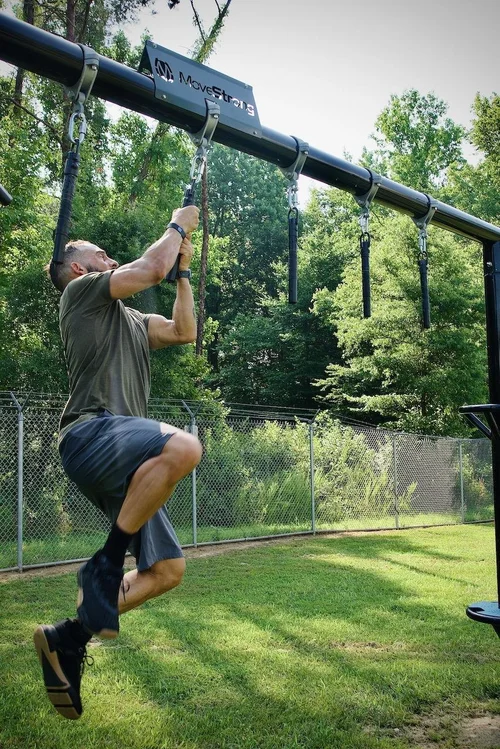
Credit: www.movestrongfit.com
Frequently Asked Questions
What Are The Best Gym Equipment Hanging Options?
The best options include wall-mounted hooks, ceiling racks, and pulley systems. They save space and keep equipment organized. Durable materials like steel ensure safety and longevity. Choose based on your gym size and equipment type for optimal use.
How To Safely Hang Gym Equipment At Home?
Use sturdy anchors and wall studs to mount hooks securely. Avoid weak drywall fasteners to prevent accidents. Measure weight limits and distribute load evenly. Regularly check for wear and tighten fittings to ensure safety.
Can Hanging Gym Equipment Improve Workout Space?
Yes, hanging gym equipment maximizes floor space, reducing clutter. It enhances workout flow and accessibility. Proper hanging improves gym aesthetics and organization. This method is ideal for small or home gyms needing efficient space use.
What Gym Equipment Can Be Hung On Walls?
You can hang resistance bands, jump ropes, kettlebells, and yoga mats. Weight plates and boxing gloves are also commonly hung. Hanging these items keeps them accessible and prevents damage from floor storage.
Conclusion
Gym equipment hanging saves space and keeps your area tidy. It helps protect your gear from damage and makes items easy to find. Using hooks, racks, or wall mounts keeps your workout zone organized. This simple step improves safety by reducing floor clutter.
Choose the right hanging options for your equipment size and weight. A neat gym motivates you to exercise more often. Small changes bring big benefits to your fitness routine. Try gym equipment hanging to make your space work better.







