
Are you ready to take control of your fitness without leaving your home? Building a home gym can be the game-changer you’ve been looking for.
Imagine working out whenever you want, skipping crowded gyms, and saving time and money. In this guide, you’ll discover simple steps to create a space that fits your goals and lifestyle perfectly. Keep reading, and you’ll learn how to make your home gym a place you actually want to use every day.
Choosing The Right Space
Choosing the right space is a key step when building a home gym. The area you pick affects your workout comfort and safety. A well-chosen spot keeps you motivated and focused.
Assessing Available Areas
Look around your home for open spaces. Basements, spare rooms, or even large closets can work well. Measure the area to ensure it fits your equipment. Think about floor strength and noise levels. Pick a spot where you can move freely without obstacles.
Considering Ventilation And Lighting
Good airflow keeps the gym fresh and reduces moisture. Choose a space with windows or vents for natural air. Proper lighting helps prevent accidents and boosts energy. Natural light is best, but bright LED lights work well too. Avoid dark or stuffy rooms.
Maximizing Small Spaces
Small spaces need smart planning. Use vertical storage like wall racks or shelves. Choose foldable or compact equipment to save room. Clear the floor after workouts to keep the area safe. Mirrors can make the space feel bigger and help with form.
Essential Equipment Selection
Choosing the right equipment shapes your home gym’s success. Focus on versatile, space-saving tools that fit your fitness goals and room size. Prioritize durability and ease of use for long-lasting workouts.
Building a home gym is an exciting project that promises the convenience of exercising in your own space. However, selecting the right equipment is crucial to ensuring you get the most out of your workout sessions. The choices you make can directly impact your fitness goals, your budget, and even your motivation to work out. Here’s a guide to help you make informed decisions on essential equipment selection for your home gym.Cardio Machines
Cardio machines are a staple in any home gym, providing you with options to elevate your heart rate and burn calories effectively. Treadmills offer the flexibility to walk, jog, or run indoors, making them a popular choice. If space is a concern, consider a foldable treadmill that can be easily stored away. Elliptical trainers are another great option, offering a low-impact workout that’s gentle on the joints. These machines simulate walking, running, and stair climbing, providing a full-body workout without the harsh impact. Remember to look for models with adjustable resistance settings to vary your workout intensity.Strength Training Gear
Strength training is essential for building muscle and improving overall body composition. Dumbbells are incredibly versatile and can be used for a wide range of exercises, from bicep curls to lunges. Adjustable dumbbells can be a space-saving solution, allowing you to change weights easily without needing multiple sets. Consider investing in a weight bench, which can be used for exercises like bench presses and step-ups. A power rack or squat rack is another valuable addition, providing safety and support for heavy lifting exercises. These pieces of equipment can transform your home gym into a powerhouse for building strength.Flexibility And Recovery Tools
Flexibility and recovery are often overlooked but are key components of a balanced fitness routine. Yoga mats provide a comfortable surface for stretching and flexibility exercises. They’re also useful for floor workouts and can easily be rolled up and stored away. Foam rollers are excellent tools for self-myofascial release, helping to alleviate muscle tightness and improve recovery time. They come in various densities, so choose one that matches your comfort level and experience. Resistance bands are another versatile tool, ideal for stretching, mobility exercises, and even strength training. Selecting the right equipment for your home gym is a personal journey that should align with your fitness goals and lifestyle. Which equipment will you choose to elevate your home fitness experience?Budget-friendly Gym Setup
Setting up a home gym on a budget doesn’t mean you have to compromise on quality or variety. Smart choices and creative solutions can help you build a space that motivates and supports your fitness goals without draining your wallet. Let’s dive into practical tips that make your gym setup both effective and affordable.
Prioritizing Equipment Purchases
Focus on equipment that offers versatility and targets multiple muscle groups. Dumbbells, resistance bands, and a sturdy mat are excellent starting points because they support a wide range of exercises.
Ask yourself which workouts you enjoy most and what equipment complements those. Avoid splurging on single-use machines that gather dust over time.
Think about space too. Compact and foldable items save room and keep your gym functional. Have you identified your must-have gear yet?
Diy Equipment Ideas
Building some of your own gym equipment can save you a lot of money. For example, use water bottles or canned goods as light weights if you’re just starting out.
Wooden pallets can be transformed into a bench or step platform with minimal tools. Old towels or t-shirts make great resistance bands when braided tightly.
DIY projects also add a personal touch to your gym. What simple materials do you have at home that could be turned into workout tools?
Secondhand And Discount Options
Check local online marketplaces and thrift stores for gently used gym gear. You can often find kettlebells, benches, or cardio machines at a fraction of the original price.
Look for seasonal sales or clearance events at sporting goods stores. Signing up for newsletters can alert you to exclusive discounts.
Remember to test secondhand equipment for safety and durability. Are you ready to hunt for deals that fit your budget and needs?
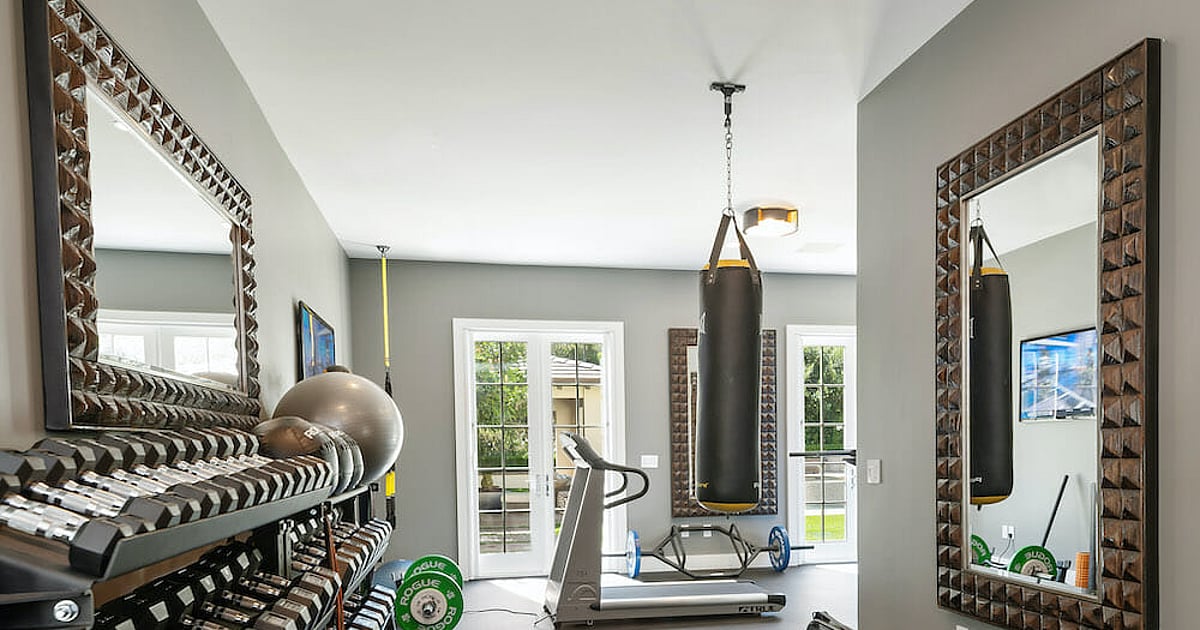
Credit: www.indulgexpress.com
Design And Layout Tips
Design and layout play a key role in making a home gym both practical and inviting. Thoughtful planning helps maximize space and improve workout flow. A well-organized gym boosts motivation and makes exercise easier.
Creating Functional Zones
Divide your gym into clear zones for different activities. For example, set an area for cardio, another for strength training, and a separate space for stretching or yoga. This separation keeps the gym tidy and prevents equipment clutter. Leave enough room around machines and weights for safe movement.
Storage Solutions
Smart storage keeps the gym neat and equipment easy to find. Use wall-mounted racks for weights and bands. Shelves or cabinets work well for small items like mats and towels. Consider multi-use furniture with hidden storage. Keeping things organized saves time and avoids distractions during workouts.
Incorporating Mirrors And Flooring
Mirrors help check form and make the room feel larger. Place them near workout zones for easy viewing. Choose flooring that supports exercise and protects your floor. Rubber mats or foam tiles reduce noise and absorb impact. Pick materials that are easy to clean and slip-resistant for safety.
Tech And Entertainment
Tech and entertainment play a big role in making your home gym a place you actually want to spend time in. They keep you motivated, help you track progress, and create an environment that fits your workout style. Think about how technology and fun features can turn exercise from a chore into an experience you look forward to.
Music And Sound Systems
Good music can push you harder and make workouts fly by. Investing in a quality sound system or wireless speakers lets you control your playlist easily, whether you like high-energy beats or calming rhythms.
Consider waterproof or sweat-resistant speakers if you sweat a lot or plan to keep your gym space humid. Also, noise-canceling headphones can help you focus if your gym is in a noisy part of the house.
Workout Apps And Virtual Trainers
Workout apps offer guided routines, track your progress, and provide motivation through challenges. Many apps connect to smart equipment or wearables, giving you real-time feedback on your form and performance.
Virtual trainers can simulate the experience of a personal coach without the cost. They adapt workouts based on your level and goals, making it easier to stick with your plan. Which app or trainer fits your style? Try a few before settling on one.
Smart Lighting And Climate Control
Lighting affects your mood and energy. Smart lights let you adjust brightness and color to match the time of day or type of workout. Bright, cool light wakes you up for cardio, while dim, warm light can help with stretching and yoga.
Climate control is just as important. Smart thermostats or fans keep your gym comfortable, preventing overheating or chills. Have you noticed how a small change in temperature can affect your endurance or focus?

Credit: dsarchitecture.com.au
Safety And Maintenance
Safety and maintenance are key to keeping your home gym effective and injury-free. Without regular care, equipment can wear down or become unsafe, and your workout space might turn into a hazard zone. Paying attention to these details not only protects your health but also extends the life of your gym investments.
Equipment Care
Check your machines and weights regularly for any signs of damage or wear. Tighten loose bolts and replace frayed cables before they cause accidents. Lubricate moving parts as needed to keep everything running smoothly.
Have you ever skipped maintenance and then faced a broken treadmill belt mid-workout? Avoid that frustration by setting a monthly reminder to inspect each piece of equipment. This small habit saves you time and money in the long run.
Space Safety Measures
Clear clutter from your workout area to prevent trips and falls. Make sure there’s enough room around each machine for safe movement and emergency stops. Use non-slip mats to keep your footing secure, especially if you sweat a lot.
Think about the lighting in your gym space—bright, even lighting helps you see clearly and avoid accidents. Do you have a first aid kit nearby? Keeping one accessible shows you’re prepared for unexpected injuries.
Regular Cleaning Routines
Sweat and dust can accumulate quickly, making equipment slippery and unhygienic. Wipe down machines, weights, and mats after every session with disinfectant wipes. Schedule a deeper clean weekly to reach corners and less obvious spots.
Have you noticed how a clean gym feels more inviting and motivates you to work out more consistently? Keeping your space fresh prevents germs and keeps your workouts pleasant. What cleaning routine can you start today to make your gym safer and more enjoyable?
Motivation And Routine Building
Building motivation and a solid routine is key to using a home gym effectively. Without drive and structure, workouts can easily be skipped. Creating habits around your fitness goals helps make exercise part of daily life.
Motivation pushes you to start and keep going. Routine turns small actions into lasting habits. Together, they build a strong foundation for success at home.
Setting Goals
Clear goals give your workouts purpose. Define what you want to achieve. Examples include:
- Lose weight
- Build muscle
- Improve endurance
- Increase flexibility
Write your goals down. Make them specific and realistic. Short-term goals keep motivation high. Long-term goals guide your progress.
Tracking Progress
Track your workouts to see results. Use a notebook, app, or calendar. Record details like:
- Exercise type
- Duration
- Reps and sets
- Weight lifted
Review your progress weekly. Celebrate small wins. Adjust your routine based on results. Tracking builds confidence and keeps you focused.
Creating A Consistent Schedule
Consistency is key to routine building. Choose days and times that fit your lifestyle. Keep your workout length manageable. Try these tips:
- Block workout time on your calendar
- Start with short sessions, then increase
- Prepare your gym space ahead of time
- Mix workouts to avoid boredom
Stick to your schedule as much as possible. Routine makes exercise a habit, not a chore.

Credit: endoftheroll.com
Frequently Asked Questions
What Equipment Is Essential For A Basic Home Gym?
A basic home gym needs a yoga mat, dumbbells, resistance bands, and a stability ball. These cover strength, flexibility, and balance exercises. They are affordable, space-efficient, and versatile for beginners and advanced workouts alike.
How Much Space Do I Need For A Home Gym?
A minimum of 50 to 100 square feet is ideal for a home gym. This space allows comfortable movement and placement of essential equipment. Even a small corner can be effective with compact gear.
How Can I Make My Home Gym Budget-friendly?
Buy second-hand or multipurpose equipment to save costs. Focus on versatile items like adjustable dumbbells and resistance bands. Use household items as workout tools to avoid extra expenses.
What Are The Benefits Of A Home Gym?
A home gym offers convenience, privacy, and time savings. It eliminates commute time and gym fees. You can customize workouts and train anytime, improving consistency and motivation.
Conclusion
Building a home gym lets you exercise anytime you want. It saves travel time and gym fees. You choose equipment that fits your space and goals. Small changes make a big difference in your health. Start with basics, then add gear as you grow.
Enjoy the comfort and privacy of your own space. Stay consistent, and results will follow. A home gym helps you stay active and strong every day.







