
Are you ready to take your workouts to the next level? A gym equipment sled might be exactly what you need.
This simple yet powerful tool can boost your strength, speed, and endurance like nothing else. Whether you’re aiming to build muscle, burn fat, or improve your athletic performance, the sled offers a fresh and effective way to challenge your body.
Keep reading, and discover how adding a sled to your routine can transform your fitness journey.
Benefits Of Using A Gym Sled
Using a gym sled offers many benefits for all fitness levels. It provides a simple yet effective way to enhance strength and endurance. The sled challenges multiple muscle groups and improves overall body control. It suits various workouts, from strength training to cardio sessions. This equipment supports balanced and functional fitness development.
Enhancing Muscle Strength
The gym sled targets major muscle groups like legs, glutes, and core. Pushing or pulling the sled increases resistance, building muscle power. It allows controlled, progressive loading for steady strength gains. Users can adjust the weight to match their fitness level. This makes it ideal for muscle growth and endurance.
Improving Cardiovascular Endurance
Moving the sled raises heart rate quickly. This helps improve cardiovascular health and stamina. Workouts with sleds combine strength and cardio in one exercise. It boosts the body’s ability to use oxygen efficiently. Regular sled training supports longer and more intense workouts.
Boosting Athletic Performance
Sled exercises mimic natural movements like sprinting and pushing. This improves speed, power, and agility. Athletes benefit from stronger legs and better explosive strength. The sled also enhances balance and coordination. These qualities help in many sports and physical activities.
Low Impact On Joints
The sled offers a joint-friendly workout option. It reduces stress on knees and hips compared to running or jumping. The smooth gliding motion lowers injury risk. People with joint pain or recovering from injury can still train effectively. This makes sled training accessible and safe for many users.
Types Of Gym Sleds
Gym sleds are versatile tools for strength and endurance training. They come in various types, each designed for specific workouts. Understanding these types helps in choosing the right sled for your fitness needs.
Weighted Sleds
Weighted sleds are simple and effective. They have a flat base where weights are added. These sleds are great for building strength and power. Push or pull them to target different muscle groups. Adjust the weight to increase intensity.
Prowler Sleds
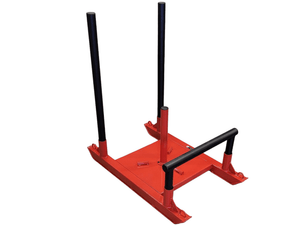
Prowler sleds feature vertical handles for pushing. These are ideal for full-body workouts. Pushing a prowler sled engages the core, legs, and upper body. You can also attach straps for pulling exercises. Versatile and easy to use.
Towed Sleds
Towed sleds are designed for pulling. They include a harness or strap for attachment. Great for developing speed and agility. Athletes often use them for sprint training. Adjust the resistance by adding more weight.
Hybrid Models
Hybrid sleds combine features from different sled types. They offer more workout options in one piece of equipment. Push, pull, or tow them for varied exercises. Ideal for those seeking diverse training routines.
Choosing The Right Sled
Choosing the right gym equipment sled can make a big difference in how effective and enjoyable your workouts are. It’s not just about picking any sled; it’s about finding one that fits your unique fitness goals, space, and budget. Understanding these factors upfront helps you invest in a sled that keeps you motivated and seeing real progress.
Assessing Your Fitness Goals
Start by asking yourself what you want to achieve with your sled workouts. Are you aiming to build explosive power, improve endurance, or enhance overall strength? Different sleds serve different purposes. For example, a lightweight sled is perfect for speed and agility drills, while a heavier sled is better for strength training.
Think about how often you’ll use the sled and what exercises you plan to do. This clarity helps you pick a sled that supports your workout style rather than limiting it.
Considering Space And Budget
Where will you keep your sled? If you have limited space, look for a compact or foldable sled to save room. Outdoor storage options also matter if you don’t have enough indoor space.
Your budget plays a crucial role too. Basic sleds can be affordable but might lack some features. Higher-end models often offer better durability and adjustable options, but they come at a higher price. Decide what balance works best for your wallet and workout needs.
Material And Durability
Materials affect how long your sled lasts and how it performs. Steel sleds are common for their strength and durability. Powder-coated finishes help prevent rust, especially if you train outdoors.
Plastic sleds are lighter and less expensive but may wear out faster. Think about where and how often you’ll use the sled. Investing in a durable sled means fewer replacements and better long-term value.
Adjustable Weight Options
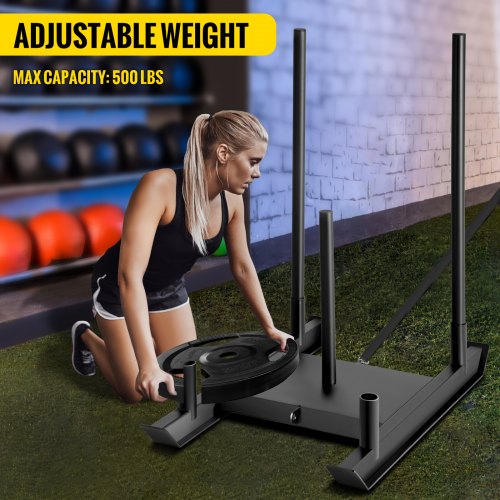
Look for sleds that allow you to add or remove weight plates. This feature is key if you want to gradually increase resistance and track your progress.
Adjustable weights also let you customize workouts based on your energy level that day. For example, on recovery days, you might use less weight, while on intense training days, you can push harder with more weight.
Does your sled offer flexibility to grow with your fitness? Choosing one that adapts to your strength gains keeps your workouts challenging and engaging.

Credit: pushfitness.com
Effective Sled Workouts
Sled workouts offer a powerful way to build strength, speed, and endurance. These exercises use weighted sleds to create resistance, challenging your muscles differently than free weights or machines. Effective sled workouts improve lower body power and core stability. They also boost cardiovascular fitness through high-intensity training.
Sled training is versatile and suitable for all fitness levels. Use varied techniques to target different muscle groups and improve overall performance. Focus on controlled movements and proper form to avoid injury and maximize benefits.
Sled Push Techniques
The sled push works the legs, glutes, and core muscles. Start by loading the sled with a manageable weight. Position yourself low with bent knees and a tight core. Drive through your legs, pushing the sled forward with steady, powerful steps.
- Keep your back straight and avoid leaning too far forward.
- Use short, quick strides for speed or longer strides for strength.
- Maintain steady breathing to sustain effort.
Sled Pull Variations
Sled pulls focus on the hamstrings, back, and grip strength. Attach a harness or rope to the sled. Walk or run backward, pulling the sled toward you. Change hand positions or body angles to vary the workout.
- Use a harness for hands-free pulling.
- Pull while walking sideways to engage different muscles.
- Try single-arm pulls to improve grip and balance.
Sprint And Interval Training
Sled sprinting adds resistance to your speed workouts. Sprint short distances with the sled to increase power and explosive strength. Combine sprints with rest periods for effective interval training.
- Sprint 10 to 20 meters with sled resistance.
- Rest for 30 to 60 seconds between sprints.
- Repeat for 5 to 10 rounds depending on fitness level.
Incorporating Sled Drags
Sled drags build endurance and muscle control. Attach the sled to a harness around your waist or shoulders. Walk or run forward, dragging the sled behind you. Adjust the weight and distance to match your goals.
- Keep a steady pace and engage your core.
- Use drags for warm-ups or as part of circuit training.
- Try backward drags to target different muscles.
Safety Tips And Best Practices
Using a gym equipment sled can boost your strength and endurance, but safety should always come first. Ignoring basic precautions can lead to injuries or damage to your equipment. Let’s dive into key safety tips and best practices that keep your workouts effective and injury-free.
Proper Warm-up Routines
Warming up prepares your muscles and joints for the intense work ahead. Spend at least 5-10 minutes on light cardio like jogging or jumping rope before using the sled. Follow this with dynamic stretches targeting your legs, hips, and core to improve flexibility and blood flow.
Have you ever felt stiff or tight during a sled session? That’s often a sign your warm-up wasn’t enough. A proper warm-up reduces muscle strain and improves your performance.
Maintaining Correct Form
Keeping the right form during sled exercises prevents strain and maximizes results. Maintain a neutral spine and engage your core as you push or pull the sled. Avoid leaning too far forward or backward, which can throw off your balance and stress your back.
Focus on controlled, steady movements rather than rushing through reps. If you notice your form slipping, reduce the weight or take a short break. What’s your usual form-check routine during workouts?
Avoiding Common Injuries
Injuries often happen when you push beyond your limits or neglect body signals. Watch out for knee pain, lower back discomfort, or muscle strains. These can result from improper technique, too much weight, or insufficient rest.
Listen closely to your body. If you experience sharp pain or unusual soreness, stop immediately and reassess your approach. Incorporate rest days and cross-training to allow recovery and prevent overuse injuries.
Equipment Maintenance
Keeping your sled in good shape is just as important as your workout habits. Regularly inspect the sled for loose bolts, worn-out straps, or damaged runners. Clean dirt and debris off the sled after each use to maintain smooth movement.
Lubricate moving parts as recommended by the manufacturer to avoid rust and friction. Have you checked your sled’s condition lately? Proper maintenance extends its lifespan and keeps your sessions safe and effective.
Credit: flamanfitness.com
Tracking Progress And Results
Tracking progress and results with a gym equipment sled is essential to see real improvement and stay motivated. Without clear tracking, it’s easy to lose sight of gains or get stuck in a routine that no longer challenges you. Let’s look at how you can measure your progress effectively and make your sled workouts more productive.
Setting Measurable Goals
Start by defining clear, measurable goals for your sled workouts. Instead of vague targets like “get stronger,” set specific ones such as “push the sled 20 meters in under 30 seconds” or “increase sled weight by 10 pounds in 4 weeks.”
Having concrete goals helps you focus your efforts and gives you something to track. Ask yourself: what exactly do you want to achieve with the sled? Speed, strength, endurance, or all three?
Monitoring Strength Gains
Track your strength gains by recording the amount of weight you push or pull on the sled. Use a workout log or an app to note the weight and distance each session.
Look for patterns over time—are you able to push heavier loads or maintain speed with added weight? This data shows real strength improvements and highlights when you’ve hit a plateau.
Evaluating Endurance Improvements
Endurance with sled training can be measured by how long or how many reps you can sustain without losing form or speed. Time your sets and note recovery times between pushes.
Try increasing the number of intervals or the total distance covered in a session. If you notice less fatigue and faster recovery, your endurance is improving.
Adjusting Workouts Over Time
Use the data you collect to tweak your sled workouts for continuous progress. If strength gains slow down, add more weight or change your push technique.
For endurance, increase the number of repetitions or reduce rest periods. Regular adjustments keep your training challenging and prevent plateaus.
Are you reviewing your progress often enough to know when to change your routine?
Integrating Sled Training With Other Exercises
Sled training adds variety and challenge to workout routines. It builds strength, power, and endurance. Integrating sled training with other exercises creates balanced fitness. This approach targets multiple muscle groups and energy systems. It also keeps workouts interesting and effective.
Combining With Weightlifting
Use sled pushes or pulls after weightlifting to boost power. Sled work enhances leg drive and core stability. It complements squats, deadlifts, and lunges well. Sled training helps improve explosive strength for lifts. Alternate heavy lifting with sled sprints for muscle endurance.
Pairing With Cardio Sessions
Sled exercises fit well into cardio workouts. Sprinting with the sled raises heart rate quickly. Use sled pushes between running or cycling intervals. This mix improves cardiovascular fitness and muscle stamina. It also breaks monotony during long cardio sessions.
Using Sleds In Functional Training
Sled training mimics real-life movements and sports actions. It strengthens muscles used in pushing, pulling, and sprinting. Add sled drills to agility or balance exercises. This enhances coordination and functional strength. Sleds prepare the body for everyday physical tasks.
Cross-training Benefits
Sled training supports recovery from other sports activities. It reduces joint stress while building muscle power. Use sled work on rest days for active recovery. It helps prevent injuries by balancing muscle groups. Cross-training with sleds improves overall athletic performance.
Credit: www.vevor.ca
Frequently Asked Questions
What Is A Gym Equipment Sled Used For?
A gym equipment sled is used for strength and conditioning workouts. It helps improve power, speed, and endurance by pushing or pulling weighted sleds. It targets multiple muscle groups, making it ideal for athletes and fitness enthusiasts aiming for functional training.
How Do You Properly Use A Gym Sled?
To use a gym sled, load weights, then push or pull it across a surface. Maintain a strong posture with a tight core. Use controlled, steady movements to avoid injury and maximize workout benefits. Always warm up before sled training for best results.
What Muscles Does A Gym Sled Target?
A gym sled primarily targets the legs, glutes, and core muscles. It also engages the back, shoulders, and arms during pulling or pushing exercises. This makes it a full-body workout tool that enhances muscular strength, endurance, and cardiovascular fitness.
Can Beginners Use A Gym Sled Safely?
Yes, beginners can use a gym sled safely by starting with light weights. Focus on proper form and technique to prevent injury. Gradually increase weight and intensity as strength and confidence improve. Consulting a trainer is recommended for personalized guidance.
Conclusion
A gym equipment sled helps build strength and endurance. It works for many fitness levels and goals. You can push, pull, or drag it to train different muscles. Sled workouts also improve speed and power. This tool fits well in home or commercial gyms.
Using it regularly can boost your workout variety. Try adding a sled to your routine for better results. Simple, effective, and versatile—this gear supports your fitness journey. Give it a go and feel the difference.







