
Stepping into the gym for the first time can feel overwhelming. You might wonder where to start, what exercises to do, or how to use the machines.
But here’s the good news: your first workout doesn’t have to be confusing or intimidating. In fact, with the right approach, it can be exciting and empowering. This guide will walk you through everything you need to know to make your first gym workout simple, effective, and enjoyable.
Keep reading, and soon you’ll feel confident and ready to take on your fitness goals.
Preparing For Your First Gym Visit
Preparing for your first gym visit can make the experience less stressful and more enjoyable. Taking time to plan helps you feel confident and ready. Understanding what to expect is key to starting strong.
Choosing The Right Gym
Select a gym close to home or work for easy access. Check if it has the equipment you want to use. Visit the gym to see the cleanliness and atmosphere. Ask about membership costs and contract terms. Choose a place where you feel comfortable and welcomed.
What To Pack
Bring a water bottle to stay hydrated. Pack a towel for wiping sweat. Wear comfortable clothes and supportive shoes. Take a lock for the gym locker. Include headphones if you like music during workouts. Prepare a small bag with these essentials to avoid forgetting anything.
Setting Realistic Goals
Set simple and clear goals to start with. Focus on improving stamina or learning new exercises. Avoid aiming for quick weight loss or heavy lifting at first. Track small achievements to stay motivated. Adjust goals as you gain experience and confidence.

Credit: www.reddit.com
Gym Etiquette Basics
Starting your first gym workout can feel exciting and a bit overwhelming. Knowing the basic gym etiquette helps you feel comfortable and keeps the gym a friendly place for everyone. Simple rules about equipment, hygiene, and social behavior make a big difference.
Respecting Equipment And Space
Always put weights and equipment back after use. This keeps the gym neat and ready for the next person. Avoid standing too close to others while they are exercising. Give enough space so everyone can move safely and freely. Don’t hog machines or benches; take turns and share.
Proper Hygiene
Wipe down machines and benches after use. Many gyms provide disinfectant sprays and paper towels. Use a clean towel to absorb sweat during workouts. Wear clean workout clothes and fresh shoes. Good hygiene protects you and others from germs and odors.
Interacting With Others
Be polite and respectful in all interactions. A simple nod or smile can create a friendly atmosphere. Avoid interrupting others during their workout. Ask before offering advice or help. Keep conversations quiet and brief, especially near busy areas.
Essential Warm-up And Stretching
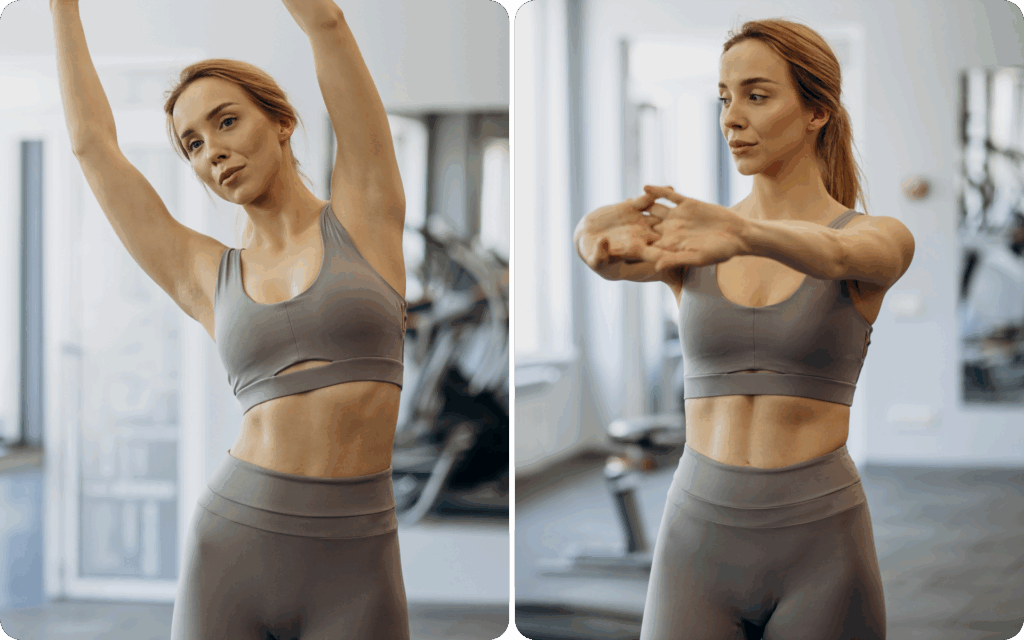
Warming up prepares your body for exercise by increasing blood flow and loosening muscles. Stretching helps prevent injuries and improves flexibility before your first gym session. Gentle movements make workouts safer and more effective.
Starting your fitness journey can be both exciting and intimidating. The first visit to the gym is crucial, and one of the most overlooked aspects is the warm-up and stretching routine. A good warm-up not only prepares your body for the workout but also helps prevent injuries and enhances performance. Let’s dive into some essential techniques to help you make the most of your gym session.Dynamic Warm-up Techniques
Dynamic warm-ups are all about movement. Unlike static stretching, where you hold a position, dynamic warm-ups involve continuous motion that mimics the exercises you will perform. This helps increase your heart rate and blood flow to muscles, preparing them for action. – Leg Swings: Stand next to a wall and swing your leg forward and backward. This loosens up your hips and hamstrings. – Arm Circles: Extend your arms to the side and make small circles. Gradually increase the size to engage your shoulders. – High Knees: Jog in place while lifting your knees as high as possible. This gets your heart pumping and activates your core. These movements are not only effective but also easy to remember, making them perfect for gym newcomers. Ever felt that awkward first-day nervousness? A dynamic warm-up can help ease that by giving you something productive to focus on.Stretching For Injury Prevention
Stretching plays a key role in keeping injuries at bay. By improving flexibility and range of motion, you reduce the risk of strains and sprains. Focusing on major muscle groups is essential, especially those you’ll use during your workout. – Hamstring Stretch: Sit on the floor, extend one leg, and reach for your toes. This is crucial for activities involving your lower body. – Quadriceps Stretch: Stand on one leg, grab the ankle of your other leg behind you, and pull it towards your buttocks. This stretch targets the front of your thighs. – Chest Opener: Clasp your hands behind your back and lift them. This helps in expanding your chest and improving posture. Are you taking enough time to stretch before your workout? It might seem tedious, but these few minutes could be the difference between a great workout and a painful experience. Remember, every stretch is a step towards a safer and more effective workout session. Make stretching a habit, and your body will thank you for it.Beginner-friendly Workout Routines
Starting your gym journey can feel overwhelming, but choosing the right workout routine makes all the difference. Beginner-friendly workout routines focus on building a solid foundation without pushing you too hard too soon. The goal is to help you feel confident, make progress, and stay motivated.
Full-body Workouts
Full-body workouts are perfect for beginners because they target multiple muscle groups in one session. This approach saves time and helps you learn basic movements quickly. Try exercises like squats, push-ups, and dumbbell rows, which work legs, chest, and back all at once.
Doing these workouts 2-3 times a week allows your body to recover and build strength steadily. Have you noticed how your energy improves after just a few sessions? That’s a great sign you’re on the right track.
Cardio Options
Cardio can be simple and enjoyable when you start with what feels good for your body. Walking on a treadmill, cycling, or using an elliptical machine are low-impact ways to increase your heart rate without strain. Aim for 20-30 minutes per session, focusing on steady, manageable effort.
Don’t hesitate to mix things up. Short bursts of faster pace can keep your workouts interesting and improve your stamina. What’s one cardio activity you enjoy that you haven’t tried at the gym yet?
Strength Training Basics
Strength training doesn’t mean lifting heavy weights right away. Begin with lighter weights or resistance bands to master form and avoid injury. Concentrate on core moves like lunges, planks, and shoulder presses that build muscle evenly across your body.
Remember, consistency beats intensity at this stage. Gradually increasing your weight or reps helps you grow stronger without overwhelming yourself. How do you feel after focusing on proper form during your workouts?
Using Gym Equipment Safely
Using gym equipment safely is key for a good workout and injury prevention. Understanding the right way to use machines and weights helps you stay confident. It also makes your exercise more effective and enjoyable. Safety means reading instructions, knowing your limits, and asking for guidance when unsure.
Machine Instructions
Always read the instructions on each machine before use. They show how to adjust settings and proper form. Start with light weights to test the movement. Avoid jerky motions and keep your back straight. Use smooth and controlled movements to protect joints. Stop if you feel pain or discomfort.
Free Weights Tips
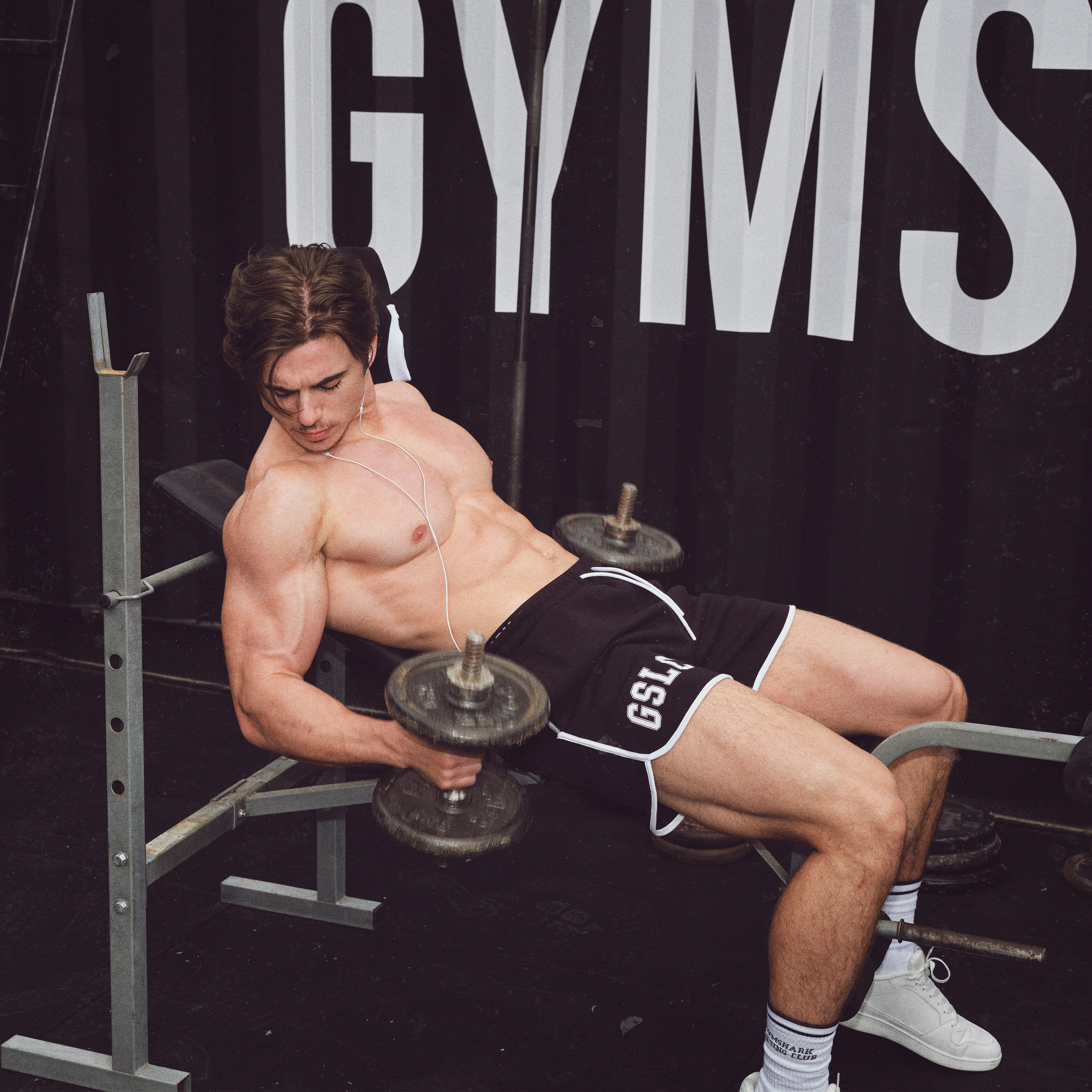
Free weights need careful handling to avoid injury. Begin with lighter weights to learn the correct posture. Keep your wrists straight and avoid locking your elbows. Use a mirror to check your form. Breathe steadily and avoid holding your breath. Never lift more than you can control safely.
Asking For Help
Do not hesitate to ask gym staff or trainers for help. They can show you how to use equipment properly. Getting guidance reduces the risk of injury. It also builds confidence to try new exercises. Most gym members are happy to offer advice too. Remember, safety comes first in every workout.
Tracking Progress And Staying Motivated
Tracking progress and staying motivated are keys to success at the gym. Watching your growth helps keep your energy high. It shows how far you have come and pushes you to keep going.
Recording Workouts
Write down each exercise, weight, and reps. Use a notebook or a phone app for tracking. Seeing your numbers improve gives a clear sign of progress. It helps you plan your next workout better.
Celebrating Small Wins
Every step forward deserves recognition. Celebrate lifting heavier or doing more reps. Reward yourself with simple treats or rest days. These small wins build confidence and make workouts fun.
Building Consistency
Make a workout schedule and stick to it. Regular exercise creates habits that last. Even short sessions count and add up over time. Consistency turns effort into real results.
Nutrition And Recovery
Nutrition and recovery are the backbone of any successful workout routine, especially if it’s your first time in the gym. What you eat before and after exercising can shape how you perform and how quickly your body bounces back. Without proper fuel and rest, your efforts might not translate into the progress you want.
Pre-workout Nutrition
Eating the right foods before your workout gives you energy and helps prevent fatigue. Aim for a balance of carbohydrates and protein about 30 to 60 minutes before you hit the gym. Something like a banana with peanut butter or a small bowl of oatmeal with fruit works well.
Think about how you feel during workouts when you skip eating beforehand. Do you notice a drop in energy or focus? That’s your body telling you it needs fuel.
Post-workout Recovery
After exercising, your muscles need nutrients to repair and grow stronger. A mix of protein and carbs within 30 to 60 minutes post-workout is ideal. Try options like grilled chicken with sweet potatoes or a protein smoothie with berries.
Skipping this step can leave you sore longer and slow down progress. Have you ever felt wiped out the day after a workout? Proper recovery nutrition can change that experience.
Hydration Tips
Water plays a huge role before, during, and after your workout. Dehydration can reduce strength and endurance, making your session feel tougher than it should. Drink water steadily throughout the day, not just when you’re thirsty.
- Drink 16-20 ounces of water 1-2 hours before exercising.
- Take small sips every 15-20 minutes during your workout.
- Rehydrate with 20-24 ounces of water for every pound lost through sweat.
Ever noticed how a simple glass of water can boost your energy? Staying hydrated might be the easiest trick to improve your gym performance.
Credit: betterme.world
Credit: www.gymshark.com
Frequently Asked Questions
What Should I Wear For My First Gym Workout?
Wear comfortable, breathable clothes and supportive sneakers. Choose moisture-wicking fabrics to stay dry. Avoid overly loose or tight outfits. Dress in layers if needed, as gyms can vary in temperature. Proper attire boosts confidence and helps prevent injuries during your workout.
How Long Should My First Gym Workout Be?
Start with 30 to 45 minutes for your first session. This duration helps you build stamina without overexertion. Focus on light cardio and basic strength exercises. Gradually increase your workout time as your fitness improves. Always listen to your body and rest if needed.
What Exercises Are Best For Beginners In The Gym?
Begin with simple exercises like walking, cycling, or bodyweight movements. Incorporate basic strength training such as squats, push-ups, and dumbbell curls. These build a strong foundation and improve overall fitness. Avoid complex or heavy lifts until you learn proper form and gain confidence.
How Often Should A Beginner Go To The Gym Weekly?
Aim for 3 to 4 workouts per week initially. This frequency allows your body to adapt and recover. Consistency is key to seeing progress and building habits. Rest days help prevent injury and muscle fatigue. Adjust your schedule based on your goals and energy levels.
Conclusion
Starting gym workouts can feel tough but stay patient and kind to yourself. Small steps lead to big changes over time. Focus on learning the basics and listening to your body. Consistency matters more than speed or heavy weights. Celebrate each effort, no matter how small it seems.
Keep your goals clear and enjoy the process of getting stronger. Remember, everyone began where you are now. This journey is about progress, not perfection. Keep moving forward, and your hard work will pay off.







