
Are you ready to build muscle and transform your body but don’t know where to start with your diet? The right nutrition plan can make all the difference in how fast and effectively you see results.
This bodybuilding diet plan for beginners is designed just for you—simple, clear, and easy to follow. By understanding what to eat, when to eat, and how much, you’ll fuel your workouts and speed up your progress. Keep reading to discover the key steps that will power your muscles and help you reach your fitness goals faster than you imagined.
Essentials Of Bodybuilding Nutrition
Nutrition is the foundation of bodybuilding success. Without proper food, muscles cannot grow or recover well. Every meal should support your workout goals. Understanding the basics of nutrition helps beginners build muscle safely and effectively.
Macronutrients And Their Roles
Macronutrients include proteins, carbohydrates, and fats. Each plays a vital role in muscle growth and energy.
- Proteins:Repair and build muscle tissues. Sources include chicken, fish, eggs, and beans.
- Carbohydrates:Provide energy for workouts and recovery. Found in rice, bread, fruits, and vegetables.
- Fats:Support hormone production and overall health. Healthy fats come from nuts, seeds, and olive oil.
Balancing these macronutrients helps fuel workouts and repair muscles.
Calorie Needs For Muscle Growth
Muscle growth requires eating more calories than the body burns. This is called a calorie surplus.
Calculate your daily calorie needs based on activity level. Then add 250 to 500 calories to support muscle gain.
Too many extra calories lead to fat gain. Too few slow muscle growth.
Track your intake and adjust as needed to stay on target.
Hydration Tips
Water is essential for muscle function and recovery. Dehydration reduces strength and focus.
- Drink water throughout the day, not just during workouts.
- Aim for at least 8 cups (2 liters) daily, more if sweating heavily.
- Include fluids like herbal tea or diluted fruit juices for variety.
Proper hydration supports nutrient delivery and helps avoid cramps.
Meal Timing Strategies
Meal timing plays a key role in bodybuilding success. Eating at the right times helps fuel workouts and speeds recovery. It supports muscle growth and improves energy levels throughout the day.
Understanding when to eat around your workouts can make a big difference. Eating too early or too late can reduce performance and slow progress. Planning your meals carefully helps your body get the nutrients it needs at the right moments.
Pre-workout Nutrition
Eating before exercise gives your body the energy to perform well. Choose foods with carbohydrates and some protein about 30 to 60 minutes before training. Avoid heavy or fatty meals that may cause discomfort.
- Simple carbs like fruit or toast provide quick energy.
- Lean protein supports muscle fuel.
- Stay hydrated with water or a light drink.
Post-workout Recovery Meals
After training, your muscles need nutrients to repair and grow. Aim to eat within 30 to 60 minutes after your workout. Include protein and carbohydrates to replenish energy and help muscle recovery.
- Protein sources like chicken, fish, or dairy aid muscle repair.
- Carbs like rice, potatoes, or pasta restore glycogen.
- Adding vegetables provides vitamins and minerals.
Meal Frequency
Eating regular meals supports steady energy and muscle growth. Most beginners benefit from 4 to 6 smaller meals per day. This approach helps maintain blood sugar and reduces overeating.
- Include protein in every meal to support muscles.
- Balance carbs and fats to meet energy needs.
- Space meals about 3 to 4 hours apart.
Choosing The Right Foods
Choosing the right foods is crucial for anyone starting bodybuilding. A balanced diet fuels your workouts and aids recovery. The right nutrients support muscle growth and overall health. Let’s explore key food groups essential for beginners.
Protein Sources For Muscle Repair
Protein is vital for muscle repair and growth. Include these sources:
- Chicken breast – lean and rich in protein.
- Eggs – versatile and packed with amino acids.
- Fish – salmon and tuna provide healthy fats too.
- Tofu – a great plant-based protein option.
- Greek yogurt – high in protein and easy to digest.
Carbohydrates For Energy
Carbs provide the energy needed for intense workouts. Consider these options:
- Oats – slow-release energy and high in fiber.
- Brown rice – a complex carb that sustains energy levels.
- Sweet potatoes – rich in vitamins and a good carb source.
- Whole grain bread – provides sustained energy throughout the day.
- Quinoa – a nutrient-dense carb with added protein.
Healthy Fats And Their Benefits
Healthy fats are important for hormone production and brain health. Include these in your diet:
- Avocados – rich in monounsaturated fats and vitamins.
- Nuts – almonds and walnuts provide healthy fats and protein.
- Olive oil – ideal for cooking and salad dressings.
- Chia seeds – high in omega-3 fatty acids.
- Fatty fish – salmon provides essential omega-3s.

Credit: www.youtube.com
Sample Meal Plans
Sample meal plans provide a clear path for beginners in bodybuilding. They show what to eat to build muscle and stay healthy. Following a structured diet helps fuel workouts and supports recovery. Simple plans reduce guesswork and keep nutrition on track.
Below are examples of meal plans for beginners. They include budget-friendly choices and quick recipes. These options fit different lifestyles and help maintain consistent eating habits.
Beginner Daily Menu
| Meal | Food Items | Portion |
|---|---|---|
| Breakfast | Oatmeal with banana and peanut butter | 1 bowl |
| Mid-Morning Snack | Greek yogurt with honey | 1 cup |
| Lunch | Grilled chicken breast, brown rice, steamed broccoli | 150g, 1 cup, 1 cup |
| Afternoon Snack | Mixed nuts and an apple | 30g nuts, 1 apple |
| Dinner | Baked salmon, sweet potato, green beans | 150g, 1 medium, 1 cup |
| Evening Snack | Cottage cheese with sliced cucumber | 1/2 cup, 1/2 cup |
Budget-friendly Options
- Buy bulk grains like rice and oats for savings.
- Choose canned beans as a cheap protein source.
- Use frozen vegetables to reduce costs and waste.
- Eggs offer affordable, high-quality protein.
- Swap expensive meats with lean cuts or chicken thighs.
- Plan meals ahead to avoid impulse buys.
Quick And Easy Recipes
- Scrambled eggs with spinach and whole wheat toast.
- Tuna salad with mixed greens and olive oil dressing.
- Protein smoothie with milk, banana, and protein powder.
- Stir-fried chicken with frozen mixed vegetables.
- Instant oatmeal topped with nuts and berries.
- Microwaved sweet potato with cottage cheese and pepper.
Supplements For Beginners
Supplements can be a helpful addition to your bodybuilding diet plan, especially when you’re just starting out. They are designed to fill in nutritional gaps and support your muscle growth and recovery. But with so many options available, it’s important to know which ones truly benefit beginners and how to use them wisely.
Essential Supplements
Some supplements are more useful than others for those new to bodybuilding. Protein powders, like whey or plant-based options, are great for meeting your daily protein needs without extra hassle. Creatine is another popular choice; it helps increase strength and muscle mass by providing quick energy during workouts.
Don’t forget about a good multivitamin to cover your basic vitamin and mineral needs. Fish oil supplements can also support joint health and reduce inflammation, which is helpful when you’re training hard. These essentials provide a solid foundation without overwhelming your routine.
When To Consider Supplements
Before adding supplements, focus on getting most of your nutrients from whole foods. Ask yourself: Are you consistently hitting your protein targets through meals? Are you recovering well between workouts? If not, supplements might help bridge those gaps.
Supplements should support your diet, not replace it. If you struggle to eat enough protein or have a demanding workout schedule, then a protein shake or creatine could be beneficial. But if your nutrition is already solid, adding supplements might have little effect.
Avoiding Common Pitfalls
Many beginners fall into the trap of relying too heavily on supplements instead of food. This can lead to missing out on important nutrients that come from a balanced diet. Another mistake is buying expensive or trendy supplements without researching their effectiveness.
Watch out for overuse as well; taking large doses won’t speed up your gains and can sometimes cause side effects. Always check with a healthcare professional if you’re unsure. Have you ever felt overwhelmed by the number of supplements out there? Focus on simplicity and consistency instead.
Tracking Progress And Adjusting Diet
Tracking progress is essential in a bodybuilding diet plan for beginners. It helps you see if your efforts bring the results you want. Adjusting your diet based on progress keeps your body growing stronger and leaner. Regular checks guide you to improve your nutrition and workout balance.
Monitoring Weight And Muscle Gain
Keep a weekly record of your weight. Use a reliable scale and measure at the same time each day. Muscle gain may not always show on the scale. Use a tape measure to track muscle size in arms, chest, and legs. Photos can also help compare changes visually. This combination gives a clear picture of your progress.
Adjusting Calories And Macros
Calories are the energy your body needs daily. Track your intake and compare it to your weight changes. Increase calories if you do not gain muscle after several weeks. Cut calories if you gain too much fat. Adjust protein, carbs, and fats based on how your body responds. Protein supports muscle repair, carbs fuel workouts, fats help hormones.
Dealing With Plateaus
Plateaus happen when progress stops despite effort. Change your calorie intake to break the stall. Try shifting your macros by increasing protein or cutting carbs slightly. Vary your workout routine to challenge muscles differently. Keep track of small changes and stay patient. Progress may slow but will continue with consistent effort.
Common Mistakes To Avoid
Starting a bodybuilding diet plan can be tricky. Many beginners make simple mistakes that slow progress. Avoiding these errors helps build muscle faster and stay healthy.
Understanding common diet pitfalls is important. Here are key mistakes to watch out for.
Overeating Or Undereating
Eating too much or too little can harm your gains. Overeating leads to fat gain, not muscle. Undereating leaves your body without energy to build muscle. Find the right calorie balance based on your goals and activity.
Ignoring Micronutrients
Focusing only on proteins and carbs is a mistake. Vitamins and minerals support muscle growth and recovery. Lack of micronutrients can cause fatigue and weak immune system. Include fruits, vegetables, and nuts in your meals.
Skipping Meals
Skipping meals slows metabolism and muscle growth. Regular meals keep your energy steady all day. Missing meals can cause overeating later. Plan to eat every 3-4 hours to fuel your workouts and recovery.

Credit: www.threads.com
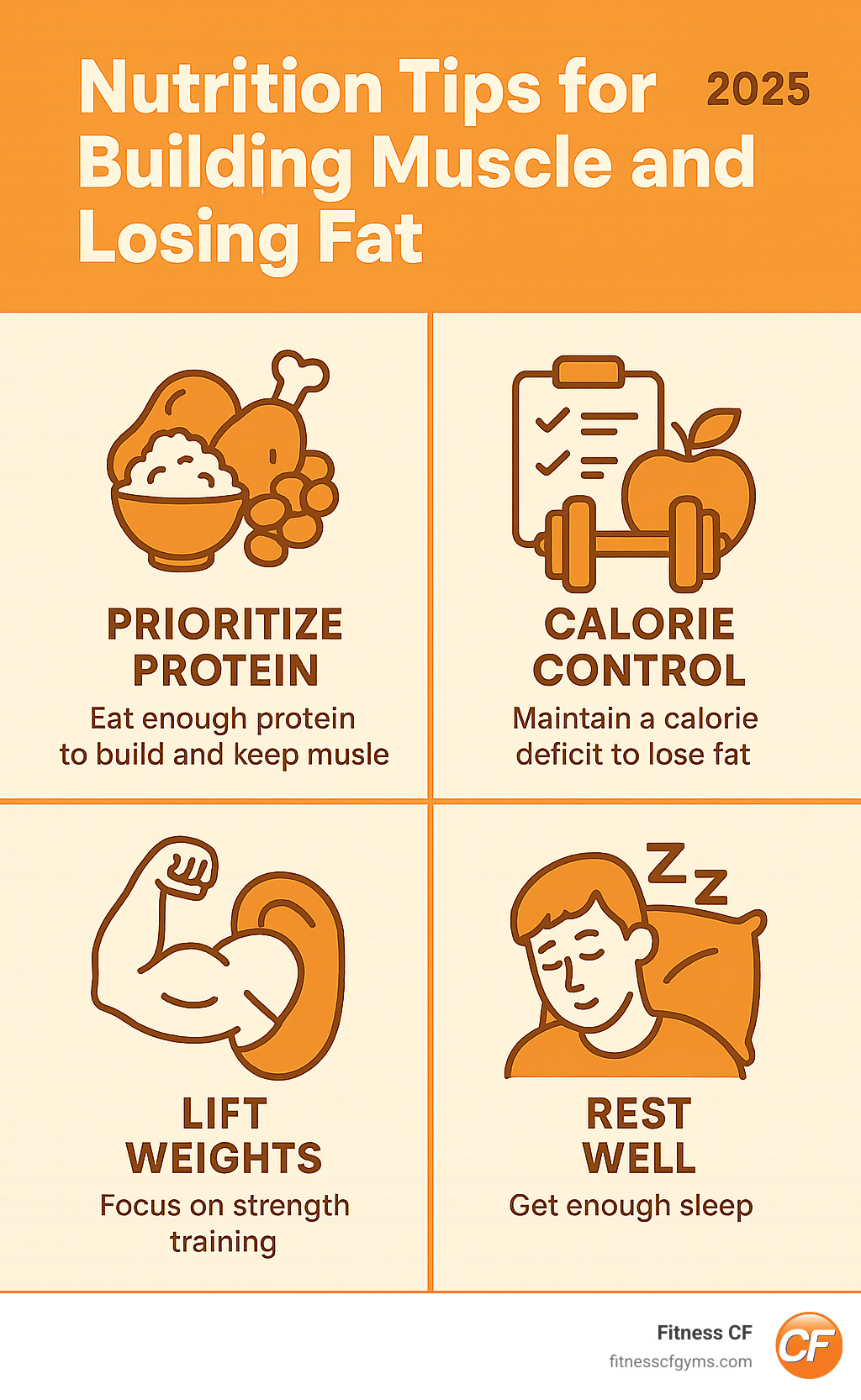
Credit: fitnesscfgyms.com
Frequently Asked Questions
What Is A Bodybuilding Diet Plan For Beginners?
A bodybuilding diet plan for beginners focuses on balanced macros to build muscle and reduce fat. It includes protein, carbs, and healthy fats. Proper meal timing and portion control support muscle growth and recovery. Hydration and nutrient-dense foods are also essential.
How Many Calories Should Beginners Consume Daily?
Beginners should consume calories based on their goals. For muscle gain, eat 250-500 calories above maintenance. For fat loss, create a 500-calorie deficit. Tracking calories helps ensure you meet your specific energy needs for effective bodybuilding results.
Which Foods Are Best For Muscle Growth?
Protein-rich foods like chicken, fish, eggs, and legumes are ideal. Complex carbs such as brown rice, oats, and sweet potatoes provide energy. Healthy fats from nuts, seeds, and avocado support hormone production. A balanced diet with whole foods optimizes muscle growth.
How Often Should Beginners Eat In A Bodybuilding Diet?
Beginners should eat 4-6 small meals daily. Frequent meals help maintain energy and support muscle recovery. This approach also stabilizes blood sugar and prevents overeating. Consistent meal timing enhances nutrient absorption for better bodybuilding results.
Conclusion
Sticking to a simple bodybuilding diet helps build strong muscles. Eat enough protein, carbs, and healthy fats every day. Drink plenty of water to stay hydrated and feel good. Plan meals ahead to avoid unhealthy choices. Rest and exercise go hand in hand with good nutrition.
Small steps lead to big changes over time. Keep your diet steady and enjoy the progress you make. Your body will thank you with better strength and energy. Stay patient and consistent for the best results.







