
Imagine having a space where you can work out anytime, without waiting for machines or dealing with crowded gyms. Creating your home gym makes that possible.
It’s not just about saving time or money; it’s about building a place that motivates you every day. You’ll discover how simple choices can turn a corner of your home into a powerful fitness zone. Ready to design a gym that fits your style and goals?
Keep reading to find out how to make it happen.
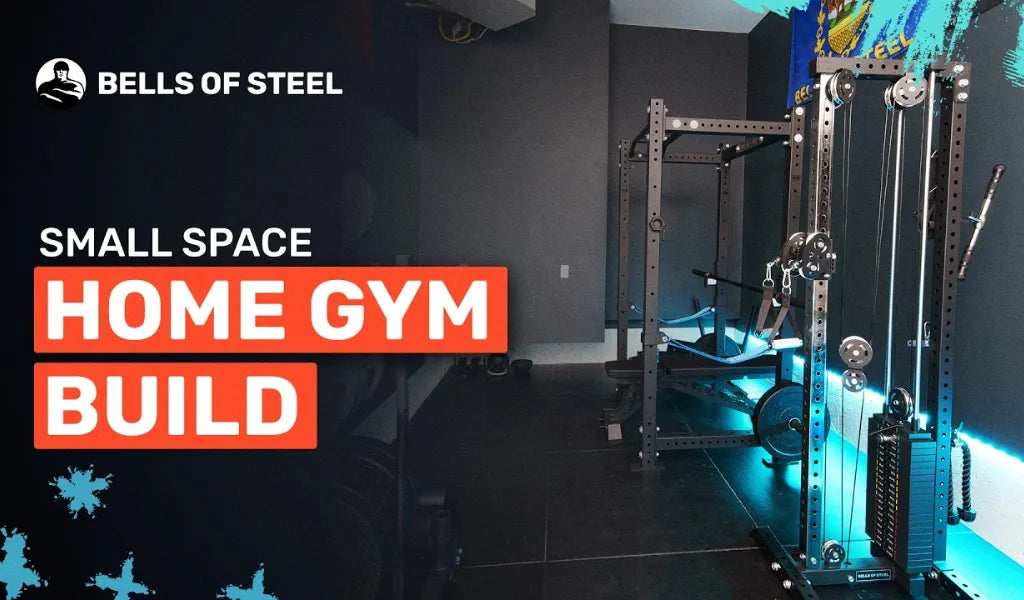
Credit: bellsofsteel.com
Choosing The Right Space
Choosing the right space is crucial for a successful home gym. The area should support your workout needs and keep you motivated. Comfort and practicality matter a lot. Picking a good spot helps maintain consistency and safety.
Assessing Available Areas
Start by checking all rooms and corners in your home. Look for spaces with enough floor room for your exercises. Consider areas that are quiet and free from distractions. Basements, spare rooms, or even large closets can work well. Measure the space before buying equipment to ensure a good fit.
Maximizing Small Spaces
Small areas can still become effective gyms. Use vertical storage like shelves or wall hooks to save floor space. Choose compact equipment such as resistance bands and foldable mats. Clear clutter to create open workout zones. Mirrors can make a small room feel larger and brighter.
Considering Ventilation And Lighting
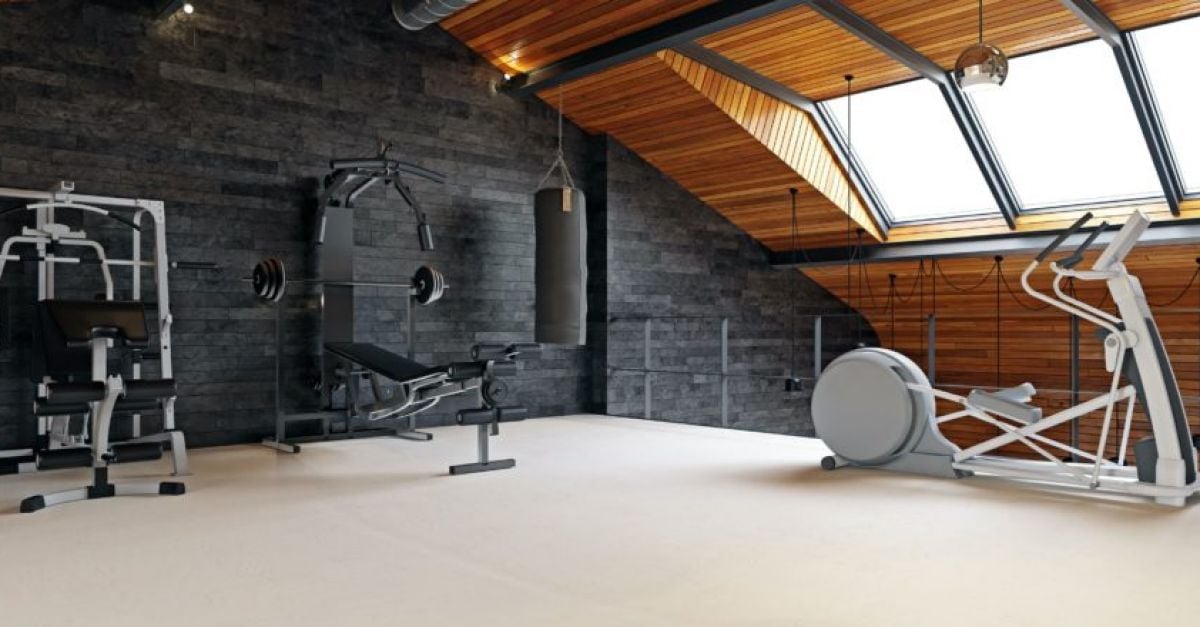
Good airflow keeps the gym fresh and comfortable. Pick a space near windows or with a fan to improve ventilation. Natural light boosts energy and mood during workouts. Use bright but soft lighting to avoid glare and eye strain. Proper lighting also helps keep the area safe.
Credit: www.breakingnews.ie
Essential Equipment Selection
Choosing the right equipment shapes your home gym’s success. Focus on versatile, space-saving tools that fit your workout style and room size. Select items that help build strength, improve cardio, and stay within your budget.
Creating a home gym is a rewarding endeavor. It offers the convenience of exercising at any time. The first step is selecting essential equipment. Choosing wisely ensures a comprehensive workout. Here are key categories to consider.Cardio Machines
Cardio machines are vital for heart health. They also help burn calories effectively. Popular choices include treadmills and exercise bikes. A treadmill provides a versatile workout. It suits both walking and running. Exercise bikes are great for low-impact cardio. They are gentle on the joints. Consider an elliptical for a full-body workout. It combines leg and arm movements.Strength Training Gear
Strength training is crucial for building muscle. It improves overall fitness and bone strength. Dumbbells are versatile and easy to use. They come in various weights. Adjustable dumbbells save space and offer flexibility. Resistance bands are another great option. They are portable and add variety to exercises. A weight bench complements your strength routine. It provides support for various exercises.Flexibility And Recovery Tools
Flexibility tools enhance your range of motion. They also aid in muscle recovery. A yoga mat is essential for stretching exercises. It provides comfort and stability. Foam rollers help relieve muscle tension. They are effective for post-workout recovery. Consider a set of yoga blocks and straps. These tools assist in achieving deeper stretches. They also help maintain proper alignment.Budgeting Your Gym Setup
Setting up a home gym is an exciting project, but sticking to a budget is crucial to avoid overspending. Knowing where to spend and where to save can make your gym both functional and affordable. Let’s break down how you can plan your expenses smartly without sacrificing quality or usefulness.
Prioritizing Equipment Purchases
Start by identifying the exercises you want to focus on. If you love strength training, invest in a good set of adjustable dumbbells or resistance bands first. Cardio enthusiasts might want a reliable jump rope or a compact treadmill.
Think about versatility too. Equipment that works for multiple exercises gives you more value. For example, a sturdy bench can support weightlifting, step-ups, and even abdominal workouts.
Ask yourself which equipment will get the most use. I once bought a fancy machine that gathered dust because I preferred simpler tools. Don’t make the same mistake—choose items that fit your routine and space.
Cost-saving Tips
Look for sales and discounts online or at local sports stores. Signing up for newsletters can alert you to upcoming deals. Patience can pay off when waiting for holiday sales or clearance events.
Consider buying second-hand equipment. Many people sell barely-used gear at a fraction of the cost. Just check for safety and condition before purchasing.
Group your purchases to reduce shipping fees. Sometimes, buying a package deal is cheaper than individual items. Also, compare prices from different sellers to ensure you’re getting the best offer.
Diy Equipment Ideas
You don’t always need to buy expensive gear. Simple DIY projects can fill gaps in your setup. For example, you can create a sandbag with a duffel bag and some heavy sand or rice for weighted workouts.
Use household items creatively—milk jugs filled with water or sand can replace dumbbells. A sturdy chair can serve as a bench or step for various exercises.
Building your own plyometric box from plywood is cheaper than buying one. With some basic tools and a weekend, you can make equipment tailored exactly to your space and needs.

Credit: www.drewandjonathan.com
Designing For Function And Comfort
Designing your home gym for both function and comfort is key to making workouts enjoyable and effective. You want a space that supports your fitness goals without feeling like a chore to use. Balancing practical needs with a welcoming vibe helps you stick to your routine and look forward to every session.
Flooring Options
Choosing the right flooring protects your joints and equipment. Rubber mats are popular because they absorb impact and prevent slipping. If you prefer a softer surface, foam tiles offer cushion but may wear out faster under heavy weights.
Think about how much space you have and the activities you’ll do. Will you be lifting heavy weights, doing yoga, or cardio? Each requires different support, so pick flooring that matches your workout style.
Storage Solutions
Clutter kills motivation. Having smart storage keeps your gym tidy and makes equipment easy to find. Wall-mounted racks or shelving units free up floor space and keep your dumbbells, bands, and mats organized.
Use labeled bins or baskets for smaller items like resistance bands or jump ropes. When everything has a place, you save time setting up and cleaning up, making your workouts smoother.
Creating A Motivating Atmosphere
What makes you want to work out? For me, music and lighting play huge roles. Bright, adjustable lights keep energy up, while softer lights work for stretching or cool-downs.
Display motivational quotes or photos that inspire you. Adding a mirror helps check your form and makes the space feel bigger. How can you design your gym to push you to keep going every day?
Safety And Maintenance
Creating a safe home gym is key to enjoying your workouts without problems. Maintaining your equipment and space keeps everything working well and prevents accidents. Safety and upkeep go hand in hand to protect your health and extend your gear’s life.
Proper Equipment Use
Use each machine or tool as the instructions say. Avoid overloading weights beyond your strength. Adjust settings to fit your body size and exercise type. Store equipment properly after use to keep the area clear and safe.
Regular Cleaning Routines
Clean your gym gear after every session. Wipe down handles, seats, and mats to remove sweat and dirt. Sweep or vacuum floors to avoid dust and debris buildup. Use mild cleaners to protect surfaces from damage.
Preventing Injuries
Warm up your muscles before starting workouts. Wear proper shoes and clothing for support. Keep your workout space free from clutter to avoid tripping. Listen to your body and rest if you feel pain or fatigue.
Incorporating Technology
Adding technology to your home gym can transform your workout experience. It helps you track progress, stay motivated, and access expert guidance without leaving your space. Technology makes your fitness routine smarter and more efficient, tailored to your needs.
Fitness Apps And Trackers
Fitness apps and trackers let you monitor your activity, heart rate, calories burned, and sleep patterns. Devices like Fitbit or Apple Watch sync with apps to give real-time feedback. You can set goals, join challenges, and review your progress easily.
Think about how tracking your steps or workout intensity changes your motivation. Have you noticed how a simple notification can push you to move more? These tools turn data into actionable insights, helping you improve consistently.
Smart Equipment Features
Smart gym equipment connects to your devices to offer personalized workouts and automatic adjustments. For example, treadmills with built-in screens let you choose courses and track speed or incline digitally. Bikes with resistance control adapt to your effort for a smoother ride.
Smart weights and rowing machines count reps and provide form feedback. They help you avoid injuries by encouraging proper technique. Wouldn’t you want your equipment to work as hard as you do?
Virtual Training Options
Virtual training brings live or on-demand classes right to your home gym. Platforms like Peloton or Mirror provide interactive sessions with trainers who guide you through every move. You can choose from yoga, HIIT, strength training, and more.
This approach offers flexibility—work out when it fits your schedule while getting expert coaching. How often do you wish for a personal trainer’s push without the cost or commute? Virtual training makes that possible with just a screen and internet connection.
Customizing For Personal Goals
Customizing your home gym to match personal goals makes workouts more effective and enjoyable. Each fitness goal needs different equipment and space. Tailoring your setup helps you stay motivated and reach targets faster.
Strength Training Focus
Build muscle and increase power with the right tools. Include free weights like dumbbells and kettlebells. Resistance bands and a sturdy bench add variety. A power rack or squat stand supports heavy lifts safely. Keep space clear for movement and proper form.
Cardio Emphasis
Boost heart health and endurance with cardio machines. Treadmills, stationary bikes, or rowing machines are great choices. Jump ropes and step platforms offer low-cost options. Create an open area for high-intensity interval training (HIIT) or dance workouts. Good ventilation helps during intense sessions.
Flexibility And Mindfulness
Focus on stretching and relaxation to improve mobility. Use yoga mats, foam rollers, and blocks. A quiet corner with soft lighting enhances mindfulness practice. Balance balls support core strength and stability. Keep the area clutter-free to promote calm and focus.
Frequently Asked Questions
What Equipment Is Essential For A Basic Home Gym?
Essential home gym equipment includes dumbbells, resistance bands, a yoga mat, and a stability ball. These tools cover strength, flexibility, and balance exercises. Start with versatile, space-saving items to maximize your workout options at home.
How Much Space Do I Need For A Home Gym?
A home gym requires at least 50 to 100 square feet. This space allows room for movement and equipment storage. Choose a well-ventilated, quiet area with enough lighting to create a comfortable workout environment.
How Can I Stay Motivated Using A Home Gym?
Set clear goals and create a workout schedule to stay motivated. Use music, track progress, and vary exercises regularly. A designated workout space helps maintain focus and builds a consistent fitness routine at home.
What Budget Is Needed To Create A Home Gym?
A basic home gym can start around $200 to $500. Investing in quality equipment gradually helps spread costs. Prioritize essential gear first, then add specialized items as your fitness needs grow.
Conclusion
Creating a home gym brings fitness right to your doorstep. It saves time and fits your schedule. You choose equipment that suits your needs and space. Regular workouts become easier and more enjoyable. Small steps lead to big health gains.
Start with simple gear and grow as you go. A home gym helps you stay active and feel strong. Keep your goals clear and your routine steady. Your health is worth the effort. Make your space a place to move and thrive.







