
When you step into a gym, the variety of equipment can feel overwhelming. But what if you knew exactly which machines and tools could help you reach your fitness goals faster?
Whether you want to build strength, improve endurance, or just stay active, understanding all gym equipment is the key to making your workouts effective and enjoyable. This guide will walk you through every essential piece, so you can use your time wisely and see real results.
Ready to unlock the full potential of your workout? Let’s dive in.
Credit: treadmillfactory.ca
Choosing The Right Equipment
Choosing the right gym equipment shapes your workout experience. It impacts your motivation and results. Picking gear that fits your needs and space saves time and money. Focus on your available area, goals, and budget for best choices.
Assessing Your Space
Measure the area where you plan to place equipment. Leave extra room for movement and safety. Consider ceiling height and floor type. Small spaces need compact or foldable machines. Avoid clutter to keep workouts comfortable and safe.
Setting Your Fitness Goals
Define what you want to achieve with workouts. Strength, cardio, flexibility, or weight loss affect your choices. Choose equipment that supports your main goals. For strength, select dumbbells or resistance machines. For cardio, pick treadmills or bikes.
Budgeting For Equipment
Plan how much money you want to spend. High-quality gear lasts longer but costs more. Look for used equipment to save money. Balance price with durability and features. Avoid buying too many items at once; buy what you need first.
Essential Gym Machines
Essential gym machines are vital for a balanced workout. They provide different fitness options. From cardio to strength training, these machines suit various needs. They help improve endurance, build muscle, and enhance overall fitness.
Treadmills And Cardio Options
Treadmills are popular for cardio workouts. They simulate walking or running indoors. They offer adjustable speeds and inclines. This helps tailor workouts to individual fitness levels. Other cardio machines include rowing machines and stair climbers. These machines boost heart health and burn calories. They are perfect for maintaining cardiovascular fitness.
Weight Machines
Weight machines focus on strength training. They target specific muscle groups. Users can adjust weights to match their strength levels. Machines like leg presses and chest presses are common. They provide guided movements, reducing injury risks. Weight machines are ideal for building muscle mass. They also improve muscle tone and strength.
Ellipticals And Stationary Bikes
Ellipticals offer low-impact cardio workouts. They are gentle on joints, ideal for all ages. The pedaling motion mimics running without stress. Stationary bikes are another favorite. They provide a great cardio option. Both machines enhance cardiovascular health. They also aid in weight loss and endurance building. Users can adjust resistance levels for varied workouts.
Free Weights And Accessories
Free weights and accessories are the backbone of any effective gym setup. They offer unmatched versatility and allow you to target muscles in multiple ways. Whether you’re building strength, improving balance, or enhancing endurance, these tools give you control over your workout intensity and variety.
Dumbbells And Barbells
Dumbbells and barbells are essential for strength training. Dumbbells help you work one side of your body at a time, improving muscle balance and coordination. Barbells allow you to lift heavier weights, making them perfect for compound exercises like squats and deadlifts.
Think about the last time you pushed through a tough dumbbell press—didn’t it challenge both your strength and stability? They engage small stabilizer muscles you don’t always hit with machines. If you want to increase muscle mass or power, adding barbells to your routine is a smart move.
Kettlebells And Medicine Balls
Kettlebells and medicine balls add dynamic movement to your workouts. Kettlebells are great for explosive exercises such as swings and snatches that boost cardiovascular fitness and power. Medicine balls can be thrown, caught, or slammed, making them ideal for functional training and core workouts.
Using these tools can make your sessions more engaging and challenging. Have you ever tried a kettlebell swing? It’s a full-body move that tests your grip, hips, and endurance all at once. Medicine balls also encourage rotational movements, which are important for athletes and anyone wanting better core strength.
Resistance Bands And Stability Balls
Resistance bands and stability balls offer low-impact ways to build strength and improve flexibility. Bands come in various tension levels, letting you customize resistance for different exercises. Stability balls help you engage your core while performing moves like crunches or push-ups.
These accessories are perfect if you want to add variety without heavy weights. For instance, resistance bands can assist with pull-ups or deepen squats. Stability balls also improve posture and balance—skills you’ll notice in everyday activities, not just in the gym.
Strength Training Essentials
Strength training is the backbone of building muscle and improving overall fitness. Having the right equipment can make a huge difference in how effective and enjoyable your workouts are. Let’s look at some essential gear that can help you get the most out of your strength training sessions.
Power Racks And Squat Stands
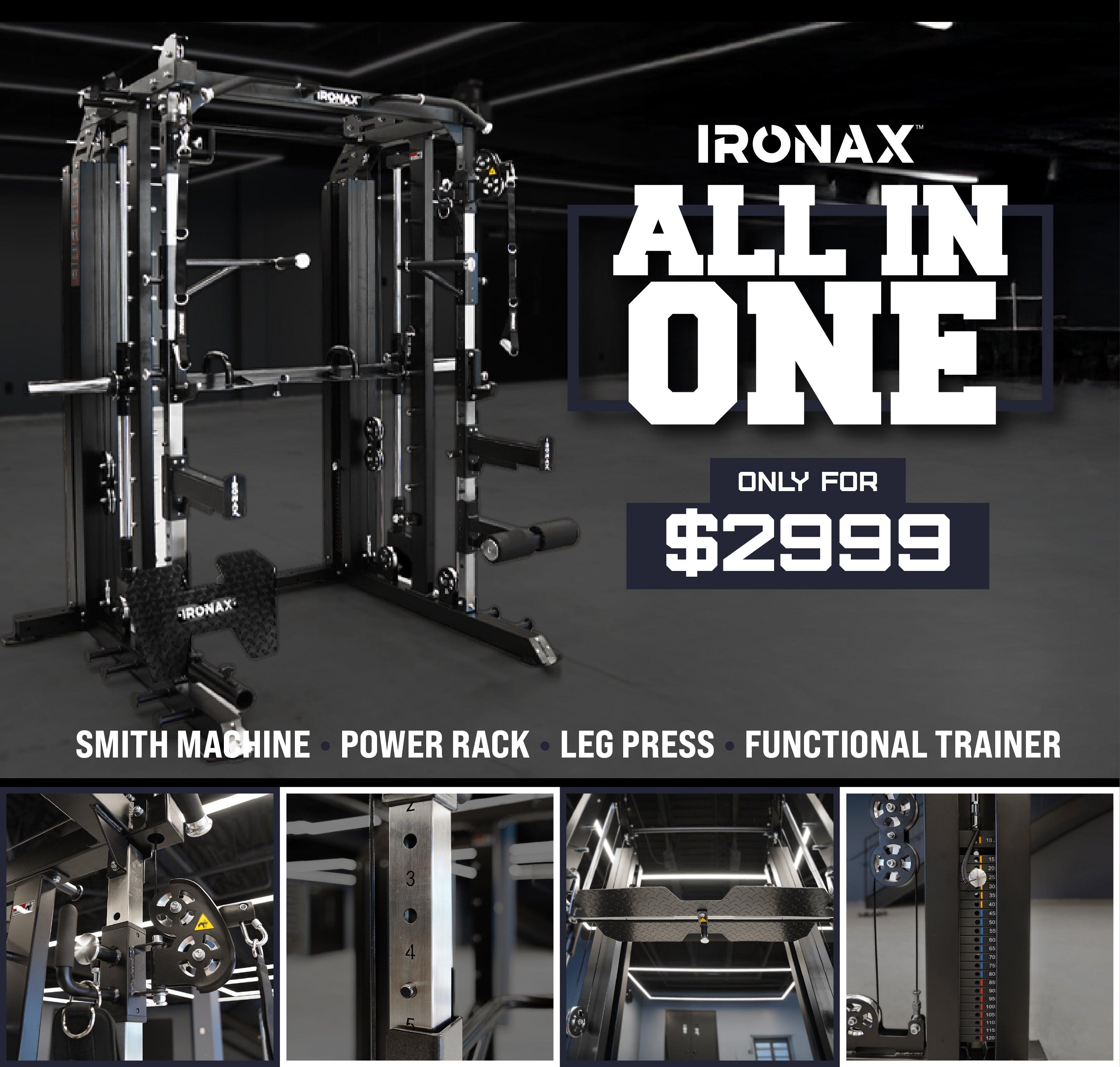
Power racks and squat stands are must-haves if you want to lift heavy safely. A power rack provides adjustable safety bars, allowing you to push your limits without a spotter. Squat stands take up less space but still offer solid support for exercises like squats and overhead presses.
Think about how many times you’ve hesitated to add more weight because you didn’t have a spotter. A power rack solves that problem, giving you confidence to progress. Would your training improve if you felt safer lifting heavier?
Benches And Adjustable Seats
Benches open up a wide range of exercises beyond just squats and deadlifts. Adjustable benches let you switch between flat, incline, and decline positions, targeting different muscle groups. They’re great for presses, rows, and even core work.
Choosing the right bench can change your workout variety and results. Do you currently limit your exercises because you don’t have a versatile bench? Investing in one could add new challenges to your routine.
Cable Machines And Pulley Systems
Cable machines provide constant tension throughout the movement, which is hard to match with free weights. Pulley systems allow you to train muscles from different angles and with controlled resistance. They’re perfect for isolation exercises like tricep pushdowns or cable crossovers.
If you want to balance your strength training with targeted muscle work, cable machines are invaluable. How often do you include cable exercises to complement your heavy lifts? Adding them might help fix imbalances and improve muscle definition.
Functional Fitness Tools
Functional fitness tools help build strength, balance, and coordination. These tools mimic real-life movements. They improve overall body control and endurance. Using functional fitness equipment makes workouts more dynamic and engaging.
Battle Ropes And Jump Ropes
Battle ropes offer a full-body workout. They improve muscle endurance and cardiovascular health. Users swing, slam, and whip the ropes to boost power and stamina.
Jump ropes enhance agility and coordination. They increase heart rate quickly, supporting fat loss. Jump rope exercises suit all fitness levels.
Plyometric Boxes And Sandbags
Plyometric boxes help build explosive strength. Athletes jump on and off the boxes to develop speed and power. These boxes come in various heights for different skill levels.
Sandbags challenge stability and strength. Lifting and carrying sandbags improve core muscles and grip. Sandbags add variety to traditional weight training.
Trx And Suspension Trainers
TRX and suspension trainers use body weight for resistance. They increase strength, balance, and flexibility. These tools allow many exercises targeting different muscle groups.
Suspension training is gentle on joints. It suits beginners and advanced users. Adjusting body angle changes workout intensity easily.

Credit: treadmillfactory.ca
Setting Up Your Space
Setting up your gym space is key to creating a comfortable workout area. It helps you stay motivated and safe. Planning the layout ensures you use your space well. Choosing the right elements makes exercise easier and more fun. Focus on three main parts: flooring, mirrors and lighting, and storage solutions.
Flooring Options
Good flooring protects your floor and your body. Choose flooring that absorbs shock and prevents slips. Rubber mats are popular for home gyms. They are soft, durable, and easy to clean. Foam tiles work well for lighter exercises. Hardwood floors look nice but may need extra mats. Avoid carpets as they can trap sweat and dirt.
Mirrors And Lighting
Mirrors help you check your form and stay focused. Place mirrors where you do most exercises. They make the room feel bigger and brighter. Lighting should be bright but not harsh. Natural light is best for energy and mood. Use LED lights to save energy and reduce heat. Avoid dark corners that cause strain or accidents.
Storage Solutions
Keep your gym neat with smart storage. Use shelves or racks for weights and bands. Hooks on walls hold jump ropes and resistance bands. Storage bins help organize small items like gloves or towels. A tidy space makes workouts smoother and safer. It also saves time finding equipment.
Maintaining Gym Equipment
Maintaining gym equipment keeps machines safe and working well. Regular care extends the life of your gear. It also helps prevent accidents and costly repairs. Simple habits protect your investment and improve workout quality.
Cleaning And Care Tips
Wipe down machines after each use. Use a soft cloth and mild cleaner. Avoid harsh chemicals that can damage surfaces. Clean sweat and dust from seats, handles, and screens. Lubricate moving parts as recommended in the manual. Keep equipment dry to stop rust and wear.
Regular Inspections
Check bolts and screws for tightness often. Look for cracks or worn parts on weights and cables. Test machines for smooth operation without noise or resistance. Replace any damaged pieces quickly to avoid injury. Schedule monthly full inspections for all equipment.
Troubleshooting Common Issues
Listen for unusual sounds like grinding or squeaking. Check cables for fraying or loose connections. Adjust tension on resistance machines if they feel off. Reset electronic displays by unplugging and plugging back. Contact a professional for complex repairs or electrical faults.

Credit: www.amazon.ca
Safety Tips For Home Gyms
Setting up a home gym is exciting, but safety should always be your top priority. Without the supervision of a trainer or spotter, you must be extra cautious to avoid injuries. Paying attention to how you use your equipment, warming up properly, and being ready for emergencies can make all the difference in your workout experience.
Proper Equipment Use
Each piece of gym equipment comes with specific instructions that you should follow closely. Ignoring these guidelines can lead to accidents or damage to your gear. Take time to learn how to adjust settings like weight, height, or resistance before you start your workout.
Have you ever tried lifting heavier weights without knowing the correct form? It often leads to strains or worse injuries. Use mirrors or record yourself to check your posture, and don’t hesitate to consult online tutorials or manuals.
Warm-up And Cool-down Routines
Jumping straight into intense exercises increases your injury risk. Start with 5 to 10 minutes of light cardio or dynamic stretches to get your muscles ready. This helps improve blood flow and reduces stiffness.
After your workout, cool down with gentle stretches or slow walking to help your body recover. Ignoring this step can cause muscle tightness and delay healing. Have you noticed how much better you feel when you take time to cool down properly?
Emergency Preparedness
Accidents can happen even in the safest environments. Keep a first aid kit nearby and know how to use it. Having emergency contact numbers visible and easily accessible is also wise.
Consider installing a phone or smartwatch in your workout area to call for help quickly if needed. Do you have a plan in case something unexpected happens during your workout? Preparing now can save crucial time later.
Frequently Asked Questions
What Are The Essential Gym Equipment For Beginners?
Essential gym equipment for beginners includes dumbbells, resistance bands, a treadmill, and a stability ball. These tools help build strength, improve cardio, and enhance flexibility safely. Starting with basic equipment ensures proper form and reduces injury risk while maximizing workout effectiveness.
How To Choose The Right Gym Equipment For Home Use?
Choose gym equipment based on your fitness goals, space, and budget. Prioritize versatile items like adjustable dumbbells, resistance bands, or a compact treadmill. Ensure the equipment is durable and fits your workout style for consistent motivation and effective home training sessions.
What Benefits Do Strength Training Machines Provide?
Strength training machines guide your movement, reducing injury risk and improving muscle targeting. They are ideal for beginners and those recovering from injuries. Machines help isolate muscles for balanced strength development and allow controlled progression with adjustable resistance levels.
How Often Should Gym Equipment Be Cleaned?
Gym equipment should be cleaned after each use to maintain hygiene and prevent germs. Use disinfectant wipes or sprays on handles, seats, and touchpoints. Regular cleaning keeps equipment safe, extends its lifespan, and ensures a pleasant workout environment for all users.
Conclusion
Choosing the right gym equipment helps you reach fitness goals faster. Each piece serves a purpose for strength, cardio, or flexibility. Simple machines can build muscle and improve health effectively. Using a variety keeps workouts fun and less boring. Start with basics and add tools as you progress.
Stay consistent, and results will follow. Enjoy your fitness journey with all gym equipment!







