
Imagine stepping into your own fitness zone without leaving your house. A home basement gym can turn that dream into reality.
You don’t have to worry about crowded gyms, expensive memberships, or wasted travel time. Instead, you get a private space designed just for your workouts. You’ll discover how to create a basement gym that fits your style, budget, and goals.
Ready to transform your basement into the ultimate fitness spot? Keep reading, and let’s make it happen together.
Choosing The Right Space
Choosing the right space for a home basement gym sets the foundation for a safe and effective workout area. The basement offers privacy and often extra room, but not all parts are suitable. Careful planning helps create a comfortable and functional gym that motivates regular exercise.
Assessing Basement Conditions
Check the basement for moisture or leaks. Dampness can damage gym equipment and cause mold. Look for cracks in walls or floors. Test the floor’s strength to support heavy weights. Basement ceilings should be high enough to allow comfortable movement. Identify any plumbing or wiring that may interfere with the setup. A dry, stable space makes workouts safe and pleasant.
Measuring Available Area
Measure the length, width, and height of the space. Write down the exact dimensions. Consider the types of equipment you want. Some machines need more space to operate. Leave room for stretching and movement. Plan pathways for easy access around equipment. Accurate measurements prevent overcrowding and improve workout flow.
Planning For Ventilation And Lighting
Good air flow helps reduce odors and keeps the room fresh. Install fans or vents if the basement feels stuffy. Natural light boosts mood and energy. If windows are small or absent, add bright, soft lighting. Avoid harsh lights that cause glare. Aim for a well-lit, airy gym to stay motivated and alert during workouts.

Credit: www.patrickafinn.com
Designing Your Gym Layout
Creating a home basement gym needs smart space planning for safety and ease of use. Place machines and weights where you move freely and keep good light and air flow.
Designing your home basement gym layout can be a fun and rewarding process. It’s your space, so why not make it as functional and motivating as possible? By thoughtfully arranging your gym, you can create an environment that supports your fitness goals and keeps you excited to work out.Zoning For Different Workouts
Creating specific zones for different types of exercises can help you stay organized and focused. Think about dividing your space into sections for cardio, strength training, and stretching. This not only helps in maintaining cleanliness but also ensures that you can transition smoothly between different workout routines. Consider the equipment you already have and plan accordingly. If you have a treadmill, place it near a window for natural light and a view. A corner for yoga or stretching with a mat can make your gym feel more inviting and less cluttered.Incorporating Storage Solutions
Storage is crucial to keeping your gym tidy and functional. Wall-mounted racks for weights, hooks for resistance bands, and shelves for smaller items can save space and keep everything within reach. Think creatively about vertical space. Use cabinets or pegboards to store items you don’t use daily. This approach not only makes your gym look organized but also maximizes your workout area.Selecting Flooring Options
Choosing the right flooring can significantly impact your workout experience. Rubber flooring is a popular choice because it provides cushioning, noise reduction, and durability. It’s also easy to clean, which is a huge plus if you’re regularly breaking a sweat. If you’re on a budget, foam tiles offer a cost-effective alternative. They are easy to install and can be replaced individually if damaged. Consider the type of workouts you’ll be doing most often and choose a flooring that can handle the impact and wear. How will you design your basement gym to make it a place you love to be? With these tips, you’ll be on your way to creating a space that’s both functional and inspiring.Essential Gym Equipment
Setting up your home basement gym means choosing the right equipment that fits your space and goals. Essential gym equipment covers everything from cardio to strength and flexibility tools. Picking the right gear keeps your workouts effective and enjoyable.
Cardio Machines
Cardio machines help boost your heart health and burn calories efficiently. Treadmills are a classic choice, great for walking or running indoors regardless of weather. If space is tight, a compact rowing machine or stationary bike offers a full-body workout without taking much room.
Consider your fitness level and preferences. Do you enjoy steady-state cardio or interval training? Machines with adjustable resistance or incline can keep your sessions challenging as you improve.
Strength Training Gear
Strength gear builds muscle and improves bone density, which is key for long-term health. Dumbbells and kettlebells are versatile and easy to store; they let you do a wide range of exercises. A sturdy bench and adjustable barbell rack can elevate your workout options if you have more space.
Don’t overlook resistance bands—they add variety and are gentle on joints. Think about what muscles you want to target and choose equipment that lets you work those areas effectively. What strength goals do you want to reach in your basement gym?
Flexibility And Recovery Tools
Flexibility and recovery tools help prevent injuries and reduce soreness after tough workouts. Foam rollers and massage balls are affordable and effective for muscle release. A yoga mat is essential for stretching, mobility work, and cooldown routines.
Adding a balance board or stretch straps can improve your range of motion and stability. Have you tried incorporating recovery tools into your routine? They can make a big difference in how your body feels day to day.

Credit: www.reddit.com
Lighting And Ambiance
Lighting and ambiance play a crucial role in transforming your home basement gym into a space where you feel motivated and energized. The right light can boost your mood and improve workout performance, while poor lighting can make the space feel gloomy and uninspiring. Let’s look at how you can create a bright, welcoming environment that keeps you coming back for every session.
Maximizing Natural Light
Natural light instantly lifts the energy of any room. If your basement has windows, keep them unobstructed to let in as much daylight as possible. Use light-colored, sheer curtains to soften the light without blocking it.
Reflect on your own workout spaces: have you noticed how a sunlit room makes exercising easier? Position your workout area near windows to take advantage of this natural boost.
If your basement lacks windows, consider installing a light tube or a small window well to bring in daylight. Even a small source of natural light can make a big difference.
Choosing Artificial Lighting
Artificial lighting should mimic natural daylight to keep you alert and focused. Use bright, white LED bulbs with a color temperature between 5000K and 6500K. These bulbs provide a clean, crisp light that helps reduce eye strain and keeps your energy up.
Layer your lighting with a mix of overhead lights and adjustable task lighting. For example, ceiling-mounted LED panels combined with adjustable wall sconces or floor lamps allow you to control the mood depending on your workout.
Have you tried installing dimmable lights? They let you shift from high-energy workouts to cool-down stretches with the perfect lighting intensity.
Adding Mirrors And Decor
Mirrors do more than help you check your form; they amplify light and open up the space visually. Position large mirrors opposite windows or light sources to reflect and spread light throughout the room.
Decor can influence your mindset too. Choose bright colors for walls or accent pieces to keep the atmosphere lively. Simple motivational posters or greenery can add personality without clutter.
Think about how your space feels—does it inspire you? Small touches like a colorful rug or a few plants can improve your mood and make your basement gym a place you look forward to using.
Safety And Maintenance
Keeping your home basement gym safe and well-maintained protects your health and workout quality. Safety and maintenance help avoid accidents and equipment damage. They also create a pleasant exercise space that encourages regular use.
Ensuring Proper Ventilation
Good air flow stops the room from feeling stuffy or damp. It lowers the risk of breathing problems during exercise. Use fans or install vents to keep air moving. Open windows if possible to bring fresh air inside. Proper ventilation also helps control temperature and reduces odors.
Moisture And Mold Prevention
Basements often have moisture issues that cause mold growth. Mold harms health and damages walls and floors. Use a dehumidifier to keep humidity levels low. Check for leaks or water seepage regularly. Clean spills quickly and dry wet areas to prevent mold. Use mold-resistant paint and seal cracks to protect surfaces.
Regular Equipment Checks
Inspect your gym tools before each use. Look for loose bolts, worn cables, or cracked parts. Tighten screws and replace broken components right away. Clean machines and mats to remove dust and sweat. Proper care extends equipment life and keeps workouts safe. Schedule deep cleaning and maintenance monthly or as recommended.
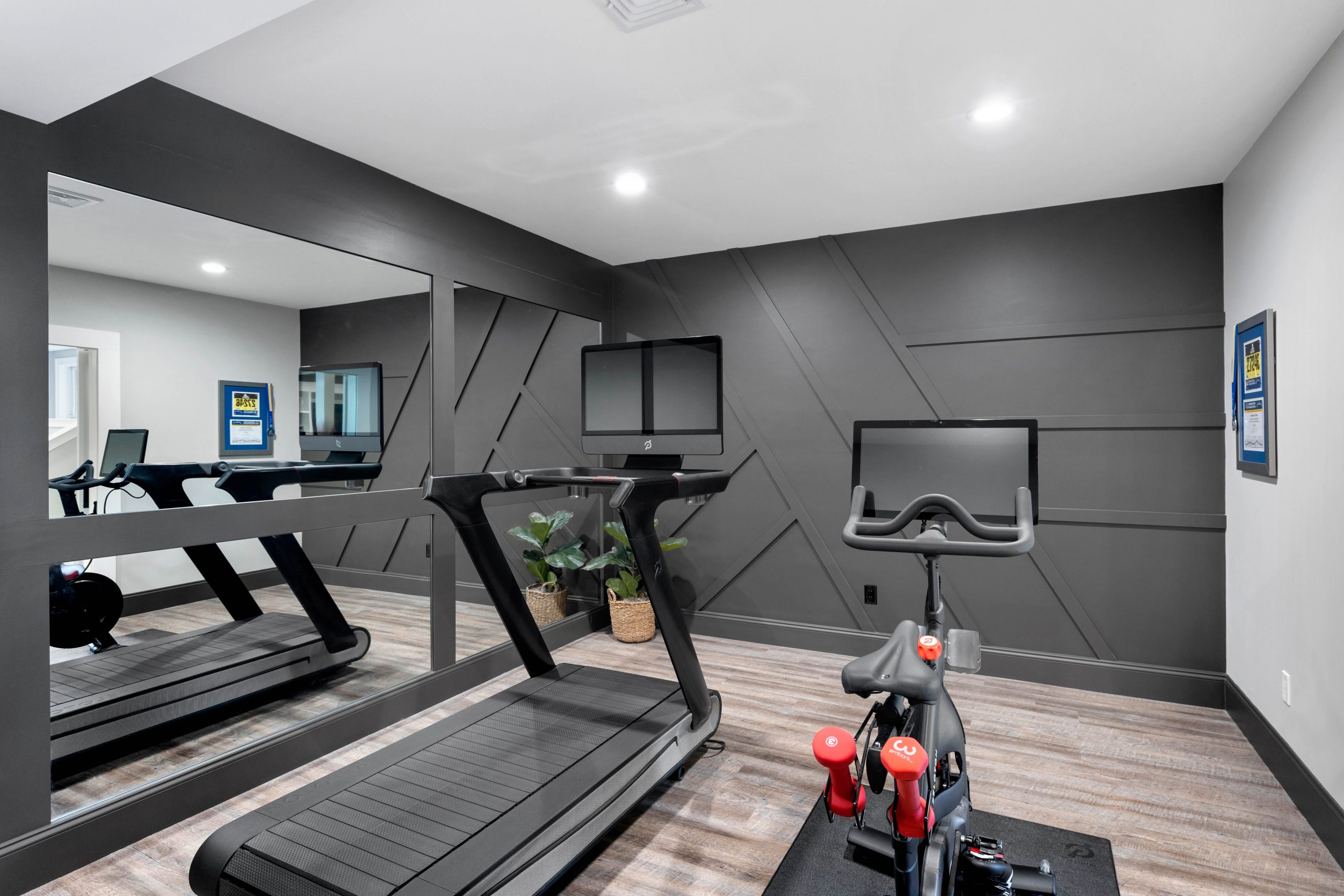
Credit: www.jmconstructionco.com
Budgeting Your Gym Build
Building a home basement gym can quickly become costly if you don’t plan your budget carefully. Knowing how much you need to spend and where to spend it will save you money and frustration. It’s about making smart choices that fit your fitness goals without breaking the bank.
Estimating Costs
Start by listing all the equipment and materials you want. Prices can vary widely, from a simple yoga mat to a high-end treadmill.
- Basic items like dumbbells or resistance bands: $50 – $200
- Cardio machines such as ellipticals or stationary bikes: $300 – $2,000
- Flooring and mirrors: $100 – $500
- Lighting and ventilation improvements: $100 – $300
Don’t forget to add costs for any renovation work, like painting or electrical upgrades. Setting a total target budget early helps you avoid impulse buys. What would you cut first if you had to lower your budget by 20%?
Prioritizing Purchases
Focus on essentials before splurging on extras. For example, start with weights and a bench if strength training is your priority.
Next, add cardio equipment if space and money allow. You can always add more gear later as your budget grows.
- Must-haves: versatile equipment that targets multiple muscle groups
- Nice-to-haves: specialty machines or gadgets
- Optional: decorations or luxury items like sound systems
Think about what you’ll actually use daily. Would you rather invest in a quality pair of running shoes or a fancy punching bag?
Diy Vs Professional Help
Deciding whether to do the work yourself or hire professionals can affect your budget significantly. Painting walls or installing rubber flooring can be a weekend project.
But electrical work or structural changes should be left to experts to ensure safety. I once tried to wire a light fixture myself and ended up calling an electrician anyway, which cost me more than just hiring help initially.
Weigh the cost of your time and potential mistakes against hiring a pro. Could you save money by learning a skill, or is it smarter to focus on workouts and leave construction to someone else?
Motivation And Routine Tips
Creating a home basement gym is exciting, but staying motivated is key. A strong routine helps keep workouts consistent and enjoyable. Motivation and routine tips guide you to build lasting habits.
Setting Goals
Clear goals give purpose to your workouts. Choose goals that are simple and realistic. For example, aim to exercise three times per week or increase weights gradually. Write your goals down and place them where you can see daily.
Creating Workout Schedules
Plan your workouts ahead. A set schedule reduces excuses and builds discipline. Mix different exercises to keep routines interesting. Balance strength, cardio, and flexibility training. Use a calendar or app to block workout times and stick to them.
Tracking Progress
Keep track of your achievements to stay motivated. Record workouts, weights, reps, and how you feel. Tracking shows improvements and highlights areas to focus on. Use a journal, spreadsheet, or fitness app for easy tracking.
Frequently Asked Questions
What Equipment Is Essential For A Home Basement Gym?
Essential equipment includes a treadmill, dumbbells, resistance bands, a bench, and a yoga mat. These items suit various workouts and save space.
How To Make A Basement Gym Well-ventilated?
Install fans, use dehumidifiers, and open windows if possible. Proper ventilation prevents mold and keeps air fresh during workouts.
What Flooring Is Best For A Basement Gym?
Rubber flooring or foam mats are ideal. They provide cushioning, reduce noise, and protect the floor from heavy equipment damage.
How To Optimize Lighting In A Basement Gym?
Use bright LED lights and add mirrors to reflect light. Good lighting enhances motivation and ensures safety during exercises.
Conclusion
Creating a home basement gym saves time and money. It helps you stay fit without leaving home. You can choose equipment that fits your needs and space. A basement gym offers privacy and comfort for workouts. Regular exercise improves health and boosts energy.
Start small and add gear as you go. Consistency is key to seeing good results. Your basement can become a place for strength and wellness. Make it a habit, and enjoy the benefits every day.







