
Finding time to work out can feel impossible when your day is packed. You want to stay healthy and fit, but your schedule just won’t cooperate.
What if you could unlock simple tricks to fit exercise into your busy life without stress? Imagine having more energy, better mood, and stronger body—all without needing extra hours. Keep reading to discover how you can make time to workout, starting today.
This guide is made just for you, with easy steps that actually work. Don’t let a busy life hold you back anymore.
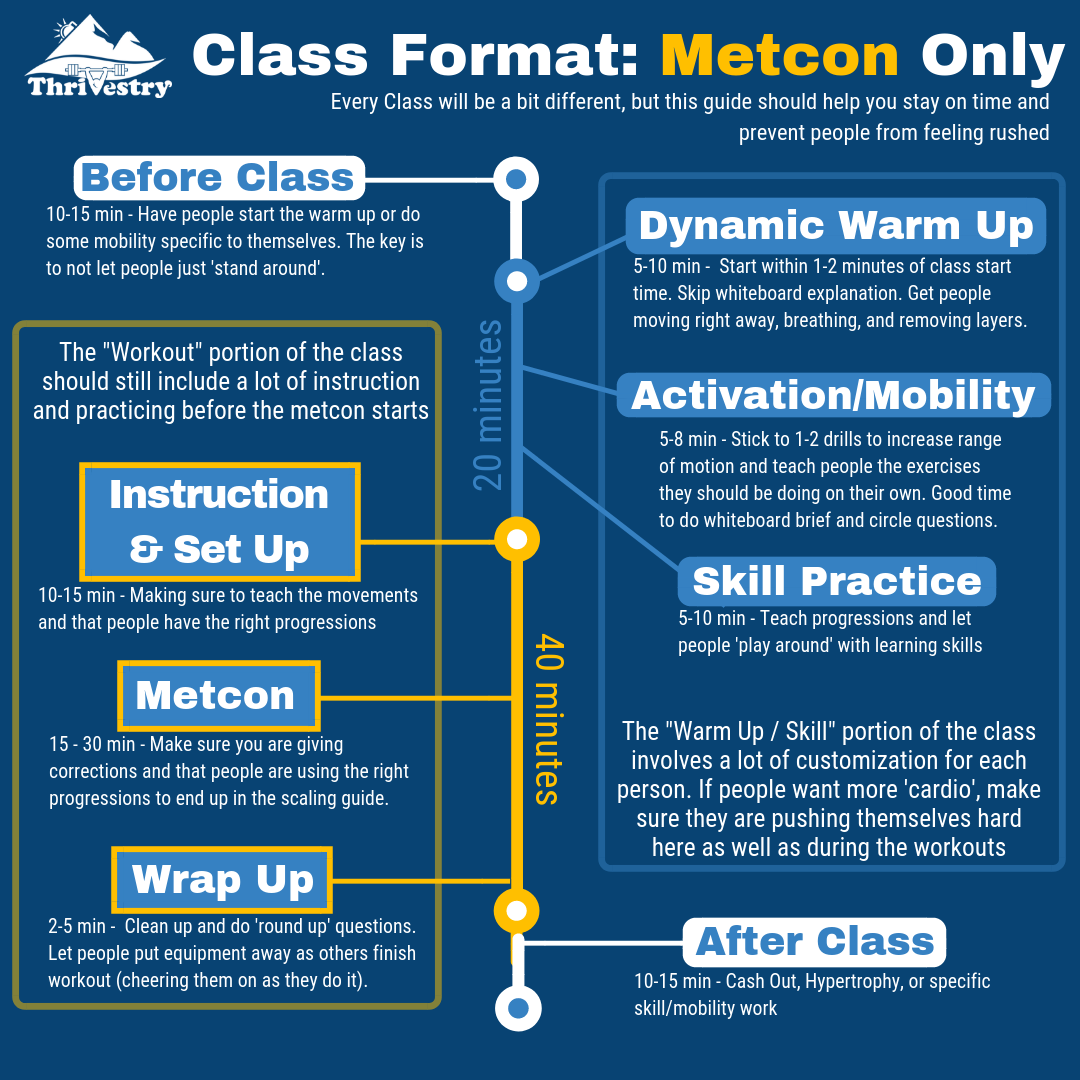
Credit: thrivestry.simplero.com
Benefits Of Regular Exercise
Regular exercise does more than just improve your physical appearance. It plays a vital role in your overall health and well-being. Understanding these benefits can motivate you to make time for workouts even on your busiest days.
Improves Mental Health And Mood
Exercise helps reduce stress and anxiety by releasing feel-good hormones like endorphins. It can also improve your sleep, which is essential for mental clarity and emotional balance. Have you noticed how a quick workout can brighten your entire day?
Boosts Energy Levels
Working out regularly increases your stamina and reduces feelings of fatigue. Your body becomes more efficient at delivering oxygen and nutrients to your tissues. Imagine having more energy to tackle your daily tasks without feeling drained.
Strengthens Your Immune System
Consistent physical activity can help your body fight off illnesses. It promotes good circulation, which allows immune cells to move freely and do their job effectively. Could a simple habit like daily exercise reduce your sick days?
Supports Weight Management
Exercise helps burn calories and build muscle, making it easier to maintain a healthy weight. It also regulates your metabolism and appetite. What small changes in your routine could help you stay on track with your fitness goals?
Enhances Brain Function
Physical activity increases blood flow to the brain, improving memory and concentration. It may even reduce the risk of cognitive decline as you age. How would sharper focus and clearer thinking impact your productivity?

Credit: www.threads.com
Common Time Challenges
Finding time to workout can feel like trying to fit a puzzle piece into a space that seems just a tad too small. With busy schedules and endless commitments, making time for exercise often takes a backseat. Let’s dive into some common time challenges and explore how to overcome them.
Work Commitments
Your job can be a major roadblock to your fitness goals. Long hours, meetings, and deadlines can drain your energy and motivation. Consider scheduling workouts during lunch breaks or right after work to ensure you make time for your health.
Family Obligations
Family duties can stretch your schedule thin. Whether it’s picking up kids, cooking meals, or attending family events, your time is precious. Try involving your family in your workouts or setting a specific time for exercise when your responsibilities are fewer.
Social Life
Your social life can sometimes interfere with your workout plans. Weekend gatherings or evening outings can disrupt your exercise routine. Prioritize your fitness by planning workouts early in the morning or suggesting active meetups with friends.
Travel
Frequent travel can make it hard to stick to a workout routine. Airports, hotels, and new environments can be challenging. Pack workout gear and explore quick exercises you can do in a hotel room or on the go.
Procrastination
Putting off workouts is a common hurdle. The longer you delay, the harder it feels to get started. Set clear goals and reminders to keep yourself accountable and motivated.
Are you facing any of these challenges? Recognizing them is the first step to overcoming them and making time for what truly matters—your health and well-being.
Prioritize Workouts
Making workouts a priority helps create a steady fitness habit. It turns exercise into a non-negotiable part of your day. Prioritizing means treating workouts like important tasks that deserve time and focus.
Set Realistic Goals
Choose workout goals that match your current lifestyle. Small, clear goals feel doable and keep motivation high. For example, aim for 20 minutes of exercise three times a week. Gradually increase as you build confidence and strength. Realistic goals prevent burnout and make progress visible.
Schedule Workouts Like Meetings
Block specific times on your calendar for workouts. Treat these times as fixed appointments you cannot miss. Use phone reminders or alarms to stay on track. This approach helps protect workout time from other distractions. Scheduling workouts creates routine and builds discipline.
Maximize Short Sessions
Short workout sessions can fit into the busiest days. Small bursts of exercise help keep the body active and strong. Even ten minutes can make a difference. The key is to focus on intensity and efficiency. Maximize every minute to get the best results.
High-intensity Interval Training
High-Intensity Interval Training (HIIT) uses quick bursts of hard work followed by rest. This style boosts your heart rate fast. It burns calories even after you stop. A typical HIIT session lasts 10 to 20 minutes.
- Choose 3 to 5 exercises like jumping jacks or push-ups.
- Work hard for 20 to 30 seconds.
- Rest for 10 to 20 seconds.
- Repeat the cycle 3 to 4 times.
HIIT suits all fitness levels. It builds strength and endurance quickly. No special equipment needed. Perfect for tight schedules.
Quick Home Workouts
Home workouts save time spent on travel. Use simple moves that target many muscles. Squats, planks, and lunges work well. Combine these moves for a full-body routine.
- Set a timer for 10 to 15 minutes.
- Move from one exercise to the next with little rest.
- Focus on form, not speed.
Keep your workout space clear and ready. Use household items like chairs for support. Quick home workouts fit perfectly into breaks or before bed. Consistency is the secret to progress.
Incorporate Activity Into Daily Life
Finding time for workouts can be tough, but adding movement into your daily routine makes a big difference. Instead of setting aside separate hours, you can sneak in exercise through simple changes. These small shifts not only boost your activity but also keep you energized throughout the day.
Active Commuting
Could your trip to work or school become your workout? Walking or biking instead of driving adds valuable exercise without extra time. Even parking farther away or getting off public transport a stop early increases your step count.
Try swapping a short car ride for a brisk walk. If cycling feels too long, mix it with public transport for a balanced approach. These habits build consistency and fit seamlessly into your busy schedule.
Exercise During Breaks
Breaks at work or home offer perfect moments to move. Instead of scrolling on your phone, stretch or do quick exercises like squats or jumping jacks. These bursts of activity refresh your mind and body.
You can set a timer every hour to remind yourself to stand or walk around. A few minutes of physical activity during breaks can add up, making a noticeable impact on your fitness over time. How often do you use your breaks to recharge with movement?
Use Technology For Motivation
Technology can be your best workout partner. It keeps you motivated by tracking progress and making fitness fun. You don’t have to guess if you’re improving—you’ll see your results clearly.
Fitness Apps
Fitness apps offer tailored workout plans that fit your schedule. They remind you to exercise and help you set realistic goals. Some apps even include social features, so you can challenge friends or join communities.
Imagine getting a notification that your daily walk counts toward your weekly goal. That little nudge can push you to get moving even on busy days. Have you tried apps that turn workouts into games or challenges? They make staying active less of a chore.
Wearable Trackers
Wearable trackers monitor your heart rate, steps, and calories burned throughout the day. Seeing your activity in real-time encourages you to keep going or take short breaks to stretch. It’s like having a coach on your wrist, reminding you to stay active.
When I started wearing a tracker, I noticed how often I sat for hours. That awareness alone helped me take quick walks. Could a tracker help you spot habits that slow your progress?
Stay Accountable
Staying accountable is a powerful way to make sure your workouts actually happen. When you have someone or a group relying on you, skipping a session feels less tempting. Accountability can turn your good intentions into consistent action, helping you build a lasting fitness habit.
Workout Buddies
Having a workout buddy changes everything. You’re not just exercising for yourself—you’re showing up for someone else too. This shared commitment makes it harder to cancel or skip workouts at the last minute.
Pick someone with similar goals or fitness levels. This keeps things motivating and prevents one person from feeling left behind. You can cheer each other on, celebrate small wins, and push through tough workouts together.
Think about the last time you felt motivated by a friend’s enthusiasm. Can you create that same energy in your fitness routine? Scheduling regular workout dates with a buddy can turn exercise into a social, enjoyable event rather than a chore.
Join Fitness Groups
Joining a fitness group adds a broader sense of accountability. Whether it’s a local running club, a yoga class, or an online community, being part of a group connects you with people who share your commitment.
Groups often have structured schedules and challenges, which encourage you to stick to your routine. Plus, the variety of workouts and social interaction keeps things fresh and exciting.
Many people find that seeing others’ progress inspires them to keep going. Could joining a group give you that extra push you need? The key is to find a community that fits your interests and schedule, so you look forward to every session.
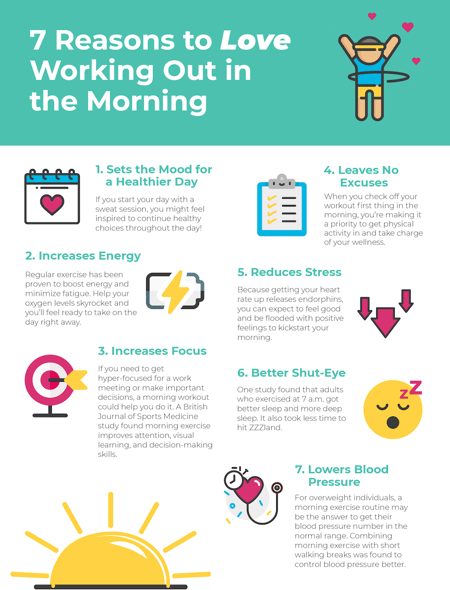
Credit: info.totalwellnesshealth.com
Adjust Mindset For Success
Changing how you think about working out can make a huge difference in finding time for it. Instead of seeing exercise as a chore or a time-consuming task, try to view it as a chance to improve your mood and energy. Your mindset shapes your daily choices, so adjusting it can help you stick with workouts even when life gets busy.
Focus On Consistency
Consistency beats intensity. You don’t need to work out for hours every day. Just showing up regularly, even for 10 to 15 minutes, builds a habit that lasts.
Ask yourself: Can you commit to a few minutes daily instead of waiting for the “perfect” block of time? Small, steady efforts add up faster than occasional intense sessions.
When I started exercising, I made a rule to move my body every day, no matter what. Some days it was a quick stretch, others a jog. This mindset kept me on track way more than pushing hard only once a week.
Celebrate Small Wins
Every workout counts, no matter how short or easy. Recognizing these small victories keeps motivation high and makes you want to continue.
- Finished a 10-minute walk? That’s progress.
- Did a few push-ups? You’re getting stronger.
- Chose stairs over the elevator? You made a healthy choice.
Try writing down your daily achievements, even the tiny ones. Seeing your progress in black and white can boost your confidence and remind you why you’re making time to exercise.
Frequently Asked Questions
How Can I Find Time To Workout Daily?
Prioritize workouts by scheduling them as appointments. Use early mornings or lunch breaks for exercise. Keep sessions short but effective to stay consistent and motivated.
What Are Quick Workouts For Busy Schedules?
High-intensity interval training (HIIT) and circuit training are ideal. They boost metabolism and require 15-30 minutes. These workouts maximize benefits with minimal time investment.
How Do I Stay Motivated To Workout Regularly?
Set clear, achievable goals and track progress. Mix workout routines to avoid boredom. Reward yourself for milestones to maintain motivation and consistency.
Can I Workout Effectively At Home With No Equipment?
Yes, bodyweight exercises like push-ups, squats, and planks are effective. They build strength and improve fitness without needing equipment. Consistency is key for results.
Conclusion
Making time to workout is possible with small changes. Start by planning your day and setting clear goals. Choose activities you enjoy to stay motivated. Remember, even short sessions help your health and mood. Keep your schedule flexible to avoid stress.
Stay consistent and patient with your progress. Your body and mind will thank you. Keep moving forward, one step at a time.







