
Are you ready to take control of your fitness journey but feel unsure where to start? Setting clear, achievable goals can make all the difference between giving up and reaching your dream results.
The right goal-setting methods don’t just keep you on track—they boost your motivation and help you celebrate every win along the way. You’ll discover the best goal-setting strategies designed specifically for fitness beginners like you. These simple, powerful techniques will help you stay focused, overcome obstacles, and turn your fitness dreams into reality.
Keep reading, because your path to success starts here.
Smart Goals For Fitness
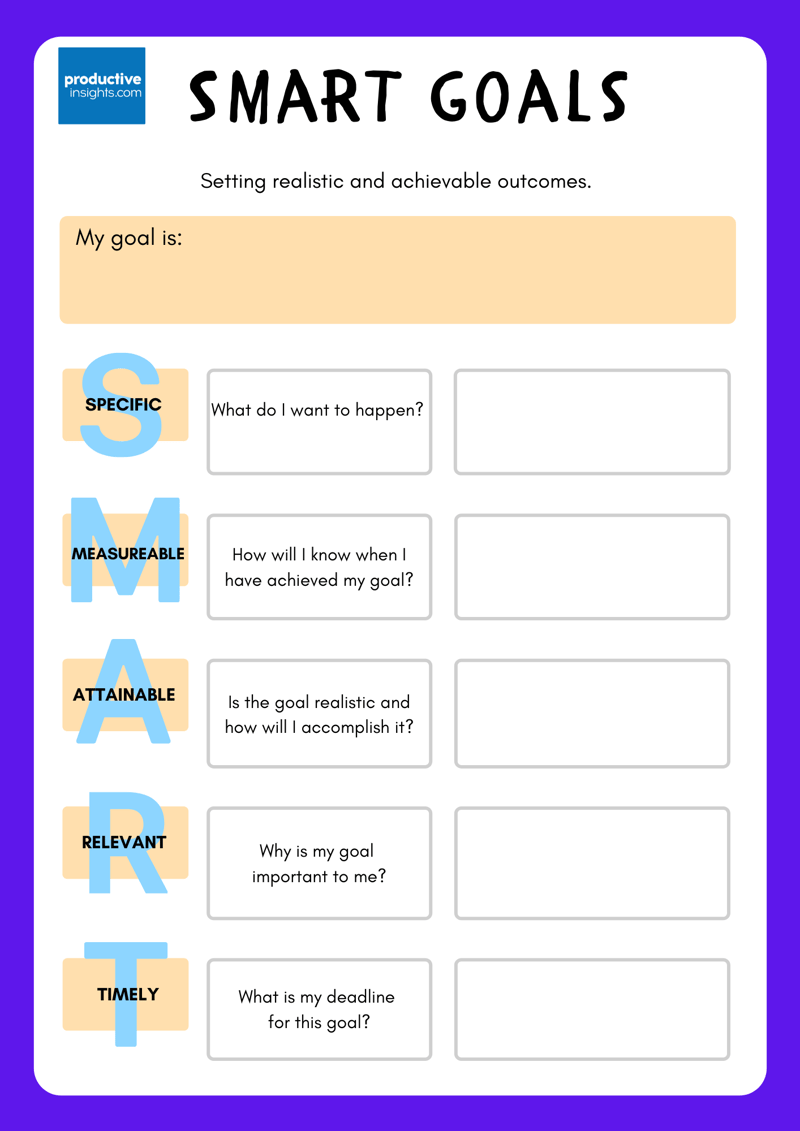
Setting goals is vital for fitness beginners. SMART goals provide a clear path to success. They help focus efforts and track improvements. SMART stands for Specific, Measurable, Achievable, Relevant, and Time-bound. Each part guides you to create strong and realistic fitness targets.
Specific Targets
Specific goals define exactly what you want to achieve. Instead of saying “I want to get fit,” try “I want to jog 1 mile without stopping.” Clear targets keep motivation high. They remove confusion and make your aim easy to understand.
Measurable Progress
Measure your progress to see real improvement. Use numbers like weight lifted, miles run, or minutes exercised. Tracking progress helps you stay on track. It also shows how far you have come.
Achievable Plans
Set goals you can reach with effort. Avoid targets that are too hard or easy. Achievable plans keep you motivated and prevent burnout. Break big goals into smaller steps to make them manageable.
Relevant Objectives
Your goals should match your fitness needs and lifestyle. Focus on what matters to you. For example, if you want more energy, choose activities that boost stamina. Relevant goals make your fitness journey meaningful.
Time-bound Deadlines
Set a clear deadline to complete your goals. This creates a sense of urgency and focus. Deadlines help avoid procrastination. For example, aim to run 1 mile in three weeks. Time limits push you to stay committed.
Credit: www.nourishmovelove.com
Setting Realistic Expectations
Setting realistic expectations helps beginners stay motivated and avoid frustration. Small, clear goals lead to steady progress and lasting fitness habits.
Setting Realistic Expectations Embarking on a fitness journey as a beginner can be both exciting and daunting. Setting realistic expectations is crucial to avoid frustration and ensure long-term success. By understanding your capabilities and limitations, you can create achievable goals that motivate rather than discourage.Assessing Starting Point
Before setting goals, it’s essential to assess your current fitness level. This can involve simple activities like timing how long you can jog without stopping or measuring how many push-ups you can do. Knowing your starting point helps set a baseline to track progress, which boosts motivation over time. Consider seeking advice from a fitness professional to get a more accurate assessment. They can help identify strengths and areas for improvement. This knowledge becomes the foundation of your goal-setting process, ensuring it’s tailored to your unique needs.Avoiding Overcommitment
It’s tempting to jump in with both feet and set ambitious goals. However, overcommitting can lead to burnout and injury. Start with small, manageable goals that you can consistently meet. Think about your schedule and lifestyle. How much time can you realistically dedicate to fitness each week? It’s better to set a modest goal that you can achieve, rather than an ambitious one that leaves you feeling overwhelmed.Balancing Challenge And Ability
Goals should be challenging yet attainable. If a goal is too easy, it won’t push you to grow. If it’s too difficult, it may become discouraging. Ask yourself, does this goal push me slightly outside my comfort zone while still feeling achievable? Perhaps you aim to increase your daily step count by 1,000 steps every week. This kind of incremental challenge keeps you motivated and engaged. Remember, the goal-setting process is personal. What works for others may not work for you. Stay focused on your journey and celebrate your progress, no matter how small it seems.Short-term Vs Long-term Goals
Balancing short-term and long-term goals is crucial when starting your fitness journey. Short-term goals keep you motivated day by day, while long-term goals give you a clear direction for your overall progress. Understanding how to use both effectively can transform your fitness experience and help you stay consistent.
Benefits Of Short-term Goals
Short-term goals provide quick wins that boost your confidence. They are easier to track and adjust, helping you stay focused on immediate actions.
- Breaking down a big goal like “lose 20 pounds” into weekly targets such as “lose 1-2 pounds per week” makes progress feel manageable.
- Short-term goals encourage you to celebrate small victories, which keeps your motivation high.
- They help you identify what works and what doesn’t early on, allowing you to tweak your routine quickly.
Have you noticed how hitting a small milestone sparks more enthusiasm for your workouts?
Maintaining Long-term Vision
Long-term goals keep your fitness journey purposeful. They remind you why you started and guide your daily efforts toward meaningful results.
- Setting a long-term goal like “run a 5K in six months” gives you a clear end point to work towards.
- This vision helps you push through plateaus and setbacks since you know what you’re aiming for.
- Long-term goals also help align your habits with your overall health and lifestyle aspirations.
What’s the big fitness achievement you want to look back on in a year?
Aligning Both For Success
Combining short-term and long-term goals creates a powerful roadmap. Use short-term targets as stepping stones toward your bigger vision.
- For example, if your long-term goal is to build muscle, short-term goals might include increasing your weights progressively each week.
- Regularly reviewing both types of goals helps you stay flexible and avoid frustration when progress slows.
- This alignment allows you to celebrate immediate progress without losing sight of your ultimate fitness aspirations.
How can you adjust your short-term goals this week to better support your long-term success?

Credit: medium.com
Tracking Progress Effectively
Tracking progress effectively keeps fitness beginners motivated and focused. It shows how far they have come and what still needs work. Seeing real results boosts confidence and helps adjust workout plans for better outcomes.
Using Fitness Apps
Fitness apps make tracking simple and fun. They record workouts, steps, calories, and heart rate automatically. Many apps offer reminders to stay active and set daily or weekly goals. Beginners can review their progress anytime and see trends over weeks or months.
Keeping Workout Journals
Writing down workouts helps track details like sets, reps, and weights used. Journals also capture feelings and energy levels during exercise. This information helps understand what works best and when to rest. It’s a personal record that shows small improvements clearly.
Regular Fitness Assessments
Testing fitness regularly measures strength, endurance, and flexibility. Simple tests like timed runs or push-up counts reveal real progress. These assessments highlight strengths and areas needing improvement. Tracking these numbers over time provides clear evidence of growth.
Motivation And Accountability
Motivation and accountability are key to sticking with fitness goals. Motivation drives action, while accountability keeps you responsible. Together, they build a strong foundation for progress and success. Without motivation, workouts feel like chores. Without accountability, goals easily slip away.
Finding ways to stay motivated and accountable helps beginners create lasting habits. Small steps lead to big results. Surrounding yourself with support and rewards can make the journey easier and more enjoyable.
Finding Workout Partners
Working out with a partner boosts motivation instantly. A friend makes exercise more fun and less lonely. Partners encourage each other to show up and push harder. They share progress and celebrate wins together.
- Choose someone with similar fitness goals.
- Set regular workout times that suit both.
- Keep each other accountable with check-ins.
Having a workout buddy creates a sense of commitment. This helps you avoid skipping sessions and stay consistent.
Setting Rewards
Rewards give something to look forward to after hard work. They celebrate milestones and keep motivation high. Rewards don’t have to be big or expensive.
- Treat yourself to a favorite healthy snack.
- Buy new workout clothes after reaching a goal.
- Enjoy a relaxing day off or a massage.
Clear rewards encourage you to keep going. They turn progress into positive experiences.
Joining Fitness Communities
Fitness communities offer support from people who share your goals. They provide advice, inspiration, and motivation. Being part of a group creates accountability.
- Join local workout groups or classes.
- Participate in online fitness forums or social media groups.
- Attend fitness challenges and events.
Communities help you stay connected and motivated. They remind you that you are not alone on your fitness journey.
Credit: www.productiveinsights.com
Adapting Goals Over Time
Adapting your fitness goals over time is essential for continuous progress and motivation. As your body changes and your fitness level improves, sticking to the same goals can lead to frustration or stagnation. Being flexible with your objectives helps you stay challenged and excited about your fitness journey.
Recognizing Plateaus
Hitting a plateau means your progress has slowed or stopped. It’s common and doesn’t mean you’ve failed. Pay attention to your performance and how your body feels; if you’re no longer improving or feeling tired all the time, it might be time to change your goals.
Ask yourself: Are your workouts still pushing you? If not, consider tweaking your routine. Sometimes, adding variety or rest days can break the plateau and renew your energy.
Adjusting Intensity
As you get stronger, your workouts should get tougher too. Increasing intensity can mean lifting heavier weights, running faster, or adding more reps. Small changes like these keep your muscles challenged and prevent boredom.
Don’t rush the process. Gradually increase your intensity to avoid injury. Listen to your body and adjust based on how you feel after each session.
Celebrating Milestones
Recognizing your achievements, no matter how small, boosts your motivation. Set mini-goals along the way and celebrate when you reach them. This could be as simple as completing a week of workouts or improving your running time by a minute.
Rewards don’t have to be big—treat yourself to something you enjoy. How can you celebrate your next milestone to keep your momentum going?
Frequently Asked Questions
What Is The Best Goal Setting Method For Fitness Beginners?
The SMART method is ideal for beginners. It ensures goals are Specific, Measurable, Achievable, Relevant, and Time-bound. This clarity boosts motivation and helps track progress effectively.
How Can Beginners Stay Motivated With Fitness Goals?
Setting small, achievable milestones keeps motivation high. Celebrate each success to build confidence. Regularly revisiting and adjusting goals also maintains enthusiasm.
Why Is Tracking Progress Important In Fitness Goals?
Tracking progress shows improvements and highlights areas needing change. It keeps beginners accountable and motivated. Using apps or journals makes tracking easy and effective.
How Often Should Fitness Beginners Review Their Goals?
Review goals every 4 to 6 weeks. This allows time to see progress and make necessary adjustments. Regular reviews ensure goals stay realistic and relevant.
Conclusion
Setting clear fitness goals helps beginners stay focused and motivated. Small, specific targets make progress easier to track. Writing goals down increases commitment and clarity. Regularly reviewing and adjusting goals keeps you on the right path. Celebrate each success, no matter how small.
Remember, fitness is a journey, not a race. Keep goals simple and realistic to maintain motivation. Start today, take one step at a time, and enjoy the process.







