
Are you looking to create a fun and safe space where your little ones can move, play, and grow? Preschool gym equipment can be the perfect solution to keep your kids active while developing their motor skills and confidence.
Imagine a colorful, inviting area filled with soft mats, climbing structures, and balance beams designed just for young children. You’ll discover the best types of gym equipment for preschoolers, how to choose what fits your space and needs, and why investing in the right gear can make a big difference in your child’s early development.
Keep reading to find out how to turn playtime into a powerful learning experience!
Benefits Of Preschool Gym Equipment
Preschool gym equipment offers more than just a fun playtime activity. It plays a crucial role in shaping your child’s early development. By adding the right equipment to your preschool setting, you can create an environment that supports growth in many important ways.
Boosting Physical Development
Physical development in young children lays the foundation for a healthy life. Gym equipment like climbing frames and balance beams help strengthen muscles and improve coordination. These activities promote better posture and increase stamina, which are essential for everyday tasks.
Have you noticed how kids who regularly use gym equipment tend to have more energy and confidence in their movements? This is because their bodies are becoming more capable and resilient.
Enhancing Motor Skills
Fine and gross motor skills are vital for children’s independence. Using tools such as balls, ropes, and tunnels challenges children to control their movements precisely. This practice improves hand-eye coordination and spatial awareness.
Think about how mastering these skills early can make a big difference when your child starts writing or riding a bike. Preschool gym equipment gives your child the chance to practice these skills in a fun, hands-on way.
Encouraging Social Interaction
Gym equipment often requires children to take turns, share, and work together. This naturally encourages communication and cooperation. Playing alongside peers helps your child build friendships and learn important social rules.
Have you observed how children develop patience and empathy when using shared equipment? These moments are key to building emotional intelligence, which supports lifelong relationships.
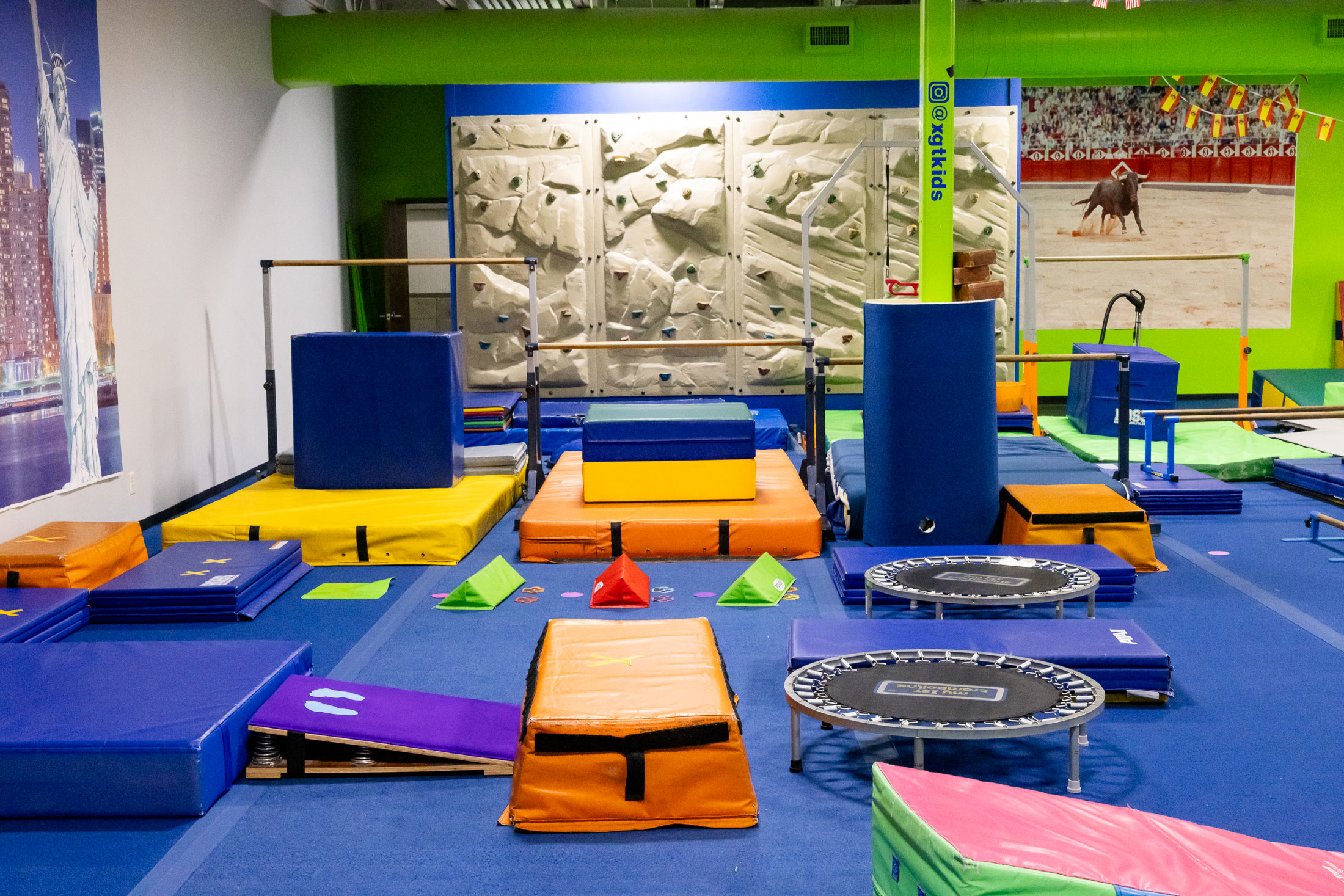
Credit: xgtkids.com
Types Of Gym Equipment For Preschoolers
Preschool gym equipment includes soft mats, small climbing structures, and balance beams designed for young children. These tools help develop motor skills, coordination, and confidence through safe play. Simple, colorful pieces keep kids active and engaged during physical activities.
Preschool gym equipment plays a vital role in early childhood development, fostering physical growth and enhancing motor skills. Choosing the right equipment can transform your space into a playground of endless fun and learning. Let’s dive into some popular types of gym equipment for preschoolers that ensure both safety and excitement.Climbing Structures
Climbing structures are fantastic for building strength and coordination. They encourage children to use their muscles as they navigate different levels. Whether it’s a small rock wall or a jungle gym, these structures promote adventurous play and problem-solving.Balance Beams And Stepping Stones
Balance beams and stepping stones are perfect for improving balance and concentration. They help children learn to control their movements and develop spatial awareness. You can set up obstacle courses to add more fun and challenge.Slides And Tunnels
Slides and tunnels provide a thrill while enhancing gross motor skills. They encourage children to slide, crawl, and explore, fostering a sense of independence. These pieces are versatile and can be integrated into various play setups.Soft Play Mats And Blocks
Soft play mats and blocks are essential for safe play areas. They cushion falls and offer a soft surface for creative play. Kids can build, jump, and tumble, using their imagination to create new games and stories. When selecting gym equipment for preschoolers, consider how each piece can contribute to a child’s development. What equipment can you add to your preschool to inspire more active play?Choosing Safe And Age-appropriate Equipment
Choosing safe and age-appropriate preschool gym equipment is key to a fun and secure playtime. Equipment must support children’s growth and development without risking injury. Careful selection helps create a positive experience that encourages physical activity and confidence.
Material And Design Considerations
Materials should be non-toxic and free of sharp edges. Soft, rounded corners reduce the risk of cuts and bruises. Durable plastics and smooth wood are common choices. Designs must match preschoolers’ motor skills and size. Simple shapes and bright colors attract children and keep them engaged.
Size And Weight Limits
Equipment must fit children’s small bodies. Seats, handles, and steps should be easy to reach. Weight limits prevent breakage and accidents. Follow manufacturer guidelines for maximum user weight. Proper sizing supports balance and coordination during play.
Safety Standards And Certifications
Look for products meeting recognized safety standards. Certifications like ASTM or CPSIA show compliance with safety rules. These standards cover materials, design, and testing. Certified equipment offers peace of mind for parents and teachers. Always check for up-to-date certifications before buying.
Incorporating Gym Equipment Into Learning Activities
Adding gym equipment into learning activities can turn playtime into an exciting chance to develop both physical and cognitive skills. When children use equipment like balance beams, hoops, or soft mats, they don’t just move their bodies—they also enhance coordination, focus, and problem-solving abilities. The key is to design activities that keep kids engaged while gently challenging their abilities.
Creative Movement Games
Creative movement games invite kids to use gym equipment in imaginative ways. You might set up hoops on the floor and ask children to hop like frogs or tiptoe like cats through them. These games encourage children to think about movement and their body in space, improving motor skills and balance.
One time, I watched a group of preschoolers turn a simple foam mat into a “magic carpet” they had to balance on while pretending to fly. This not only sparked their creativity but also helped with balance and spatial awareness. What kinds of imaginative games could you create with your gym equipment?
Obstacle Courses
Obstacle courses are perfect for using gym equipment in a way that challenges multiple skills at once. You can combine tunnels, cones, and small climbing frames to create a course that asks children to crawl, jump, and balance. This variety keeps kids active and focused, developing strength and coordination.
Try timing the course to add a fun challenge or encourage teamwork by having children help each other complete it. Watching kids navigate an obstacle course often reveals their unique problem-solving strategies—have you noticed how some prefer speed while others focus on precision?
Group Challenges
Group challenges with gym equipment build social skills as well as physical abilities. Activities like passing a ball while balancing on a beam or working together to move a large parachute encourage communication and cooperation. These challenges teach children to listen, take turns, and support each other.
In one session, I saw shy kids open up and lead their peers during a group balance game. That moment showed how gym activities can boost confidence and teamwork simultaneously. How might you use gym equipment to foster collaboration in your classroom?
Maintaining And Cleaning Gym Equipment
Maintaining and cleaning preschool gym equipment ensures safety and longevity. Clean equipment prevents the spread of germs among children. Proper care keeps all items in good working order. This helps avoid accidents and costly repairs.
Regular Inspection Tips
- Check for loose bolts or screws on all equipment.
- Look for cracks or broken parts that could cause injury.
- Ensure moving parts work smoothly without sticking.
- Test stability by gently shaking large structures.
- Inspect padding and covers for tears or wear.
- Note any signs of rust or corrosion on metal parts.
Sanitization Practices
- Use child-safe disinfectants to wipe all surfaces.
- Clean high-touch areas like handles and seats daily.
- Allow equipment to dry completely before use.
- Wash fabric covers regularly according to instructions.
- Keep cleaning tools separate to avoid cross-contamination.
- Ventilate the gym space to reduce moisture buildup.
Repair And Replacement Guidelines
- Fix loose or broken parts immediately to prevent accidents.
- Replace worn-out padding to maintain proper cushioning.
- Use manufacturer-approved parts for all repairs.
- Remove any equipment that cannot be safely repaired.
- Keep a log of all maintenance and repairs done.
- Schedule professional inspections for complex or large equipment.

Credit: kidsportgymnastics.com
Budget-friendly Gym Equipment Options
Finding gym equipment for preschoolers that fits your budget can feel like a challenge. However, there are plenty of smart and affordable options that allow you to create a fun, safe, and engaging space for kids to play and develop motor skills. Let’s look at practical ways to save money without sacrificing quality or excitement.
Diy Equipment Ideas
Making your own gym equipment can be surprisingly simple and cost-effective. You can turn everyday household items into fun play tools that encourage movement and coordination.
- Balance beams:Use a sturdy wooden plank or thick rope laid on the floor for balance practice.
- Obstacle courses:Stack cushions, chairs, and boxes to create tunnels and hurdles.
- Jumping stations:Mark spots with colorful tape or chalk for kids to jump between.
Have you ever noticed how much kids love to explore new setups? By involving them in building the equipment, you also boost their creativity and confidence.
Affordable Brands And Suppliers
Not all quality gym gear has to be expensive. Several brands focus on preschool equipment that is budget-friendly and safe.
| Brand | Popular Items | Price Range |
|---|---|---|
| KidActive | Foam mats, soft climbing blocks | $50 – $150 |
| LittleGymGear | Balance boards, mini trampolines | $40 – $120 |
| PlayFit | Pull-up bars, tunnels | $60 – $180 |
Checking these brands’ websites or local retailers can help you spot discounts or bundle deals. What if you set a small budget and look for just one key piece each month? It spreads out costs and builds a well-rounded gym over time.
Secondhand And Upcycling Tips
Used equipment can be a goldmine if you know where to look. Many parents and preschools sell gently used items that still have plenty of life left.
- Check online marketplaces like Facebook Marketplace or local buy-and-sell groups.
- Visit thrift stores or community sales for unique finds.
- Clean and inspect every item carefully before use to ensure safety.
Upcycling old furniture or toys into gym equipment can also save money. A sturdy wooden crate can become a climbing block, or old tires can be painted and stacked for jumping exercises.
What creative ways can you think of to reuse items around your home? Sometimes the best gym equipment is just waiting for a fresh purpose.

Credit: www.amazon.com
Frequently Asked Questions
What Are The Best Preschool Gym Equipment Types?
The best preschool gym equipment includes soft climbing blocks, balance beams, tunnels, and mini trampolines. These promote motor skills, coordination, and confidence safely.
How Does Gym Equipment Benefit Preschool Children?
Gym equipment helps improve strength, balance, and flexibility. It also encourages social interaction and boosts cognitive development through active play.
Is Preschool Gym Equipment Safe For Young Children?
Yes, quality preschool gym equipment meets safety standards. It features soft materials, rounded edges, and stable structures to prevent injuries.
How To Choose Gym Equipment For Preschool Classrooms?
Select age-appropriate, durable, and easy-to-clean equipment. Ensure it supports various physical skills and fits available space for safe play.
Conclusion
Preschool gym equipment helps children grow strong and healthy. It makes exercise fun and keeps kids active every day. Safe and colorful tools invite little ones to move and play. These activities improve balance, coordination, and confidence in young children.
Choosing the right equipment supports early learning and physical skills. Simple play can lead to healthy habits for life. Investing in good gym gear benefits both kids and caregivers. Small steps in play build a brighter, healthier future for all.







