
Looking to take your workouts to the next level without leaving your house? A home gym bar could be the game-changer you need.
Whether you want to build strength, improve your posture, or just stay active, having the right bar at home makes all the difference. You’ll discover how a home gym bar fits into your routine, the benefits it brings, and how to choose the perfect one for your space and goals.
Ready to transform your fitness journey? Let’s dive in.
Benefits Of A Home Gym Bar
Adding a home gym bar to your workout space can transform the way you exercise. It brings several benefits that make staying fit easier and more enjoyable. Let’s dive into how a home gym bar can improve your fitness routine and lifestyle.
Space Efficiency
Home gym bars take up very little room compared to bulky equipment. You can mount them on a wall or use a freestanding model that fits neatly into corners. This means you can create a full workout setup even in small apartments or spare rooms.
Have you ever struggled to find space for a treadmill or weight bench? A gym bar solves that by offering multiple exercise options without crowding your home.
Cost Savings
Investing in a home gym bar is often cheaper than buying a gym membership or multiple pieces of equipment. You get a versatile tool that supports pull-ups, chin-ups, and other bodyweight exercises. It’s a one-time purchase that lasts for years.
Think about how much you spend on monthly gym fees. With a gym bar, you can recover those costs quickly and keep more money in your pocket.
Workout Flexibility
A home gym bar lets you work out anytime you want, without waiting for equipment or traveling to a gym. You can switch between exercises easily and tailor workouts to your needs. This flexibility helps you stay consistent and motivated.
Have you noticed how skipping a workout often happens because of time or inconvenience? A gym bar removes these barriers, making it easier to stick to your fitness goals.
Types Of Home Gym Bars
Choosing the right home gym bar can enhance your workout sessions. Each bar type serves a unique purpose in strength training. Let’s explore the various types of home gym bars you can incorporate into your fitness routine.
Standard Barbells
Standard barbells are common in home gyms. They typically measure 5 to 6 feet in length. These bars are ideal for beginners. They support a variety of exercises, like bench presses and squats. Standard barbells usually weigh around 15 to 20 pounds. They have a smaller diameter than Olympic bars, making them easier to handle.
Olympic Bars
Olympic bars are a staple in serious weightlifting. They are longer and heavier than standard barbells. Olympic bars weigh about 45 pounds and are 7 feet long. They support heavier weights, making them suitable for advanced lifters. The rotating sleeves help in smoother lifts. This bar is perfect for deadlifts, squats, and bench presses.
Curl Bars
Curl bars, also known as EZ bars, are smaller and have a zigzag shape. This design reduces wrist strain during exercises. Curl bars are best for bicep curls and tricep extensions. They provide a comfortable grip for isolating arm muscles. These bars typically weigh around 20 pounds.
Trap Bars
Trap bars, or hex bars, have a unique hexagonal shape. This design allows you to stand in the center of the bar. Trap bars are excellent for deadlifts and shrugs. They offer a balanced weight distribution, reducing back strain. This makes them a great choice for beginners and those with back issues.
Choosing The Right Bar
Choosing the right bar for your home gym is key for safe and effective workouts. The right bar supports your fitness goals and fits your space well. Consider several factors to find a bar that meets your strength needs and feels comfortable during exercises.
Weight Capacity
Weight capacity shows how much load the bar can hold safely. Check the maximum weight before buying. A higher capacity means the bar suits heavier lifts. Choose a bar that handles more than your current lifting weight. This allows room to grow stronger over time.
Bar Length And Diameter
Bar length affects the types of exercises you can perform. Standard bars are about 7 feet long. Shorter bars work well in small spaces. Diameter matters for grip comfort. Most bars have a diameter between 25mm and 28mm. Pick a size that fits your hand well for better control.
Material And Durability
Bars come in steel or alloy materials. Steel bars offer strength and last long. Look for bars with a protective coating to stop rust. Chrome or black oxide finishes help resist wear. Durability ensures the bar stays safe and looks good over time.
Knurling And Grip
Knurling is the textured pattern on the bar’s surface. It improves grip during lifts. Different knurling styles suit different preferences. Aggressive knurling provides a firm grip but might feel rough. Light knurling is gentler on hands but less secure. Choose a grip that feels steady and comfortable.

Credit: www.amazon.com
Essential Accessories
Building a home gym bar is just the start. The right accessories can make all the difference in your workout experience. These essentials help you stay safe, organized, and motivated every time you train.
Weight Plates
Weight plates add the resistance you need to challenge your muscles. They come in various sizes and materials, such as cast iron or rubber-coated. Choosing plates that fit your barbell and match your fitness level is key.
Think about how many plates you’ll need for your goals. Having a mix of light and heavy plates gives you flexibility to adjust weights precisely. Also, consider plates with clear markings—they save time and reduce frustration during workouts.
Collars And Clips
Collars and clips keep your weight plates secure on the bar. Without them, plates can slide off, posing a risk of injury or damage. You want collars that are easy to use but hold tight during heavy lifts.
Try different types like spring clips, lock-jaw collars, or quick-release clamps to find what feels best. I once underestimated the importance of good collars and ended up stopping my workout to fix slipping plates—don’t let that happen to you.
Racks And Stands
Racks and stands keep your home gym organized and protect your equipment. They make loading and unloading weights easier and safer. Plus, they save space by keeping everything in one place.
Consider a squat rack, plate tree, or a barbell stand depending on your workout style and space. If you often switch between exercises, a well-placed rack can speed up your routine and keep your area tidy.
Popular Exercises With Home Gym Bars
Home gym bars open the door to a wide range of effective exercises that target multiple muscle groups. Using these bars at home lets you build strength, improve posture, and boost overall fitness without needing bulky machines. Let’s dive into some popular exercises that make the most of your home gym bar.
Squats And Deadlifts
Squats and deadlifts are foundational moves that engage your legs, glutes, and core. Holding the bar on your shoulders during squats helps maintain balance and adds resistance for muscle growth. Deadlifts, with the bar in front of you, challenge your back, hamstrings, and grip strength.
Have you noticed how your posture improves after consistent deadlift sessions? This happens because deadlifts train your posterior chain, which often gets neglected. Start with lighter weights and focus on form to avoid injury and gain the best results.
Bench Press Variations
The bench press is a staple for building upper body strength, mainly targeting the chest, shoulders, and triceps. Using a home gym bar, you can try flat, incline, or decline bench presses to hit different parts of your chest.
If you don’t have a bench, try floor presses. They limit the range of motion but still provide a solid workout. Adjusting your grip width on the bar also changes muscle activation, so experiment to find what works best for your goals.
Overhead Press
The overhead press strengthens your shoulders, triceps, and upper chest. Pressing the barbell overhead forces you to engage your core for stability, making it an excellent full-body move.
Try standing instead of sitting for this exercise to activate your legs and core even more. If you feel any shoulder discomfort, reduce the weight or switch to dumbbells for a while. What challenges do you face with your shoulder mobility?
Barbell Rows
Barbell rows focus on your upper back, lats, and biceps. Keeping your back flat and pulling the bar towards your waist helps improve posture and counteracts the effects of sitting all day.
Try different grips—underhand or overhand—to target muscles slightly differently. I found that alternating grip styles every few weeks kept my workouts fresh and avoided plateaus. How often do you switch up your rowing technique?
Setting Up Your Home Gym Bar
Setting up your home gym bar creates a space for regular workouts. A well-planned area boosts motivation and safety. Focus on three key aspects to make the best setup.
Choosing The Right Space
Pick a room or corner with enough room to move freely. Ensure the ceiling height fits your equipment and exercises. Natural light helps maintain energy and mood. Avoid places with heavy foot traffic or distractions.
Safety Considerations
Place the bar on a flat, stable surface to prevent wobbling. Use rubber mats to protect floors and reduce noise. Keep weights and gear organized to avoid tripping hazards. Check the bar and racks regularly for wear or damage. Allow enough space around the bar to avoid hitting walls or furniture.
Maintenance Tips
- Wipe down the bar and equipment after each use to prevent sweat buildup.
- Lubricate moving parts to keep them working smoothly.
- Inspect for rust or cracks and address issues quickly.
- Store weights properly to avoid damage and clutter.
- Keep your space clean and ventilated for comfort.
Maximizing Strength And Convenience
Maximizing strength and convenience with a home gym bar transforms your workouts. It saves time by allowing quick setup and easy adjustments. This flexibility helps maintain consistency and improve results over time.
Home gym bars fit into many routines. They offer a wide range of exercises that target different muscle groups. Their compact size makes them perfect for small spaces without losing workout quality.
Workout Routines
Using a home gym bar, you can perform various exercises:
- Squats for leg strength
- Deadlifts to build back muscles
- Overhead presses for shoulder power
- Bicep curls to tone arms
Switch between exercises easily. This keeps workouts fresh and prevents boredom. Adjust the weight to match your strength level.
Progress Tracking
Track your progress to stay motivated. Record the weights you lift and the number of sets and reps. Note improvements weekly or monthly. Small gains add up to big results.
Use a simple notebook or a fitness app. Seeing progress helps maintain commitment. It also shows which exercises need more focus.
Combining With Other Equipment
Home gym bars work well with other fitness tools:
- Resistance bands for added tension
- Dumbbells for varied movements
- Weight plates to increase load
- Pull-up bars for upper body strength
Mixing equipment creates balanced workouts. It targets more muscles and improves overall fitness. This variety keeps your routine interesting and effective.
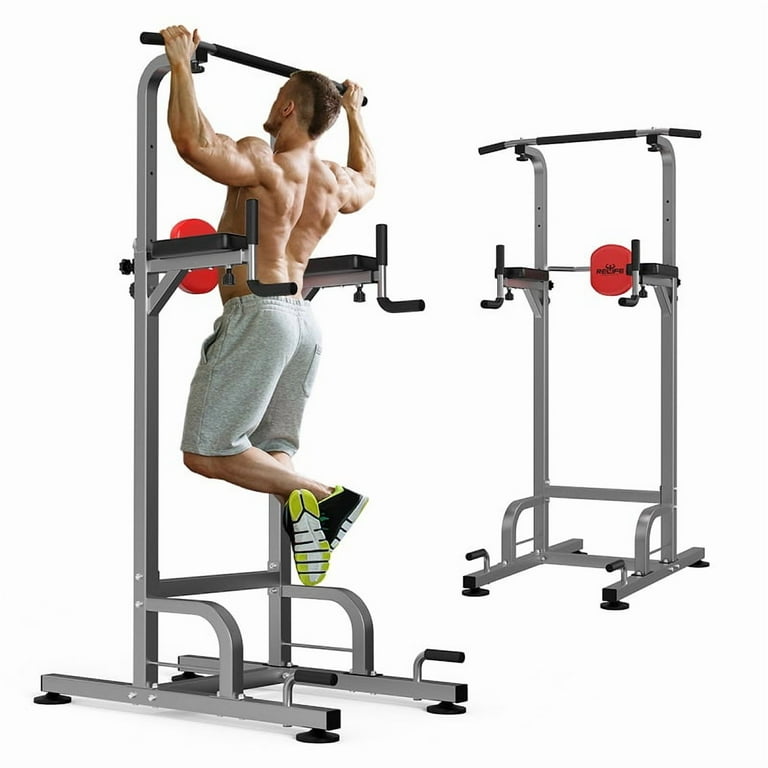
Credit: www.walmart.com

Credit: www.amazon.com
Frequently Asked Questions
What Is A Home Gym Bar Used For?
A home gym bar is essential for strength training exercises. It supports weights for lifting, squats, and presses. It helps build muscle and improve fitness at home.
How Do I Choose The Right Home Gym Bar?
Choose a bar based on your workout type and weight capacity needs. Consider bar length, thickness, and grip. Quality materials ensure durability and safety during exercises.
Can A Home Gym Bar Support Heavy Weights?
Yes, most home gym bars can support heavy weights. Check the bar’s maximum weight capacity before use. Proper maintenance and handling also ensure safe lifting.
What Types Of Exercises Can I Do With A Home Gym Bar?
You can perform squats, bench presses, deadlifts, rows, and overhead presses. The bar allows versatile workouts targeting multiple muscle groups effectively.
Conclusion
A home gym bar makes workouts easier and more convenient. It fits well in small spaces and helps build strength. You can exercise anytime without leaving your house. Choosing the right bar boosts your fitness progress. Keep your routine simple and consistent for best results.
Enjoy the comfort and privacy of your own gym. A home gym bar is a smart addition to your workout gear. Start today and feel the benefits soon.







