
Are you looking to improve your fitness without leaving your home? A Pilates home gym might be exactly what you need.
Imagine having a space where you can strengthen your core, increase flexibility, and reduce stress—all on your own schedule. Setting up your own Pilates gym at home gives you control, convenience, and the chance to focus entirely on your wellness.
Keep reading to discover how you can create the perfect Pilates space that fits your lifestyle and helps you reach your fitness goals faster than you thought possible.
Choosing The Right Space
Choosing the right space for your Pilates home gym sets the stage for a focused and effective workout. The area you select should feel open and inviting. It must support your exercise routine without distractions or discomfort. Careful planning helps create a spot where you can move freely and stay motivated.
Assessing Available Room
Start by measuring the area where you want to set up. Pilates needs space to stretch and move comfortably. Clear out clutter and furniture that block your movement. A flat, non-slip floor is ideal for safety and stability. Consider how much space your Pilates equipment requires, including mats and reformers.
Lighting And Ventilation Tips
Good lighting keeps you alert and energized during workouts. Natural light is best, so pick a spot near windows if possible. Avoid harsh overhead lights that create shadows or glare. Fresh air helps you breathe easier and stay focused. Open windows or use a fan to keep the air moving and fresh.
Creating A Calm Atmosphere
Choose colors and decor that promote relaxation and focus. Soft, neutral tones work well to calm the mind. Keep the space tidy and organized to reduce distractions. Add a few plants to bring life and freshness to the room. Play gentle music or use a diffuser with soothing scents to enhance your Pilates practice.

Credit: www.walmart.com
Essential Pilates Equipment
A Pilates home gym needs basic equipment like a mat, resistance bands, and a reformer. These tools help improve strength, flexibility, and balance. Simple gear creates an effective workout space at home.
Setting up a Pilates home gym can be an exciting journey to improve your physical fitness and mental well-being. Having the right equipment is crucial to create an effective and enjoyable workout space. This section will guide you through the essential Pilates equipment you’ll need to transform your home into a personal sanctuary for Pilates practice.Pilates Mat Benefits
A quality Pilates mat is the foundation of your home gym. Unlike regular exercise mats, Pilates mats are thicker to provide better cushioning for your spine and joints. This extra thickness ensures comfort during exercises that involve rolling and balancing. Investing in a good mat will enhance your practice by reducing discomfort and preventing injuries. It also helps in maintaining proper alignment, which is essential for effective Pilates workouts. When choosing a mat, consider its texture and grip to prevent slipping during intense sessions.Reformer Machines Explained
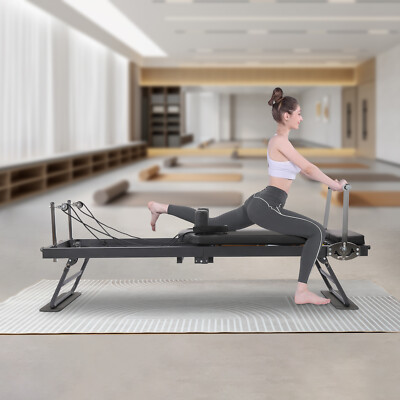
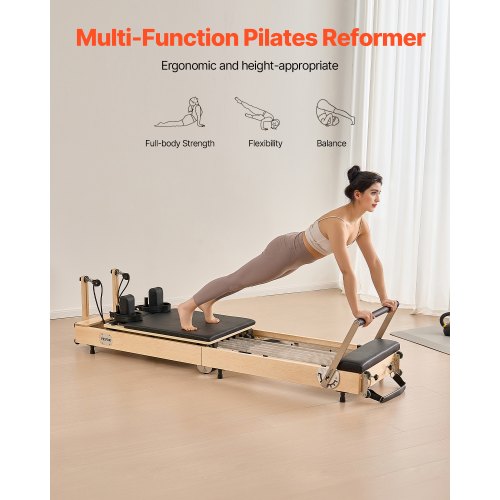
Reformer machines are often seen as the crown jewel of Pilates equipment. These versatile machines use a system of springs and pulleys to add resistance to your exercises, enhancing muscle strength and flexibility. The reformer’s sliding carriage and adjustable springs allow for a wide range of movements, targeting different muscle groups. While reformers can be a significant investment, their benefits are substantial. They offer a comprehensive workout that can be tailored to your fitness level. If you’re serious about Pilates, integrating a reformer into your home gym could be a game-changer.Using Pilates Rings
Pilates rings, or magic circles, are a fantastic addition to any Pilates home gym. These lightweight, flexible rings provide gentle resistance, helping to tone muscles and improve posture. You can use them in various exercises, from arm workouts to leg strengthening routines. Their portability makes them ideal for home workouts, allowing you to perform exercises without requiring much space. As you incorporate them into your routine, you’ll find they add an extra challenge and help refine your technique. Could a simple ring transform your workout?Incorporating Resistance Bands
Resistance bands are a versatile and cost-effective tool that can easily fit into your Pilates practice. They add resistance to your exercises, similar to reformers, but without the bulky equipment. This makes them perfect for small spaces or those on a budget. Using resistance bands can intensify your workouts, helping to build strength and flexibility. They come in various resistance levels, so you can choose the right one to match your fitness goals. With a little creativity, you can use these bands to mimic many reformer exercises. How will you challenge yourself today with this simple tool?Additional Gear For Variety
Adding extra gear to your Pilates home gym brings variety to workouts. It helps target different muscles and improve balance. Small additions make sessions more fun and challenging. Explore tools that support recovery and enhance exercises. These items fit easily in home spaces and boost results.
Stability Balls And Their Uses
Stability balls improve core strength and balance. They add an unstable surface, making muscles work harder. Use them for exercises like crunches, planks, and bridges. They also help with stretching and posture. Stability balls come in different sizes to match your height. They are lightweight and easy to store.
Foam Rollers For Recovery
Foam rollers aid muscle recovery and reduce soreness. Rolling on them increases blood flow to tight areas. Use before or after workouts to loosen muscles. Foam rollers help improve flexibility and reduce injury risk. They are compact and suitable for all fitness levels.
Small Props To Enhance Workouts
Small props add challenge and focus to Pilates exercises. Common items include resistance bands, Pilates rings, and light hand weights. Resistance bands increase resistance for strength training. Pilates rings help tone arms and inner thighs. Light weights build muscle without bulk. These props are affordable and simple to use.
Credit: www.ebay.com
Budget-friendly Setup Ideas
Setting up a Pilates home gym doesn’t have to drain your wallet. You can create an effective workout space without spending a fortune. The key lies in smart choices and a bit of creativity.
Affordable Equipment Options
You don’t need high-end machines to get started. Basic Pilates gear like a quality mat, resistance bands, and a stability ball can cover most exercises.
Look for sets that bundle these items together for a better deal. Check out local stores or online marketplaces for gently used equipment—you might find excellent deals.
Have you considered investing in a Pilates ring? It’s inexpensive and adds variety to your workouts without taking up much space.
Diy Pilates Tools
Some Pilates tools can be made at home with everyday items. A sturdy towel can replace a foam roller for certain stretches and massages.
Use filled water bottles as light hand weights to add resistance during exercises. Even a chair with a stable back can support balance moves.
Creating your own tools saves money and lets you customize your setup. What household items could serve double duty in your Pilates routine?
Maximizing Small Spaces
Limited space shouldn’t stop you from practicing Pilates at home. Use vertical storage like wall hooks or shelves to keep your equipment organized.
Choose foldable or easily storable equipment that you can tuck away after your session. Clearing space before workouts can also help you move freely.
Have you tried using a corner of a room for your Pilates practice? Sometimes a small, dedicated spot is all you need to stay consistent.
Maintaining Your Pilates Gym
Keeping your Pilates home gym in top shape is key to enjoying safe and effective workouts. Regular maintenance not only extends the life of your equipment but also creates a clean, inviting space that motivates you to exercise consistently. Let’s look at some practical ways to care for your Pilates gear and environment.
Cleaning And Storage Tips
Dust and sweat can wear down your Pilates equipment faster than you might expect. Wipe down mats, reformers, and resistance bands after each use with a gentle, non-abrasive cleaner. Avoid harsh chemicals that might damage materials or irritate your skin during workouts.
Store smaller items like rings and balls in baskets or on shelves to keep your space tidy. Hanging straps or bands on hooks prevents tangling and extends their lifespan. Have you noticed how a clutter-free space boosts your workout focus and mood?
Equipment Safety Checks
Before every session, take a moment to inspect your equipment. Check for loose bolts, worn springs, or frayed straps that might cause injury. Tighten screws and replace parts as soon as you spot any damage.
Testing your reformer’s sliding carriage and springs regularly helps maintain smooth and safe movement. Ignoring small issues can lead to bigger, costly repairs or even accidents. How often do you make safety checks a habit in your routine?
Routine Upgrades To Consider
As your Pilates practice evolves, your equipment needs might change too. Adding new attachments, like a jump board or a trapeze table, can diversify your workouts and keep things interesting. Consider upgrading mats or cushions if they become too thin or lose support.
Technology also offers options: apps with guided Pilates workouts or smart sensors can enhance your home gym experience. Are there any tools or accessories you’ve been curious about that could push your practice further?
Credit: www.vevor.com
Motivating Home Workouts
Staying motivated during home workouts can be a challenge, especially when distractions are just a few steps away. But with Pilates, the focus and flow of each session can keep you engaged and eager to return to your mat. The key is to structure your routine in ways that make your Pilates practice both enjoyable and rewarding.
Creating A Workout Schedule
Set specific days and times for your Pilates sessions, just like you would for any important appointment. Consistency helps build habit and reduces the chance of skipping workouts. I found that blocking 30 minutes every morning before work made a huge difference in my energy levels throughout the day.
Try mixing different Pilates routines to keep things fresh. For example, alternate between mat exercises and workouts using small equipment like resistance bands. This variety keeps your body challenged and your mind interested.
Using Online Pilates Classes
Online classes bring expert guidance right into your home, making it easier to follow proper form and technique. Choose instructors whose teaching style resonates with you, as this connection can boost your motivation. I once stuck with a beginner’s series from a lively instructor and noticed how her encouragement kept me coming back every day.
Many platforms offer live sessions where you can interact with instructors and fellow participants. This social aspect adds accountability and makes your workout feel less isolated. Have you tried joining a live Pilates class yet?
Tracking Progress Effectively
Keeping track of your improvements can turn abstract effort into visible results. Use a simple journal or a fitness app to note down your session dates, exercises done, and how you felt afterward. Seeing your progress over weeks can be incredibly motivating.
Set small, measurable goals like holding a plank for an extra 10 seconds or mastering a new move. Celebrate these wins to keep your enthusiasm high. What small goal can you set for your next Pilates session?
Frequently Asked Questions
What Equipment Do I Need For A Pilates Home Gym?
A Pilates home gym requires a mat, resistance bands, Pilates rings, and light weights. Optional gear includes a reformer machine and stability balls. These tools enhance core strength, flexibility, and overall Pilates practice at home.
How Much Space Is Needed For A Pilates Home Gym?
A space of about 6×6 feet is ideal for Pilates workouts. Ensure enough room for stretching and using equipment safely. Clear floors and good ventilation improve comfort and workout efficiency in your home gym.
Can Pilates Home Workouts Replace Studio Classes?
Yes, Pilates home workouts can be effective with proper guidance. Use online tutorials or virtual classes to maintain correct form. Consistency and discipline are key to achieving benefits comparable to studio sessions.
How Often Should I Practice Pilates At Home?
Practice Pilates 3 to 5 times per week for best results. Regular sessions improve flexibility, strength, and posture. Allow rest days to prevent injury and promote muscle recovery.
Conclusion
Creating a Pilates home gym is a smart way to stay active daily. It saves time and fits your schedule. Small equipment can help you do many exercises easily. You control your space and pace. Consistency is key to seeing real results.
Enjoy the comfort of your home while improving strength and balance. Start simple and build your setup over time. Your body will thank you for the care and effort. Pilates at home makes fitness easy and reachable.







