
If you’re looking to build strength and stay fit without leaving your home, Body-Solid home gym older models might be just what you need. These machines have stood the test of time, offering reliable performance and solid construction.
But how do you know if an older model is right for your workout goals? And what makes these home gyms different from newer versions? Keep reading to discover why these trusted machines could be the perfect fit for your fitness routine—and how you can get the most out of them.
Classic Designs And Features
The classic designs and features of Body-Solid home gym older models hold a special place for fitness enthusiasts who value reliability and straightforward functionality. These machines focus on essential exercises without overwhelming you with complicated tech or flashy extras. Their timeless appeal comes from a balance of solid engineering and user-friendly design that keeps workouts effective and simple.
Popular Older Models
Some older Body-Solid models remain favorites due to their tried-and-true layouts and performance. The Body-Solid G1S and the Body-Solid EXM1500 are examples that many users still swear by. These models offer a full range of exercises, from chest presses to leg extensions, covering all your major muscle groups.
Have you noticed how these models don’t try to do too much but do what they do very well? That’s a key reason they lasted so long in people’s homes.
Key Components And Build Quality
Older Body-Solid machines come with sturdy steel frames built to handle intense, regular workouts. The weight stacks are made from solid cast iron, providing smooth resistance without sudden jerks. Pulleys and cables are designed to minimize friction, which keeps your movements fluid and safe.
You might appreciate the simplicity here—no need to worry about complicated electronics or delicate parts that can break. This focus on core components makes maintenance easier and often cheaper.
Durability Over Time
Many users find that these older models remain functional and reliable even after years of daily use. The steel frames resist rust and bending, while the upholstery holds up well under constant pressure. Parts like cables and pulleys may need occasional replacement, but overall, the machines keep performing without major issues.
Think about your workout gear at home—how often do you replace it? With Body-Solid older models, you get a machine that stands the test of time and supports your fitness journey for years. Isn’t it worth investing in something that lasts rather than something disposable?

Credit: www.ebay.com
Benefits Of Body-solid Older Models
Body-Solid home gym older models have stood the test of time, offering fitness enthusiasts a reliable and effective way to stay in shape. These models come with a range of benefits that make them a smart choice for both beginners and seasoned athletes. Let’s explore why they might be the perfect addition to your home workout space.
Cost-effectiveness
One of the most appealing aspects of older Body-Solid models is their affordability. Buying an older model can provide the same workout quality at a fraction of the cost of newer versions. You get to save money without compromising on the quality of your workout.
Consider your budget—older models allow you to invest in other fitness accessories or equipment. This can be especially beneficial if you’re setting up a home gym from scratch. Have you ever thought about how much you can achieve with a well-planned budget?
Reliable Performance
Older Body-Solid models are known for their durability and consistent performance. They are built to last, often featuring robust materials and construction. This means you can rely on them for years without worrying about frequent repairs or replacements.
Think about the peace of mind that comes with knowing your equipment won’t fail you during a workout. Many users have shared stories of their older models still going strong after years of use. Isn’t it reassuring to know you’re investing in something that won’t let you down?
Space-saving Solutions
Many older models are designed with space efficiency in mind. They offer compact solutions that can fit into smaller spaces without sacrificing functionality. This makes them ideal for home gyms where space might be limited.
Imagine transforming a small corner of your home into a fully functional gym. With a Body-Solid older model, you can maximize your workout space efficiently. Are you ready to make the most of your available space?
Common Maintenance Tips
Maintaining older models of Body-Solid home gyms helps keep them working well. Regular care improves performance and extends the machine’s life. Simple actions prevent bigger issues and save repair costs.
Routine Cleaning And Lubrication
Dust and sweat can build up on your gym equipment. Wipe down all surfaces after each use with a damp cloth. Avoid harsh chemicals that can damage parts.
Lubricate moving parts regularly to reduce friction. Use silicone-based sprays or light machine oil. Focus on guide rods, pulleys, and weight stacks.
Replacing Worn Parts
Check cables, pulleys, and grips for signs of wear. Frayed cables or cracked grips need prompt replacement. Old parts can cause injuries or machine failure.
Use manufacturer-approved parts for the best fit and safety. Keep spare parts handy to reduce downtime. Follow instructions carefully during replacements.
Troubleshooting Common Issues
Listen for unusual noises during workouts. Squeaks or grinding sounds often mean lubrication is needed. Tighten loose bolts or screws to improve stability.
If weights do not move smoothly, inspect cables and pulleys. Replace or adjust them to restore smooth action. Test the machine after fixes to ensure proper function.
Upgrading And Customizing Options
Upgrading and customizing your Body-Solid home gym older model can breathe new life into your workout routine. These options not only improve the functionality of your equipment but also tailor the experience to fit your unique fitness goals. Whether you want to add new features or enhance comfort, there are practical ways to make your classic gym setup feel fresh and more efficient.
Compatible Accessories
You might be surprised by how many accessories fit older Body-Solid models. Items like additional weight plates, lat pulldown bars, and leg developer attachments can often be added without replacing the whole system. Check the model number and compatibility lists on Body-Solid’s website or trusted fitness stores to find the right accessories.
Adding a cable row handle or a tricep rope can expand your workout variety. Imagine performing exercises you never thought possible on your older machine. Have you considered which muscle groups you want to target more effectively?
Enhancing Comfort And Usability
Comfort can sometimes be overlooked in older gym equipment. Upgrading the seat padding or replacing worn-out grips can make a huge difference during longer sessions. You’ll notice better posture and less strain, helping you focus entirely on your form.
Also, adjusting the seat height or backrest angle is often possible with simple tweaks. This customization ensures your body aligns properly with the machine, reducing injury risk. How comfortable does your current setup feel after 20 minutes of use?
Modern Add-ons For Classic Models
Technology has moved fast, and some modern add-ons now fit older Body-Solid gyms. For example, digital tracking devices that attach to cables can monitor your reps and sets automatically. This feature turns your classic machine into a smart workout station.
Another upgrade is adding resistance bands or suspension trainers to your setup. These tools complement the machine’s built-in functions and increase workout intensity. Could these modern touches help you stay motivated and consistent?
Where To Find Older Body-solid Home Gyms
Finding older Body-Solid home gym models can be a rewarding experience if you know where to look. These machines often combine durability with classic design, making them a great addition to your workout space. But tracking down these gems requires a bit of patience and smart searching.
Online Marketplaces
Websites like eBay, Craigslist, and Facebook Marketplace are gold mines for older Body-Solid home gym equipment. Sellers often post detailed photos and descriptions, so you can assess the condition before reaching out. Setting alerts for specific model names can help you catch new listings quickly.
Have you ever missed out on a deal because you checked too late? Staying proactive with notifications can save you that frustration. Also, some niche fitness forums have buy/sell sections where enthusiasts trade used gear.
Local Classifieds And Secondhand Stores
Don’t overlook your local classifieds or thrift stores. Sometimes, people prefer selling bulky gym equipment nearby rather than shipping it. Visiting secondhand stores or pawn shops in person lets you test the equipment’s feel and sturdiness firsthand.
Ask around at community centers or gyms; word of mouth can lead you to unlisted equipment sales. You might find a hidden gem just around the corner, waiting for the right buyer.
Tips For Inspecting Used Equipment
When you find an older Body-Solid home gym, inspecting it carefully is crucial. Check for rust on metal parts, worn cables, and frayed upholstery. These signs can affect safety and functionality.
Test moving parts to ensure smooth operation without strange noises. Ask about the machine’s history, like how often it was used and if it had any repairs. Your goal is to avoid surprises after purchase.
Would you spend a little extra time inspecting now to save money and hassle later? A thorough check can protect your investment and keep your workouts safe and effective.
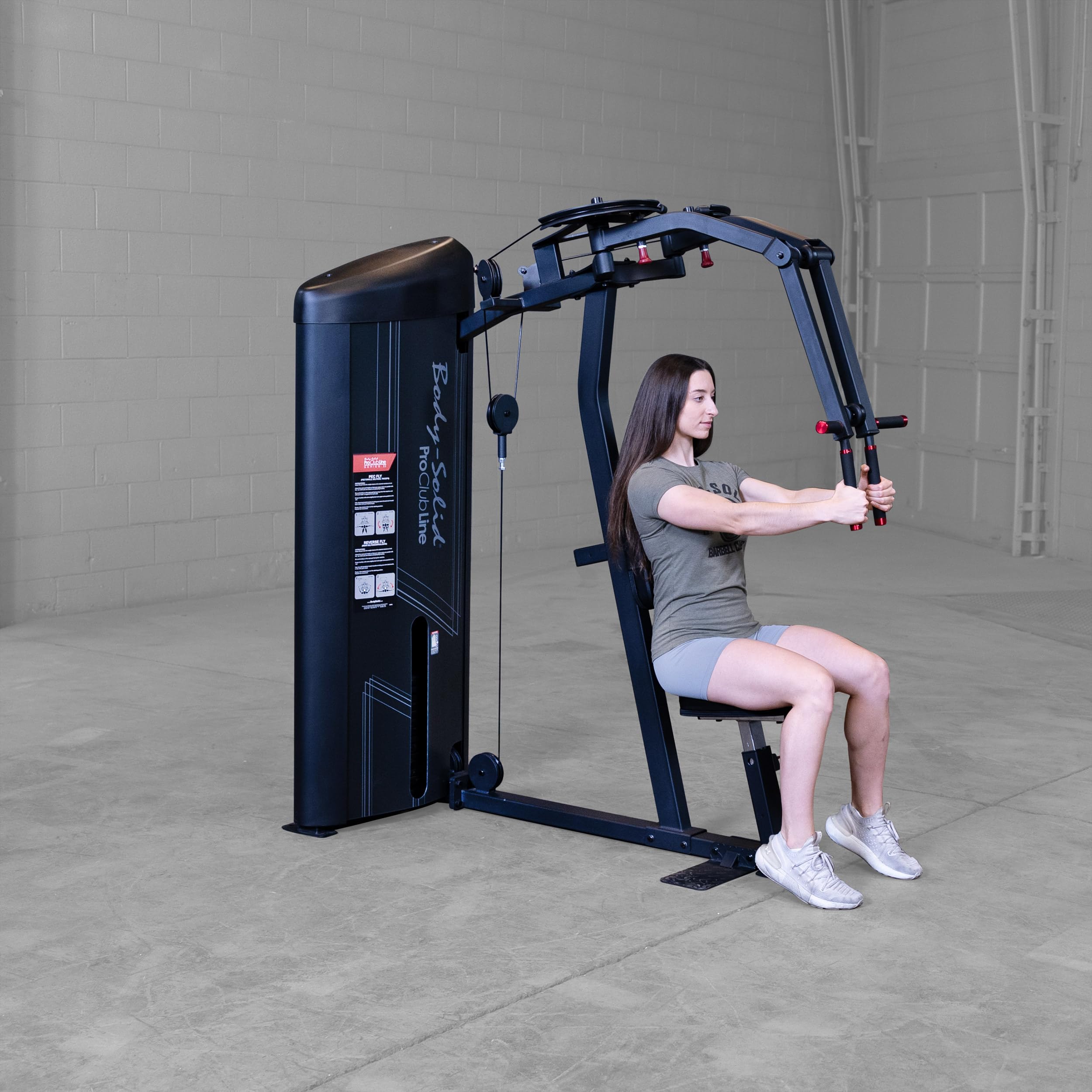
Credit: www.amazon.ca
Comparing Older Models To New Releases
Comparing older Body-Solid home gym models to the newest releases helps you decide which fits your workout style and budget. Older models often have a loyal following for their reliability, but newer versions bring fresh updates you might find valuable. Understanding the key differences can guide you toward a machine that truly supports your fitness goals.
Performance Differences
Older Body-Solid gyms usually offer solid, straightforward performance. They focus on basic strength training exercises without many bells and whistles.
Newer models often deliver smoother motion thanks to improved cable systems and pulleys. This can reduce strain on your joints and create a more comfortable workout.
Think about how important smooth, quiet operation is for your home setting. Would a quieter machine boost your motivation to train more often?
Design And Technology Advances
Older models feature simpler designs with fewer adjustable parts. This simplicity can mean fewer things to go wrong and easier maintenance.
New releases include updated ergonomics, better padding, and more adjustable seats and arms. Some even integrate digital tracking or smartphone apps to monitor your progress.
If technology enhances your workout experience, do you see value in paying more for these extras? Or do you prefer a no-frills machine that just works?
Which Model Suits Your Needs
- Budget Conscious:Older models are often less expensive and still provide a comprehensive workout.
- Tech Enthusiasts:New models with digital features and smoother mechanics may be worth the investment.
- Space Savers:Check dimensions carefully; some older gyms take up more room than newer, compact designs.
- Maintenance:Older models might require more upkeep, but replacement parts are usually easier to source.
Consider your workout habits, space, and preferences before making a choice. What matters more to you: classic durability or modern convenience?
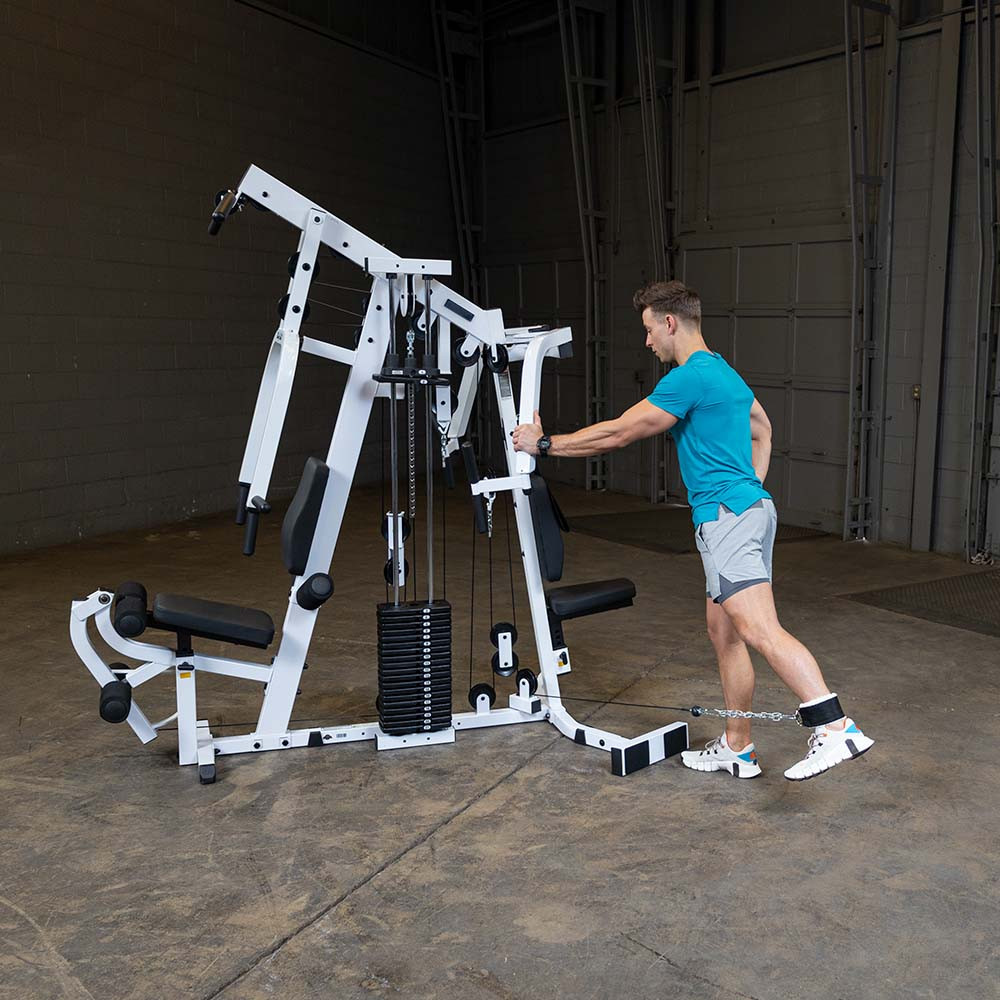
Credit: bodysolid.com
Frequently Asked Questions
What Are The Features Of Body-solid Home Gym Older Models?
Body-Solid older models offer sturdy steel frames and multi-functional workout stations. They include weight stacks, adjustable seats, and pulleys for versatile exercises. These models focus on durability and space-saving designs, ideal for home workouts with effective strength training options.
Are Body-solid Older Models Compatible With New Accessories?
Most Body-Solid older models support compatibility with select newer accessories. However, it’s important to check specific model numbers. Some attachments may require adapters. Compatibility varies due to design updates over years, so verify before purchasing extra parts or upgrades.
How Do Body-solid Older Home Gyms Compare To New Models?
Older models emphasize durability and simplicity, often with heavier frames. Newer models include advanced ergonomics, improved padding, and enhanced adjustability. However, older gyms remain reliable for basic strength training and offer great value for budget-conscious buyers.
Can I Find Replacement Parts For Older Body-solid Home Gyms?
Yes, many replacement parts for older Body-Solid models are available online. Body-Solid’s official website and third-party sellers stock cables, pulleys, and weight plates. It’s recommended to use authentic parts for safety and performance.
Conclusion
Body-Solid home gym older models offer reliable strength training options. They fit well in small spaces and last long. These machines provide a solid workout for various fitness levels. Parts and manuals are often easy to find. Choosing a model depends on your needs and budget.
Consider how much space you have and your exercise goals. Older models remain a good choice for home gyms. They balance quality and value without extra cost. A practical solution for steady fitness progress at home.







