
Starting your fitness journey can feel overwhelming, especially when faced with a room full of gym equipment you don’t know how to use. But what if you had a simple guide that shows you exactly what you need as a beginner?
Imagine walking into the gym with confidence, knowing which machines and tools will help you reach your goals safely and effectively. You’ll discover the essential gym equipment for beginners, how to use it, and tips to avoid common mistakes. Ready to turn confusion into clarity and make your workouts count?
Keep reading – your fitness success starts here.
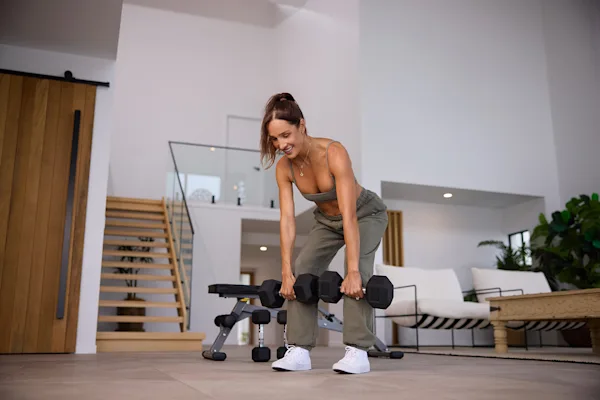
Credit: sweat.com
Choosing The Right Gym Equipment
Choosing the right gym equipment is key for a successful workout journey. The right tools keep you motivated and help you reach your goals faster. Understanding your needs saves time and money. It also prevents injury and frustration. Let’s explore how to pick equipment that fits your lifestyle and fitness plan.
Assessing Your Fitness Goals
Know what you want to achieve first. Are you building muscle, losing weight, or improving endurance? Different goals need different equipment. For muscle building, weights and resistance machines work well. For weight loss, cardio machines like treadmills and bikes help burn calories. For endurance, look for gear that challenges your stamina. Clear goals guide your choices and keep workouts focused.
Budget-friendly Options
Gym gear varies widely in price. Start with basic, affordable items that offer good value. Dumbbells, resistance bands, and jump ropes cost less but provide many exercise options. Look for second-hand equipment in good condition. Avoid overspending on fancy machines if you are new. Simple tools can give solid results without breaking your budget.
Space Considerations
Measure your available workout area before buying equipment. Large machines need plenty of room. Small spaces suit compact gear like yoga mats or foldable benches. Think about storage too. Equipment that folds or stacks helps keep your space tidy. Choosing the right size avoids clutter and makes exercise more enjoyable.
Basic Strength Training Gear
Starting your strength training journey can feel overwhelming, especially with the wide range of gym equipment available. Focusing on basic strength training gear helps you build a solid foundation without confusion. These essential tools are versatile, effective, and perfect for beginners looking to gain confidence and strength.
Dumbbells And Kettlebells
Dumbbells are incredibly user-friendly and allow you to work on individual muscles or both arms simultaneously. You can adjust the weight easily by choosing different sizes, which makes them ideal as you progress. Kettlebells add a dynamic twist, encouraging full-body movement and improving grip strength.
Think about how switching between dumbbells and kettlebells challenges your muscles differently. Have you tried kettlebell swings? They might surprise you with how much core and cardio work they add to your routine.
Resistance Bands
Resistance bands are lightweight and portable, giving you the freedom to exercise anywhere. They offer variable resistance, meaning the harder you pull, the more your muscles work. This makes them perfect for beginners who want to control the intensity of their workouts.
Resistance bands also help improve flexibility and joint mobility. Ever noticed how bands make simple exercises feel more challenging? That’s the magic of constant tension working to build your strength.
Barbells And Weight Plates
Barbells paired with weight plates are a classic choice for building serious strength. They allow you to lift heavier weights safely and perform compound movements like squats and deadlifts. Starting with lighter plates and gradually adding more weight helps prevent injury and promotes steady progress.
Using barbells teaches proper form and engages multiple muscle groups at once. Are you ready to lift with confidence and track your strength gains clearly? Barbells make it straightforward to do just that.
Cardio Equipment For Beginners
Starting your fitness journey can be both exciting and overwhelming. The gym is filled with equipment that seems complex at first glance. However, cardio equipment is a great starting point for beginners looking to boost their endurance and burn calories. Let’s dive into some beginner-friendly options that can kickstart your cardio routine.
Treadmills And Ellipticals
Treadmills are a staple in any gym, providing a straightforward way to start your cardio workouts. They offer adjustable speed and incline, allowing you to tailor your workout to your fitness level. As a beginner, start with a brisk walk and gradually increase your pace as you become more comfortable.
Ellipticals are another excellent option, providing a low-impact cardio workout that’s easy on the joints. They simulate walking or running while reducing the impact on your knees and hips. Adjust the resistance and incline to suit your needs, and enjoy a full-body workout that engages both the upper and lower body.
Stationary Bikes
Stationary bikes offer a great cardiovascular workout while allowing you to sit comfortably. They’re perfect for those who might find running or walking too taxing initially. Start with a moderate resistance level, and focus on maintaining a steady pace.
Consider trying a spin class if you’re looking for a more structured workout. These classes offer a fun, energetic environment that can help keep you motivated. Plus, the group setting provides a sense of community and support as you push through your workout.
Jump Ropes
Jump ropes might bring back childhood memories, but they’re also a powerful cardio tool. They’re inexpensive, portable, and can be used almost anywhere. Start with short intervals, focusing on your form and timing to avoid tripping.
As you get the hang of it, increase the duration or try different jump rope techniques. It’s a fantastic way to improve your coordination and cardiovascular fitness. Plus, it’s a workout that can easily fit into your schedule, even on the busiest days.
Which piece of cardio equipment will you try first? Remember, the key is to start slow and gradually build up your endurance. Enjoy the journey as you explore these options and discover what works best for your fitness goals.
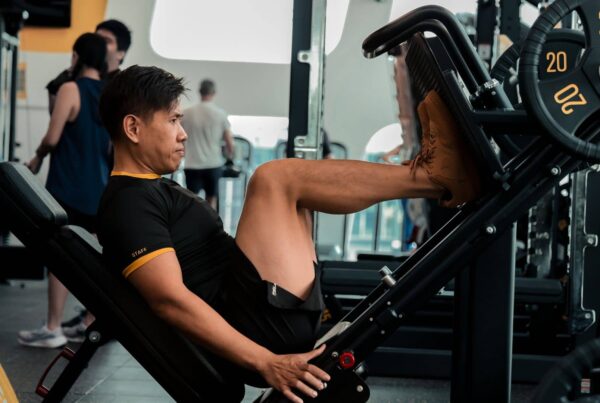
Credit: www.gofit-gym.com
Essential Accessories
Essential accessories make your gym sessions safer and more comfortable. They support your workouts and help you maintain good form. These tools also aid in recovery and keep you hydrated. Choosing the right accessories creates a better exercise experience.
Workout Mats
Workout mats provide a soft surface for floor exercises. They protect your joints from hard floors. Mats also keep you clean and dry during workouts. They are lightweight and easy to carry. Ideal for yoga, stretching, and bodyweight exercises.
Foam Rollers
Foam rollers help release muscle tightness and improve flexibility. Use them before and after workouts to reduce soreness. They increase blood flow to tired muscles. Foam rollers come in different sizes and densities. Beginners should start with a soft, medium-sized roller.
Water Bottles And Towels
Staying hydrated is key during exercise. A water bottle keeps fluids within reach. Choose one that is easy to open and close. Towels help wipe away sweat and keep you fresh. Carry a small, absorbent towel for convenience. Both are must-haves for every workout session.
Safety And Maintenance Tips
Safety and maintenance are crucial for beginners using gym equipment. Proper care ensures longer use and prevents injuries. Understanding how to use, clean, and maintain your gear keeps workouts effective and safe.
Proper Equipment Use
Always read instructions before using any machine or tool. Start with lighter weights to learn the correct form. Avoid rushing through exercises to prevent strain. Use equipment as designed, not for extra tasks. Ask for help or watch tutorials if unsure.
Cleaning And Storage
Wipe down machines and weights after every use. Use a soft cloth and mild cleaner to remove sweat. Store equipment in a dry, cool place to avoid damage. Keep smaller items like resistance bands organized in a box or rack. Proper storage prevents accidents and equipment wear.
When To Replace Gear
Check equipment regularly for cracks, tears, or loose parts. Replace worn-out grips, cables, or pads immediately. Stop using gear that feels unstable or noisy. Old equipment can cause injuries or stop working correctly. Investing in new gear is safer than risking harm.
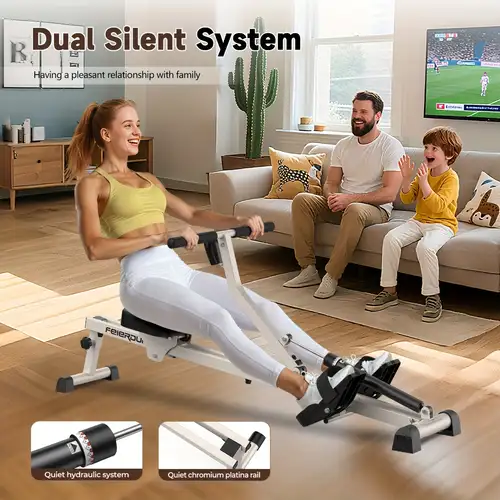
Credit: www.temu.com
Building A Balanced Workout Routine
Building a balanced workout routine helps beginners improve strength and fitness safely. It reduces injury risks and keeps workouts interesting. A mix of exercises targets different muscles and energy systems. Balance means combining strength work with cardio and tracking progress carefully.
Combining Strength And Cardio
Strength exercises build muscle and improve bone health. Cardio workouts boost heart health and burn calories. Combining both types creates a full-body routine. For example, alternate days of weight training with running or cycling. This helps muscles recover and avoids workout boredom.
- Use free weights or machines for strength training.
- Try brisk walking, jogging, or cycling for cardio.
- Start with short sessions, 20 to 30 minutes each.
Progressive Overload Basics
Progressive overload means gradually increasing workout demands. This helps muscles grow stronger over time. Increase weights, reps, or workout time slowly. Avoid adding too much at once to prevent injury. Keep a steady pace and listen to your body’s signals.
- Add 5% more weight every week or two.
- Increase repetitions by small amounts.
- Extend cardio sessions by a few minutes as fitness improves.
Tracking Your Progress
Tracking progress keeps motivation high and shows results. Use a notebook or app to record workouts. Write down weights, reps, and cardio time. Review records weekly to see improvements or make changes. Celebrate small wins to stay motivated.
| Workout Type | What to Track | Why It Matters |
|---|---|---|
| Strength Training | Weight, reps, sets | Measures muscle growth and endurance |
| Cardio | Time, distance, intensity | Tracks heart health and stamina |
Frequently Asked Questions
What Gym Equipment Is Best For Beginners?
Beginner-friendly gym equipment includes treadmills, stationary bikes, and elliptical machines. These offer low-impact workouts and easy adjustments. Resistance bands and light dumbbells also help build strength safely for new users. Choose equipment that matches your fitness goals and comfort level.
How Do I Use Gym Machines Safely?
Start by reading the instructions or asking staff for guidance. Adjust settings to fit your body size. Begin with light weights to learn form and avoid injury. Always warm up before using machines and cool down afterward for best results.
Which Gym Equipment Builds Muscle Fastest?
Free weights like dumbbells and barbells build muscle effectively. Machines targeting major muscle groups also help beginners. Compound movements like squats and bench presses activate multiple muscles. Consistency and proper form are key for faster muscle growth.
How Often Should Beginners Use Gym Equipment?
Beginners should start with 2-3 sessions per week. Each session should last 30-45 minutes focusing on different muscle groups. Gradually increase frequency and intensity as fitness improves. Rest days are essential for recovery and preventing injury.
Conclusion
Starting with the right gym equipment helps build good habits. Choose tools that feel comfortable and safe for you. Keep your goals clear and focus on steady progress. Practice regularly, but listen to your body’s limits. Enjoy the process of getting stronger and healthier.
Remember, small steps lead to big changes over time. Stay patient and consistent to see real results. Your fitness journey begins with simple choices today.







