
Are you ready to build strong, toned legs without leaving your home? A home gym leg workout is the perfect way to boost your fitness, save time, and get results fast.
Whether you’re a beginner or looking to level up your routine, this guide will show you simple, effective exercises you can do right in your living room. Get ready to feel more powerful, confident, and energized with every step you take.
Keep reading to discover how to transform your legs and your workout—no fancy equipment needed!

Credit: www.ritfitsports.com
Benefits Of Home Leg Workouts
Home leg workouts offer many benefits beyond just building muscle. Exercising your legs at home helps improve overall fitness without the need for a gym. These workouts fit easily into any schedule. They boost strength, endurance, and muscle tone. Plus, they provide great flexibility for all fitness levels.
Improved Strength And Endurance
Leg workouts at home strengthen muscles in the thighs, calves, and glutes. Strong legs support daily activities like walking and climbing stairs. Regular training also increases endurance, helping you stay active longer. This leads to better performance in sports and less fatigue during physical tasks.
Enhanced Muscle Tone
Targeted exercises shape and define leg muscles. You can tone your legs without heavy weights or machines. Using bodyweight or simple equipment improves muscle firmness and appearance. Toned legs boost confidence and contribute to a balanced, healthy body shape.
Convenience And Flexibility
Home workouts save travel time to the gym. You can exercise anytime, fitting workouts around your day. No need for special gear or expensive memberships. This flexibility helps keep a consistent routine, making it easier to stay motivated and reach your fitness goals.
Essential Equipment For Home Leg Training
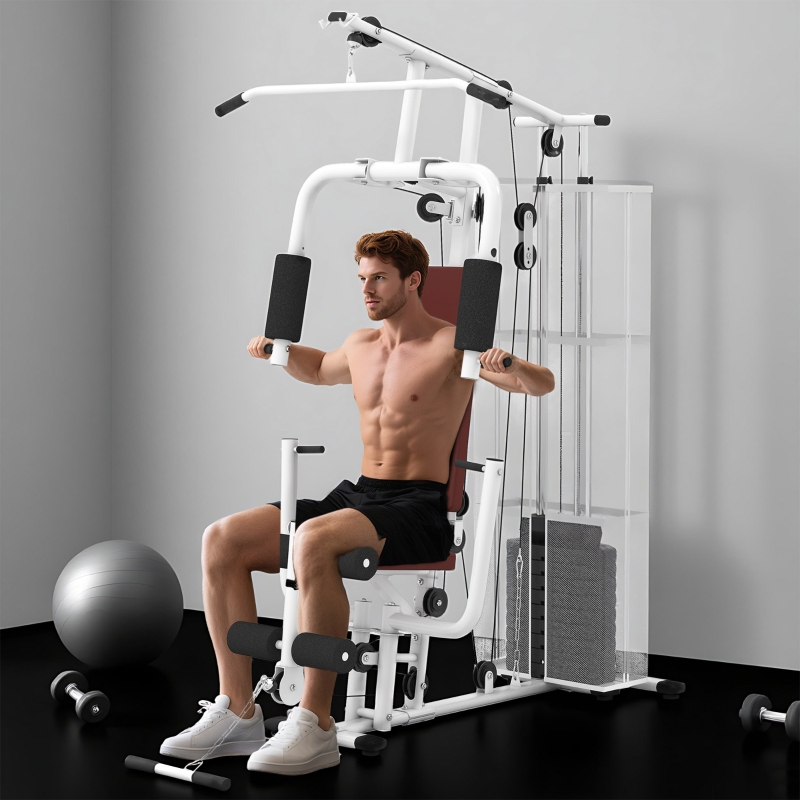
Building strong legs at home is easy with the right equipment. Use resistance bands for versatile workouts. Dumbbells can add weight to squats and lunges. A stability ball helps with balance exercises. Adjustable benches are great for step-ups. These tools make home leg workouts effective and convenient.
Building a home gym for leg workouts can be empowering and convenient. You can achieve impressive results without needing bulky machines or a gym membership. Essential equipment plays a crucial role in your home leg training routine. Let’s dive into the must-have tools that will help you create a robust leg workout setup.Resistance Bands
Resistance bands are versatile and affordable. They provide varying levels of tension, catering to beginners and advanced fitness enthusiasts alike. You can use them to enhance exercises like squats, lunges, and leg curls. These bands are also perfect for adding resistance to bodyweight exercises. They’re compact, making them ideal for small spaces. Plus, they’re easy to store or pack when traveling. Have you ever tried a banded squat or glute bridge? The burn is real!Dumbbells And Kettlebells
Dumbbells and kettlebells are staples for any home gym. They offer a wide range of weights to suit your strength level. Whether you’re doing goblet squats or Romanian deadlifts, these tools provide excellent resistance. They help in building muscle and improving balance. Switching between dumbbells and kettlebells can add variety to your routine, keeping workouts fresh. Consider starting with a moderate weight and gradually increasing as you gain strength.Stability Tools
Stability tools, like a balance ball or a Bosu ball, are fantastic for leg workouts. They help improve core strength and balance while targeting leg muscles. Exercises like single-leg squats or lunges on an unstable surface challenge your muscles in new ways. These tools are not just for advanced athletes; beginners can benefit from them too. They add an extra layer of intensity to your workout. Have you ever tried a plank on a balance ball? It’s a game-changer for core and leg strength. By incorporating these essential pieces of equipment, you can create a comprehensive and effective home leg workout routine. What’s stopping you from taking your leg training to the next level?Warm-up Exercises For Leg Workouts
Warming up before your leg workout is essential to prepare your muscles and joints for the upcoming effort. It helps reduce the risk of injury and improves your overall performance. You might feel tempted to jump straight into heavy squats or lunges, but starting with the right warm-up can make a big difference in your workout results.
Dynamic Stretching
Dynamic stretching involves moving parts of your body through a full range of motion. It wakes up your leg muscles and increases blood flow without causing fatigue.
- Leg swings:Stand next to a wall for support and swing one leg forward and backward 10-15 times. This loosens up your hips and hamstrings.
- Walking lunges:Step forward into a lunge position, then move the opposite leg forward. Repeat for 10-12 steps to activate quads and glutes.
- Hip circles:Stand on one leg and move the other leg in circular motions to warm up hip joints.
Try to feel the tension ease as your muscles start to respond. Have you noticed how dynamic stretches make your legs feel more ready compared to static holds?
Light Cardio Movements
Light cardio raises your heart rate and increases circulation to your legs. This gets your body temperature up, making muscle fibers more elastic and less prone to tears.
- Jumping jacks:Perform 30 seconds of moderate jumping jacks to engage your whole lower body.
- High knees:Jog in place while lifting your knees toward your chest for 20-30 seconds to activate hip flexors and calves.
- Butt kicks:Jog in place, kicking your heels toward your glutes, which targets hamstrings.
These movements not only prepare your legs but also boost mental focus. How different does your workout feel when you take this step seriously?
Effective Bodyweight Leg Exercises
Bodyweight leg exercises offer a simple and effective way to build strength at home. They require no special equipment, making them perfect for any space. These exercises target major leg muscles, improving balance and endurance. Consistent practice helps shape toned, powerful legs.
Squats Variations
Squats work the thighs, hips, and buttocks. Basic squats involve bending knees and lowering hips. Try different forms to challenge muscles differently:
- Sumo Squat:Feet wider, toes pointed out, targets inner thighs.
- Pulse Squat:Small up and down movements at the lowest point.
- Jump Squat:Add a jump as you rise for explosive power.
Lunges And Step-ups
Lunges improve balance and target quads, hamstrings, and glutes. Step-ups mimic climbing stairs and build leg strength. Variations include:
- Forward Lunge:Step ahead, then push back to start.
- Reverse Lunge:Step backward, then return to standing.
- Step-Up:Use a sturdy chair or bench to step up and down.
Glute Bridges
Glute bridges strengthen hips and lower back. Lie on your back, bend knees, and lift hips. Variations increase difficulty:
- Single-Leg Bridge:Lift one leg while raising hips.
- Marching Bridge:Alternate lifting each knee while hips stay raised.
Using Weights For Leg Strength
Using weights for leg strength is a powerful way to boost muscle growth and improve overall endurance. Adding resistance challenges your muscles more than bodyweight alone, helping you build stronger legs faster. You don’t need a fancy gym setup—just a few simple weights and smart exercises can transform your home workouts.
Weighted Squats
Weighted squats target your quads, hamstrings, and glutes all at once. Grab a pair of dumbbells or a kettlebell and hold them by your sides or at chest level. As you squat down, focus on keeping your back straight and knees aligned with your toes.
I found that starting with lighter weights helped me perfect my form before adding more load. This approach prevents injury and makes your progress steady and safe. Can you feel how your legs burn differently when you add weight?
Deadlifts At Home
Deadlifts work your hamstrings, glutes, and lower back, making them essential for balanced leg strength. Use a barbell if you have one, or dumbbells if you don’t. Keep the weights close to your body as you hinge at the hips and lower down, then lift back up with controlled movement.
One tip: avoid rounding your back to protect your spine. Adding weight here is a game changer—you’ll notice your posture improving, along with your leg power. Have you tried deadlifts with just dumbbells yet?
Weighted Lunges
Weighted lunges challenge your stability and build strength in each leg individually. Hold dumbbells by your sides and take a big step forward, bending both knees until the back knee almost touches the ground. Push back up to standing and switch legs.
Weighted lunges helped me fix muscle imbalances since each leg works independently. They also increase your balance and coordination. How balanced do your legs feel after adding weights to your lunges?
Targeting Different Leg Muscles
Leg workouts at home can target various muscles for balanced strength. Different exercises focus on distinct muscle groups. This variety helps improve overall leg power and endurance. Concentrating on specific muscles prevents imbalances and reduces injury risk.
Quads Focused Moves
The quadriceps are the large muscles at the front of your thighs. Strong quads improve walking, running, and jumping. Squats are a top exercise for quads. Variations like wall sits and lunges also work well. Use body weight or dumbbells to increase challenge.
Hamstring Strengtheners
Hamstrings run along the back of your thighs. They help bend your knees and extend hips. Good hamstring strength supports knee health. Try exercises like Romanian deadlifts and glute bridges. Stability ball hamstring curls work great too. Focus on slow, controlled movements for best results.
Calf Building Exercises
Calves are key for balance and walking power. Simple calf raises can be done anywhere. Try single-leg raises to increase difficulty. Hold dumbbells or use a step for extra resistance. Stretch calves after workouts to keep them flexible and reduce soreness.
Sample Home Leg Workout Routines
Building strong legs at home is totally possible with the right workout routine. Whether you’re just starting out or looking to push your limits, having a clear plan helps you stay focused and track progress.
Below are leg workout routines designed for different fitness levels. Each plan uses simple exercises you can do with minimal or no equipment. Ready to challenge your legs and see real results?
Beginner Level Plan
This plan is perfect if you’re new to leg workouts or getting back into exercise. The focus is on mastering form and building a solid foundation.
- Bodyweight Squats:3 sets of 12 reps
- Glute Bridges:3 sets of 15 reps
- Standing Calf Raises:3 sets of 20 reps
- Lunges (alternating legs):2 sets of 10 reps per leg
Try to rest 30-45 seconds between sets. Notice how your legs feel after each session – are they waking up or tired in a good way? That’s your progress talking.
Intermediate Challenge
If you’ve built some strength and want to increase intensity, this routine adds more volume and movement variety. You’ll engage more muscles and improve endurance.
- Jump Squats:4 sets of 10 reps
- Walking Lunges:3 sets of 12 reps per leg
- Single-Leg Glute Bridges:3 sets of 12 reps per leg
- Wall Sit:Hold for 45 seconds, 3 rounds
- Calf Raises with Toes In/Out:3 sets of 20 reps each variation
Feel your heart rate rise and muscles burn? That’s good. It means you’re pushing your limits and building resilience.
Advanced Leg Circuit
When you want to test your power and stamina, this circuit keeps you moving with minimal rest. It’s designed to sculpt, strengthen, and challenge every part of your legs.
- Pistol Squats (assisted if needed):3 sets of 8 reps per leg
- Bulgarian Split Squats:3 sets of 12 reps per leg
- Box Jumps or Step-Ups:3 sets of 15 reps
- Hamstring Curls with Stability Ball or Slider:3 sets of 12 reps
- Calf Raises on Elevated Surface:4 sets of 25 reps
Try to move through the circuit with just 15-20 seconds of rest between exercises. Can you feel your legs getting stronger and more explosive with each round?

Credit: www.amazon.ca
Recovery And Stretching Tips
Taking time for recovery and stretching after your home gym leg workout is just as important as the workout itself. It helps reduce muscle soreness, improves flexibility, and speeds up healing. Ignoring this step can leave you feeling stiff and increase the risk of injury.
Post-workout Stretching
Stretching right after your leg workout helps your muscles relax and return to their normal length. Focus on key areas like your quads, hamstrings, calves, and hip flexors. Hold each stretch gently for 20 to 30 seconds without bouncing.
- Quad Stretch:Stand on one leg, pull your other foot toward your buttocks, and keep your knees close together.
- Hamstring Stretch:Sit on the floor, extend one leg, and reach for your toes while keeping your back straight.
- Calf Stretch:Lean against a wall with one leg behind, pressing your heel into the ground.
- Hip Flexor Stretch:Step one foot forward into a lunge position and gently press your hips down.
Have you noticed how a simple stretch can make your legs feel lighter and more energized? Try adding these stretches to your routine and see how your recovery improves.
Foam Rolling Techniques
Foam rolling is a form of self-massage that breaks up muscle knots and increases blood flow. It’s especially helpful after intense leg workouts to ease tightness and speed up muscle repair.
- Quads:Lie face down and place the foam roller under your thighs. Roll from the top of your knees to your hips slowly.
- Hamstrings:Sit on the floor with the foam roller under your thighs. Use your hands for support and roll from your knees to your glutes.
- Calves:Sit with the foam roller under your calves and roll from your ankles to your knees.
- IT Band:Lie on your side with the foam roller under your outer thigh. Roll from your hip to your knee carefully.
Be mindful of tender spots; pausing on them for 20-30 seconds can release tension. Foam rolling might feel uncomfortable at first, but it’s one of the best ways to help your legs recover faster. Have you tried foam rolling after your workouts yet?
Common Mistakes To Avoid
When working out your legs at home, avoiding common mistakes can make a huge difference in your progress and safety. Many people push hard but don’t get the results they want because of small errors in their routine. Identifying and fixing these issues will help you train smarter, not just harder.
Poor Form Issues
Good form is the foundation of any effective leg workout. If your knees cave inward during squats or your back rounds during deadlifts, you risk injury and reduce the exercise’s effectiveness.
Have you noticed soreness in your lower back after leg day? It might be due to poor posture or incorrect technique. Try recording yourself or using a mirror to check your movements—small adjustments can make a big difference.
- Keep your knees aligned with your toes during squats and lunges.
- Engage your core to support your lower back.
- Control your movement speed; don’t rush through reps.
Overtraining Risks
It’s tempting to push every day, especially when you’re motivated at home. But your muscles need time to recover, especially with leg workouts that target large muscle groups.
Do you feel persistent fatigue or joint pain after sessions? These are signs you might be overdoing it. Rest days and proper sleep are just as important as the workout itself.
- Limit intense leg workouts to 2-3 times a week.
- Include stretching or light cardio on off days to aid recovery.
- Listen to your body—pain is a signal, not a challenge.
Credit: www.aosom.ca
Tracking Progress And Staying Motivated
Tracking progress and staying motivated are key for a successful home gym leg workout. Watching improvements keeps energy high and focus sharp. Without clear tracking, it’s easy to lose sight of goals and feel stuck.
Regularly checking progress helps identify what works and what needs change. It builds confidence and encourages consistency. Motivation grows when small wins are noticed and celebrated.
Setting Realistic Goals
Set goals that are clear and achievable. Goals should be specific, like increasing squat reps or weight in a set time. Avoid aiming too high too soon. Break big goals into smaller steps.
Write down goals and review them weekly. Adjust goals based on progress and how the body feels. Realistic goals prevent frustration and keep motivation steady.
Using Workout Logs
Keep a workout log to record exercises, sets, reps, and weights. Logs show progress over weeks and months. They help spot patterns and plateaus in training.
A simple notebook or fitness app works well. Note how you feel each session. This helps track energy and recovery too.
Review logs regularly to celebrate gains and plan next steps. Tracking builds a habit and supports long-term success.
Frequently Asked Questions
What Are The Best Leg Exercises For A Home Gym?
The best leg exercises include squats, lunges, step-ups, and calf raises. These target all major leg muscles effectively at home.
How Often Should I Do Leg Workouts At Home?
Aim for 2-3 leg workout sessions per week. This frequency allows muscle recovery and promotes strength and growth.
What Equipment Is Essential For Home Leg Workouts?
Basic equipment like dumbbells, resistance bands, and a sturdy bench enhances leg workouts. They add resistance and variety safely.
Can Home Leg Workouts Build Muscle Effectively?
Yes, with proper form and progressive overload, home leg workouts can build muscle. Consistency and nutrition also play key roles.
Conclusion
Building strong legs at home is simple and effective. Use these exercises regularly to see progress. Consistency matters more than fancy equipment. Stay patient and keep your form correct. A good leg workout boosts strength and balance. Your body will thank you with better movement.
Enjoy the convenience of training anytime you want. Start small, increase reps as you get stronger. Healthy legs support all your daily activities. Keep pushing forward and stay active for best results.







