
Are you making the most out of your time at the gym? Using gym equipment properly isn’t just about safety—it’s the key to faster results and avoiding injuries.
If you’ve ever felt unsure about how to use a machine or wondered if your form is right, you’re not alone. This guide will show you simple, clear steps to master gym equipment with confidence. Keep reading, and you’ll discover how small changes in your technique can lead to big improvements in your workouts.
Your body will thank you for it!
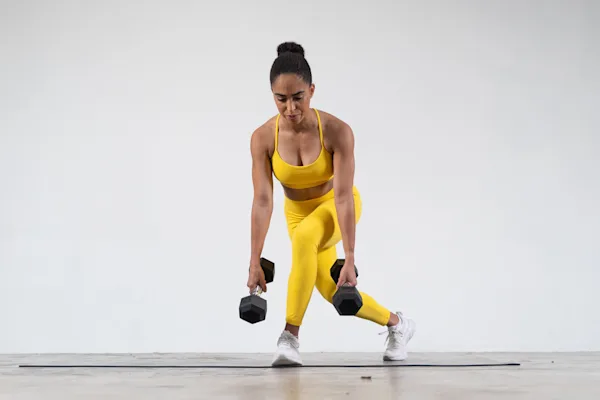
Credit: sweat.com
Choosing The Right Equipment
Choosing the right gym equipment is key to making your workouts effective and safe. Picking gear that fits your fitness level and goals helps you stay motivated and avoid injury. It’s not just about what looks cool or what others use—your choices should be smart and personalized.
Assessing Your Fitness Level
Start by honestly evaluating your current fitness. Are you a beginner, intermediate, or advanced? Knowing your level helps you avoid equipment that’s too challenging or too easy.
If you’re new, machines with guided motions like elliptical trainers or seated row machines can build confidence. More experienced users might prefer free weights or multi-functional cable machines that allow varied exercises.
Ask yourself: How much strength, balance, and endurance do I have right now? This reflection directs you to equipment that matches your ability and keeps progress steady.
Matching Equipment To Your Goals
Your fitness goals should shape your equipment choices. Want to build muscle? Free weights and resistance machines are your allies. Looking to improve cardio? Treadmills, stationary bikes, and rowing machines work well.
Mixing equipment types can also boost overall fitness. For example, combining strength machines with cardio gear can enhance both muscle tone and heart health. What’s your main focus, and how can you adjust your plan if your goals change?
Consider the amount of space and time you have. Sometimes, simpler equipment like kettlebells or jump ropes give great results without complicated setups.
Consulting Gym Staff
Gym staff are a valuable resource when choosing equipment. They can recommend machines based on your fitness level and goals. Don’t hesitate to ask for demonstrations or advice.
They often notice details you might miss, like proper form or equipment settings. A quick chat can prevent mistakes and boost your confidence in using new gear.
Have you ever felt unsure about a machine and just walked away? Talking to staff can turn uncertainty into clarity and make your workout time more productive.
Preparing For Your Workout
Understanding each machine’s function helps prevent injury and boosts workout results. Adjust settings to fit your body before starting any exercise. Always follow instructions and ask for help if unsure.
Preparing for Your Workout Preparing for your workout is more than just lacing up your sneakers and heading to the gym. A thoughtful approach can enhance your experience and results. Let’s dive into key elements to set the stage for an effective workout.Warming Up Effectively
Jumping straight into your workout might seem tempting, but warming up is crucial. It prepares your body by gradually increasing your heart rate and circulation. Try a brisk five-minute walk or some light dynamic stretches. This routine reduces the risk of injury and improves performance. Have you ever skipped a warm-up and felt sluggish during your workout? Ensuring you warm up can make a significant difference in how you feel and perform.Setting Proper Attire
Wearing the right gym attire isn’t just about looking good. Comfortable, breathable clothing can enhance your range of motion and prevent chafing. Choose moisture-wicking fabrics to keep sweat at bay. Consider your footwear too. Good support and cushioning in your shoes can make or break your workout experience. Are your current sneakers up to the task, or is it time for an upgrade?Checking Equipment Condition
Before you start using any gym equipment, give it a quick inspection. Ensure the equipment is clean and free of visible damage. This practice not only keeps you safe but also respects others who use the gear. Take a moment to adjust machines to your height and comfort. Proper settings can prevent strains and help you get the most out of your exercise. Ever adjusted a machine and felt the difference immediately? Small tweaks can lead to big improvements.Using Cardio Machines Safely
Using cardio machines safely is key to getting the most out of your workout without risking injury. Each type of machine has its own set of safety tips that can help you exercise effectively and confidently. Paying close attention to your form and machine settings can make a big difference in your workout results.
Treadmills And Ellipticals
Start by checking the treadmill or elliptical settings before you step on. Adjust the speed and incline gradually to avoid sudden strain on your joints. Keep your posture upright and avoid leaning on the handrails too much; this helps engage your core and prevents back pain.
Have you ever felt dizzy or off-balance on a treadmill? This usually means the speed is too high or you’re not used to the machine’s motion yet. Slow down and focus on steady, controlled movements to build your confidence.
Stationary Bikes
Set the seat height so your knees have a slight bend at the bottom of the pedal stroke. A seat too low or too high can cause knee or hip discomfort over time. Hold the handlebars lightly to avoid tension in your shoulders and neck.
Try to maintain a smooth pedal motion without bouncing or jerking. If you feel pain in your knees or lower back, pause and reassess your posture and bike settings. Have you checked if the resistance level matches your fitness level? Too high resistance can strain muscles unnecessarily.
Rowing Machines
Rowing machines demand coordination between your legs, core, and arms. Start slow and focus on the sequence: push with your legs, lean back slightly, then pull with your arms. Avoid hunching your shoulders or bending your wrists awkwardly.
Keep your movements fluid and controlled to prevent injuries like lower back strain. If you feel tightness or discomfort, try reducing the resistance or taking breaks. Ask yourself if you’re rushing through the strokes — controlled pace beats speed for safety and effectiveness.

Credit: orbitfitness.com.au
Mastering Strength Machines
Strength machines help build muscle safely and effectively. They guide your movements, reducing injury risk. Using them well boosts workout results and confidence. Understanding how to set and use each machine is key. Proper use protects your joints and muscles. It also makes workouts more efficient and enjoyable.
Adjusting Settings Correctly
Start by setting the seat and handles to fit your body. Your joints should line up with the machine’s pivot points. Adjust weight stacks to match your strength level. Choose a weight that challenges you but allows full control. Check all pins and locks are secure before starting. Never force adjustments; use smooth, gentle movements.
Maintaining Proper Form
Keep your back straight and core tight during exercises. Avoid leaning or twisting your body. Move through the full range of motion slowly and steadily. Breathe out while lifting and breathe in when lowering. Use smooth, controlled movements instead of jerking. Focus on the muscle you want to work for best results.
Avoiding Common Mistakes
- Do not overload the machine with too much weight.
- Avoid locking your joints at the end of the movement.
- Never let the machine’s parts slam back into place.
- Do not rush; speed reduces effectiveness and increases injury risk.
- Don’t ignore discomfort or pain during exercises.
Check your form often in mirrors or ask gym staff for help. Practicing safe habits leads to better progress and fewer injuries.
Free Weights And Dumbbells
Free weights and dumbbells are essential tools in any gym. They help you build strength, improve muscle tone, and enhance overall fitness. Using them properly ensures you get the most out of your workout while avoiding injury.
Selecting Appropriate Weights
Choosing the right weight is crucial for progress and safety. Start with a weight that allows you to perform 10 to 12 repetitions with good form but feels challenging by the last few reps.
If you’re new to lifting, try lighter weights first to focus on mastering the movement. Gradually increase the weight as your strength improves to avoid plateaus.
Safe Lifting Techniques
Always maintain control of the dumbbells throughout the movement. Avoid swinging or using momentum, as this can strain your muscles and joints.
Keep your back straight and engage your core to support your posture. If you feel any sharp pain or discomfort, stop immediately and reassess your form.
Spotting And Assistance
Spotting is important when lifting heavy dumbbells, especially during exercises like bench presses or overhead lifts. A spotter can help prevent accidents and provide confidence to push your limits safely.
If you don’t have a spotter, consider using lighter weights or machines designed for solo use. Asking gym staff or fellow gym-goers for help is always a good idea if you’re unsure.
Incorporating Functional Training Tools
Incorporating functional training tools enhances workout variety and effectiveness. These tools help mimic real-life movements that improve strength, balance, and coordination. Using them correctly reduces injury risk and boosts performance.
Using Resistance Bands
Resistance bands add tension during exercises, activating muscles differently than weights. Stretch bands slowly and control your movements to avoid snapping. They suit all fitness levels and allow for full-body workouts.
- Anchor bands securely before pulling or stretching.
- Keep your core tight during exercises.
- Perform slow, controlled movements for best results.
Balance And Stability Equipment
Balance tools like BOSU balls and balance boards challenge your stability. Stand or perform exercises on these to engage your core and leg muscles. Start with simple poses and increase difficulty gradually.
- Hold onto a support if needed at first.
- Focus on steady breathing to maintain balance.
- Use short sessions to build confidence and skill.
Kettlebells And Medicine Balls
Kettlebells and medicine balls improve power and coordination. Use proper form to protect your back and joints. Begin with light weights and increase as your strength grows.
- Keep your back straight during lifts and swings.
- Engage your core to stabilize your body.
- Use smooth, controlled movements to avoid injury.
Maintaining Hygiene And Equipment Care
Maintaining hygiene and caring for gym equipment is essential not only for your health but also for the longevity of the machines you use daily. Clean and well-maintained equipment ensures a safer workout environment and shows respect to fellow gym-goers. Your small actions can create a big difference in the gym community.
Cleaning After Use
Wiping down machines and weights after your workout helps prevent the spread of germs and sweat buildup. Most gyms provide disinfectant sprays and paper towels—make it a habit to use them immediately after you finish. Have you ever noticed how much fresher the equipment feels when everyone cleans up? It’s a simple step that benefits everyone.
Reporting Damaged Equipment
If you spot any broken or malfunctioning equipment, don’t ignore it. Reporting issues to gym staff protects you and others from injuries and keeps the machines in top shape. Sometimes, a quick note or a word to the front desk can prevent accidents and save repair costs down the line.
Respecting Gym Etiquette
Respect means more than just cleaning; it includes returning weights to their racks and not hogging machines during peak hours. Think about others waiting for their turn and try to keep your workout efficient. How would you feel if someone left a mess or occupied equipment unnecessarily? Your awareness creates a better gym experience for everyone.
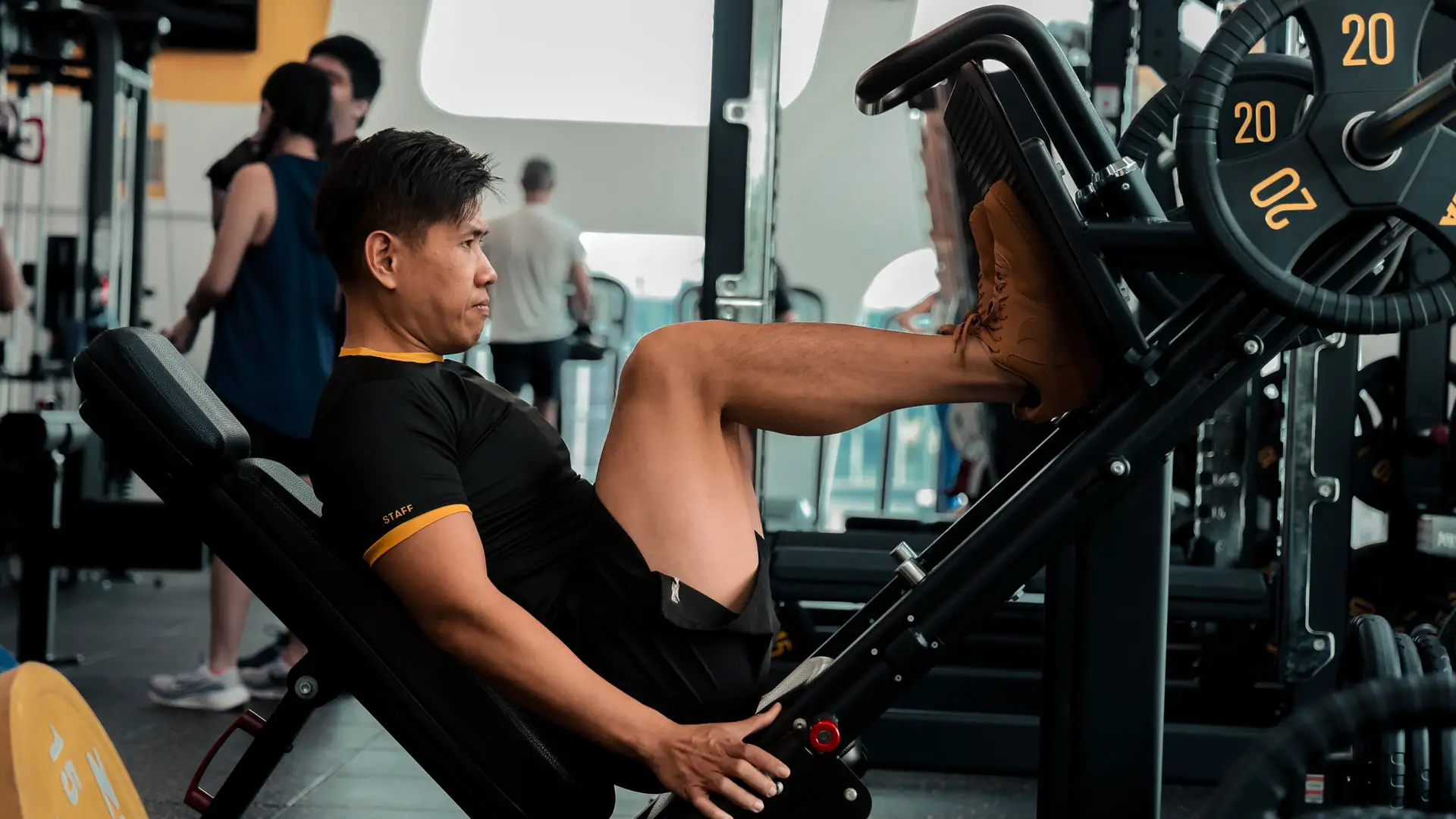
Credit: www.gofit-gym.com
Preventing Injuries
Preventing injuries is key to a safe and effective workout. Using gym equipment correctly protects your body and helps you reach your goals. Paying attention to your body’s signals and following smart practices lowers injury risk.
Recognizing Warning Signs
Listen to your body during exercise. Sharp pain, dizziness, or unusual discomfort are warning signs. Stop immediately if you feel any of these. Muscle soreness is normal, but intense pain is not.
Look for signs like swelling or limited movement after workouts. These indicate potential injury. Early recognition helps prevent worsening damage.
Rest And Recovery
Rest days are vital for muscle repair and growth. Overworking muscles without breaks increases injury risk. Include rest between workouts targeting the same muscle groups.
Sleep supports recovery and boosts energy. Aim for 7-9 hours per night. Use gentle stretching or light activities on rest days to stay active safely.
Seeking Professional Guidance
Ask gym trainers for help if unsure about equipment use. They can show correct form and adjustments. Proper technique reduces strain and injury risk.
Consider a fitness assessment to tailor workouts to your needs. Physical therapists can assist if you have past injuries. Professional advice enhances safety and effectiveness.
Frequently Asked Questions
How Do I Use Gym Equipment Safely?
Always start with a warm-up to prepare your muscles. Read instructions before using machines. Use correct form to avoid injuries. Adjust settings to fit your body size. Avoid rushing and focus on controlled movements. Ask gym staff for help if unsure.
What Is The Proper Way To Adjust Gym Machines?
Adjust the seat height and backrest to align with your body. Set weight levels according to your strength. Ensure your joints move naturally during exercise. Check machine stability before use. Proper adjustments maximize effectiveness and reduce injury risk.
How Often Should I Clean Gym Equipment?
Clean equipment before and after each use. Use disinfectant wipes or sprays provided by the gym. Focus on handles, seats, and touchpoints. Regular cleaning prevents germ spread and keeps equipment safe. Follow gym rules for hygiene and respect others.
Can Beginners Use All Gym Equipment?
Beginners should start with basic machines and free weights. Learn correct techniques first to avoid injury. Gradually increase intensity and complexity. Consider a trainer’s guidance for personalized advice. Using familiar equipment builds confidence and strength safely.
Conclusion
Using gym equipment properly helps you stay safe and get better results. Start with light weights and learn the right form. Ask trainers for help if unsure. Take your time and avoid rushing exercises. Consistency and care make workouts effective and fun.
Enjoy your fitness journey and stay motivated every day.







