
Are you ready to transform your workout space into the perfect home gym? Choosing the right flooring is one of the most important steps to make your gym safe, comfortable, and motivating.
The right floor can protect your joints, reduce noise, and keep your equipment in place. But with so many options out there, how do you pick the best one for your needs? You’ll discover smart and stylish home gym flooring ideas that fit your space and budget.
Keep reading to find the perfect foundation for your fitness journey!
Choosing The Right Flooring Material
Choosing the right flooring material for your home gym is more than just picking what looks good. It affects your workout quality, safety, and even how long your equipment lasts. Think about how you move, the types of exercises you do, and how much noise you want to reduce before making your choice.
Rubber Flooring Benefits
Rubber flooring is a top choice for many home gyms. It offers excellent shock absorption, which protects your joints during high-impact workouts. Plus, it’s durable enough to handle heavy weights without damage.
It’s also slip-resistant, so you stay safe during sweaty sessions. If you’ve ever dropped a dumbbell on a hardwood floor, you know why rubber’s cushioning matters. Cleaning rubber is easy too—just sweep and mop.
Foam Tiles For Comfort
Foam tiles are soft and provide great comfort for floor exercises like yoga or stretching. They are lightweight and easy to install, making them perfect if you want a quick gym setup. However, foam may not hold up well under heavy weights or intense cardio.
If you prioritize comfort and plan mostly bodyweight workouts, foam can be a smart choice. Just ask yourself if you need more durability or softness in your routine.
Vinyl Flooring Options
Vinyl flooring combines style with practicality. It’s water-resistant, so sweat or spills won’t cause damage. Vinyl also mimics hardwood or stone, giving your gym a sleek look without the high cost.
This material is easy to clean and maintain, but it doesn’t offer much cushioning. If your workouts involve a lot of jumping or lifting, you might want to add mats on top for extra protection.
Carpet Vs Hard Floors
Carpet can make your gym feel cozy and quiet, reducing noise from equipment. But it traps dust and sweat, which can lead to unpleasant odors and hygiene issues over time. Cleaning carpeted floors requires more effort compared to hard surfaces.
Hard floors like wood or laminate are easier to clean and support most gym activities well. However, they can be slippery and unforgiving if you drop weights or fall. Consider adding area rugs or mats for balance between comfort and practicality.

Credit: homegymlife.com
Durability Factors To Consider
Choosing the right flooring for your home gym is crucial. Durability plays a key role in maintaining a safe and long-lasting workout space. Consider several factors to ensure your flooring withstands heavy use and remains in top condition.
Resistance To Impact And Wear
Home gym flooring should withstand heavy weights and equipment. Choose materials that resist dents and scratches. Rubber flooring is a great option for high-impact workouts. It absorbs shock and reduces the risk of floor damage. Foam tiles offer cushioning but may wear quicker under heavy loads.
Moisture And Sweat Protection
Gyms can get sweaty. Flooring should resist moisture to prevent mold and bacteria. Look for non-porous materials that repel water. Vinyl and rubber are excellent choices for moisture resistance. They create a barrier against sweat absorption.
Ease Of Cleaning
Easy cleaning is essential for hygiene and maintenance. Select flooring that is easy to wipe or mop. Rubber and vinyl surfaces can be quickly cleaned with mild detergent. Avoid materials that trap dirt or require special cleaners. A clean gym environment enhances your workout experience.
Design Ideas For Stylish Floors
Designing stylish floors for your home gym is more than just choosing a durable surface. Your floor sets the tone and energy of the entire workout space. It can motivate you or make your gym feel dull and uninspiring.
Color Choices And Patterns
Bright colors like red or blue can boost your energy during workouts. Neutral tones such as gray or beige create a calm and focused atmosphere. Mixing colors in geometric patterns or stripes adds visual interest and breaks monotony.
Think about your workout style. Do you prefer high-energy cardio or calming yoga? Your floor color can match your workout mood and keep you motivated.
Custom Logos And Graphics
Adding a custom logo or graphic makes your gym floor truly personal. Imagine stepping onto a floor with your initials or a motivational quote every time you exercise. It’s a small detail that adds a big dose of inspiration.
You can use vinyl decals or paint stencils for this. These options allow you to update or change designs without replacing the entire floor.
Layering Textures
Combining different textures creates a unique and functional floor. Soft rubber mats next to smooth vinyl tiles give comfort and grip where you need it most. Layering also helps define workout zones, like a spot for weights and another for stretching.
Have you tried mixing foam tiles with cork or carpet squares? It can soften impact and add warmth, making your gym more inviting.
Installation Tips And Tricks
Installing the right flooring for your home gym can make a huge difference in your workout experience. It’s not just about picking the perfect material; how you prepare and install it affects durability and safety. Let’s dive into some practical tips and tricks that will help you get the best results, whether you’re doing it yourself or hiring a pro.
Preparing The Subfloor
Your subfloor is the foundation of your gym flooring. Make sure it’s clean, dry, and level before you start. Any bumps or moisture can cause problems later, like uneven surfaces or mold growth.
If you find cracks or holes, fill them with a suitable patching compound. Sand down rough areas to ensure smoothness. This preparation can prevent your gym flooring from shifting or wearing out prematurely.
Diy Vs Professional Installation
Installing gym flooring yourself can save money, but it requires patience and attention to detail. Interlocking rubber tiles are beginner-friendly and easy to adjust if you make a mistake.
Professional installation is worth considering for large spaces or complex flooring types like poured rubber or cushioned vinyl. They have the tools and experience to handle tricky spots and ensure a perfect fit.
Ask yourself: How confident are you with tools and measuring? If you hesitate, a pro might save you time and frustration.
Maintenance Practices
Keeping your gym floor in good shape extends its life and keeps workouts safe. Sweep or vacuum regularly to remove dust and debris that can scratch the surface.
Wipe up sweat and spills immediately to prevent stains or slipping hazards. Use mild cleaning solutions recommended by the flooring manufacturer to avoid damage.
Have you considered setting up a simple routine? Even a quick wipe-down after each workout can make a big difference over time.
Budgeting Your Home Gym Flooring
Planning your home gym flooring budget can feel overwhelming, but it doesn’t have to drain your wallet. You want a surface that protects your floors, cushions your joints, and stands up to heavy use—all without overspending. Let’s break down the costs and value so you can make smart choices that fit your budget and your workout style.
Cost Comparison Of Materials
Different flooring options come with different price tags, so knowing what to expect helps avoid surprises. Here’s a quick look at some popular materials:
| Material | Average Cost per sq. ft. | Durability | Comfort |
|---|---|---|---|
| Rubber Mats | $2 – $5 | High | High |
| Foam Tiles | $1.50 – $3 | Medium | High |
| Vinyl Flooring | $2 – $7 | High | Medium |
| Cork Flooring | $3 – $6 | Medium | Medium |
Keep in mind, installation costs may add up if you’re not doing it yourself. Have you checked if your budget includes tools or delivery fees?
Long-term Investment Value
Cheaper flooring might look good on paper but can cost more in the long run. Durable materials like rubber can last for years without needing replacement, saving money over time.
Think about how often you’ll use your gym and the types of workouts you do. If you lift heavy weights, a sturdier floor pays off by preventing damage. If your workouts are mostly yoga or bodyweight, softer and less expensive options might work just fine.
Ask yourself: How much wear and tear will your flooring face? This helps you avoid replacing floors too soon.
Where To Save And Where To Splurge
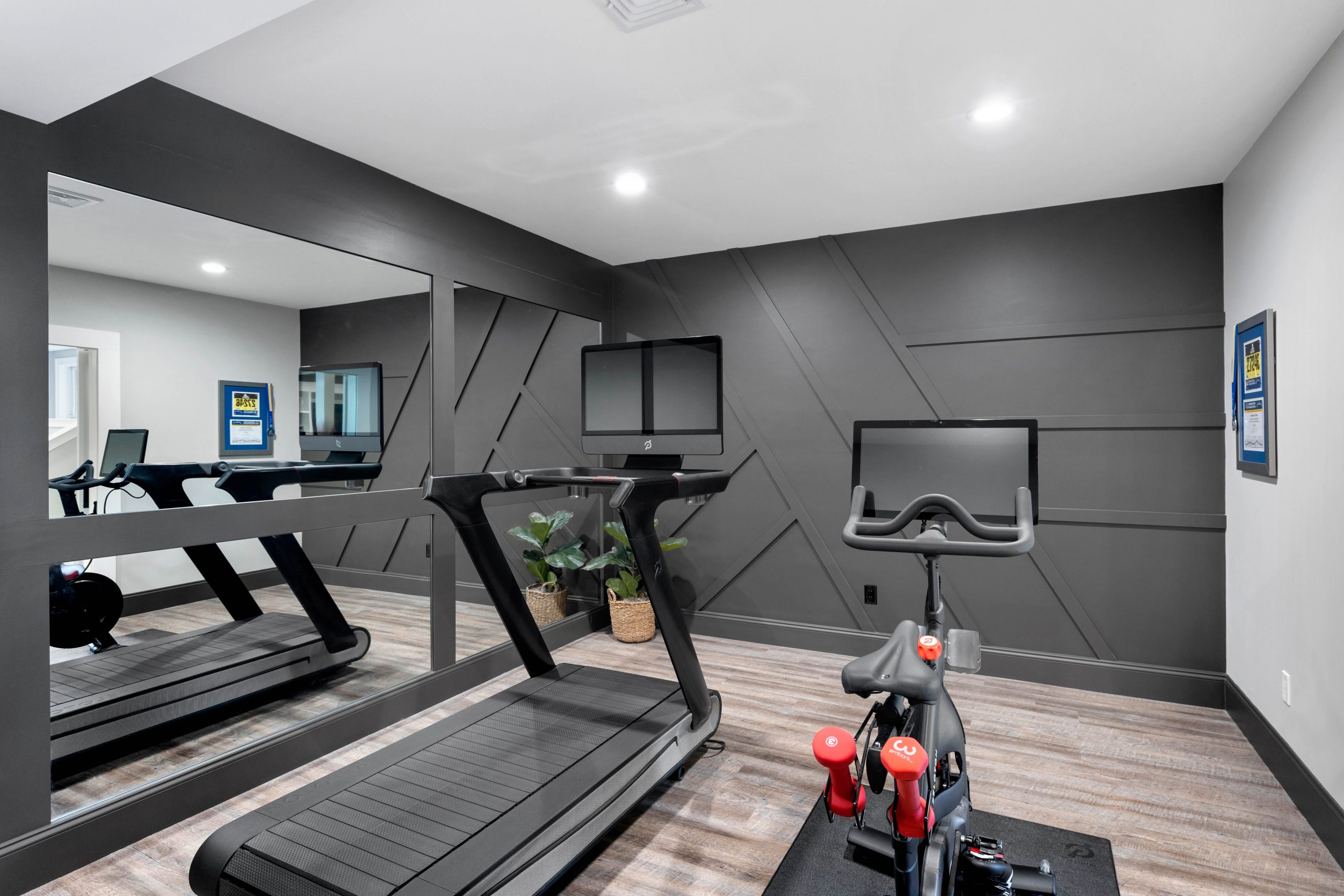
It’s tempting to cut corners everywhere, but some areas deserve your investment. Splurge on durable flooring in high-impact zones like under weights or cardio machines.
Save money by using less expensive mats or tiles in areas where you stretch or do floor exercises. Mixing materials can balance comfort and cost effectively.
- Splurge:Rubber flooring under heavy equipment for shock absorption and floor protection.
- Save:Foam tiles or carpet remnants for light workout spaces or stretching areas.
- DIY installation:Save on labor by installing interlocking tiles yourself.
Where will you focus your investment to get the best value for your home gym?
Credit: www.jmconstructionco.com
Safety And Performance Enhancements
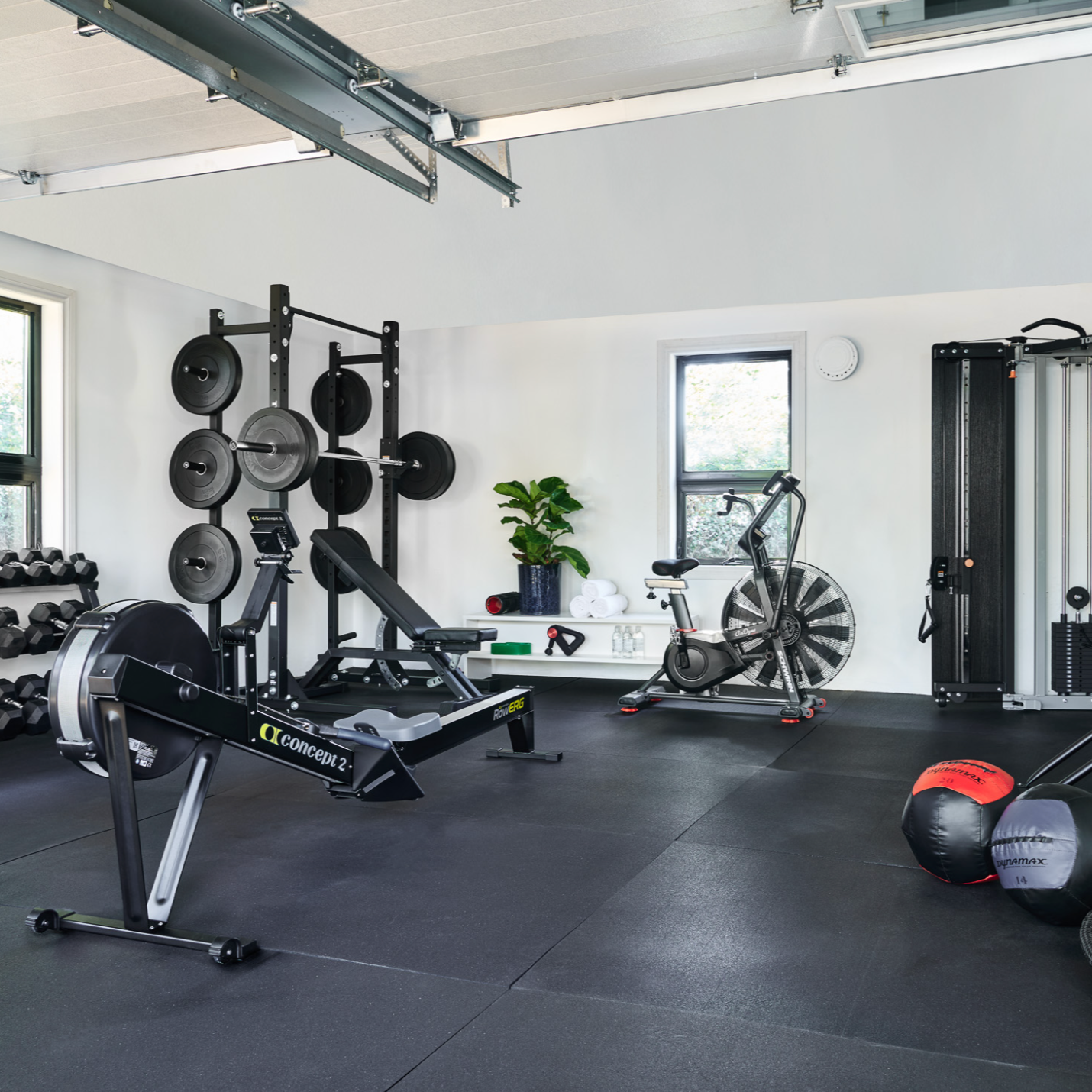
Choosing the right flooring for a home gym improves both safety and workout quality. Proper flooring protects your body and equipment. It also creates a stable surface for exercises. Safety and performance go hand in hand with the right materials. Below are key features to consider for your home gym floor.
Anti-slip Surfaces
Anti-slip flooring prevents accidents by reducing slips and falls. Materials like rubber or textured vinyl offer good grip. These surfaces keep feet firmly planted during intense workouts. This helps maintain balance and control. Anti-slip floors are essential for exercises involving quick movements or heavy weights.
Shock Absorption Benefits
Shock-absorbing floors reduce impact on joints and muscles. This lowers the risk of injuries over time. Foam and rubber mats are popular choices for cushioning. They absorb the force from jumping or running. This makes workouts more comfortable and less tiring. Good shock absorption extends the life of your flooring too.
Noise Reduction Techniques
Noise can disturb others in your home or neighbors. Thick mats and layered flooring materials help absorb sound. Cork and rubber are effective at muffling noise. Installing underlayments beneath your main floor also reduces sound transmission. Quiet flooring makes workouts more enjoyable and less distracting.
Credit: www.northernfitness.ca
Frequently Asked Questions
What Are The Best Materials For Home Gym Flooring?
The best materials include rubber, foam, and vinyl. They offer durability, cushioning, and slip resistance, protecting your floors and equipment.
How Thick Should Home Gym Flooring Be?
Ideal flooring thickness ranges from ½ inch to 1 inch. Thicker floors provide better shock absorption and protect joints during workouts.
Can I Install Home Gym Flooring Myself?
Yes, many flooring options like interlocking mats are easy to install. They require no adhesives and can be customized to fit your space.
How To Maintain Home Gym Flooring Effectively?
Clean floors regularly with mild soap and water. Avoid harsh chemicals, and ensure the floor is dry to prevent mold or damage.
Conclusion
Choosing the right flooring makes your home gym safe and comfortable. Soft mats protect your joints during exercise. Durable floors handle heavy weights without damage. Easy-to-clean surfaces keep your space fresh and neat. Think about your budget and style too.
Good flooring helps you enjoy workouts every day. Create a space that motivates and supports your fitness goals. Your gym floor matters more than you might think. Small changes bring big benefits. Start with the flooring and build from there.







