
Are you ready to push your limits and transform your body with a workout that keeps you strong, fast, and agile? A Mixed Martial Arts workout routine is exactly what you need.
It’s not just about fighting—it’s about building endurance, power, and confidence. Whether you’re a beginner or looking to spice up your fitness plan, this routine will challenge your whole body and keep you motivated. Keep reading, and discover how you can train like a pro and see real results faster than you think.
Credit: blog.ownlocal.com
Benefits Of Mma Workouts
Mixed Martial Arts (MMA) workouts offer more than just a way to learn fighting skills—they provide a comprehensive fitness experience that can transform your body and mind. These workouts challenge multiple muscle groups, sharpen your reflexes, and push your limits. Have you ever wondered how training like a fighter could change your everyday fitness and energy levels?
Full-body Conditioning
MMA workouts engage every major muscle group in your body. You won’t just work your arms or legs; your core, back, and even smaller stabilizing muscles get activated with each drill. This kind of conditioning builds a balanced physique and improves overall body coordination.
After trying MMA training myself, I noticed how my entire body felt more connected and responsive. Movements became smoother, and simple tasks like carrying groceries or climbing stairs felt easier. Could your current workout be missing this kind of total-body engagement?
Improved Strength And Endurance
MMA training combines strength exercises with high-intensity cardio, so your muscles become stronger while your stamina improves. You might do weight training, punching bags, or sprint intervals all in one session. This mix keeps your heart rate up and muscles working hard for longer periods.
One week of consistent MMA workouts helped me push through fatigue faster and lifted my overall energy throughout the day. If you want strength that lasts and endurance that supports your daily activities, MMA routines deliver that dual benefit.
Enhanced Flexibility And Agility
Flexibility and agility are key in MMA, and the workout routines reflect that need. Stretching, dynamic movements, and quick footwork drills are part of every session. These improve your range of motion and help you react faster to sudden changes.
Since starting MMA, I’ve noticed fewer muscle tightness issues and quicker recovery from exercise. Plus, my balance and reaction speed improved noticeably. What if your workout could make you not just stronger, but also quicker and more flexible?
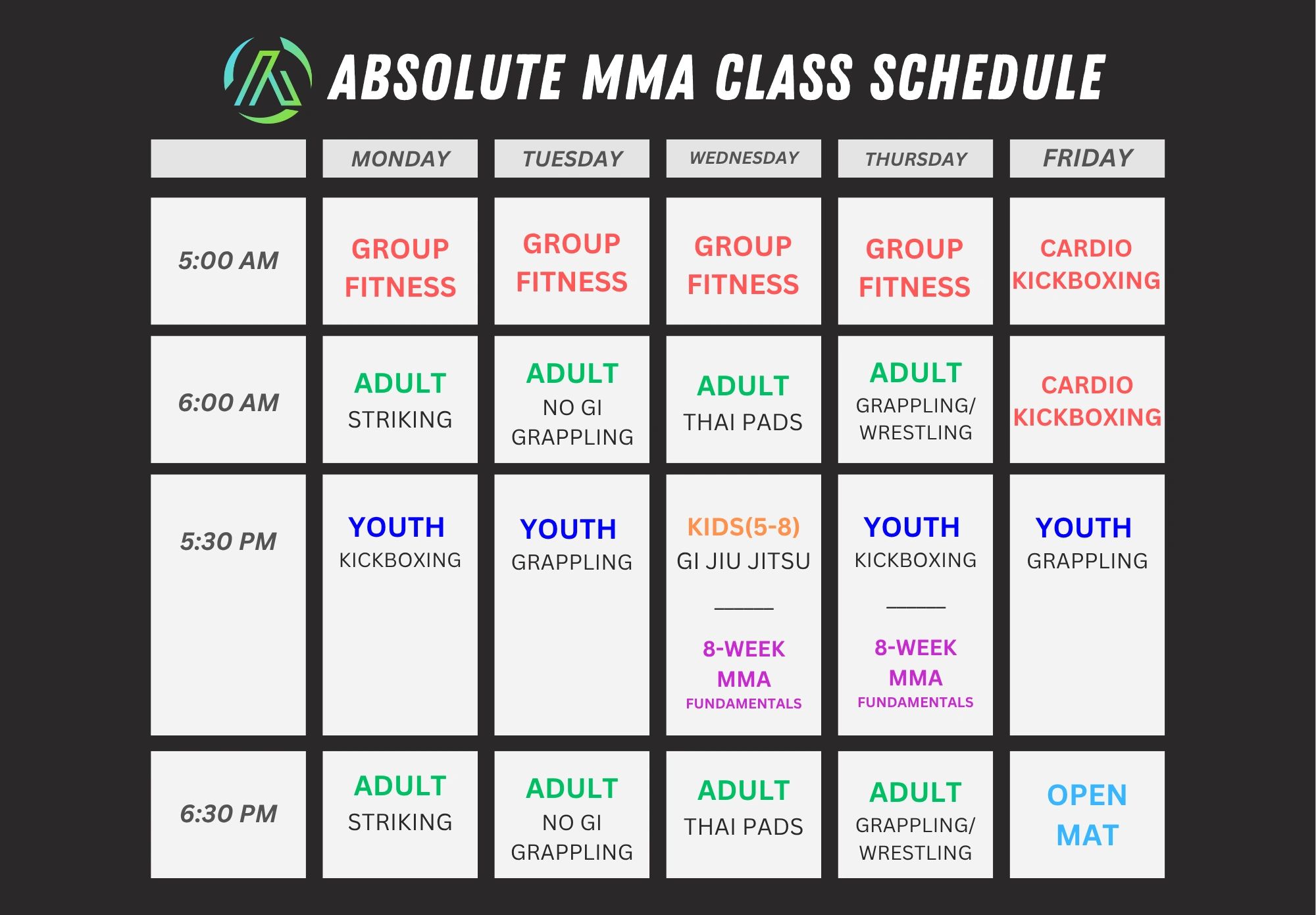
Credit: absolute-martialartsandfitness.com
Essential Mma Training Components
Building a solid MMA workout routine means focusing on key training components that shape your overall performance. These elements work together to boost your endurance, power, and technique. Understanding and balancing each area can make a noticeable difference in your progress inside the cage.
Cardio And Stamina Drills
Your ability to maintain high energy levels throughout a fight depends heavily on cardio and stamina. Running sprints, jump rope sessions, and circuit training help build explosive endurance. Have you tried mixing steady-state cardio with high-intensity interval training to see which keeps you fresher during rounds?
Shadowboxing and pad work also improve your breathing control under pressure. These drills mimic fight conditions, teaching your body to stay efficient when it’s pushed hard. Tracking your heart rate during these sessions can give you clear feedback on your stamina improvements.
Strength Training Exercises
Strength gives you the edge to control opponents and deliver powerful strikes. Focus on compound lifts like squats, deadlifts, and bench presses to build functional power. Remember, quality beats quantity—lifting heavier with good form beats endless reps with poor technique.
Bodyweight exercises such as pull-ups and push-ups develop strength without bulk, keeping you agile. Mixing in kettlebell swings and medicine ball throws trains explosive power that translates directly to your fight game. Are you balancing your strength work to avoid stiffness that could slow you down?
Skill-based Drills
Skills are the foundation of MMA—without them, strength and stamina aren’t enough. Drilling takedowns, submissions, and striking combos sharpens your muscle memory for fluid movements. Practicing with a partner also teaches timing and adaptability, crucial for real combat situations.
Break down complex techniques into smaller parts and focus on perfecting each step. This approach prevents bad habits and improves precision. How often do you review and adjust your technique during training to keep improving?
Sample Weekly Mma Workout Plan
Building a solid Mixed Martial Arts (MMA) workout routine can transform your skills and fitness levels. A well-rounded weekly plan targets different areas like striking, grappling, strength, and recovery to keep you balanced and progressing. Here’s a sample weekly MMA workout plan designed to push your limits while giving your body time to adapt and heal.
Day 1: Striking And Conditioning
Start your week focusing on striking drills such as boxing combinations, kickboxing, and Muay Thai techniques. Include shadowboxing and heavy bag work to sharpen your precision and power.
Follow up with conditioning exercises like jump rope, sprints, and plyometrics to boost your stamina and explosiveness. Try mixing rounds of 3-5 minutes with short rest periods to mimic fight pacing.
Day 2: Grappling And Strength
Dedicate this day to grappling techniques such as Brazilian Jiu-Jitsu drills, takedowns, and submission practice. Work on transitions between positions to improve your control on the ground.
Complement grappling with strength training focusing on compound movements like deadlifts, squats, and pull-ups. These exercises build the muscular foundation necessary for grappling dominance.
Day 3: Rest And Recovery
Rest is not optional; it’s where real progress happens. Use this day for light stretching, foam rolling, or gentle yoga to release muscle tension and improve circulation.
Listen to your body carefully. If you feel lingering soreness or fatigue, extend your rest or add a massage session to enhance recovery.
Day 4: Sparring And Endurance
Sparring sessions help you apply techniques under pressure. Start with controlled light sparring and gradually increase intensity as your confidence grows.
Balance sparring with endurance training like steady-state running or cycling. This combination trains your mind to stay sharp even when your body is tired.
Day 5: Flexibility And Core
Flexibility is often overlooked but crucial for injury prevention and fluid movement. Spend time on dynamic and static stretches targeting hips, shoulders, and hamstrings.
Strengthen your core with exercises such as planks, Russian twists, and leg raises. A strong core stabilizes your body and improves power transfer during strikes and grappling.
Day 6: High-intensity Interval Training
Push your limits with HIIT sessions that combine short bursts of maximum effort with brief recovery periods. This can include circuits of burpees, kettlebell swings, and sprint intervals.
HIIT enhances your anaerobic capacity, essential for explosive movements during fights. Keep sessions short but intense—20 to 30 minutes is enough to challenge your fitness.
Day 7: Active Recovery
Active recovery keeps your body moving without adding stress. Consider activities like swimming, light cycling, or a casual walk outside.
Use this day to focus on breathing exercises and mental relaxation techniques. Your mind’s readiness is just as important as your physical condition.
Nutrition Tips For Mma Athletes
Nutrition plays a key role in an MMA athlete’s training and recovery. Proper food choices fuel the body for intense workouts and help repair muscles after fights. Eating right supports strength, stamina, and focus inside the cage.
Smart nutrition helps maintain weight and improve overall performance. It balances energy levels and keeps athletes healthy throughout their training cycles.
Balanced Macronutrients
MMA athletes need a good balance of carbohydrates, proteins, and fats. Carbohydrates give quick energy for training and fights. Proteins repair and build muscles. Healthy fats support brain function and hormone production.
- Carbohydrates: whole grains, fruits, vegetables
- Proteins: lean meats, fish, eggs, legumes
- Fats: nuts, seeds, avocados, olive oil
Choosing nutrient-rich foods helps keep energy steady and muscles strong.
Hydration Strategies
Water intake is vital for MMA athletes. Staying hydrated helps maintain focus and prevents cramps. Drink water throughout the day, not just during workouts.
- Start with 16-20 ounces before training
- Drink 7-10 ounces every 10-20 minutes during exercise
- Rehydrate with fluids containing electrolytes after intense sessions
Adequate hydration improves endurance and speeds up recovery.
Meal Timing For Performance
Timing meals around training boosts energy and recovery. Eat a balanced meal 2-3 hours before workouts. Include carbs and proteins to fuel muscles.
Post-workout meals are important. Eat within 30-60 minutes after training. Focus on proteins and carbs to repair muscles and restore energy.
- Pre-workout: rice, chicken, vegetables
- Post-workout: smoothie with protein and banana
- Small snacks can keep energy up between meals
Regular meal timing keeps the body ready for intense MMA training.
Common Mistakes To Avoid
Avoiding common mistakes in your MMA workout routine protects your progress and health. These errors can slow results and increase injury risks. Awareness helps you train smarter and stay consistent.
Overtraining Risks
Training too hard without breaks drains your energy fast. It causes muscle soreness and lowers your immune defense. Overtraining leads to burnout and poor performance. Balance intense sessions with lighter workouts. Listen to your body’s signals to prevent injuries.
Neglecting Recovery
Skipping rest days stops your muscles from healing. Recovery is when your body rebuilds and grows stronger. Without enough sleep and nutrition, fatigue builds up. Stretching and hydration speed up recovery. Make rest as important as training itself.
Poor Technique Habits
Bad form limits your progress and causes injuries. Rushing through moves or ignoring basics leads to bad habits. Focus on mastering each technique slowly. Use mirrors or ask for feedback to improve. Quality beats quantity for long-term success.
Gear And Equipment Essentials
Your Mixed Martial Arts (MMA) workout will be more effective and safer with the right gear and equipment. Choosing essentials tailored to your training style helps you stay focused and motivated. Let’s look at the key gear that supports your progress and protects you during every session.
Protective Gear
Protective gear is vital to keep injuries at bay. Gloves designed for MMA provide wrist support and knuckle protection, so your hands stay safe during striking drills. Mouthguards shield your teeth and jaw—never skip this, even in light sparring.
Shin guards and headgear reduce impact during clinch work and sparring, letting you train harder without risking serious damage. Have you noticed how wearing the right gear boosts your confidence to push limits? That’s no coincidence.
Training Equipment
Training equipment forms the backbone of your MMA routine. Heavy bags improve your power and technique, while speed bags sharpen hand-eye coordination. You’ll want resistance bands to build explosive strength and agility.
Don’t overlook jump ropes; they enhance footwork and endurance efficiently. Consider adjustable dumbbells or kettlebells for strength training that complements your fight skills. What equipment do you find indispensable in your sessions?
Tracking Progress Tools
Tracking your progress turns effort into measurable results. Fitness trackers and smartwatches monitor heart rate, calories burned, and workout intensity. These insights help you adjust your routine for better gains.
Apps that log training details and video recordings let you review technique and spot mistakes. How often do you check your stats or replay your moves? This habit can be a game changer in refining your MMA skills.
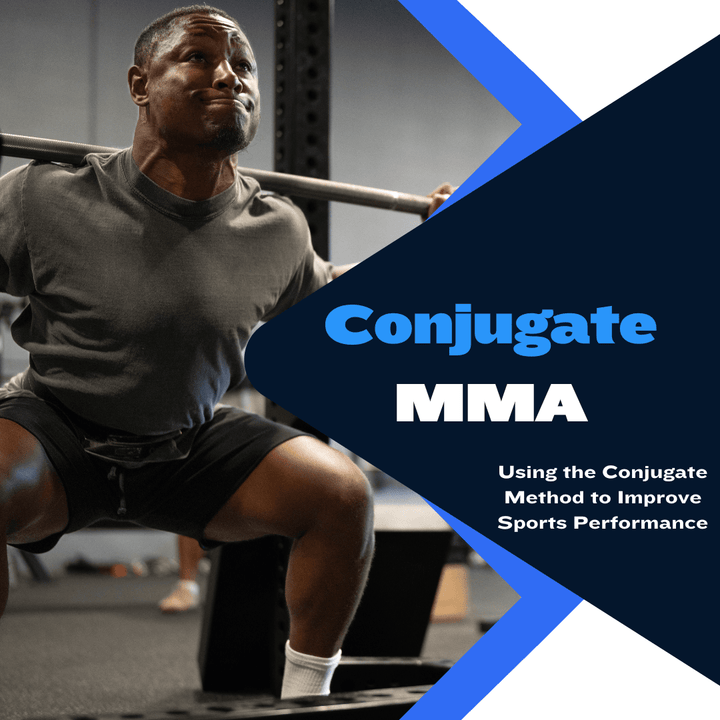
Credit: www.westside-barbell.com
Frequently Asked Questions
What Are The Benefits Of Mma Workouts?
MMA workouts enhance cardiovascular health, build strength, and improve flexibility. They offer full-body conditioning and boost mental toughness. These routines also increase agility and coordination. Regular practice can lead to weight loss and increased endurance. Overall, MMA workouts provide comprehensive fitness benefits.
How Often Should You Do Mma Workouts?
For optimal results, engage in MMA workouts three to four times weekly. This frequency balances workout intensity and recovery. Consistency is key for building strength and endurance. Ensure rest days to prevent overtraining and injuries. Listen to your body and adjust as needed.
Can Beginners Start Mma Workouts?
Yes, beginners can start MMA workouts with basic routines. Focus on foundational skills like striking and grappling. Start with low-intensity sessions and gradually increase difficulty. Consult a professional trainer for guidance. It’s important to learn proper techniques to avoid injuries.
What Equipment Is Needed For Mma Workouts?
Essential MMA workout equipment includes gloves, hand wraps, and shin guards. A punching bag and jump rope are helpful. Mats for ground exercises and comfortable workout attire are important. Beginners might also use focus mitts and a speed bag. Equipment enhances training effectiveness and safety.
Conclusion
A mixed martial arts workout builds strength, speed, and endurance. It trains your body and mind together. Regular practice improves your skills and confidence. Stay consistent and listen to your body’s limits. Rest and recovery are just as important. This routine fits all fitness levels and goals.
Start small, grow stronger day by day. Enjoy the challenge and the progress you make. Keep moving forward with focus and patience. Your hard work will show in time.







