
Thinking about building a home gym but unsure how much it will cost? You’re not alone.
Many people want the convenience of working out at home but worry about the price. The truth is, a home gym can fit your budget—whether you want something simple or a full setup. You’ll discover the real costs behind creating your own workout space.
By the end, you’ll know exactly what to expect and how to plan your perfect home gym without breaking the bank. Keep reading to find out how to turn your fitness goals into reality right at home.
Factors Affecting Home Gym Costs
Understanding the factors that affect home gym costs can help you plan your budget more effectively. Your choices will shape not only the initial investment but also ongoing expenses. Let’s break down the main elements that influence how much you’ll spend on building and maintaining your home gym.
Equipment Types And Prices
The kind of equipment you choose is the biggest factor in your gym’s cost. Basic items like dumbbells and resistance bands are budget-friendly, often under $100. On the other hand, machines like treadmills, ellipticals, or rowing machines can range from $500 to several thousand dollars.
Think about your workout preferences. Do you want cardio machines, weightlifting gear, or a mix? This decision directly impacts your total spend.
Space And Setup Expenses
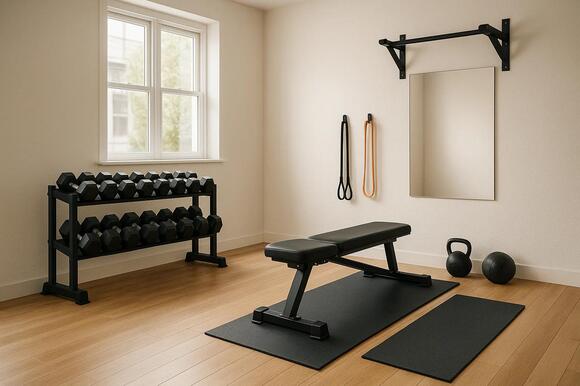
The size and condition of your gym space also affect the price. Converting a spare room will likely cost less than building a new structure or renovating a basement. You might need to consider flooring, mirrors, lighting, and ventilation.
For example, installing rubber flooring for safety and noise reduction can add a few hundred dollars. Do you have a suitable area already, or will you need to invest in making the space gym-ready?
Additional Accessories
Beyond major equipment, accessories can add up quickly. Items like yoga mats, kettlebells, jump ropes, foam rollers, and storage racks improve your workout experience but come with extra costs. These usually range from $10 to $200 each.
Adding small gadgets might seem minor, but they enhance variety and convenience. Are you willing to invest in these extras to keep your workouts fresh and motivating?
Maintenance And Upkeep
Keeping your equipment in good shape is an ongoing expense that many overlook. Machines require regular cleaning, occasional repairs, and sometimes replacement parts. For example, treadmill belts may need replacing every few years, costing $200 or more.
Plan for maintenance costs to avoid surprises. How will you balance upfront savings against the need for durable, low-maintenance gear?

Credit: www.ritfitsports.com
Budget-friendly Home Gym Options
Building a home gym can fit many budgets, with costs ranging from simple equipment to full setups. Basic gear like dumbbells and mats offers a low-cost way to start exercising at home. Choosing affordable options helps save money without missing out on effective workouts.
Creating a home gym doesn’t have to break the bank. With some smart choices and a bit of creativity, you can set up an effective workout space right at home without spending a fortune. Let’s dive into some budget-friendly options that can help you get started.Essential Equipment For Beginners
Starting small is key. You don’t need a full suite of equipment to get going. Focus on versatile items like resistance bands, a stability ball, and a set of dumbbells. These are perfect for strength training and can be adjusted as your fitness level increases. A yoga mat is another great addition. It provides cushioning for floor exercises and yoga practices. If cardio is your thing, consider a jump rope; it’s affordable and excellent for getting your heart rate up.Diy And Secondhand Gear
Consider DIY options for certain equipment. For instance, you can fill a sturdy backpack with books or water bottles to use as weights. This approach saves money and repurposes items you already own. Secondhand gear is also a goldmine. Check online marketplaces or local garage sales for gently used equipment. You might find treadmills, stationary bikes, or kettlebells at a fraction of the cost. Always inspect items for quality and safety before purchasing.Space-saving Solutions
Space constraints shouldn’t deter your fitness goals. Look for foldable or compact equipment. Items like collapsible benches or wall-mounted racks can maximize your space. Consider multifunctional gear that serves multiple purposes. An adjustable weight bench can double as a step platform for aerobics. Keep equipment organized with storage solutions like hooks or small shelves. Have you ever thought about how much unused space you have under your bed or in a closet? These areas are perfect for stowing away equipment when not in use. By being resourceful, you can create a gym that fits your budget and space constraints.Mid-range Home Gym Investments
Mid-range home gym investments offer a solid balance between affordability and quality. You can build a versatile workout space without breaking the bank. This level suits those who want reliable gear that lasts and supports a wide range of exercises.
Popular Equipment Upgrades
At this budget, upgrading your equipment can make a big difference in your workout experience. Consider adding adjustable dumbbells, which save space and allow weight variation without buying multiple sets. A sturdy bench with multiple incline positions also enhances your exercise options.
Resistance bands and kettlebells are affordable upgrades that add variety and challenge. These tools target different muscle groups and improve functional strength. Have you tried mixing weights with bands for a more dynamic routine?
Multi-functional Machines
Multi-functional machines are a smart choice for mid-range budgets. They combine several workout stations into one compact unit, saving room and money. A home gym station with a lat pulldown, leg press, and cable system covers most major muscle groups effectively.
These machines often come with adjustable settings to fit your strength level. Investing in one can help you stay consistent by making workouts convenient. Think about how much time you spend switching between equipment—this reduces that hassle.
Smart Fitness Technology
Adding smart technology to your home gym can elevate your training. Devices like fitness trackers, smart mirrors, or app-connected machines provide real-time feedback and personalized coaching. This keeps workouts engaging and helps you track progress more accurately.
Some smart treadmills and bikes offer virtual classes that make exercising feel less like a chore. Are you motivated more by data or by interactive training? Choosing the right tech can keep you motivated and accountable.
Credit: www.newsbreak.com
Premium Home Gym Setups
Premium home gym setups offer a top-level fitness experience at home. They combine quality, style, and technology to create a complete workout space. These setups suit serious fitness lovers who want the best tools and environment.
High-end Equipment Brands
Premium gyms use trusted brands known for durability and design. Brands like Peloton, Bowflex, and NordicTrack are popular choices. Their machines offer smooth performance and long-lasting build. This equipment often comes with warranties and customer support. Expect to pay more, but the quality matches the price.
Custom Gym Design
Custom gyms adapt to your space and workout needs. Professionals help plan layout, lighting, and storage. Designs focus on comfort and safety while maximizing space. Flooring and mirrors often match the style and function. This personalized approach ensures a motivating and efficient gym.
Advanced Tech Features
Technology adds value and fun to premium gyms. Features include touchscreens, virtual trainers, and app integration. Some equipment tracks progress and adjusts workouts automatically. Wireless speakers and smart lighting create an immersive workout. These tools keep users engaged and motivated longer.
Cost Comparison By Gym Type
Understanding the costs of different home gym setups helps plan your budget. Each gym type has unique expenses. Choose wisely based on your workout needs and space.
Some equipment demands higher investment but lasts longer. Others are affordable but cover fewer exercises. This section breaks down costs by gym type.
Cardio Equipment Expenses
Cardio machines vary in price depending on type and features. Basic jump ropes cost under $20. Entry-level treadmills start around $500.
Mid-range stationary bikes range from $300 to $1,000. Ellipticals can cost between $600 and $2,000. High-end models with digital screens and programs increase prices.
- Jump rope: $10–$20
- Treadmill: $500–$2,000+
- Stationary bike: $300–$1,000
- Elliptical: $600–$2,000+
Strength Training Equipment Costs
Strength gear prices depend on type and quality. Dumbbells are affordable and flexible. Sets range from $50 to $300 for adjustable types.
Weight benches and racks add to costs, usually $150 to $700. Machines and cable systems can cost $1,000 or more. Barbell sets vary from $200 to $1,000.
- Dumbbells: $50–$300
- Weight bench: $150–$400
- Power rack: $300–$700
- Barbell set: $200–$1,000
- Strength machines: $1,000+
Flexibility And Recovery Gear
Flexibility tools cost less but support overall fitness. Yoga mats range from $20 to $60. Foam rollers typically cost $15 to $50.
Massage guns and recovery tools vary widely, from $50 to $400. Resistance bands are budget-friendly, costing $10 to $40 for sets.
- Yoga mat: $20–$60
- Foam roller: $15–$50
- Massage gun: $50–$400
- Resistance bands: $10–$40

Credit: www.melaniejadedesign.com
Tips To Save On Home Gym Costs
Building a home gym doesn’t have to drain your wallet. There are smart ways to cut costs without sacrificing quality or functionality. You can create an effective workout space by making thoughtful choices and hunting for deals.
Buying Used Equipment
Secondhand gym gear often looks and works like new but costs a fraction of retail prices. Check local marketplaces, garage sales, or online platforms like Facebook Marketplace and Craigslist. You might find brands and models that are otherwise out of your budget.
When you buy used, inspect the equipment carefully. Look for wear on moving parts, rust, or missing pieces. Asking the seller about the item’s history can save you from unexpected repairs later.
Seasonal Sales And Discounts
Timing your purchases around major sales can save you a lot. Retailers often have discounts during New Year’s, Black Friday, or end-of-season clearances. Signing up for newsletters from fitness stores can alert you to exclusive deals.
Don’t overlook coupon codes and cashback offers. Even small savings add up when you’re buying multiple pieces. Have you checked if your credit card offers additional rewards on sports equipment?
Prioritizing Essential Gear
Start with the basics that fit your workout style and space. Instead of buying a full set, focus on versatile items like dumbbells, resistance bands, and a quality mat. These can support a wide range of exercises without cluttering your area.
Ask yourself which equipment will get the most use. It’s better to invest in a few reliable pieces than many rarely-used gadgets. What’s the one item that would motivate you to stick with your fitness routine?
Frequently Asked Questions
How Much Does A Basic Home Gym Cost?
A basic home gym typically costs between $200 and $1,000. This includes essential equipment like dumbbells, resistance bands, and a yoga mat. Prices vary based on brand and quality, but budget options are available for beginners wanting to start workouts at home.
What Is The Average Price For A Complete Home Gym?
A complete home gym usually ranges from $1,000 to $5,000. This setup often includes machines like treadmills, weight benches, and multi-functional stations. The price depends on features, brand reputation, and equipment durability.
Are Home Gyms Cheaper Than Gym Memberships?
Home gyms can save money over time compared to monthly gym fees. Initial costs may be high, but no recurring payments are needed. Long-term savings depend on workout frequency and equipment choices.
How Much Does Professional Home Gym Installation Cost?
Professional installation for a home gym generally costs between $100 and $500. This fee covers equipment assembly, space optimization, and safety checks. Prices vary based on gym size and complexity.
Conclusion
Building a home gym costs vary by equipment and space. Basic setups can be affordable for many budgets. More advanced gear raises the price but offers variety. Think about your fitness goals before buying anything. Start small, then add equipment as needed.
A home gym saves time and gym fees. It also helps keep your workout routine consistent. Choosing the right gear makes your space useful and fun. Remember, investing in fitness is investing in health.







