
Are you ready to get the most out of your gym sessions? Using the right gym equipment can transform your workouts and help you reach your fitness goals faster.
Whether you want to build strength, burn fat, or improve your endurance, knowing how to use the machines and tools around you is key. You’ll discover simple yet effective workouts tailored to popular gym equipment. Stick with me, and you’ll learn how to make every minute in the gym count—no guesswork, just results.
Let’s dive in and unlock your full potential!
Choosing The Right Gym Equipment
Choosing the right gym equipment shapes your workout success. It influences how well you train and the results you get. Picking gear that matches your goals, skill level, and body type makes exercise safe and effective. Understanding different tools helps you build a balanced routine. Consider what you want to achieve and your current fitness level before buying or using equipment.
Free Weights Vs Machines
Free weights include dumbbells, barbells, and kettlebells. They help improve balance and coordination. Free weights work many muscles at once. Machines guide your movement and reduce injury risk. They isolate specific muscles and suit beginners. Both types have benefits. Use free weights for more challenge and machines for control.
Essential Equipment For Beginners
Start simple with basic gear. Dumbbells are versatile and easy to use. Resistance bands add variety and help with stretching. A stability ball improves core strength and balance. A yoga mat makes floor exercises comfortable. These tools build a foundation without overwhelming you. Perfect for learning proper form and building confidence.
Advanced Tools For Muscle Growth
Experienced lifters need advanced equipment. Barbells allow heavy lifting for strength gains. Weight plates add resistance to exercises. Cable machines provide constant tension for muscle growth. Adjustable benches support different workout angles. Use these tools to target muscles more effectively and vary workouts. They help break plateaus and increase muscle size.

Credit: www.yanrefitness.com
Effective Workouts With Free Weights
Free weights are essential for effective workouts. They engage multiple muscle groups and enhance functional fitness. Free weights include barbells, dumbbells, and kettlebells. Each offers unique benefits for strength, balance, and power. Incorporating these into your routine boosts overall fitness levels.
Barbell Exercises For Strength
Barbells are perfect for building strength. They allow for heavy lifting and progressive overload. Start with basic exercises like squats and deadlifts. These compound movements target major muscle groups. Bench presses are excellent for chest and triceps. Overhead presses work the shoulders and upper body. Consistent practice improves muscle endurance and strength.
Dumbbell Routines For Muscle Balance
Dumbbells are versatile and great for muscle balance. They allow independent movement of each side. This helps fix muscle imbalances. Use them for lunges and bicep curls. These exercises target specific muscles. Dumbbell flys enhance chest muscles. Bent-over rows work the back and core. Adjust weights to suit your fitness level.
Kettlebell Moves To Boost Power
Kettlebells enhance power and agility. They are effective for dynamic movements. Kettlebell swings improve cardiovascular fitness. They also strengthen the hips and lower back. Goblet squats target the legs and core. Kettlebell snatches engage the shoulders and upper body. Consistent practice increases explosive power.
Machine-based Workouts
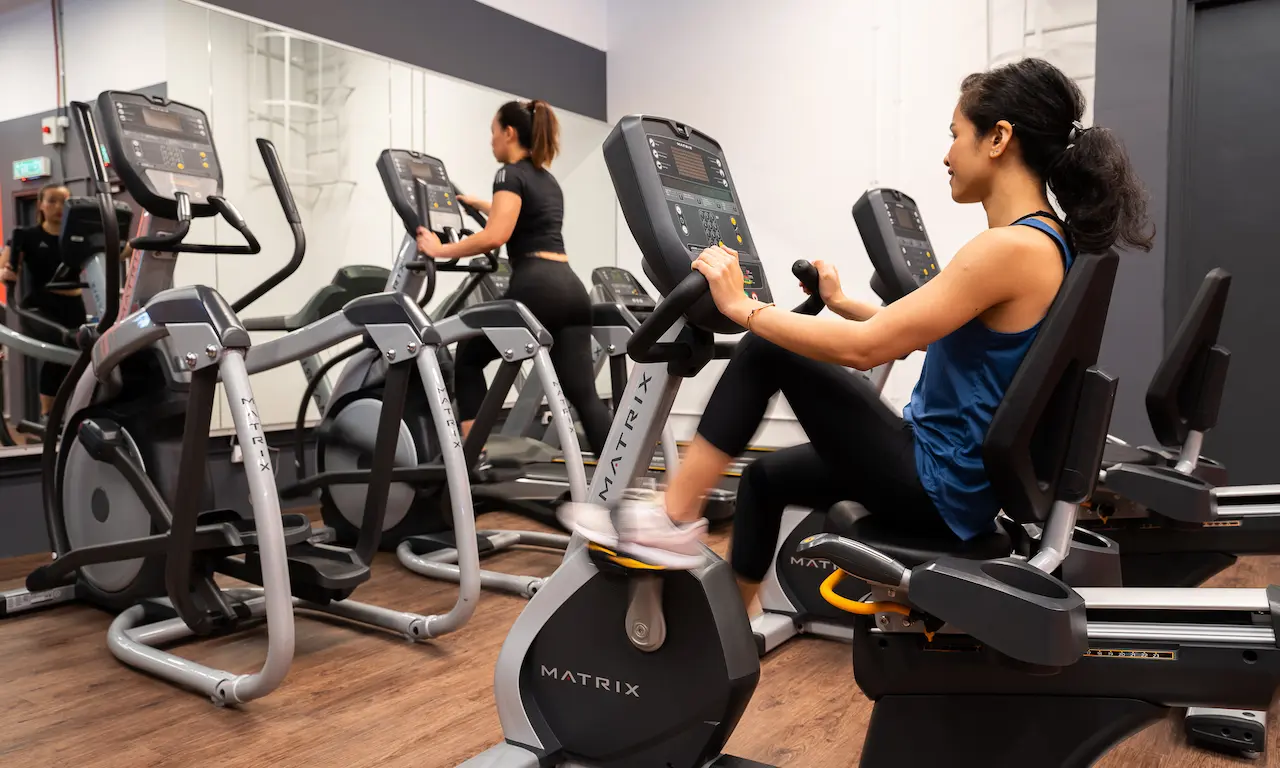
Machine-based workouts offer a structured and controlled way to build strength and improve fitness. These machines guide your movements, helping you focus on specific muscles without worrying about balance or coordination. If you’ve ever felt unsure about free weights, machines can be a great starting point to build confidence and strength.
Targeting Muscle Groups Safely
Machines isolate muscle groups, letting you work on one area at a time without risking injury from poor form. For example, a leg press targets your quadriceps and glutes directly, reducing strain on your lower back compared to free squats.
Because machines control the motion path, you can avoid unnecessary joint stress. This makes them especially useful if you’re recovering from an injury or new to weight training.
Adjusting Machines For Optimal Results
Each machine has settings for seat height, weight, and range of motion. Adjusting these correctly is key to effective workouts. A seat too low or high can change the muscle engagement and even cause discomfort.
Take the time to tweak the machine to fit your body. If you’re unsure, ask a trainer or use the instruction diagrams usually found on the equipment. Small adjustments can make a big difference in your results and safety.
Combining Machines And Free Weights
Using machines alone can limit functional strength, which is why mixing in free weights is beneficial. After warming up on machines, try adding dumbbells or barbells to challenge your stabilizing muscles.
This combo offers the best of both worlds: the safety and focus of machines with the balance and coordination benefits of free weights. How could you mix these two in your next workout for a fuller body challenge?
Credit: www.gofit-gym.com
Bodyweight Exercises To Complement Equipment
Adding bodyweight exercises to your gym routine can boost your overall strength and flexibility. These moves work well alongside machines and weights, helping you build muscle endurance and improve balance. You don’t always need equipment to challenge your body effectively.
Calisthenics For Muscle Endurance
Calisthenics exercises like squats, lunges, and push-ups build muscle endurance without any gear. You can do them anywhere, making it easy to stay consistent. Try doing higher repetitions or holding positions longer to push your muscles further.
Have you ever noticed how your muscles burn differently when you use just your body weight? That burn means you’re training endurance, which helps in long workouts and daily activities. Adding calisthenics between equipment sets keeps your heart rate up and muscles engaged.
Pull-ups And Dips Variations
Pull-ups and dips are classic bodyweight exercises that target upper body muscles intensely. Varying your grip or adding pauses at the top can increase difficulty without extra weights. If you find pull-ups tough, start with assisted versions using resistance bands or a low bar.
These moves complement gym equipment by improving your pulling and pushing strength naturally. You’ll find machines easier to handle when your muscles have that solid foundation. Have you tried slow negatives or explosive reps with pull-ups? They can change the game.
Core Strengthening Moves
A strong core supports every workout, especially when you use heavy equipment. Planks, leg raises, and bicycle crunches target all parts of your core, improving stability and posture. You can do these exercises anywhere, even during short breaks at the gym.
Try holding a plank for 30 seconds and gradually increase the time. Feel how your body tightens up—that’s your core getting stronger. What’s your favorite core move to add after lifting weights? Mixing up exercises keeps your routine fresh and effective.
Designing A Muscle-gain Workout Plan
Designing a muscle-gain workout plan requires careful thought and clear focus. It helps you build strength and size efficiently. The right plan balances exercises, rest, and progression. This section breaks down key elements to create an effective routine using gym equipment.
Setting Realistic Goals
Start with clear and achievable targets. Define what muscle gain means for you. Set a timeline that fits your lifestyle. Small, steady progress is better than quick but unsustainable gains. Track your improvements weekly or monthly. Adjust goals based on your results and how your body feels.
Balancing Volume And Intensity
Volume means total sets and reps. Intensity means how hard you push in each set. Both are vital for muscle growth. Use moderate to heavy weights that challenge muscles without risking injury. Aim for 3 to 5 sets of 6 to 12 reps per exercise. Change exercises and weights regularly to avoid plateaus.
Rest And Recovery Strategies
Muscles grow during rest, not just workouts. Plan rest days between intense sessions. Sleep at least 7 to 8 hours for best recovery. Use light activities like stretching on off days. Nutrition supports recovery, so eat enough protein and calories. Listen to your body and avoid overtraining.
Nutrition Tips For Muscle Growth
Proper nutrition plays a key role in building muscle. Eating the right foods helps repair and grow muscles after workouts. It also boosts energy and improves performance at the gym. Focus on balanced meals and smart timing to get the best results. Here are some important nutrition tips to support muscle growth effectively.
Macronutrients Breakdown
Muscle growth needs a good balance of macronutrients: protein, carbohydrates, and fats.
- Protein:Builds and repairs muscle tissue. Aim for 1.2 to 2 grams per kilogram of body weight daily.
- Carbohydrates:Provide energy for workouts and recovery. Choose complex carbs like whole grains and vegetables.
- Fats:Support hormone production and overall health. Include healthy fats from nuts, seeds, and fish.
Pre And Post-workout Meals
Eating around your workout boosts muscle gain and recovery.
- Pre-workout:Eat a meal with carbs and protein about 1-2 hours before exercise. This fuels your muscles.
- Post-workout:Consume protein and carbs within 30-60 minutes after training. This helps repair muscles and restore energy.
Supplements To Consider
Supplements can support muscle growth, but they are not a must.
- Whey protein:A quick, easy source of protein after workouts.
- Creatine:Helps increase strength and muscle size.
- BCAAs:May reduce muscle soreness and support recovery.
Tracking Progress And Staying Motivated
Tracking progress and staying motivated are key to success with gym equipment workouts. They help maintain focus and show how far you have come. Without tracking, it is easy to lose direction. Motivation keeps you coming back even on tough days. Together, they form the foundation of consistent improvement.
Recording Workouts Effectively
Keep a simple workout journal or use an app. Note down the exercises, weights, sets, and reps. Track rest times and how you feel during workouts. This data shows patterns and improvements over time.
- Write the date and workout details
- Record weights lifted and repetitions
- Note any changes in difficulty
- Track energy levels or mood
Review your records weekly to adjust your workout plan. Small changes can lead to better results.
Overcoming Plateaus
Plateaus happen when progress stalls. Your body adapts to the workout routine. Change the exercises or increase the intensity to break through.
- Try different gym equipment or move muscles differently
- Increase weights or add more sets gradually
- Change workout order or reduce rest times
- Focus on proper form and controlled movements
Patience and persistence help overcome these tough phases.
Motivation Techniques For Consistency
Set clear, simple goals. Celebrate small wins to stay encouraged. Mix workouts to keep them interesting.
- Use positive self-talk and visualize success
- Find a workout partner or join a group
- Create a routine and stick to it
- Reward yourself for reaching milestones
Consistency builds habits. Motivation fuels the journey. Both keep you moving forward.

Credit: www.tousains.com
Frequently Asked Questions
What Are The Best Gym Equipment Workouts For Beginners?
Begin with machines like treadmills, stationary bikes, and cable machines. These help build strength safely. Focus on proper form and low weights to avoid injury.
How Can Gym Equipment Improve Workout Effectiveness?
Gym equipment targets specific muscle groups efficiently. It provides resistance and support for controlled movements. This enhances strength, endurance, and overall fitness faster than bodyweight exercises alone.
Which Gym Equipment Is Best For Full-body Workouts?
Rowing machines, kettlebells, and cable machines offer full-body engagement. They activate multiple muscle groups simultaneously. These tools boost calorie burn and improve cardiovascular health effectively.
How Often Should I Use Gym Equipment For Results?
Aim for 3-5 sessions weekly using varied equipment. Consistency with proper rest ensures muscle recovery and growth. Adjust intensity and duration based on fitness goals.
Conclusion
Gym equipment workouts help build strength and improve fitness. Using different machines targets various muscles effectively. Regular exercise boosts energy and supports a healthy lifestyle. Choose equipment that fits your goals and comfort level. Start slow, focus on form, and increase intensity gradually.
Consistency is key for lasting results and better health. Keep your workouts varied to stay motivated and avoid boredom. Enjoy the process and celebrate small progress every day. Gym tools make workouts easier and more fun for everyone.







