
Are you ready to transform your body and boost your fitness like never before? The P90X routine workout is designed to push your limits and deliver real results in just 90 days.
Whether you want to build muscle, burn fat, or increase your energy, this program has something for you. You’ll discover how the P90X workout can fit into your life and help you reach your goals faster than you thought possible.
Keep reading to find out what makes this routine so effective—and how you can get started right now.
P90x Workout Basics
P90X is a popular home workout program known for its intensity and variety. It helps build strength, endurance, and flexibility. Understanding the basics of P90X is key to getting the best results. This section explains the core principles, necessary equipment, and workout schedule.
Core Principles
P90X follows three main ideas. First, muscle confusion prevents workout plateaus. The program changes exercises every few days. Second, it mixes strength, cardio, and flexibility training. This balance improves overall fitness. Third, consistency is important. Sticking to the routine leads to steady progress.
Equipment Needed
P90X requires only a few basic items. A set of dumbbells or resistance bands is essential for strength exercises. A pull-up bar helps with upper body workouts. A yoga mat provides comfort during floor exercises. These simple tools make the program accessible for most people.
Workout Schedule
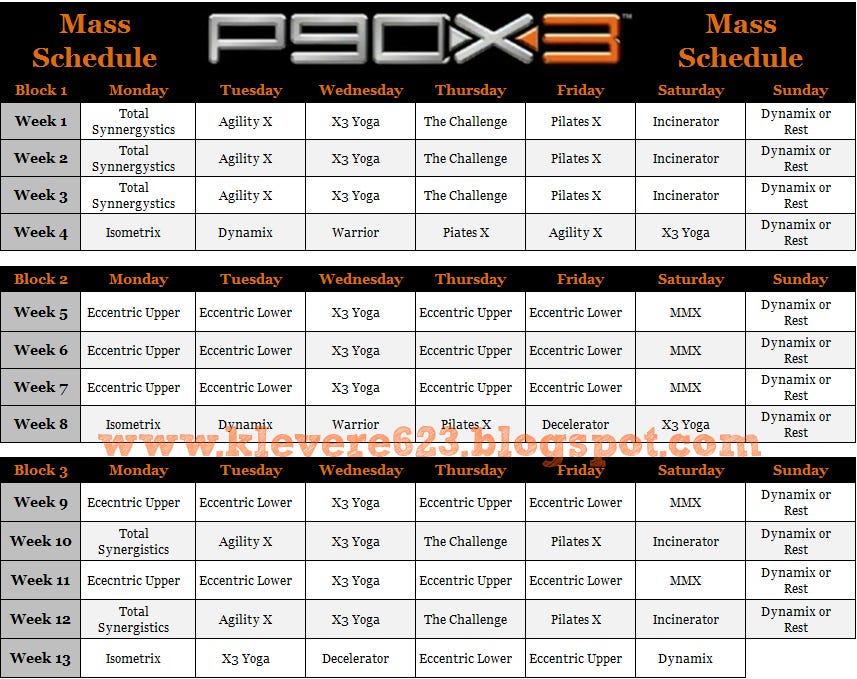
The P90X plan lasts 90 days. It includes six days of exercise per week and one rest day. Each workout lasts about 60 to 90 minutes. The routine rotates through different muscle groups and workout types. This ensures a full-body workout and proper recovery time.
Strength Training Sessions
Strength training sessions in the P90X routine push your muscles to new limits, helping you build solid muscle and burn fat efficiently. These workouts are designed to target specific muscle groups, allowing you to focus on developing strength and endurance. You’ll notice how the variety and intensity keep your body challenged and prevent plateaus.
Chest And Back
This session hits two major muscle groups that support your upper body strength and posture. Expect exercises like push-ups, pull-ups, and chest flies that sculpt your chest while strengthening your back muscles.
Balancing chest and back work reduces the risk of injury and improves your overall muscle symmetry. Have you ever felt stronger just by correcting your posture? That’s the benefit of this session.
Shoulders And Arms
Here, you focus on building definition and power in your shoulders, biceps, and triceps. Movements like shoulder presses, bicep curls, and tricep extensions help you add muscle tone and improve arm strength for everyday tasks.
Many people overlook their shoulders, but strong shoulders improve your lifting ability and reduce strain on your neck and back. How often do you pay attention to this muscle group in your workouts?
Legs And Back
This session targets your largest muscle groups, including quads, hamstrings, glutes, and back muscles. Squats, lunges, and deadlifts build lower body power while also engaging your core and back for stability.
Strong legs support better balance and endurance for all types of activities. Next time you climb stairs or carry heavy bags, notice the difference in your strength after consistent training.
Cardio And Plyometrics
The Cardio and Plyometrics routine in P90X targets fat loss and agility. It combines fast movements with powerful jumps. This workout boosts your heart rate and burns calories quickly. It also improves coordination and balance. The routine is intense but short, making it great for busy schedules.
Plyometric Workout
Plyometrics involve explosive exercises like jumps and hops. These movements train your muscles to react fast. You will do exercises such as squat jumps, lunge jumps, and push-up claps. These help build strength and speed. The workout challenges your body to move quickly and powerfully.
Kenpo X
Kenpo X mixes martial arts and cardio moves. It uses punches, kicks, and blocks in fast sequences. This part improves your rhythm and endurance. The moves are simple but done quickly to raise your heart rate. It helps with coordination and boosts your energy.
Cardio Recovery
Cardio Recovery lowers your heart rate after intense exercise. It includes slower moves that stretch muscles and relax the body. This phase helps prevent soreness and injury. It also improves your flexibility and breathing. Taking time for recovery is key for steady progress.

Credit: www.ebay.com
Core And Flexibility Workouts
The core and flexibility workouts in the P90X routine build strength and improve movement. These exercises focus on the muscles around your stomach and back. They also increase your body’s ability to stretch and stay flexible.
Strong core muscles protect your spine and improve balance. Flexibility workouts help prevent injuries and reduce muscle tightness. Together, they support overall fitness and make other workouts easier.
Ab Ripper X
Ab Ripper X targets the abdominal muscles with short, intense exercises. It includes moves like crunches, leg raises, and planks. This workout shapes the stomach and builds endurance. Each session lasts about 15 minutes but feels very effective.
Yoga X
Yoga X combines strength, balance, and flexibility through yoga poses. It helps relax muscles and improves breathing. This workout increases body control and reduces stress. The gentle flow makes it good for all fitness levels.
Stretch X
Stretch X focuses on lengthening muscles and releasing tension. It uses slow, deep stretches for the whole body. This routine helps recovery after hard workouts. Stretch X improves joint mobility and prevents stiffness.
Nutrition Tips For P90x
Nutrition plays a crucial role in maximizing the results of your P90X routine. What you eat fuels your workouts and speeds up recovery, helping you push harder and improve faster. Paying attention to your diet can make the difference between good progress and outstanding transformation.
Meal Planning
Plan your meals around lean proteins, complex carbs, and healthy fats to keep your energy steady throughout the day. Try to eat smaller, balanced meals every 3-4 hours to avoid energy crashes during workouts.
Include foods like chicken, fish, quinoa, brown rice, and plenty of vegetables. Preparing meals ahead of time can help you avoid grabbing unhealthy snacks when hunger strikes.
Supplement Recommendations
While whole foods are best, certain supplements can support your P90X progress. A good whey protein powder helps with muscle repair after intense sessions.
Creatine can boost strength and endurance, but check with your doctor before starting. Don’t overlook a daily multivitamin to fill any nutritional gaps.
Hydration Strategies
Hydration is often underestimated but essential for performance and recovery. Aim to drink at least half your body weight in ounces of water each day, more on workout days.
Try sipping water before, during, and after your sessions. If you sweat a lot, adding an electrolyte drink can help maintain your body’s balance.
Credit: radio.egerton.ac.ke
Tracking Progress
Tracking your progress during the P90X routine workout is essential to see how far you’ve come and where to go next. It keeps your efforts focused and helps you avoid hitting a plateau. Without proper tracking, it’s easy to lose sight of your goals or miss signs that your routine needs tweaking.
Measuring Results
Start by recording basic stats like weight, body measurements, and body fat percentage. Take photos every few weeks to visually compare changes—sometimes the scale won’t tell the full story. Tracking your performance improvements, such as increased reps, longer plank holds, or faster recovery times, also shows clear progress.
Use a journal or an app to log daily workouts and note how challenging each session feels. This helps you spot patterns, like which exercises get easier or harder over time. Have you noticed if your strength or endurance is growing steadily? If not, it might be time to reassess your approach.
Adjusting The Routine
Tracking results isn’t just about celebrating gains; it’s about making smart changes. If you find certain exercises becoming too easy, add more reps, increase weights, or shorten rest periods. On the flip side, if you’re consistently exhausted or sore, scaling back can prevent burnout and injury.
Listen to your body. If progress stalls for more than two weeks, consider swapping out exercises or changing workout order to challenge different muscle groups. Small adjustments keep your routine fresh and effective. Have you tried varying your workout pace or intensity based on your tracked data?
Staying Motivated
Seeing progress on paper or in photos can be a powerful motivator. It reminds you that every drop of sweat counts. Set mini-goals tied to your tracked data, such as increasing push-ups by five or shaving a minute off your cardio routine.
Celebrate milestones, no matter how small, to keep your drive alive. Share your progress with a friend or online community for extra encouragement. When motivation dips, reviewing your tracked journey can reignite your commitment. How will you use your progress data to push yourself further?
Common Challenges
Starting the P90X routine workout is exciting, but like any intense fitness plan, it comes with its own set of challenges. These hurdles can slow your progress or even discourage you from continuing. Understanding common obstacles helps you prepare and push through with confidence.
Overcoming Plateaus
Hitting a plateau means your progress stalls even though you stick to the routine. It’s frustrating when your body seems to stop responding to the workouts. To break through, try changing up your exercises or increasing intensity gradually.
Adding small variations like switching from regular push-ups to diamond push-ups can shock your muscles. Also, track your reps and weights to spot where you can push harder. Have you noticed certain moves feel easier than before? That’s your cue to challenge yourself more.
Preventing Injuries
Injuries can derail your P90X journey fast. It’s easy to push too hard, especially when motivation is high. Focus on proper form over speed or heavy weights to keep your joints safe.
Warming up before each session and stretching after will reduce muscle tightness. If a particular move causes pain, don’t ignore it—modify or skip it until you build strength. Listening to your body can save you weeks of downtime.
Time Management
Finding time for P90X workouts amid a busy schedule can be tough. Each session lasts about an hour, which feels long when your day is packed. Try breaking the workout into shorter segments if needed, or schedule it like an important appointment.
Consistency matters more than length, so even 30 minutes of focused exercise beats skipping entirely. Could you wake up 30 minutes earlier or use your lunch break? Small shifts in routine can make a big difference.

Credit: www.ebay.com
Frequently Asked Questions
What Is The P90x Routine Workout?
The P90X routine workout is a 90-day home fitness program. It combines strength, cardio, and flexibility exercises to improve overall fitness. The workout uses muscle confusion to prevent plateaus and maximize results. It requires minimal equipment and is suitable for various fitness levels.
How Often Should I Do P90x Workouts Weekly?
You should perform P90X workouts six days a week, with one rest day. Each session lasts about 60 to 90 minutes. Consistency helps build strength and endurance. The schedule includes different workout types to target all muscle groups effectively.
What Equipment Is Needed For P90x Workouts?
Basic equipment for P90X includes dumbbells or resistance bands, a pull-up bar, and a yoga mat. Some exercises require a stability ball or push-up bars. Most equipment is affordable and easy to use at home, making P90X accessible for many users.
Can Beginners Follow The P90x Routine Workout?
Yes, beginners can follow P90X with modifications. The program offers easier versions of exercises. Starting slowly helps prevent injury and build confidence. It’s advisable to consult a healthcare professional before starting any new fitness routine.
Conclusion
The P90X routine workout builds strength and boosts fitness. It challenges your body with varied exercises every day. Staying consistent helps you see real results fast. You can adjust the pace to fit your level. Many find it fun and rewarding.
Try to keep a positive mindset throughout the program. Small steps lead to big changes. Stick with it, and your health will improve. Feel stronger, fitter, and more confident. The effort you put in truly pays off.







