
Are you ready to take your workouts to the next level without leaving your house? A home gym cage might be exactly what you need.
It’s more than just a piece of equipment—it’s your personal training zone that gives you safety, versatility, and the freedom to push your limits. Imagine having the perfect setup where you can lift, squat, and train anytime, without waiting or distractions.
Keep reading to discover how a home gym cage can transform your fitness routine and help you reach your goals faster.
Credit: finerfitness.ca
Benefits Of A Home Gym Cage
Choosing a home gym cage brings several advantages that can transform your workout experience. It offers more than just a place to lift weights; it creates an environment tailored to your fitness goals. Understanding these benefits can help you decide if a gym cage is the right addition to your home setup.
Enhanced Safety During Lifts
Home gym cages provide sturdy support that helps prevent injuries during heavy lifts. With built-in safety bars, you can push yourself without fear of dropping the barbell. This means you can attempt new personal records while staying protected.
Personally, switching to a gym cage reduced my workout anxiety. Knowing the cage is there to catch the weight if I fail gave me the confidence to lift heavier and improve faster.
Versatility For Multiple Exercises
A gym cage isn’t just for squats or bench presses; it supports a wide range of exercises. You can perform pull-ups, dips, and even attach resistance bands for added variety. This flexibility lets you create a full-body workout in one compact space.
Think about how many different moves you can fit into your routine when you have a cage. Would your current setup allow you to switch from a deadlift to a chin-up without rearranging equipment?
Space Efficiency
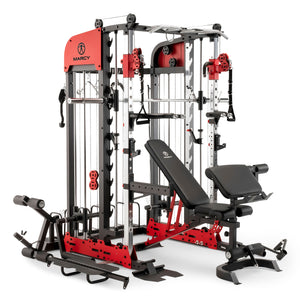
Space is often a limiting factor in home gyms, but a gym cage solves this by consolidating several workout stations into one unit. Instead of multiple bulky machines, you get a compact structure that fits well into a corner or garage. This means you can keep your workout area neat and organized.
When I added a gym cage to my home, I noticed how much floor space I saved. It allowed me to add mats and other accessories without feeling cramped.
Key Features To Look For
Choosing the right home gym cage is crucial for safe and effective workouts. Understanding key features ensures you make an informed decision. Let’s explore the essential aspects that can enhance your fitness journey.
Sturdy Frame Construction
The foundation of any home gym cage is its frame. Look for a cage made from high-quality steel. This ensures durability and stability during intense workouts. A solid frame prevents wobbling, providing a secure environment. Check the weight capacity to match your fitness goals.
Adjustable Safety Bars
Safety is a top priority when lifting weights. Adjustable safety bars offer protection during heavy lifts. Ensure the bars are easy to adjust. This flexibility allows for quick setup and safer exercises. Safety bars should be strong and reliable to support your weight.
Compatibility With Attachments
A versatile gym cage can accommodate various attachments. Look for compatibility with pull-up bars, dip stations, and resistance bands. This expands your workout options without needing extra equipment. Ensure attachments are easy to add and remove. Compatibility enhances the functionality of your home gym.
Choosing The Right Size
Choosing the right size for your home gym cage is essential to create a safe and efficient workout space. If your cage is too small, your movements might feel cramped, and you could risk injury. On the other hand, a cage that’s too large might waste valuable room that could be used for other equipment or activities.
Measuring Your Available Space
Start by measuring the exact area where you plan to place your gym cage. Use a tape measure to get the length, width, and height of the space. Don’t forget to consider ceiling height, especially if you plan to do overhead lifts or add attachments like pull-up bars.
Remember to leave enough clearance around the cage for easy access and movement. Think about doorways, windows, and any other fixtures that might limit your setup. Take note of any uneven floors or low-hanging lights that could interfere with your equipment.
Considering Workout Needs
Your workout style should guide the size of your gym cage. If you mainly do squats and bench presses, a compact cage might be enough. But if you want to do Olympic lifts, pull-ups, or add accessories like resistance bands, you’ll need more space.
Think about the types of exercises you enjoy and plan to do regularly. Do you need room for a barbell, weight plates, or a bench? Also, consider if you want to train with a partner or coach, which requires additional space.
Ask yourself: Will this cage support your fitness goals without feeling restrictive? Your answer will help you find the right size that fits your lifestyle and space.

Credit: www.amazon.ca
Popular Home Gym Cage Types
Home gym cages come in various styles to fit different workout needs. Each type offers unique benefits for strength training and safety. Understanding popular cage types helps you choose the right one for your space and goals.
Power Racks
Power racks are sturdy and versatile gym cages. They feature four upright posts with adjustable safety bars. This design supports heavy lifting and multiple exercises like squats and bench presses. Power racks often include attachments for pull-ups and dip bars. They provide excellent safety for solo workouts.
Squat Racks
Squat racks are simpler than power racks. They usually have two vertical posts with adjustable hooks. These racks focus mainly on squats but can support other barbell lifts. Squat racks take up less space and cost less. They are great for basic strength training at home.
Half Racks
Half racks combine features of power and squat racks. They have two posts and partial side panels for extra stability. Half racks offer safety bars and space for various exercises. They use less room than full power racks but provide more support than squat racks. Ideal for users needing balance between space and functionality.
Installation Tips
Installing a home gym cage can seem daunting, but with the right tips, you can set it up safely and efficiently. Paying attention to installation details ensures your cage stays secure and supports your workouts without any issues. Let’s dive into some practical advice to make your installation smooth and lasting.
Floor Anchoring Options
Securing your gym cage to the floor is crucial for stability and safety. You can choose from several anchoring methods depending on your floor type and workout intensity.
- Concrete Anchors:Ideal for garages or basements with concrete floors. Use heavy-duty wedge anchors or sleeve anchors to firmly attach the cage.
- Lag Bolts for Wood Floors:If you have a wooden subfloor, lag bolts provide strong support. Ensure you anchor into joists, not just the surface.
- Weight Plates as Anchors:Some prefer placing heavy weight plates on the cage base for added stability without drilling. This works well if you want a non-permanent setup.
Think about your space: Is drilling into the floor allowed? Can you handle the tools needed? Your answers will guide the best anchoring choice.
Assembly Best Practices
Taking your time during assembly can save headaches later. Start by reading the manufacturer’s instructions carefully and organizing all parts before beginning.
- Work on a Flat Surface:Assemble the cage on a level area to avoid misalignment and wobbling.
- Use Proper Tools:Having a power drill, adjustable wrench, and a rubber mallet on hand speeds up the process and ensures tight connections.
- Double-Check Fasteners:Tighten bolts incrementally rather than all at once. This balances the structure and reduces stress on individual joints.
Remember, rushing can lead to loose fittings or uneven frames, which may compromise your safety. Have a friend help you—extra hands make the job easier and more precise.
Maintaining Your Gym Cage
Maintaining your home gym cage ensures safety and extends its lifespan. Regular care keeps the structure stable and reliable for workouts. Neglect can cause wear and reduce performance. Proper attention protects your investment and promotes consistent training.
Routine Inspection
Check bolts and screws for tightness weekly. Look for cracks or bends in the frame. Ensure welds are intact without rust spots. Inspect safety pins and hooks for damage. Confirm all attachments fit securely and work properly. Replace worn parts immediately to avoid accidents.
Cleaning And Lubrication
Wipe down metal surfaces with a damp cloth after use. Remove sweat and dust to prevent corrosion. Use mild soap and water for deeper cleaning. Dry all parts thoroughly to avoid rust. Apply lubricant to moving parts like pulleys and hinges. This reduces friction and keeps mechanisms working smoothly. Avoid over-lubricating, which attracts dirt and grime.
Maximizing Workout Safety
Maximizing workout safety is key in any home gym setup. A gym cage offers solid protection during heavy lifts. It creates a controlled space to train with confidence. Safe workouts reduce injury risk and build better results.
Using the cage correctly helps you focus fully on your exercise. It supports both beginners and advanced lifters. Safety features like spotter arms and proper weight loading are essential. These elements keep you secure while pushing your limits.
Using Spotter Arms
Spotter arms act as a safety net during lifts. They catch the barbell if you lose control. Adjust spotter arms to the right height for each exercise.
- Ensure arms are locked firmly in place before lifting.
- Set them low enough to catch the bar without blocking movement.
- Use spotter arms for bench press, squats, and overhead lifts.
Spotter arms allow you to lift alone without a spotter. They give peace of mind for heavy or high-rep sets.
Proper Weight Loading
Load weights evenly on both sides of the barbell. Unbalanced weights cause poor form and increase injury risk.
- Check collars are tight to prevent plates from sliding.
- Add weight in small increments to avoid sudden strain.
- Use weight plates compatible with your barbell size.
Proper weight loading maintains barbell stability during lifts. It helps you train safely and effectively.

Credit: synergeefitness.ca
Budgeting For Quality Equipment
Setting up a home gym cage is an investment that pays off in both convenience and fitness gains. But budgeting for quality equipment can feel tricky. You want gear that lasts and performs well without breaking your bank.
Think about what matters most to you: is it the sturdiness of the frame, the versatility of attachments, or maybe the warranty? Deciding this upfront helps you focus on the right products. You don’t have to spend a fortune to get solid equipment that meets your needs.
Balancing Cost And Durability
Quality doesn’t always mean the highest price tag. Sometimes mid-range cages offer steel thickness and weld quality comparable to expensive models. Look for cages made from at least 11-gauge steel; thinner metal often means less stability and a shorter lifespan.
Consider how often you’ll use your cage and the type of exercises you plan. A durable cage withstands heavy lifting and frequent use without wobbling or showing wear quickly. Spending a little more now can save you from replacing parts or the entire cage later.
Ask yourself: would you rather invest in something that lasts years or replace a cheaper option multiple times? Checking customer reviews and warranty details can reveal if a product is worth the price.
Where To Buy
Choosing the right place to buy your home gym cage affects both price and support. Online retailers often have better deals and customer reviews, but local stores might offer hands-on inspection and easier returns.
Don’t overlook specialty fitness shops—they sometimes have exclusive brands or bundles that include accessories. Also, watch for seasonal sales or clearance events which can drop costs significantly.
- Check websites like Rogue Fitness, Titan Fitness, or REP Fitness for reliable cages.
- Visit local sporting goods stores to compare build quality in person.
- Use online marketplaces cautiously; verify seller reputation and return policies.
Where do you usually find the best balance between price and quality? Testing a few models physically or reading detailed reviews can save you from costly mistakes.
Frequently Asked Questions
What Is A Home Gym Cage?
A home gym cage is a sturdy frame designed for weightlifting and strength training. It supports heavy lifts safely, allowing exercises like squats and bench presses. It often includes safety bars and attachments for versatile workouts at home.
How Does A Home Gym Cage Improve Workouts?
A home gym cage ensures safety by preventing injury during heavy lifts. It allows controlled, stable movements and supports various exercises. This setup helps increase workout intensity and effectiveness, making strength training more efficient and secure.
What Features To Look For In A Home Gym Cage?
Look for durability, adjustable safety bars, and multiple attachment points. A compact design fits home spaces better. Quality steel construction and weight capacity are crucial for safety and long-term use.
Can I Build Muscle With A Home Gym Cage?
Yes, a home gym cage supports progressive overload and compound lifts. These factors are key for muscle growth. It enables consistent strength training, which effectively builds muscle over time.
Conclusion
A home gym cage offers safety and convenience for workouts. It helps you train effectively at your own pace. You save time and avoid crowded gyms. The cage supports many exercises for strength and fitness. It fits well in small spaces at home.
Choosing the right cage makes workouts easier and safer. Start building your fitness routine with a home gym cage today. It can change how you exercise every day. Simple, strong, and reliable—just what your workouts need.







