
Are you ready to take control of your fitness without leaving your home? A home gym workout guide can help you build strength, boost energy, and feel great—all on your own schedule.
Whether you’re new to exercise or looking to switch up your routine, this guide is designed with you in mind. Discover simple tips, effective exercises, and smart hacks that make working out at home easy and fun. Keep reading, and you’ll find everything you need to create a workout plan that fits your life perfectly.
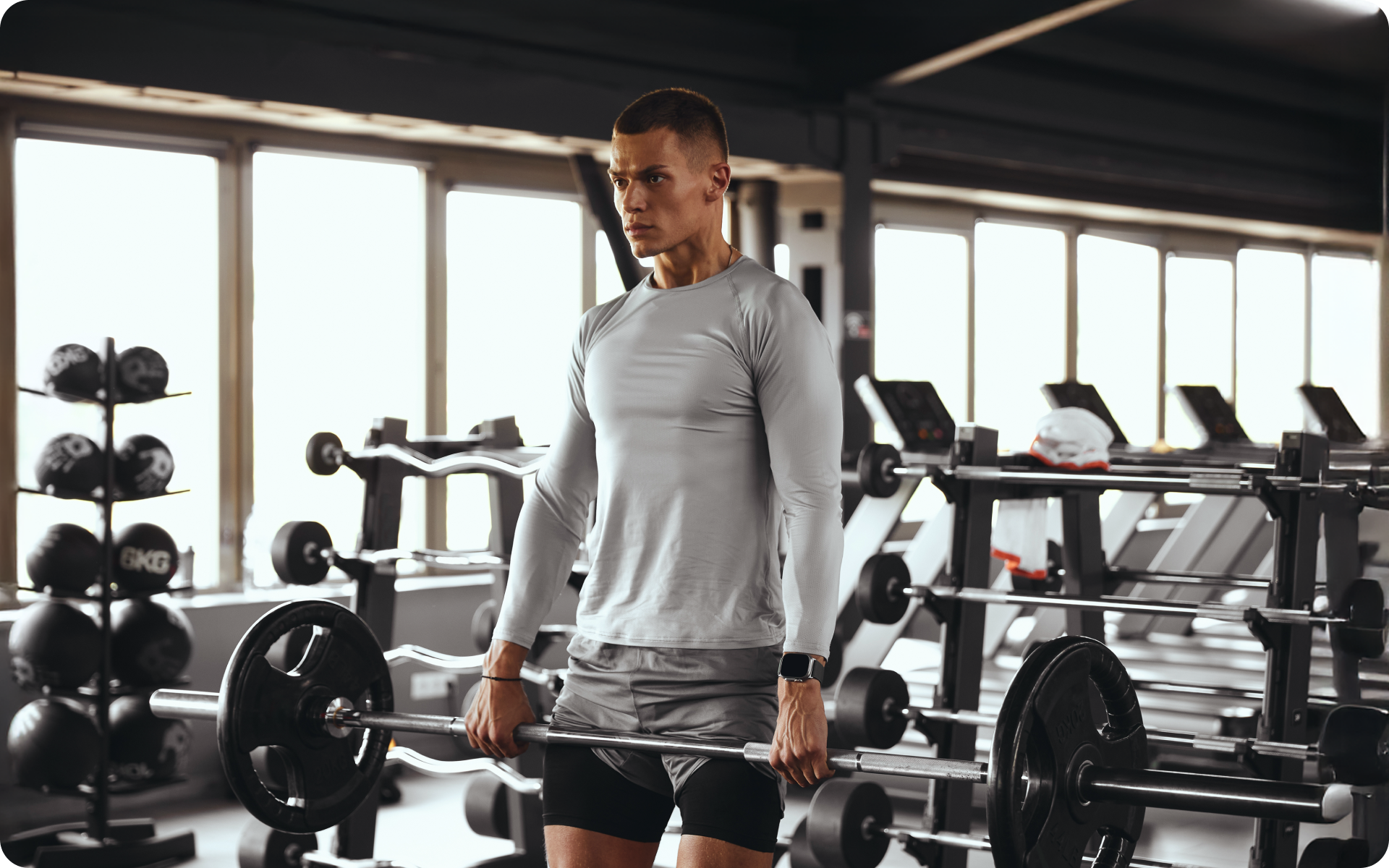
Credit: betterme.world
Setting Up Your Space
Creating a home gym starts with setting up the right space. This space should feel inviting and motivate you to work out regularly. A well-organized area can improve your focus and make exercise easier. Thoughtful planning helps you use the space efficiently and safely.
Choosing The Right Location
Select a spot with enough room to move freely. Natural light can lift your mood and energy. Quiet areas help maintain concentration during workouts. Avoid places with heavy foot traffic or distractions. Check the floor for stability and cleanliness. Ensure good ventilation to keep fresh air flowing. The space should be easy to access daily.
Essential Equipment For Beginners
Start with basic items that fit your workout style. Here are some essentials:
- Yoga mat for floor exercises and stretching
- Set of dumbbells or resistance bands
- Jump rope for cardio warm-ups
- Sturdy chair or bench for support
- Wall mirror to check your form
Choose equipment that matches your fitness goals and space size. Quality over quantity helps avoid clutter.
Maximizing Small Areas
Use vertical space with wall hooks or shelves. Foldable or stackable equipment saves room. Clear the floor after each session to keep it safe. Mirrors create an illusion of a bigger area. Multi-use items like adjustable dumbbells reduce clutter. Keep your workout zone tidy to stay motivated.
Designing Your Workout Plan
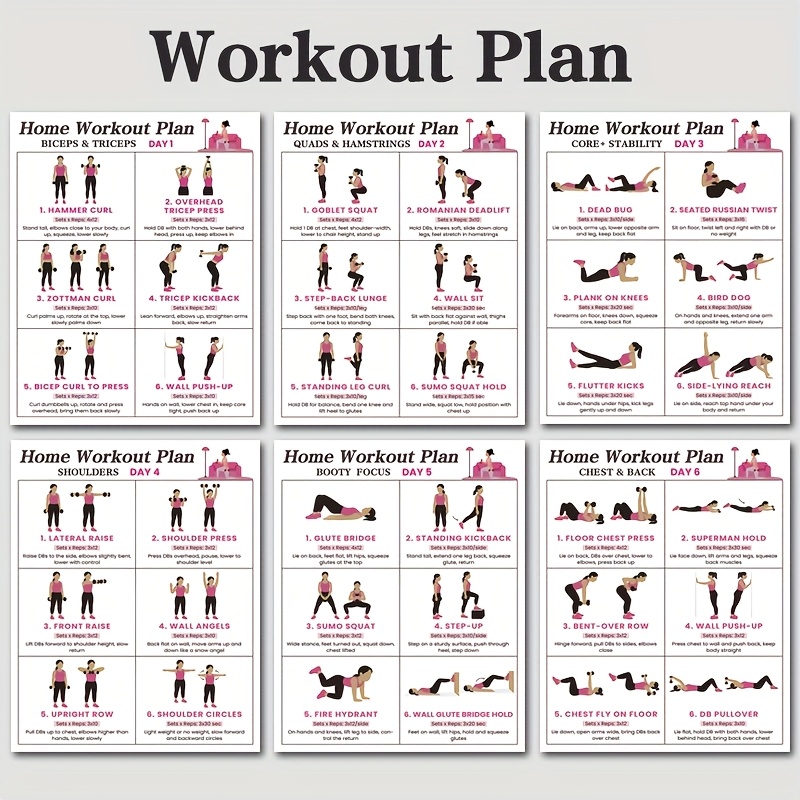
Creating a workout plan at home helps you stay active and fit without gym visits. Focus on simple exercises and set clear goals for steady progress. Tailor routines to your space and available equipment for best results.
Designing your workout plan is essential for a successful home gym routine. It helps you stay focused and motivated. A well-structured plan balances different types of exercises. This ensures your body gets a complete workout. Below, you’ll find key elements to consider in your plan.Balancing Cardio And Strength
Cardio workouts improve heart health and burn calories. Strength training builds muscle and boosts metabolism. Both are crucial for a balanced fitness routine. Aim for a mix of cardio and strength exercises each week. For example, include running, cycling, or jumping rope for cardio. Add squats, push-ups, or weightlifting for strength. This combination enhances endurance and muscle growth.Creating A Weekly Schedule
Consistency is key to fitness success. Plan your workouts for the week in advance. Allocate specific days for cardio and others for strength training. Consider your energy levels and rest days. A typical week might include three days of strength training. Plus, two to three days of cardio. Rest days help your body recover. This prevents injury and keeps you fresh.Tracking Progress Effectively
Monitoring your progress keeps you motivated. Track workouts in a journal or app. Note down exercises, sets, and repetitions. Record your weight and body measurements monthly. This shows how your body changes over time. Celebrate small victories. These keep you moving toward your fitness goals. Progress tracking highlights areas needing improvement. Adjust your plan as necessary for continuous growth.Top Exercises For Home Gyms
Top exercises for home gyms focus on versatility and effectiveness. These workouts use minimal equipment and fit small spaces. They help build strength, improve flexibility, and boost endurance. Choosing the right exercises keeps routines fresh and engaging.
Bodyweight Workouts
Bodyweight exercises require no equipment. They use your body as resistance. Examples include:
- Push-ups to strengthen chest and arms
- Squats for leg and glute muscles
- Planks to build core stability
- Lunges to improve balance and leg strength
These moves suit all fitness levels and can be done anywhere.
Resistance Band Routines
Resistance bands add tension for muscle growth. They are light and easy to store. Try these exercises:
- Banded rows for back muscles
- Chest presses to work the upper body
- Leg lifts targeting hips and thighs
- Bicep curls for arm strength
Resistance bands offer variable resistance and improve flexibility.
Dumbbell And Kettlebell Moves
Dumbbells and kettlebells allow weighted training. They build strength and power. Common exercises include:
- Dumbbell deadlifts for hamstrings and lower back
- Kettlebell swings to boost cardio and core
- Dumbbell shoulder presses to tone arms and shoulders
- Kettlebell goblet squats for leg strength
These tools suit a wide range of workout styles and goals.

Credit: www.gq-magazine.co.uk
Maintaining Motivation
Staying motivated is key to keeping a home gym workout routine alive. Motivation fuels consistency. Without it, workouts can feel like a chore. Finding ways to stay inspired helps make exercise a habit. Small changes can keep the energy high and the mind focused on goals.
Setting Realistic Goals
Set goals that match your current fitness level. Choose targets that are clear and achievable. Break big goals into small steps. Celebrate each small win to build confidence. Realistic goals prevent frustration and boost motivation. Write down your goals and review them often.
Incorporating Variety
Change your workouts regularly to avoid boredom. Mix cardio, strength, and flexibility exercises. Try different workout styles like yoga or HIIT. Use varied equipment such as dumbbells, bands, or bodyweight. Variety keeps workouts fresh and exciting. It challenges different muscles and improves overall fitness.
Using Technology And Apps
Fitness apps can track progress and keep you accountable. Use timers, workout guides, and reminders. Apps offer workout plans tailored to your goals. Some provide virtual coaching and community support. Technology makes workouts easier to follow and more fun. It helps you stay on track every day.
Safety And Injury Prevention
Safety and injury prevention are key to a successful home gym workout. Avoiding injuries helps keep your progress steady and your motivation high. Simple safety steps make workouts more effective and enjoyable. Understanding how to protect your body saves time and pain.
Proper Warm-up Techniques
Warming up prepares your muscles for exercise. Start with light cardio like jogging in place or jumping jacks. Spend 5 to 10 minutes warming up. Add dynamic stretches, such as arm circles or leg swings. These moves increase blood flow and reduce muscle stiffness. Avoid cold, sudden movements to prevent strains.
Correct Form And Posture
Good form protects joints and muscles during workouts. Focus on controlled, steady movements. Keep your back straight and shoulders relaxed. Avoid locking your knees or elbows. Use mirrors or videos to check your posture. Poor form leads to injuries and reduces workout benefits.
Listening To Your Body
Your body signals when something is wrong. Pay attention to sharp or persistent pain. Stop exercising if you feel dizzy or weak. Rest between sets and days to allow recovery. Adjust workout intensity to match your fitness level. Ignoring pain may cause serious injuries.
Nutrition Tips For Home Training
Nutrition plays a crucial role in maximizing the benefits of your home gym workouts. What you eat before, during, and after exercise directly impacts your energy levels, muscle recovery, and overall performance. Paying attention to your nutrition can help you push harder and recover faster, making every session more effective.
Pre-workout Nutrition
Fueling your body properly before a workout sets the stage for success. Aim to eat a balanced snack or meal 30 to 60 minutes before training. Focus on easily digestible carbohydrates and some protein to give you sustained energy.
- A banana with a spoonful of peanut butter
- Greek yogurt with honey and berries
- Whole grain toast topped with avocado
Have you noticed how skipping a pre-workout meal affects your endurance? Try experimenting with different foods to see what keeps your energy steady.
Post-workout Recovery Meals
After training, your muscles need nutrients to repair and grow stronger. A combination of protein and carbohydrates within 45 minutes post-exercise is ideal. This window helps replenish glycogen stores and kick-start muscle recovery.
- Grilled chicken with quinoa and steamed vegetables
- Protein smoothie with spinach, banana, and almond milk
- Cottage cheese paired with pineapple chunks
If you find yourself feeling unusually sore or tired, consider adjusting your post-workout meals. How often do you prioritize recovery nutrition?
Hydration Essentials
Water is often overlooked but is essential for home training success. Staying hydrated helps regulate body temperature, lubricate joints, and transport nutrients. Drink water before, during, and after your workouts to maintain optimal performance.
- Keep a water bottle within reach during your sessions
- Consider adding electrolytes if you sweat heavily
- Aim for at least 8 cups of water daily, adjusting for workout intensity
Have you tracked how your hydration levels affect your workout quality? Small changes in water intake can lead to noticeable improvements.
Credit: www.temu.com
Frequently Asked Questions
What Are The Best Exercises For A Home Gym Workout?
Effective home gym exercises include squats, push-ups, lunges, planks, and dumbbell rows. These target multiple muscle groups efficiently. They require minimal equipment and space. Incorporate both strength and cardio moves for balanced fitness.
How Can Beginners Start A Home Gym Routine Safely?
Beginners should start with light weights and simple exercises. Focus on proper form to avoid injuries. Gradually increase intensity as strength improves. Warm-up before workouts and cool down after. Consistency and rest days are key for progress.
What Essential Equipment Do I Need For A Home Gym?
Basic home gym equipment includes dumbbells, resistance bands, a yoga mat, and a stability ball. These tools support diverse workouts targeting strength, flexibility, and balance. Optional items are kettlebells and a jump rope for added variety.
How Often Should I Work Out In My Home Gym?
Aim for at least 3 to 5 sessions per week. Each session should last 30 to 60 minutes. Balance strength training and cardio workouts. Allow rest days for muscle recovery. Consistency improves fitness and helps build healthy habits.
Conclusion
Creating a home gym helps you stay fit and save time. You control your workouts and choose your pace. Small spaces work well with simple equipment. Consistency matters more than fancy machines. Start with basic exercises and add new moves.
Enjoy the comfort of exercising at home. Your health improves with regular effort and care. Keep your goals clear and stay motivated. Fitness becomes easier when you make it a habit. A home gym offers freedom and flexibility every day.







