
Imagine having a place where you can work out anytime you want, without waiting for equipment or dealing with crowded gyms. A small home gym can make this your reality.
It fits perfectly into your space, saves you time, and keeps you motivated. If you’ve ever thought about getting fitter but felt held back by busy schedules or pricey memberships, this guide is for you. Keep reading to discover how to create a small home gym that works for your lifestyle and helps you reach your fitness goals faster than you thought possible.
Benefits Of Small Home Gyms
Creating a small home gym can transform your fitness routine in surprising ways. You don’t need a large space or expensive equipment to enjoy a workout that fits your lifestyle. Let’s look at why small home gyms offer real benefits that go beyond just saving space.
Cost-effective Fitness Solutions
Setting up a small home gym often costs less than a gym membership over time. You can start with basic gear like dumbbells, resistance bands, and a yoga mat, which are affordable and versatile.
Think about the money saved on monthly fees, travel, and workout clothes. This means you can invest more in quality equipment that lasts longer, instead of paying recurring fees.
Convenience And Accessibility
Having a gym right at home removes excuses related to time and travel. You can squeeze in quick workouts between daily tasks or even during a lunch break.
Imagine finishing your workout right before breakfast or late at night without worrying about gym hours. This flexibility often leads to more consistent exercise habits.
Privacy And Comfort
Your home gym is a space where you control the environment completely. You can play your favorite music, choose the temperature, and wear whatever feels comfortable.
Many people find exercising alone less intimidating and more motivating. No waiting for machines or feeling self-conscious — just you and your workout.
Credit: gardenrooms365.co.uk
Choosing The Right Space
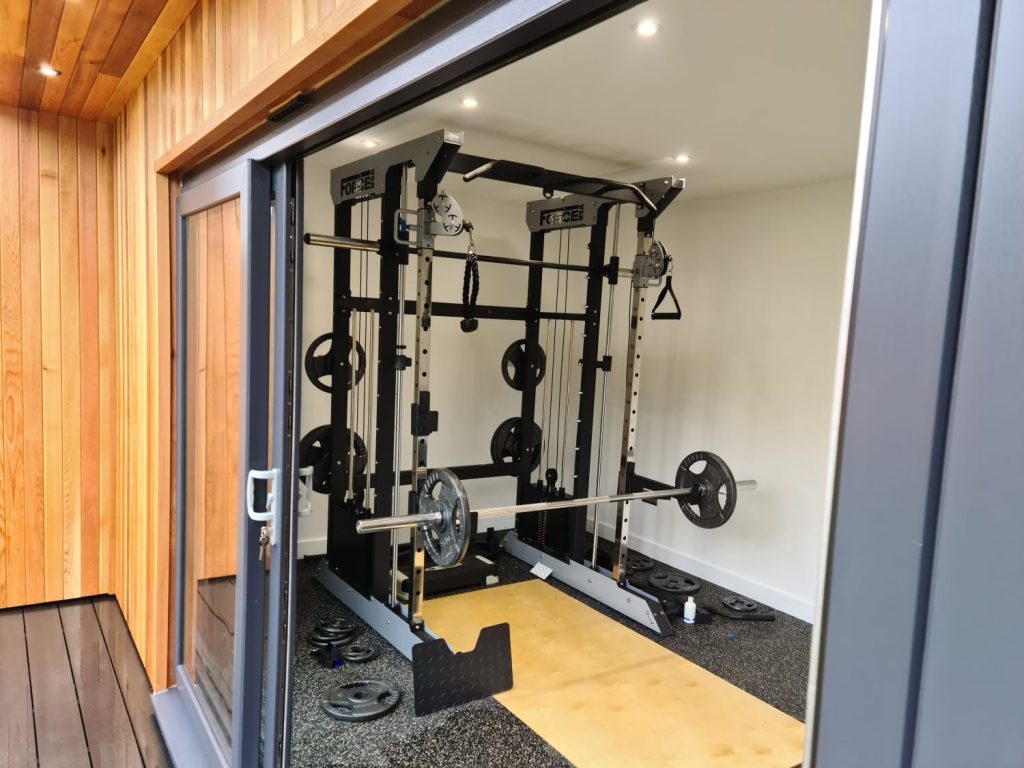
Choosing a quiet corner or spare room can create a perfect small home gym. Ensure enough space for equipment and movement without clutter. Natural light and good ventilation make workouts more enjoyable.
Finding the perfect spot for your small home gym can make a significant difference in your workout experience. You want a space that inspires you to move and doesn’t feel cramped. Let’s look at how to choose the right space in your home for a gym that suits your needs and lifestyle.Assessing Available Areas
Start by evaluating every room and corner of your home. Think creatively—could that dusty basement corner be transformed into a vibrant workout zone? Consider areas like a spare bedroom, the garage, or even a section of your living room. Measure these spaces to ensure your equipment will fit comfortably. You don’t want to be squeezing past weights or tripping over yoga mats. Having a clear understanding of your dimensions helps avoid future frustration.Maximizing Small Spaces
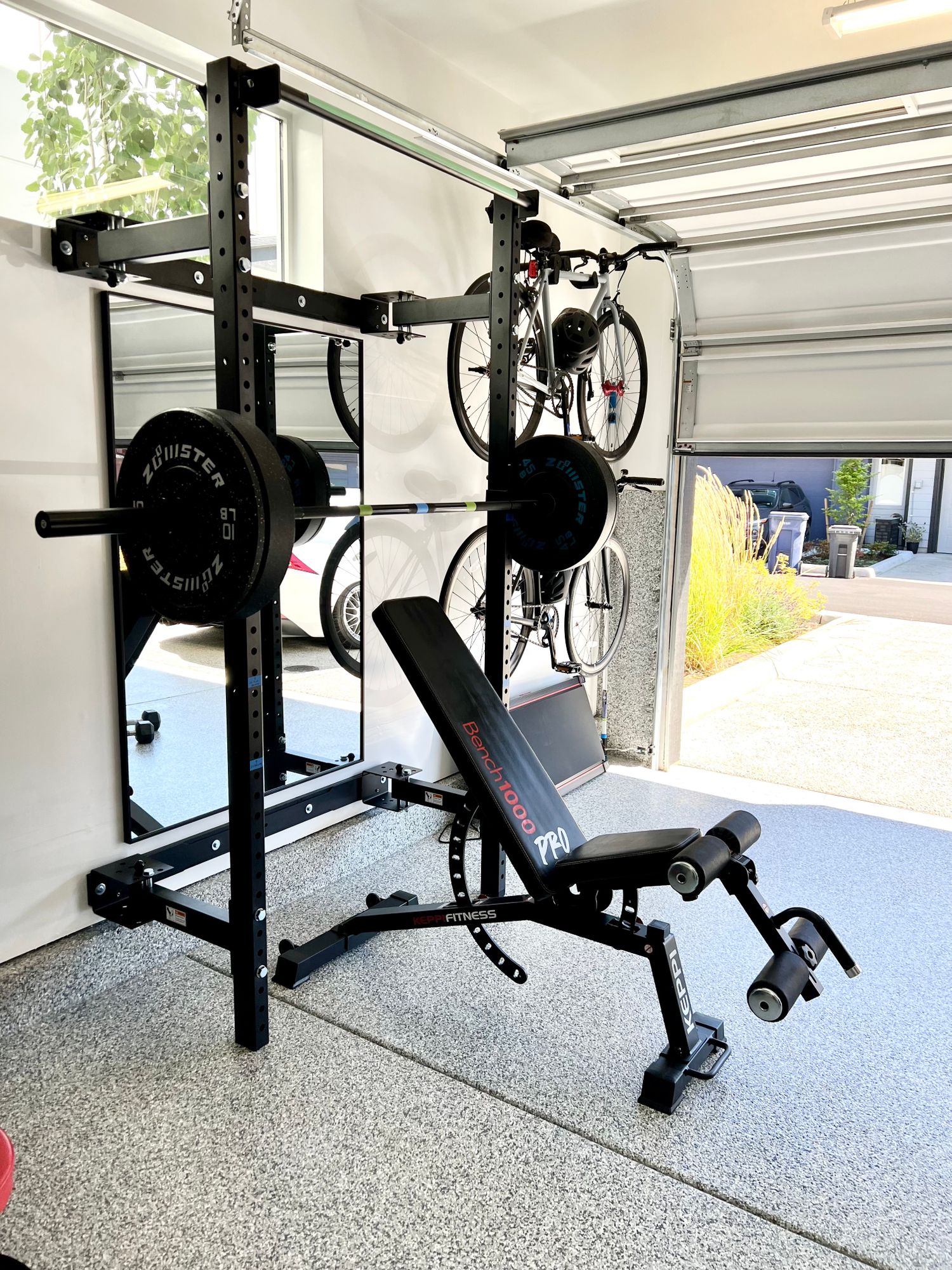
Once you’ve chosen your spot, focus on maximizing the available space. Vertical storage solutions, like wall-mounted racks, can help keep equipment off the floor and free up room for movement. Mirrors can also create an illusion of more space and let you check your form. Consider multipurpose furniture or foldable equipment that can be easily stored away when not in use. This keeps your area functional for other activities and avoids clutter.Lighting And Ventilation Tips
Good lighting is essential in a home gym, not just for visibility, but for motivation. Natural light is ideal, so position your gym near windows if possible. If not, bright LED lights can mimic daylight and energize your workouts. Ventilation is equally important. Ensure the space has a window or a fan to keep air circulating. This not only keeps you cool but also prevents the space from feeling stuffy and uninviting. Incorporating these elements into your small home gym can make it a place you look forward to using. Where will you set up your fitness sanctuary?Essential Equipment For Compact Gyms
Essential equipment forms the heart of any small home gym. Choosing the right tools helps maximize space and workout variety. Compact gyms need gear that fits well and works hard.
Focus on versatile machines and portable items. They save space and offer many exercise options. This approach keeps your gym functional without clutter.
Multi-functional Machines
Multi-functional machines combine several workouts in one unit. They save space by replacing multiple single-use machines. These machines often allow strength training for different muscle groups.
- Adjustable cable stations
- Compact home gyms with pulleys and weights
- Foldable bench systems
Choose machines that are sturdy but small. Look for easy adjustments and quick setup. Multi-functional gear offers strength and flexibility training in tight spaces.
Free Weights And Resistance Bands
Free weights and resistance bands are must-haves for small gyms. They do not take up much room. Both options support a wide range of exercises.
- Dumbbells with adjustable weights
- Kettlebells in varying sizes
- Resistance bands with different tension levels
Free weights build muscle and improve balance. Bands add resistance without heavy equipment. Both tools fit in small storage areas or drawers.
Cardio Options For Small Areas
Cardio exercise is key for fitness but space can be tight. Choose cardio machines designed for small rooms. Compact options provide effective workouts without crowding.
- Foldable treadmills
- Stationary bikes with small footprints
- Jump ropes and mini steppers
Portable cardio tools are easy to move and store. They help keep your heart healthy in limited space. Small cardio gear can fit in corners or closets.
Credit: prxperformance.com
Designing Your Workout Zone
Creating a workout zone in a small home gym requires smart design choices that maximize space without sacrificing function. Every inch counts, so think about how each element can serve multiple purposes. Your goal is a space that motivates you to move while staying organized and safe.
Storage Solutions
Clutter can kill your workout vibe fast. Use vertical storage options like wall-mounted racks or pegboards to keep equipment off the floor.
- Stackable shelves can hold weights, bands, and mats efficiently.
- Multi-use furniture, like benches with hidden compartments, saves room.
Ask yourself: How often do I use each item? Store frequently used gear within easy reach and tuck away extras.
Flooring And Safety
The right flooring protects your joints and your home. Choose shock-absorbing mats or rubber tiles to reduce impact.
- Non-slip surfaces prevent accidents during intense workouts.
- Easy-to-clean materials keep your space fresh and hygienic.
Think about your workout style—do you do a lot of jumping or heavy lifting? Tailor your flooring to those needs to avoid injury.
Mirrors And Motivation
Mirrors do more than help with form—they boost your motivation by letting you see progress in real-time. Even a small mirror can make your space feel bigger and brighter.
- Place mirrors where natural light hits to amplify brightness.
- Use full-length mirrors if you do yoga or stretching.
Have you noticed how watching yourself can push you to work harder? Position mirrors to remind yourself of your goals every session.
Effective Workout Plans For Small Gyms
Designing effective workout plans for small home gyms requires smart use of limited space and equipment. Focus on exercises that target multiple muscle groups to maximize results. A balanced routine improves strength, endurance, and flexibility without needing bulky machines.
Full-body Routines
Full-body workouts make the most of small gym spaces. These routines engage all major muscle groups in one session. Use bodyweight exercises, dumbbells, or resistance bands to keep it simple and effective.
- Squats and lunges for legs and glutes
- Push-ups and dumbbell presses for chest and arms
- Rows and planks for back and core
Perform 2–3 sets of 10–15 reps for each exercise. Rest briefly between sets to maintain intensity. This approach builds strength and burns calories efficiently.
Hiit And Circuit Training
High-Intensity Interval Training (HIIT) fits perfectly in small gyms. It combines short bursts of intense exercise with brief rest periods. Circuit training links several exercises back-to-back for a full workout.
- Jumping jacks or jump rope for cardio
- Bodyweight squats and push-ups for strength
- Mountain climbers and burpees for endurance
Try 30 seconds of work followed by 15 seconds of rest. Repeat circuits 3–4 times. This method boosts metabolism and improves fitness fast.
Flexibility And Recovery
Flexibility exercises help prevent injury and aid recovery. Stretching and mobility work improve movement quality and reduce muscle tightness. Dedicate time after workouts for these activities.
- Static stretches for major muscle groups
- Foam rolling to release muscle knots
- Yoga poses for balance and relaxation
Spend 5–10 minutes on flexibility daily. This supports long-term fitness and keeps muscles healthy.
Credit: www.youtube.com
Maintaining Your Home Gym
Maintaining your home gym is key to keeping your workouts effective and enjoyable. A clean, well-maintained space motivates you to exercise regularly and helps extend the life of your equipment. Small daily habits can make a big difference in how your gym feels and functions.
Cleaning And Upkeep
Dust and sweat can build up quickly in a home gym, making cleaning essential. Wipe down machines and mats after every use to prevent dirt and germs from accumulating. Use a mild disinfectant spray and microfiber cloth to keep surfaces fresh without damaging equipment.
Don’t forget to vacuum or sweep the floor regularly, especially if you have carpet or rubber mats. Good airflow helps reduce odors, so open windows or use a fan to keep the space ventilated. How often do you actually clean your workout area? Setting a cleaning schedule can help you stay consistent.
Equipment Maintenance
Keeping your equipment in top shape saves money and keeps workouts safe. Check cables, bolts, and moving parts weekly to spot wear or loose components early. Lubricate machines as recommended by the manufacturer to avoid squeaks and stiffness.
For weights and dumbbells, inspect for cracks or rust. Tighten any loose screws or handles before you start your session. If you notice any damage, address it immediately—ignoring small issues can turn into costly repairs later.
Tracking Progress
Tracking your progress motivates you and helps identify what’s working or needs change. Use a simple notebook or an app to log workouts, weights, and reps. Seeing your improvements over weeks keeps the momentum going.
Consider taking photos or measurements monthly to notice changes your scale might miss. Have you ever felt stuck in your routine? Tracking your progress can reveal plateaus and inspire you to adjust your plan. What’s your favorite way to keep track of your fitness journey?
Overcoming Common Challenges
Creating a small home gym comes with unique challenges. Overcoming these hurdles helps keep your fitness journey on track. It also makes your space more enjoyable and effective. Focus on motivation, space management, and balancing your routine with daily life.
Staying Motivated
Motivation can dip without a gym’s energy and social vibe. Set clear, simple goals to keep focus. Celebrate small wins to boost confidence. Change workouts regularly to avoid boredom. Use music or videos that inspire you. Track progress with a journal or app. These steps keep enthusiasm alive and workouts consistent.
Dealing With Limited Space
Small gyms need smart space use. Choose versatile equipment like resistance bands or dumbbells. Store gear in baskets or on wall hooks. Use foldable or compact machines to save room. Keep the area tidy to avoid clutter. Bright lighting and mirrors make the space feel bigger. Planning helps create a functional workout zone.
Balancing Home And Fitness
Home life often distracts from exercise time. Create a schedule with fixed workout hours. Inform family members about your fitness time. Keep your gym area separate from living spaces. Use short, effective workouts when time is tight. Prioritize consistency over length. This balance supports fitness and home responsibilities smoothly.
Frequently Asked Questions
What Are The Best Exercises For Small Home Gyms?
Focus on bodyweight exercises like squats, push-ups, and planks. Use resistance bands and dumbbells for added strength training. These exercises require minimal space and equipment, making them perfect for small home gyms.
How Can I Maximize Space In A Small Home Gym?
Use vertical storage for equipment and foldable furniture. Choose multifunctional equipment like adjustable dumbbells and resistance bands. Keep the area clutter-free to create a more spacious workout environment.
What Essential Equipment Suits Small Home Gyms?
Start with adjustable dumbbells, resistance bands, a yoga mat, and a stability ball. These items offer versatility and save space, covering strength, flexibility, and cardio workouts effectively in small areas.
How To Stay Motivated Using A Small Home Gym?
Set clear fitness goals and create a consistent workout schedule. Use online workout videos and track progress regularly. A dedicated workout space helps maintain focus and motivation.
Conclusion
Creating a small home gym fits well in any space. It helps you stay active without leaving home. Choose simple equipment that suits your needs. Keep your gym area neat and organized. Regular exercise boosts health and mood. Small gyms save time and money too.
Start with small steps and build your routine. Enjoy the comfort and privacy of your own gym. Staying fit is easier than you think. Your health deserves this small change today.







