
Imagine having a gym right in your own home, ready whenever you are. No more waiting for machines or wasting time driving to a fitness center.
Building a DIY at home gym means you take control of your workouts and your schedule. In this post, you’ll discover simple, affordable ways to create a space that motivates you to stay active every day. Ready to transform your fitness routine and see real results?
Keep reading, because your perfect home gym is closer than you think.
Planning Your Home Gym
Planning your home gym is the foundation of a successful workout space that fits your lifestyle. It’s about making smart choices that save you time and money, while keeping your motivation high. Take a moment to think about what you truly need and how your environment can support your fitness journey.
Choosing The Right Space
Look for a spot in your home that feels comfortable and has enough room for the equipment you want. A spare room, basement, or even a corner of your living room can work well. Good lighting and ventilation are important—your workouts will feel better if the space is bright and fresh.
Think about noise too. If you live with others, choose a place where your exercise won’t disturb them. Have you considered how often you’ll use the space? A dedicated area encourages consistency.
Setting A Budget
Decide how much you want to spend before buying anything. Home gyms can be as simple or as fancy as you want, so set a realistic budget based on what you really need.
Start with essential items and add more over time. This way, you avoid overspending on equipment that might end up unused. Have you checked for secondhand gear? It can save you a lot and still be in great shape.
Determining Your Fitness Goals
Clarify what you want to achieve with your home gym. Are you focusing on strength, cardio, flexibility, or a mix? Knowing your goals helps you pick the right equipment and plan your workouts.
If weight loss is your target, a treadmill or jump rope might be priorities. For building muscle, consider dumbbells or resistance bands. What motivates you to keep moving? Align your space with that energy.
Essential Equipment For Beginners
Basic gear like dumbbells, resistance bands, and a yoga mat helps create an effective home gym. These items fit small spaces and support various workouts. Starting with simple tools makes exercising at home easy and affordable.
Creating a home gym is an exciting journey, especially when you’re just starting out. The key to success is having the right equipment that suits your fitness goals and space. Whether you aim to improve cardio, build strength, or enhance flexibility, selecting the right tools can make all the difference. Let’s dive into some essential equipment for beginners.Cardio Machines
Cardio is an essential part of any fitness routine, and having a machine at home can make it easier to stay consistent. Treadmills and stationary bikes are popular choices for beginners. They provide a great way to get your heart rate up without needing a lot of space. Consider a jump rope if you’re looking for something more compact and affordable. It’s a high-intensity workout tool that can significantly boost your cardiovascular health. Plus, it’s easy to store and perfect for small spaces.Strength Training Tools
When starting out with strength training, focus on versatility and space efficiency. Dumbbells and resistance bands are excellent choices. They allow you to work out multiple muscle groups and adjust the intensity as you get stronger. Kettlebells are another great option for adding variety to your workouts. They help with both strength and cardio, offering a full-body workout. Remember, the goal is to gradually increase the weight as you progress, ensuring continuous improvement.Flexibility And Recovery Gear
Flexibility and recovery are often overlooked but are crucial for long-term fitness success. Yoga mats provide a comfortable space for stretching and core exercises. They’re also essential for practicing yoga or pilates at home. Foam rollers are a must-have for muscle recovery. They help reduce soreness and improve flexibility, ensuring you bounce back quickly after workouts. Investing in these tools can significantly enhance your recovery process and keep you on track with your fitness journey. What equipment will you start with in your home gym?Advanced Gear For Enthusiasts
Building a DIY home gym that truly challenges you means stepping up your gear. Basic dumbbells and mats are great, but advanced equipment lets you target specific muscles and track your progress with precision. If you’re serious about pushing your limits, choosing the right tools can make all the difference.
Power Racks And Benches
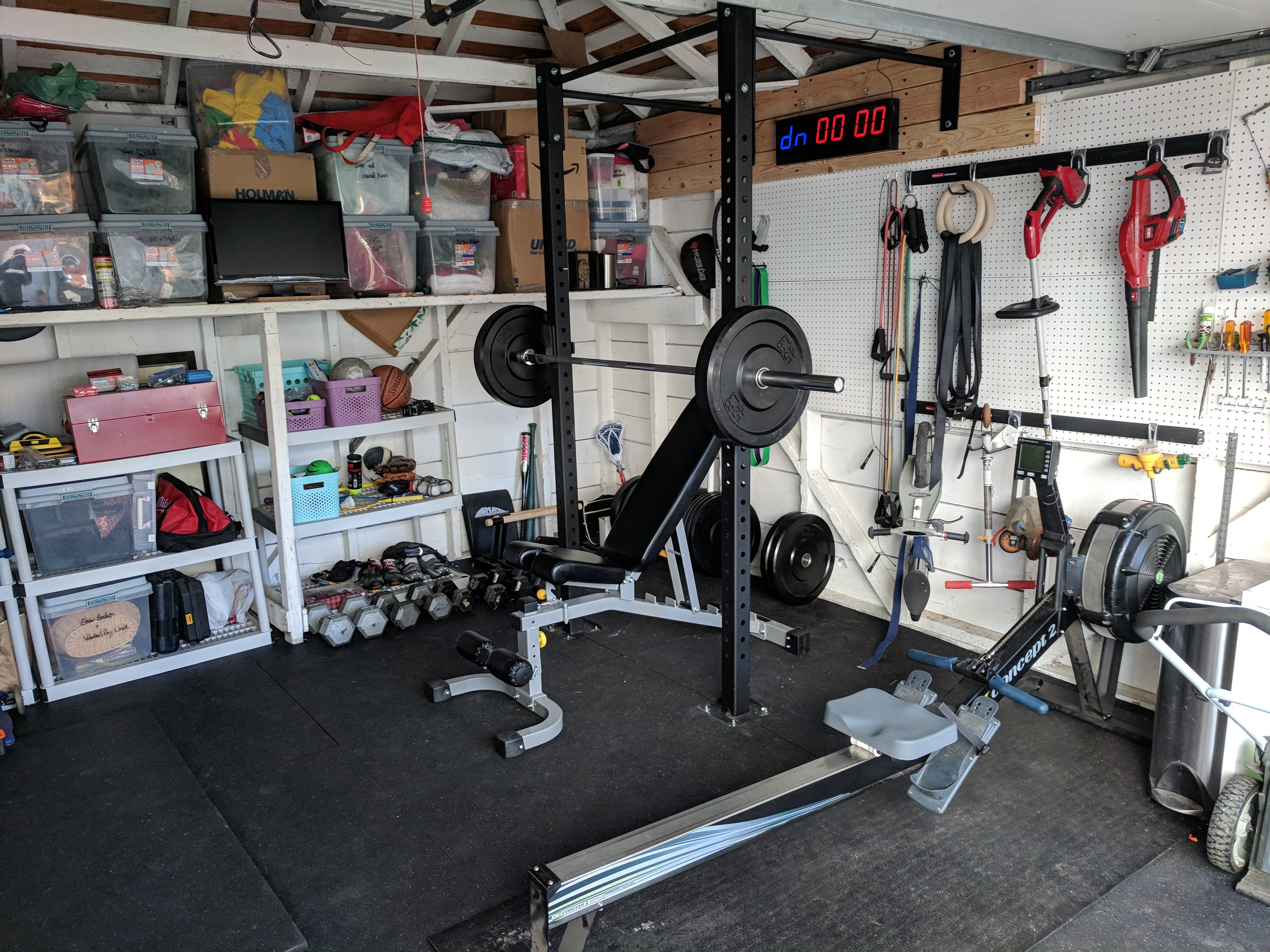
Power racks are the backbone of any serious home gym. They allow you to safely perform heavy lifts like squats, bench presses, and pull-ups without a spotter. Look for racks with adjustable safety bars and multiple attachments to increase versatility.
Pairing your rack with a quality bench opens up more workout options. Adjustable benches let you switch between incline, flat, and decline positions, targeting muscles from different angles. I once upgraded to a bench with wheels and foldable design—game changer for space and convenience.
Specialized Machines
Adding machines like leg presses, cable pulleys, or smith machines can focus your workouts on specific areas. These machines guide your movement and reduce injury risk, especially when lifting heavy. Consider your workout goals before investing—machines can be bulky but incredibly effective.
Think about your favorite exercises and which machines can replicate them. Do you want to improve your back strength? A lat pulldown machine might be worth it. Want to isolate your quads? A leg extension machine could fit right in.
Tech And Monitoring Devices
Tracking progress is key to staying motivated and improving. Devices like heart rate monitors, smartwatches, and even smart gym equipment provide real-time feedback. This data helps you adjust intensity and avoid plateaus.
Some gyms offer apps that sync with your gear to log reps, sets, and calories burned. Have you tried any smart fitness devices? They can turn your home gym into a high-tech training zone, making every workout count.

Credit: www.reddit.com
Designing Your Workout Area
Designing your workout area is key to creating a home gym that motivates and supports your fitness goals. The right design helps you exercise safely and comfortably. It also encourages regular workouts and keeps the space organized.
Flooring Options
Choose flooring that protects your floor and reduces injury risk. Rubber mats are popular for shock absorption and durability. Foam tiles offer comfort and are easy to install. Vinyl flooring is good for easy cleaning and moisture resistance. Consider your workout type and budget when picking flooring.
Lighting And Ventilation
Good lighting keeps the space bright and safe. Natural light boosts mood and energy. Use LED lights for clear, bright light in darker areas. Proper ventilation keeps air fresh and cool. Open windows or use fans to prevent stuffiness. Clean air helps you stay focused and breathe easily during workouts.
Storage Solutions
Keep your gym tidy with smart storage ideas. Use wall-mounted racks for weights and bands. Shelves can hold smaller equipment and accessories. Storage bins help organize mats and towels. A clutter-free space makes workouts more enjoyable and efficient.
Safety And Maintenance Tips
Creating a safe and well-maintained home gym is essential for effective workouts. Safety and maintenance help prevent injuries and extend equipment life. Pay close attention to setup, cleanliness, and injury prevention. This keeps your gym functional and secure.
Proper Equipment Setup
Place equipment on flat, stable surfaces. Check bolts and screws regularly. Secure heavy machines to avoid tipping. Allow enough space for movement around each item. Follow manufacturer instructions carefully for assembly. Use mats to protect floors and reduce noise.
Routine Cleaning
Wipe down machines and weights after each use. Use mild cleaners safe for your equipment. Remove sweat and dust to prevent damage. Clean floors and mats weekly. Keep the gym air fresh by ventilating the room. Regular cleaning reduces germs and keeps gear in top shape.
Injury Prevention
- Warm up before every workout session.
- Use proper form and technique during exercises.
- Start with lighter weights and increase gradually.
- Wear appropriate workout shoes and clothing.
- Keep emergency contacts and first aid nearby.
- Rest and recover to avoid overtraining.
Maximizing Space Efficiency
Creating a home gym often means working with limited space. Maximizing space efficiency helps fit your workout area into smaller rooms or corners. Smart planning and the right equipment let you stay active without clutter. Small spaces can still support great workouts.
Compact Equipment Choices
Choose gym gear that fits small spaces easily. Foldable treadmills and collapsible benches save room. Resistance bands and dumbbells take up less space than machines. Compact tools let you exercise without a bulky setup.
Multi-functional Gear
Use equipment that works for several exercises. Adjustable dumbbells replace many weight sets. A bench with storage or adjustable settings adds value. Multi-use gear reduces the need for extra items. It keeps the area open and tidy.
Organizing Small Areas
Keep your gym space neat with smart storage. Wall-mounted racks hold weights and bands off the floor. Use shelves or bins to store mats and towels. Clear areas help you move freely and avoid accidents. Organization makes workouts easier and more enjoyable.
Motivation And Routine Building
Building motivation and a strong routine is key to success in a DIY home gym. Staying consistent helps turn workouts into habits. Motivation can rise and fall. A solid routine keeps you going even on low-energy days.
Clear planning and regular tracking create a sense of progress. This progress fuels motivation and builds confidence. Variety keeps workouts interesting and stops boredom. It also challenges different muscles for better results.
Creating A Workout Schedule
Set specific days and times for your workouts. Treat these like important appointments. Choose realistic times that fit your daily life. Consistency beats intensity for lasting habits. Write your schedule down or use a calendar app. This keeps you accountable and focused.
Tracking Progress
Keep a simple log of exercises, sets, and reps. Note improvements in strength or endurance. Tracking shows how far you have come. It also highlights areas needing more work. Use a notebook or a fitness app. Celebrate small wins to boost motivation.
Incorporating Variety
Change exercises every few weeks to avoid plateaus. Mix cardio, strength, and flexibility workouts. Try new equipment or bodyweight routines. Varying workouts helps prevent boredom. It also reduces the risk of injury. Plan different workout types in your schedule for balance.

Credit: www.reddit.com
Credit: realendpoints.com
Frequently Asked Questions
What Are Essential Items For A Diy Home Gym?
Essential items include dumbbells, resistance bands, yoga mats, and a bench. These tools cover strength, flexibility, and cardio workouts effectively.
How To Choose The Best Space For A Home Gym?
Pick a well-ventilated, quiet area with enough floor space. Natural light and proximity to power outlets enhance comfort and equipment use.
Can I Build Gym Equipment At Home Cheaply?
Yes, many DIY projects use affordable materials like wood and metal. Simple machines like plyometric boxes and sandbags are cost-effective options.
How To Stay Motivated Working Out At Home?
Set clear goals, create a workout schedule, and track progress. Use music and vary exercises to keep routines exciting and engaging.
Conclusion
Creating a DIY home gym saves time and money. You control your workout space and schedule. Small changes can make a big difference. Use simple tools and space wisely. Stay consistent to see steady progress. Enjoy the comfort of exercising at home.
This approach fits any budget or skill level. Start today and build a healthy habit. Your body and mind will thank you. Keep it simple, stay motivated, and have fun.







