
Are you ready to take your workouts to the next level? Understanding the different types of gym equipment can make a huge difference in how you train and the results you get.
Whether you want to build strength, improve endurance, or just stay active, knowing which machines and tools suit your goals is key. You’ll discover the essential gym equipment options and how each one can help you reach your fitness targets faster and smarter.
Keep reading to find the perfect gear for your workout routine!
Credit: truefitness.com
Cardio Machines
Cardio machines are the backbone of any gym, designed to boost your heart rate and improve overall endurance. They offer a variety of ways to burn calories and strengthen your cardiovascular system. Choosing the right machine depends on your fitness goals, preferences, and any physical limitations you might have.
Treadmills
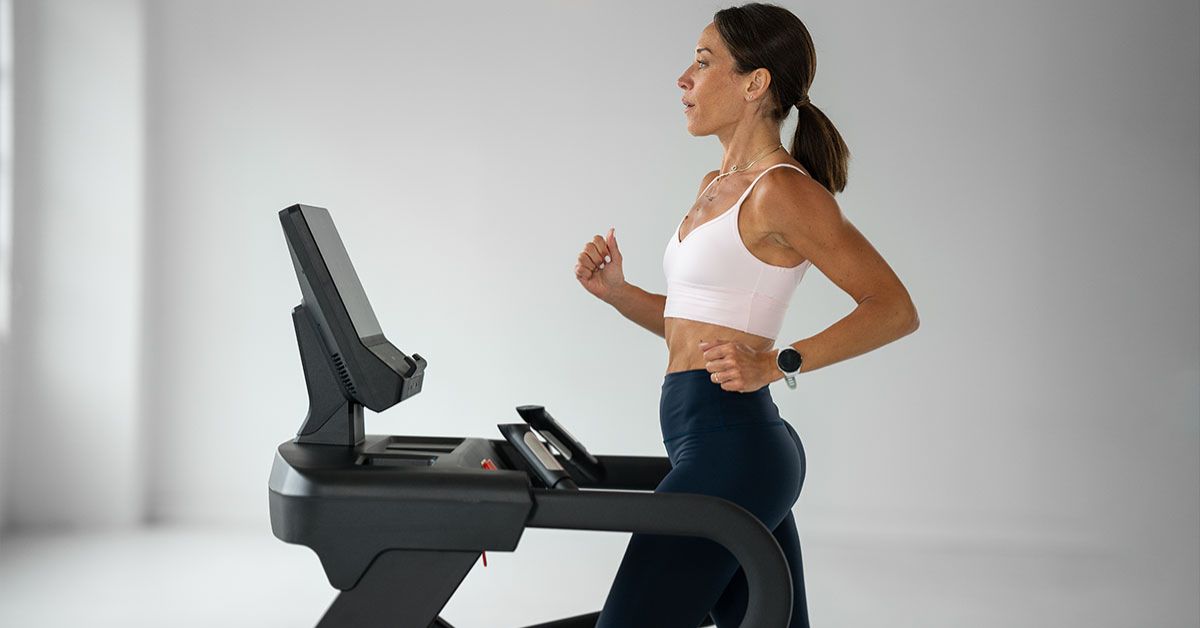
Treadmills let you walk, jog, or run indoors, no matter the weather outside. You can easily adjust speed and incline to match your fitness level or challenge yourself. Many people find treadmills perfect for interval training, helping to build stamina quickly.
Ellipticals
Ellipticals provide a low-impact workout that protects your joints while still engaging both upper and lower body muscles. They are ideal if you want to avoid the pounding associated with running but still want a solid cardio session. Have you tried using the handles to work your arms simultaneously?
Stationary Bikes
Stationary bikes come in upright and recumbent styles, offering a seated cardio option that’s easy on the knees. They’re great if you want to focus on leg strength while keeping your heart rate up. Plus, you can watch a show or listen to music without worrying about balance.
Rowing Machines
Rowing machines provide a full-body workout that targets your legs, core, and arms. They combine strength and cardio, making each session highly efficient. If you haven’t rowed before, give it a try—you might be surprised how quickly your muscles engage.
Stair Climbers
Stair climbers mimic the motion of climbing stairs and are excellent for building lower body strength and endurance. They can be tough but rewarding, helping you burn calories fast. Do you find yourself getting tired faster on stair climbers compared to other cardio machines?
Strength Training Gear
Strength training gear enhances your workout and helps build muscle. This equipment comes in various forms, each serving a unique purpose. Understanding these tools can elevate your fitness journey. Let’s explore some popular options.
Free Weights
Free weights include dumbbells, barbells, and weight plates. They offer versatility and improve balance. You can use them for exercises like bicep curls and squats. Free weights allow full range of motion. They engage multiple muscle groups at once.
Weight Machines
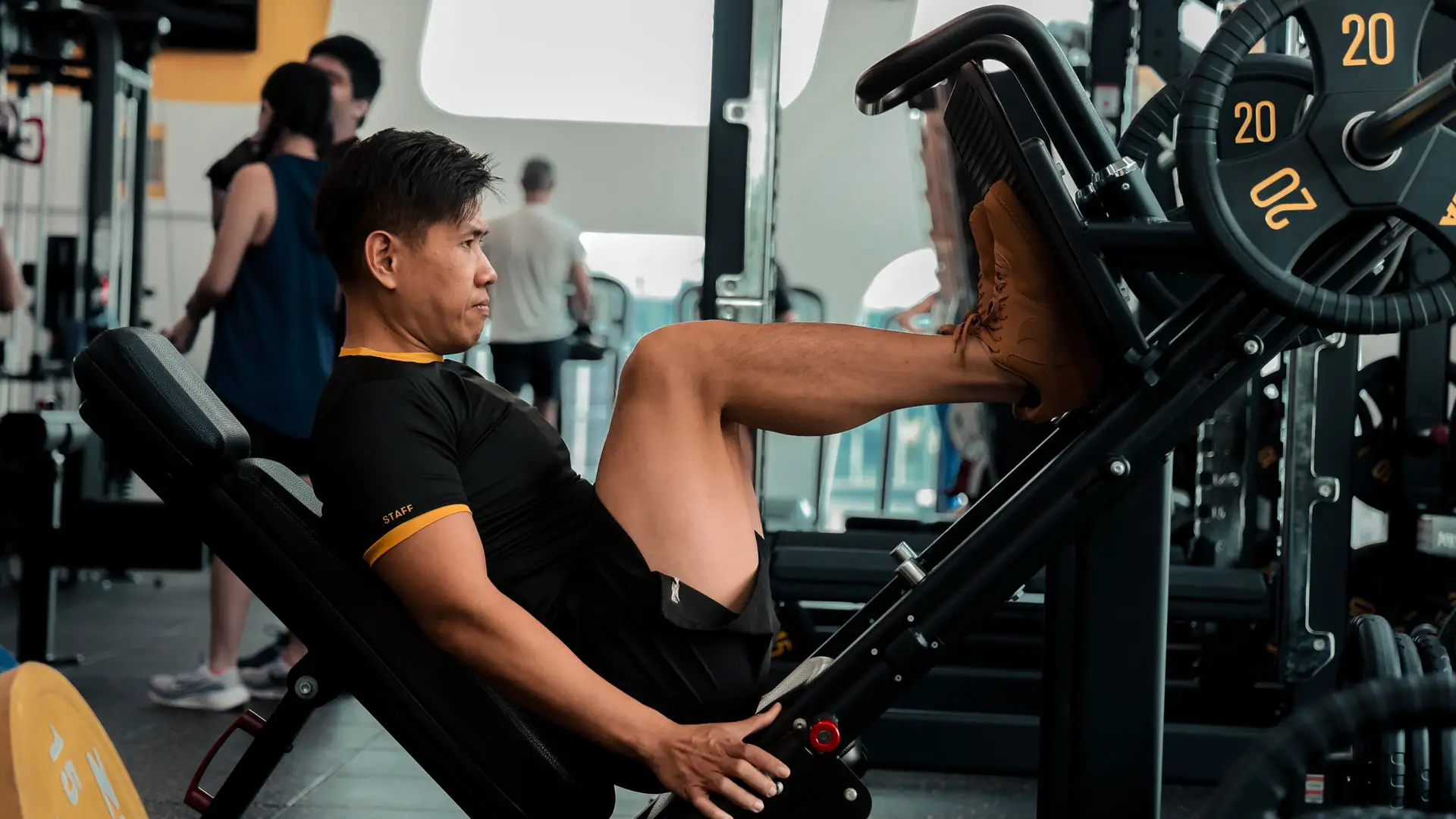
Weight machines guide your movements and provide stability. They are perfect for beginners. Machines help target specific muscles. They reduce the risk of injury. Common examples are the leg press and chest press machines.
Resistance Bands
Resistance bands are lightweight and portable. They come in various resistance levels. You can use them for strength and flexibility training. Bands are great for home workouts. They are cost-effective and easy to store.
Kettlebells
Kettlebells have a unique shape, enhancing grip strength. They are ideal for dynamic exercises. Kettlebells improve endurance and coordination. Popular exercises include swings and Turkish get-ups. They add variety to your routine.
Medicine Balls
Medicine balls are versatile and enhance core strength. They are used for explosive movements. You can perform slams, throws, and twists. Medicine balls improve balance and power. They are great for partner workouts, too.
Functional Training Tools
Functional training tools help improve strength, balance, and coordination. These tools mimic real-life movements for better fitness. They engage multiple muscle groups and boost overall body control. Gyms use these tools to enhance workout variety and effectiveness.
Battle Ropes
Battle ropes build upper body strength and endurance. They offer a full-body workout that increases heart rate. Users swing, slam, and wave the ropes in different patterns. This tool improves grip strength and core stability.
Trx Suspension Trainers
TRX trainers use body weight for resistance exercises. They attach to a secure point and allow many movement options. This tool enhances balance, flexibility, and muscle strength. It suits all fitness levels due to adjustable difficulty.
Plyometric Boxes
Plyometric boxes help train explosive power and agility. Jumping on and off these boxes builds leg strength. They improve speed and coordination through plyometric drills. Users can adjust box height to match skill level.
Sandbags
Sandbags are versatile weights that shift during movement. This instability challenges muscles to work harder. Sandbag exercises develop functional strength and endurance. They are useful for lifting, carrying, and throwing drills.
Agility Ladders
Agility ladders improve foot speed and coordination. Athletes use quick steps and various foot patterns. This tool sharpens reflexes and balance for better performance. It’s great for cardio and neuromuscular training.

Credit: www.yanrefitness.com
Flexibility And Recovery Equipment
Flexibility and recovery equipment plays a crucial role in your fitness routine. These tools help reduce muscle tension, prevent injuries, and speed up recovery after intense workouts. Using the right equipment can improve your range of motion and keep your body feeling fresh and ready for the next session.
Foam Rollers
Foam rollers are excellent for self-myofascial release, which means they help relieve muscle tightness and knots. Rolling out sore muscles increases blood flow and loosens up tissues, making recovery faster. Have you ever felt the relief after using a foam roller on your calves or back? That’s the power of targeted muscle release.
Stretching Straps
Stretching straps allow you to safely extend your reach and deepen your stretches. They’re perfect if you struggle to touch your toes or want to improve hamstring flexibility. Adding straps to your routine can make stretching more effective and reduce the risk of overstretching or injury.
Massage Guns
Massage guns deliver rapid pulses deep into your muscles, breaking down knots and improving circulation. They’re portable and easy to use after workouts or long periods of sitting. Ever tried one? The intense vibration can feel uncomfortable initially but often brings quick relief and relaxation.
Yoga Mats
A quality yoga mat provides a comfortable, non-slip surface for stretching and recovery exercises. It supports your joints during floor work and helps maintain balance during poses. Investing in a good mat makes it easier to stay consistent with your flexibility routine.
Choosing Equipment For Goals
Choosing the right gym equipment depends heavily on your personal fitness goals. Different machines and tools serve unique purposes, so understanding what you want to achieve is crucial. Are you focused on shedding pounds, building muscle, increasing stamina, or recovering from an injury? Your choice of equipment should align perfectly with these objectives.
Weight Loss
If your goal is weight loss, cardio machines like treadmills, ellipticals, and stationary bikes are your best friends. They help burn calories efficiently and improve heart health. Adding interval training using these machines can boost fat burning and keep your workouts interesting.
Don’t overlook tools like jump ropes or kettlebells—they add variety and increase calorie burn. Have you tried mixing strength exercises with cardio? This combo can speed up your metabolism and keep weight off longer.
Muscle Gain
To build muscle, focus on resistance equipment such as free weights, weight machines, and resistance bands. These allow you to target specific muscle groups and progressively increase the load. Consistent increase in weight or resistance challenges your muscles to grow stronger.
Machines like leg presses or chest presses provide stability, making them great for beginners. But don’t shy away from free weights; they engage more muscles and improve coordination. Are you tracking your progress by increasing weights or reps regularly?
Endurance Building
Endurance training requires equipment that promotes prolonged activity with moderate resistance. Rowing machines and spin bikes are excellent for this, offering full-body workouts that build stamina. These machines also improve cardiovascular and muscular endurance simultaneously.
Using lighter weights with higher repetitions can also enhance muscle endurance. How often do you challenge your limits without burning out? Balancing intensity and duration is key to sustainable endurance gains.
Rehabilitation
For rehabilitation, the focus is on low-impact equipment that aids gentle movement and gradual strength recovery. Tools like resistance bands, light dumbbells, and balance balls help rebuild strength without straining injured areas. Machines with adjustable resistance let you control the intensity carefully.
Physical therapists often recommend starting slow and increasing effort based on pain levels. Are you listening to your body’s signals during recovery? Choosing the right equipment can speed healing and prevent further injury.
Safety Tips For Gym Equipment
Using gym equipment safely is essential to avoid injuries and get the most out of your workouts. Even the most durable machines can pose risks if not handled correctly. Paying attention to safety tips will help you stay healthy and confident every time you hit the gym.
Proper Form
Maintaining proper form is key to preventing strains and injuries. Are you paying close attention to how your body moves during each exercise? Small adjustments, like keeping your back straight or aligning your knees properly, can make a huge difference.
If you’re unsure about your form, ask a trainer for help or watch instructional videos. It’s better to start with lighter weights and focus on technique before increasing intensity.
Equipment Maintenance
Have you noticed any loose bolts or worn-out cables on the machines you use? Equipment that isn’t regularly checked can fail unexpectedly and cause harm. Always inspect the gear before starting your workout.
Report any damage or malfunction to gym staff immediately. Clean equipment not only protects your health but also extends the life of the machines you rely on every session.
Warm-up And Cool-down
Do you skip warm-ups because you’re eager to jump into your routine? Warming up prepares your muscles and joints for exercise, reducing the chance of injury. Spend at least 5-10 minutes on light cardio or dynamic stretches before using gym equipment.
Cooling down after your workout is just as important. It helps your heart rate return to normal and prevents stiffness. Simple stretches or slow walking can make your recovery smoother and more comfortable.
Home Gym Essentials
Setting up a home gym can feel overwhelming with so many options available. The key is to focus on essentials that fit your space, budget, and workout style. Choosing the right equipment can keep you motivated and consistent without clutter or overspending.
Space-saving Equipment
Not everyone has a dedicated room for exercise. If your space is limited, look for compact equipment that folds or stores easily.
- Foldable treadmillsoffer a great cardio option without taking up permanent floor space.
- Adjustable dumbbells
- Resistance bands
Have you measured your available workout area? This simple step helps avoid buying bulky gear you can’t comfortably use.
Budget-friendly Options
You don’t need to break the bank to build a functional gym at home. Many affordable tools deliver excellent results.
- Bodyweight exercises require no equipment and still build strength and endurance.
- Jump ropes cost less than $20 and boost cardio fitness effectively.
- Secondhand equipment, like kettlebells or benches, can be found at great prices online or local sales.
What’s your fitness goal? Matching equipment to your needs helps you spend wisely and avoid impulse buys.
Multi-functional Tools
Equipment that serves multiple purposes maximizes your investment and workout variety.
- Adjustable benches that incline, decline, or lay flat support various exercises from presses to step-ups.
- Suspension trainers like TRX use your body weight and can target strength, balance, and flexibility all at once.
- Power towers combine pull-up bars, dip stations, and push-up handles in one compact frame.
Have you tried switching up your routine with versatile gear? Multi-functional tools keep workouts fresh and challenging.
Credit: www.gofit-gym.com
Frequently Asked Questions
What Are The Main Types Of Gym Equipment?
Gym equipment includes cardio machines, strength training machines, free weights, and functional training tools. Each type serves specific fitness goals and helps improve endurance, strength, or flexibility effectively.
How Do Cardio Machines Benefit Gym Workouts?
Cardio machines like treadmills and ellipticals improve heart health, boost stamina, and burn calories. They are ideal for weight loss and cardiovascular fitness.
Why Use Free Weights Over Machines?
Free weights enhance muscle balance, coordination, and flexibility. They engage multiple muscle groups and offer versatile, functional workouts compared to fixed-path machines.
What Is Functional Training Equipment?
Functional training equipment includes kettlebells, medicine balls, and resistance bands. They improve everyday movement, strength, and agility through dynamic, multi-joint exercises.
Conclusion
Choosing the right gym equipment helps you reach fitness goals faster. Each type serves a unique purpose for your body. Mixing machines and free weights creates a balanced workout. Start with what feels comfortable and build from there. Consistency matters more than fancy tools or gear.
Enjoy the process, and your strength will grow. Stay active, stay healthy, and keep moving forward.







