
Are you ready to take your squat game to the next level? The right gym equipment can make all the difference in building strength, improving form, and preventing injury.
Whether you’re a beginner or a seasoned lifter, understanding the best tools for squats will help you maximize your results. Keep reading to discover how the right squat equipment can transform your workouts and help you achieve the powerful legs and core you’ve been working for.
Don’t miss out on these game-changing tips!
Benefits Of Squats
Squats are a fundamental exercise in many workout routines. They offer several benefits that improve overall fitness. Squats help develop muscle, increase strength, and boost athletic ability. This makes them a key move for all gym enthusiasts.
Muscle Groups Targeted
Squats mainly work the lower body muscles. These include:
- Quadriceps (front thigh)
- Hamstrings (back thigh)
- Gluteus muscles (buttocks)
- Calves
- Lower back
Engaging these muscles builds a strong and balanced lower body. Squats also involve core muscles for stability.
Improved Strength And Stability
Squats increase muscle strength in legs and hips. Stronger muscles support better balance and posture. This reduces the risk of injuries in daily activities. Regular squatting also improves joint flexibility and bone health.
Enhanced Athletic Performance
Squats improve power and speed for sports. They help with jumping, running, and quick movements. Strong legs and core boost overall performance. This makes squats essential for athletes and active people.
Types Of Squat Equipment
Squatting is essential for building lower body strength. Different types of equipment can enhance your squat exercises. Each type of squat equipment offers unique benefits. Let’s explore some popular options.
Squat Racks And Power Cages
Squat racks and power cages provide safety and support. They allow for adjustable height settings. This flexibility suits different user needs. These structures help ensure proper form during squats. Power cages often come with safety bars. These prevent injury by catching the weight if you fall. Squat racks and cages are versatile. They are suitable for various exercises beyond squats.
Smith Machines
Smith machines guide your movement on a fixed path. This makes them ideal for beginners. They offer a controlled environment for lifting. The barbell moves along rails. This feature minimizes the risk of imbalance. Users can focus on their technique. Smith machines often include safety catches. These provide extra security during workouts.
Leg Press Machines
Leg press machines target the lower body muscles. They provide a different angle for squats. Users sit and push the weight away with their legs. This exercise strengthens the quads, hamstrings, and glutes. Leg press machines reduce stress on the back. They are suitable for those with back issues. Adjustments can be made for resistance and range of motion.
Squat Platforms And Boxes
Squat platforms and boxes add variety to workouts. They are used for box squats or step-ups. These exercises improve balance and explosiveness. Platforms and boxes come in different heights. This allows for progression as strength improves. They are lightweight and easy to move. This makes them convenient for home gyms or small spaces.
Proper Squat Form
Mastering proper squat form is essential to maximize your workout and avoid injury. Squats target multiple muscle groups, but poor technique can strain your joints and reduce effectiveness. Focus on key elements like foot placement, back and core positioning, and knee alignment to ensure every rep counts.
Foot Placement And Stance
Your feet should be about shoulder-width apart, but this can vary depending on your body type and comfort. Point your toes slightly outward—around 15 to 30 degrees—to help maintain balance and open your hips.
Try this: stand and squat without weights, then adjust your stance until you feel stable and can squat down smoothly. Notice if shifting your feet wider or narrower improves your balance or comfort. What stance feels natural for you?
Back And Core Positioning
Keep your back straight and chest lifted throughout the squat. Avoid rounding or arching your spine, as this can lead to injury. Engaging your core stabilizes your torso and protects your lower back.
Think of your core as a tight belt around your midsection. Tighten it before you lower down and hold it until you stand back up. This extra tension keeps your body aligned and enhances power.
Depth And Knee Alignment
Squat depth should be enough to engage your glutes and thighs but not so deep that your form breaks down. Aim for your thighs to be parallel to the floor or slightly below, depending on your flexibility.
Watch your knees: they should track over your toes, not collapse inward or extend too far forward. If your knees cave in, try to strengthen your hip abductors and adjust your foot placement. How do your knees move as you squat—are they stable?

Credit: www.amazon.ca
Common Squat Variations
Squats are a fundamental exercise for building strength and stability, but did you know there are several squat variations that target different muscles and improve your form? Trying different types can keep your workouts fresh and help you overcome plateaus. Let’s look at some common squat variations that you can add to your routine today.
Back Squat
The back squat is the classic version where the barbell rests on your upper back. This variation primarily works your quads, glutes, and lower back. It’s great for building overall lower-body strength and improving posture.
One tip I learned is to focus on keeping your chest up and core tight to avoid leaning forward. Have you noticed how small adjustments in form can make a big difference in your squat depth and comfort?
Front Squat
In a front squat, the barbell is held in front of your shoulders, resting on your collarbone. This shifts the focus more to your quads and forces you to maintain a more upright torso. Many lifters find this variation easier on the lower back.
Try front squats if you want to improve your core strength and balance. It might feel awkward at first, but with practice, it can greatly enhance your mobility and posture.
Goblet Squat
The goblet squat uses a single dumbbell or kettlebell held close to your chest. It’s perfect for beginners or anyone working on their squat form. This variation encourages a deep squat while keeping your chest lifted.
What I appreciate about goblet squats is how they help you learn to sit back correctly without compromising your balance. Have you tried this as a warm-up or a standalone exercise?
Overhead Squat
The overhead squat requires holding a barbell or weight overhead with locked arms. This is a challenging move that tests your flexibility, balance, and shoulder stability. It’s excellent for athletes looking to improve full-body coordination.
If you’re up for a challenge, adding overhead squats can reveal tight spots in your body that you didn’t know existed. How well can you keep the weight steady while squatting deep?
Using Gym Equipment Safely
Using gym equipment safely is crucial to get the most from your workout without risking injury. Squats, while highly effective, require proper attention to how you set up and use the equipment. Paying close attention to safety can make your sessions more productive and enjoyable.
Setting Up The Equipment
Before you begin, adjust the squat rack to fit your height. The barbell should rest at shoulder level to make lifting on and off easy and safe. Check that the safety pins or bars are locked in place to catch the bar if you need to drop it.
Make sure you load the right amount of weight and secure the plates with collars. A common mistake is to underestimate how much weight you can handle or to skip tightening the collars. Both can lead to accidents.
Spotting Techniques
Having a spotter is a smart way to stay safe during heavy squats. Your spotter should stand behind you, ready to assist if you struggle to lift the weight. Clear communication is key—agree on signals or phrases before you start.
If you don’t have a spotter, consider using safety bars or a squat cage. These tools catch the barbell if you fail the lift, preventing it from falling on you. Have you ever felt unsure about your last rep? Safety bars can give you confidence to push harder.
Preventing Injuries
Warm up thoroughly before loading the bar. Simple bodyweight squats or light sets prepare your muscles and joints, reducing the chance of strains. Don’t rush into heavy lifting without this step.
Focus on your form: keep your back straight, knees aligned with your toes, and go down only as far as your flexibility allows. Poor form puts stress on your joints and spine, leading to injury over time. If you feel pain, stop immediately and reassess your technique.
Stretch and cool down after your session to help your muscles recover. How often do you skip this part? Making it a habit can prevent stiffness and soreness that might keep you from your next workout.
Progressing Your Squat Workout
Progressing your squat workout is essential for building strength and muscle. It helps avoid plateaus and keeps your routine challenging. Small changes over time lead to significant improvements. Focus on controlled progress to reduce injury risk and improve form.
Increasing Weight And Reps
Gradually add weight to your squats to build muscle and strength. Increase the number of repetitions to improve endurance. Avoid large jumps in weight to prevent injury. Aim to add small increments, like 5 pounds or less, each week. Listen to your body and maintain proper form during every squat.
Incorporating Supersets And Circuits
Mix squats with other exercises in supersets to save time and boost intensity. Pair squats with moves like lunges or push-ups for balanced workouts. Circuits combine several exercises with minimal rest, raising your heart rate. This approach builds muscle and improves cardiovascular health. Keep sessions short but challenging for best results.
Tracking Progress
Track your squat workouts to see improvements clearly. Use a notebook or fitness app to record weights, reps, and sets. Note how you feel after each session for better adjustments. Review your progress weekly to set new goals. Tracking keeps you motivated and focused on steady gains.
Common Mistakes To Avoid
Squatting with gym equipment is a powerful exercise, but it’s easy to fall into habits that can limit your progress or even cause injury. Avoiding common mistakes helps you get the most from every rep while staying safe. Let’s look at key errors that often trip up even experienced lifters and how you can steer clear of them.
Rounding The Back
Keeping a straight back during squats is crucial. Rounding your back puts strain on your spine and can lead to serious injury over time.
Focus on engaging your core and pulling your shoulder blades back. Imagine creating a solid, strong line from your neck to your hips.
Have you noticed your back rounding when you get tired? That’s a signal to reduce weight or take a short break to maintain form.
Knees Caving In
Your knees should track in line with your toes throughout the squat. Letting them cave inward increases stress on your joints and weakens your stance.
Try actively pushing your knees outward, even as you squat down. This small adjustment can improve balance and activate the right muscles.
Next time you squat, ask yourself: are your knees stable, or are they drifting? Catching this early prevents bad habits from setting in.
Improper Breathing
Breathing might seem simple, but doing it wrong during squats reduces power and control. Holding your breath or breathing too shallowly can spike blood pressure and cause dizziness.
Inhale deeply before you lower yourself, then exhale as you push back up. This rhythm supports your core and helps maintain steady movement.
Have you tried counting your breaths during squats? It’s a great way to stay focused and keep your breathing consistent throughout your set.

Credit: www.amazon.ca
Accessory Exercises For Squats
Accessory exercises play a crucial role in improving your squat performance. They target muscles that support the primary movement, helping you lift heavier and reduce injury risk. Adding these exercises can transform your squat routine and boost your overall strength.
Hamstring Curls
Hamstring curls focus on the back of your thighs, which are vital for controlling the squat descent and powering the upward movement. Strengthening your hamstrings prevents imbalances that can cause knee pain or strain. Using a hamstring curl machine or resistance bands can provide a controlled way to build this essential muscle group.
Try doing 3 sets of 12-15 reps, focusing on slow, controlled movements. Have you noticed how stronger hamstrings improve your squat depth and stability? That’s the impact of this simple but effective exercise.
Lunges
Lunges mimic the squat’s movement pattern but work each leg independently. This helps fix strength imbalances and improves balance, which is key when handling heavy weights. Walking lunges or stationary lunges both challenge your legs and glutes while engaging your core.
Adding lunges to your routine can increase your squat power and control. You might find your legs feel more balanced and responsive after just a few weeks. How balanced are your legs when you squat? Lunges can reveal and fix hidden weaknesses.
Core Strengthening
Your core stabilizes your entire body during a squat, so a strong midsection is non-negotiable. Exercises like planks, Russian twists, and hanging leg raises build the core muscles that keep your spine safe and your form tight. A weak core can cause you to lean forward or lose balance, reducing squat effectiveness.
Try to add core work 2-3 times a week, aiming for quality over quantity. Notice how improved core strength helps you stay upright and maintain proper posture under heavy loads. What’s your current core routine, and is it helping your squat?
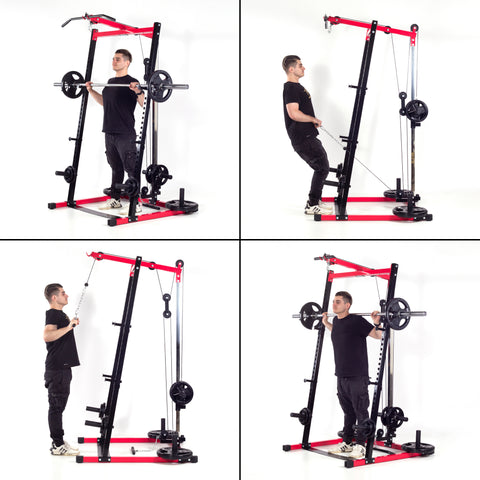
Credit: www.fitnessavenue.ca
Frequently Asked Questions
What Is The Best Gym Equipment For Squats?
The best gym equipment for squats includes squat racks, power cages, and Smith machines. These provide stability and safety. They allow proper form and support heavy weights, reducing injury risk.
How Do I Use Squat Equipment Safely?
Always adjust the equipment to your height and weight. Warm up before starting. Use proper squat form and avoid overloading. Use safety bars or spotters when lifting heavy weights.
Can Squat Machines Improve Leg Strength?
Yes, squat machines target your quads, hamstrings, and glutes effectively. They help isolate muscles and maintain proper form. This leads to improved leg strength and muscle development.
What Muscles Do Gym Equipment Squats Target?
Gym equipment squats mainly target the quadriceps, hamstrings, glutes, and calves. They also engage the core and lower back for stability during the movement.
Conclusion
Squats build strong legs and improve overall fitness. Using gym equipment can help keep your form correct and reduce injury risk. Start with light weights and increase slowly. Consistency is key to seeing good results. Focus on proper technique rather than lifting heavy.
Remember to warm up before each session. Squat exercises fit well into any workout plan. Keep practicing and enjoy the benefits of stronger muscles.







