
Struggling to keep your fitness goals on track? You’re not alone.
Staying motivated can be tough, especially when life gets busy or progress feels slow. But what if you could unlock simple, powerful strategies that boost your drive and make workouts something you actually look forward to? You’ll discover practical tips designed to ignite your motivation and help you stick to your fitness routine—no matter what challenges come your way.
Ready to transform your mindset and see real results? Keep reading.
Set Clear Goals
Setting clear goals is the foundation of staying motivated in your fitness journey. Without a target, it’s easy to lose direction and give up when progress stalls. Defining what you want to achieve helps you focus your energy and measure your success.
Short-term Targets
Short-term targets break your bigger goals into manageable steps. These could be as simple as completing three workouts a week or improving your running pace by 30 seconds. Achieving these smaller wins keeps your momentum alive and boosts confidence.
Think about what you can realistically achieve this week or month. Are you challenging yourself enough without feeling overwhelmed? Setting clear short-term targets helps you stay committed day by day.
Long-term Vision
Your long-term vision gives purpose to your daily efforts. It might be running a marathon, building strength, or fitting into a favorite outfit. This vision should excite you enough to push through tough days.
Picture where you want to be in six months or a year. How does your ideal fitness level look and feel? Having a clear destination makes it easier to plan and adjust your actions.
Tracking Progress
Tracking progress turns your goals into visible proof of success. Use a journal, app, or calendar to note workouts, improvements, and setbacks. This record helps you understand what works and where you need to change.
Have you ever felt stuck but later saw how far you’ve come by looking back? Regular tracking provides that perspective and keeps motivation steady. It’s a simple tool that connects your efforts to real results.
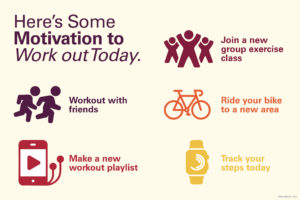
Credit: www.piedmontwellnesscenter.com
Create A Consistent Routine
Creating a consistent routine is key to staying motivated in your fitness journey. Without a steady plan, it’s easy to skip workouts or lose focus. Building a routine helps you make exercise a natural part of your daily life, rather than a chore.
Scheduling Workouts
Set specific days and times for your workouts, just like you would for important meetings. This makes it easier to stick to your plan because you know exactly when to exercise. I found that blocking out my workout time in my calendar stopped me from making excuses and helped me stay committed.
Try to pick times when you feel most energetic. Some people do better in the morning, others in the evening. What time fits your lifestyle best?
Building Habits
Start small and focus on consistency rather than intensity. Doing a 10-minute workout daily is better than a tough session once a week. Over time, these small actions build a habit that feels natural and automatic.
Track your progress with a journal or app to see how far you’ve come. Recognizing your improvements keeps motivation high. What small change can you add today to build your fitness habit?
Overcoming Obstacles
Life throws unexpected challenges that can disrupt your routine. Instead of giving up, find ways to adjust your plan. For example, if you miss a gym session, try a quick home workout or a walk outside.
Identify common obstacles you face and prepare backup plans. This proactive approach keeps you moving forward even on tough days. What obstacles have stopped you before, and how can you work around them?
Find Enjoyable Activities
Finding enjoyable activities boosts fitness motivation significantly. Exercise feels less like a chore and more like fun. This makes it easier to stay consistent. Enjoyment creates a positive mindset toward workouts. It also helps reduce stress and boredom. Choosing activities you like keeps you eager to move.
Mixing Workout Types
Variety keeps exercise fresh and exciting. Try different workouts like walking, swimming, or yoga. Each type challenges your body in new ways. Switching exercises prevents boredom and plateaus. It also helps improve overall fitness. You might discover new favorite workouts along the way.
Exploring New Sports
Trying new sports adds adventure to fitness. Sports like tennis, badminton, or cycling offer fun challenges. They also improve skills like coordination and balance. Joining a beginner class can make learning easier. Sports bring excitement and friendly competition. This keeps motivation high and workouts enjoyable.
Social Exercise Options
Exercising with others creates a strong support system. Group classes or workout buddies add fun to fitness. Social settings encourage accountability and consistency. Sharing goals and progress boosts motivation. Group activities like dance or team sports build connections. This makes workouts feel less like work and more like play.

Credit: www.terrahale.com
Use Positive Reinforcement
Using positive reinforcement can change how you feel about fitness and boost your motivation to keep going. It’s about recognizing your efforts and rewarding yourself in ways that encourage progress. This technique helps you build a positive connection with your workouts, making fitness feel less like a chore and more like a rewarding part of your day.
Reward Systems
Setting up a reward system gives you something to look forward to after completing your workouts. Rewards can be simple, like enjoying your favorite smoothie or watching an episode of a show you love.
Try making a list of small rewards for hitting different milestones, such as finishing a week of workouts or improving your running time. This keeps motivation high and makes your progress tangible.
Self-encouragement
Talking to yourself with kindness and encouragement can shift your mindset during tough workouts. Instead of criticizing yourself for not doing enough, remind yourself of what you have achieved.
Use phrases like “I’m getting stronger” or “Every step counts” to keep your spirits up. This internal pep talk can be the push you need when your energy dips.
Visual Motivation Tools
Visual tools help you track progress and keep your goals in sight. Try using charts, calendars, or apps to mark your workouts and celebrate consistency.
Seeing your progress visually can inspire you to stay on track. Have you ever noticed how checking off a completed workout feels satisfying? That small visual cue can be a powerful motivator.
Leverage Support Networks
Building a strong support network can dramatically boost your fitness motivation. Having others around who share your goals helps you stay accountable and inspired. You might find that the journey feels less daunting and more enjoyable with the right people by your side.
Workout Partners
Working out with a partner can keep you committed even on days when your energy is low. A friend or family member can challenge you to push harder and celebrate your progress. Have you noticed how much easier it is to stick with a routine when someone is counting on you?
Choose someone whose fitness level matches yours or who encourages you to improve without pressure. Scheduling regular sessions together creates a habit that’s harder to skip. Plus, sharing the experience makes workouts more fun and less like a chore.
Fitness Communities
Joining a fitness community connects you with people who understand your struggles and triumphs. These groups can be local classes, online forums, or social media pages focused on fitness. They offer advice, share success stories, and provide motivation when your enthusiasm dips.
Engaging in community challenges or group events can spark a sense of friendly competition. It also reminds you that you’re part of something bigger than yourself. Have you ever felt a surge of motivation just by reading others’ progress?
Professional Guidance
Working with trainers or coaches brings expert knowledge to your fitness routine. They tailor workouts to your needs and help you set realistic goals. This guidance can prevent injuries and ensure steady progress, making your efforts feel more effective.
Professionals also offer encouragement when you hit plateaus or face setbacks. Their feedback helps you stay focused and motivated. Could having a fitness expert in your corner be the key to reaching your next milestone?
Focus On Mindset
Your mindset plays a crucial role in staying motivated for fitness. It shapes how you approach challenges and helps you push through tough days. Focusing on your mindset means training your brain to support your goals, not doubt them.
Building Discipline
Discipline is the foundation of long-term fitness success. It’s not about motivation every day but creating habits that keep you moving forward even when you don’t feel like it.
Try setting small daily goals like a 10-minute walk or a simple stretch routine. These tiny wins build a routine that feels natural over time.
Ask yourself: What small action can you commit to right now that won’t feel overwhelming? Starting small makes discipline easier to maintain.
Managing Setbacks
Setbacks are normal and don’t mean failure. How you respond to them matters more than the setback itself.
When you miss a workout or slip up on your diet, avoid harsh self-judgment. Instead, reflect on what caused it and plan your next step.
Imagine your fitness journey as a path with bumps, not a straight line. How will you get back on track after a stumble? That mindset helps you bounce back faster.
Cultivating Patience
Fitness results don’t happen overnight. Patience helps you stay consistent without getting frustrated by slow progress.
Focus on daily effort rather than immediate rewards. Celebrate small improvements like increased energy or better mood as signs you’re moving forward.
Think about what would happen if you gave up too soon. How can patience become your secret weapon for lasting change?
Track Nutrition And Rest
Tracking nutrition and rest plays a key role in keeping fitness motivation high. Proper food choices fuel the body for workouts. Rest helps muscles recover and grow stronger. Together, they create a solid foundation for ongoing fitness progress.
Balanced Diet Tips
Eat a mix of proteins, carbs, and healthy fats daily. Proteins repair muscles and keep you full. Carbs provide energy for exercise. Healthy fats support brain and heart health. Include colorful fruits and vegetables for vitamins and minerals.
- Choose lean meats, beans, or tofu for protein
- Opt for whole grains like brown rice or oats
- Avoid processed foods high in sugar and salt
- Snack on nuts or yogurt for healthy fats
Importance Of Sleep
Sleep restores energy and helps muscle recovery. Lack of sleep causes tiredness and less focus. Aim for 7 to 9 hours every night. Create a bedtime routine to relax. Avoid screens and heavy meals before sleeping.
- Keep a consistent sleep schedule
- Make your bedroom dark and quiet
- Limit caffeine and large meals in the evening
Hydration Habits
Water supports all body functions during exercise. Dehydration lowers energy and slows recovery. Drink water before, during, and after workouts. Carry a bottle to remind yourself to sip often.
- Aim for 8 glasses of water daily
- Choose water over sugary drinks
- Eat water-rich foods like cucumbers and watermelon

Credit: www.ativafit.com
Frequently Asked Questions
How Can I Stay Motivated To Exercise Regularly?
Set clear goals, track progress, and reward yourself. Find workouts you enjoy and vary routines to avoid boredom. Consistency and positive mindset help maintain long-term motivation.
What Are Effective Ways To Overcome Fitness Plateaus?
Change your workout intensity, try new exercises, and focus on rest and recovery. Adjusting your diet and setting new goals also help break plateaus.
How Do I Create A Sustainable Fitness Routine?
Plan workouts that fit your schedule, include variety, and start with manageable intensity. Consistency, gradual progress, and listening to your body ensure sustainability.
Can Social Support Improve Fitness Motivation?
Yes, exercising with friends or joining groups increases accountability and enjoyment. Social support boosts motivation and helps maintain regular exercise habits.
Conclusion
Staying motivated in fitness takes small, steady steps. Set clear goals and track your progress. Find activities you enjoy to keep it fun. Celebrate small wins to boost your confidence. Surround yourself with positive support from friends or groups. Remember, consistency beats intensity every time.
Keep moving forward, even on tough days. Fitness is a journey, not a race. Stay patient and kind to yourself along the way. Your effort today builds a healthier tomorrow. Keep going—you can do this!







