
Are you ready to transform your basement into the ultimate home gym? Imagine having a personal workout space just steps away, where you can exercise anytime without distractions.
Creating a home gym in your basement is easier than you think, and it can save you time and money while boosting your motivation. You’ll discover smart ideas to make the most of your basement space, choose the right equipment, and design a gym that fits your style and fitness goals.
Keep reading to unlock the secrets to building your perfect home gym basement!
Choosing The Right Basement Space
Choosing the right basement space is a crucial first step in creating a home gym that you’ll actually use. Not every basement corner will work well for workouts, so it’s important to evaluate the space carefully before you start setting up equipment. Think about how much room you really need and what conditions will keep your gym comfortable and safe.
Assessing Available Square Footage
Start by measuring your basement’s total square footage. You need enough space not just for equipment, but also for moving around freely. A compact treadmill or a set of free weights requires less room than a full yoga or CrossFit setup.
Consider your workout style. Do you prefer high-intensity interval training that needs floor space? Or strength training with machines and benches? Knowing this helps avoid overcrowding and frustration.
Checking Ceiling Height And Lighting
Low ceilings can limit the types of exercises you can do. Make sure there’s enough headroom, especially if you plan on doing overhead lifts or jumping exercises. A ceiling height of at least 7 feet is ideal.
Lighting affects mood and energy. Basements often lack natural light, so think about adding bright, warm LED lights. Adjustable lighting can create a motivating atmosphere for both early morning and late-night workouts.
Ensuring Proper Ventilation And Insulation
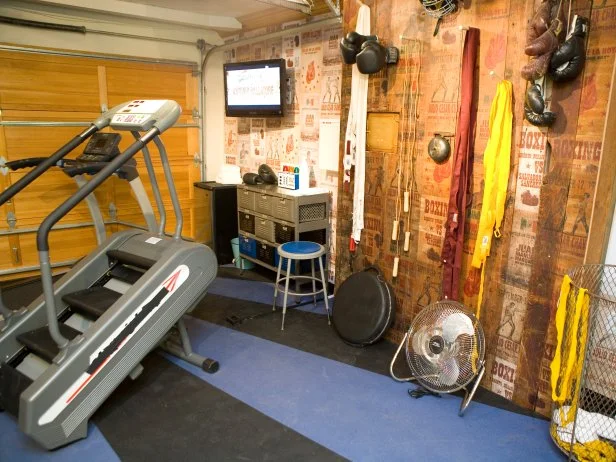
Basements tend to be damp and stuffy, which can make workouts uncomfortable. Ventilation is key—check if there are windows or vents that can be opened. A portable fan or dehumidifier can also improve air quality.
Good insulation keeps the basement warm in winter and cool in summer, making your gym usable year-round. Pay attention to any cold spots or drafts, as they could distract you during workouts or even cause equipment damage.
Credit: www.hgtv.com
Designing A Functional Layout
Creating a basement home gym requires careful space planning to keep workouts safe and comfortable. Arrange equipment to allow easy movement and good ventilation for better exercise sessions.
Designing a home gym in your basement requires a thoughtful layout. You want a space that’s functional and inviting. This helps you stay motivated and focused during workouts. With the right planning, your basement gym can be both efficient and stylish.Zoning Workout Areas
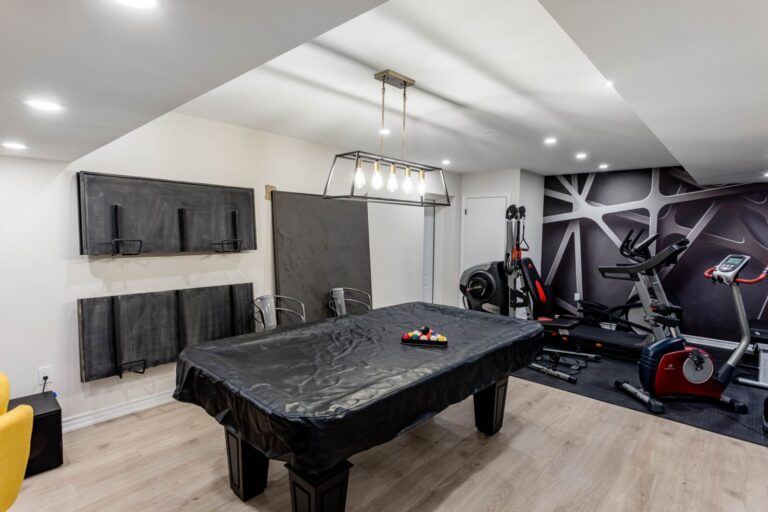
Create distinct zones for different exercises. Designate one area for cardio machines. Reserve another for strength training with weights and benches. This separation helps maintain organization. It also prevents overcrowding. Use dividers or rugs to define spaces. This gives each zone a specific purpose.Maximizing Storage Solutions
Efficient storage is key in a basement gym. Use shelves and hooks to store equipment. Wall-mounted racks keep items off the floor. This maximizes floor space. Consider multi-purpose furniture with hidden storage. This keeps the gym tidy and clutter-free.Incorporating Mirrors And Flooring
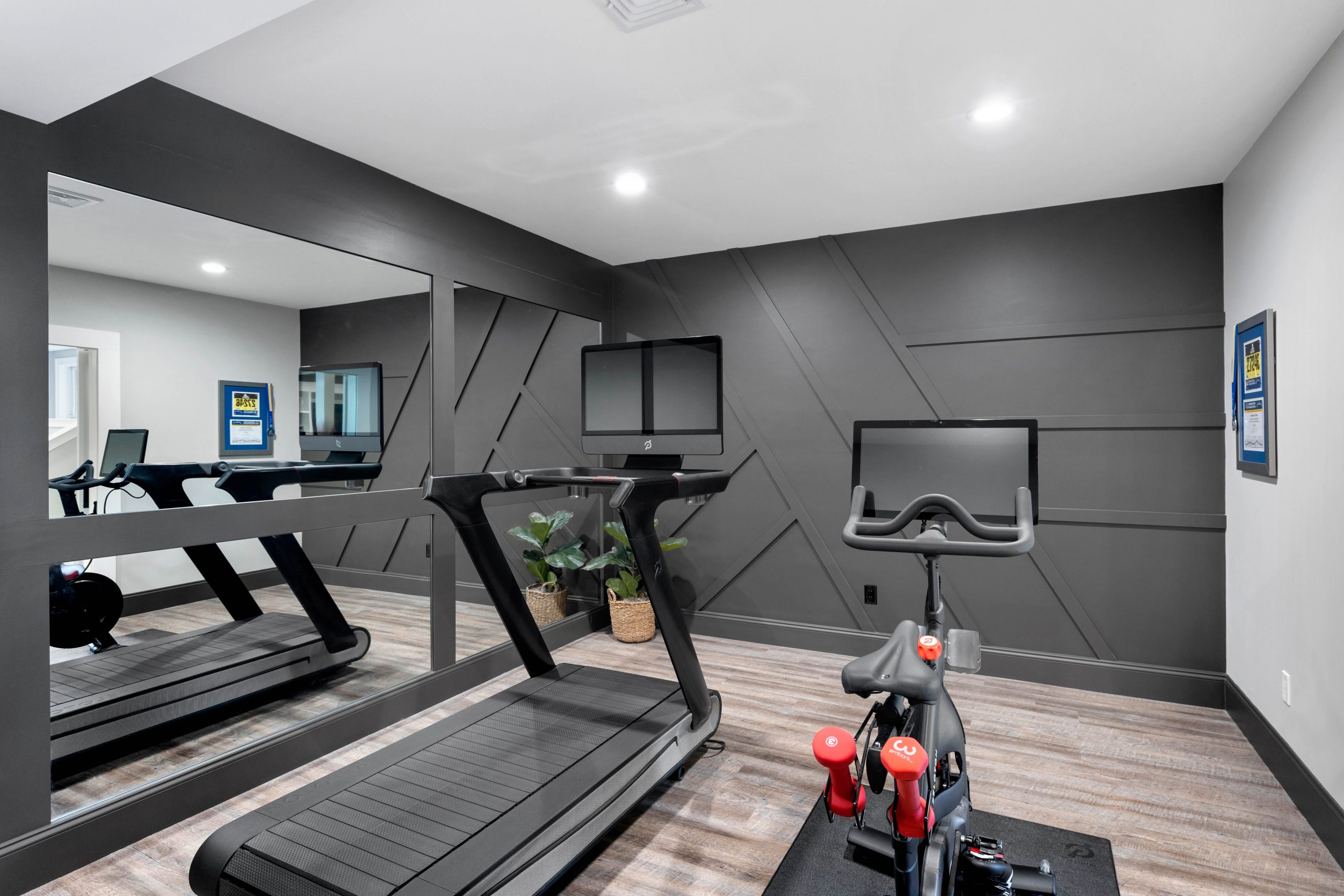
Mirrors make the space feel larger. They also help you monitor your form. Install full-length mirrors on one wall. Choose durable flooring like rubber mats. They provide cushioning and reduce noise. This ensures comfort and safety during workouts.Selecting Essential Equipment
Choosing the right equipment for a basement home gym shapes your workout success. Focus on essentials that fit your space and fitness goals. Select gear that offers versatility and saves room.
Think about the type of exercises you enjoy. Balance cardio, strength, and flexibility tools. This mix keeps workouts fresh and effective. Start with basics, then add more as needed.
Cardio Machines For Small Spaces
Cardio boosts heart health and burns calories. Pick machines that fit tight areas. Compact options work well in basements.
- Foldable treadmills save floor space.
- Stationary bikes with a small footprint.
- Rowing machines that stand upright for storage.
- Jump ropes for easy, no-equipment cardio.
Strength Training Gear
Strength gear builds muscle and tones your body. Choose items that store easily and offer many uses.
- Adjustable dumbbells replace many weights.
- Resistance bands add variety without bulk.
- Kettlebells for dynamic movements.
- Compact benches or foldable racks.
Flexibility And Recovery Tools
Stretching and recovery prevent injury and ease soreness. Include simple tools for better mobility.
- Foam rollers for muscle massage.
- Yoga mats for stretching and floor exercises.
- Stretch straps to improve flexibility.
- Massage balls to target tight spots.
Credit: www.renoduck.com
Creating An Inviting Atmosphere
Creating an inviting atmosphere in your basement home gym sets the tone for every workout. It’s about making a space where you feel motivated, comfortable, and energized to push through your routines. The right atmosphere can turn a dull basement into a personal fitness haven.
Choosing Color Schemes
Colors affect your mood and energy levels more than you might think. Bright, warm tones like reds and oranges can boost your energy, while cool colors like blues and greens help with focus and calmness.
Think about what motivates you personally. If you want to feel energized, try a bold accent wall with red or orange. If you prefer a peaceful environment, soft blues or greens work well. You can also mix neutral shades with a pop of color to keep the space balanced and inviting.
Adding Motivational Decor
Decorate your gym with items that inspire you to keep going. Posters with motivational quotes, pictures of your fitness goals, or even a vision board can keep your mind focused.
Adding personal touches makes the space feel like yours. I once placed a framed photo of a marathon finish line on my wall—it reminded me daily why I train hard. What images or words push you forward?
Optimizing Lighting For Energy
Lighting can make or break your workout mood. Natural light is ideal, but many basements lack windows. Use bright, daylight-spectrum bulbs to mimic sunlight and keep your energy up.
Layer your lighting with overhead lights, task lighting for specific zones, and even colored LED strips for a dynamic feel. Adjustable lighting helps you switch between intense workouts and cool-down stretches. Have you noticed how a well-lit room makes exercise feel less like a chore?
Safety And Maintenance Tips
Creating a home gym in your basement needs careful attention to safety and upkeep. A well-maintained space reduces risks and keeps equipment working longer. Focus on moisture control, equipment checks, and emergency plans. These steps protect your investment and ensure a safe workout environment.
Moisture Control And Waterproofing
Basements often have moisture problems. Moist air can damage gym gear and cause mold growth. Use a dehumidifier to keep air dry. Seal walls and floors with waterproof paint or sealant. Check for leaks around windows and pipes regularly. Install proper drainage outside to prevent water seepage. A dry basement protects your health and your equipment.
Regular Equipment Checks
Inspect your gym equipment weekly. Look for loose bolts, worn cables, and cracks. Clean machines to avoid dust build-up. Lubricate moving parts to reduce wear. Replace broken or damaged parts immediately. Keep floors clear of clutter to prevent tripping. Regular checks increase safety and extend equipment life.
Emergency Preparedness
Prepare your basement gym for emergencies. Install smoke and carbon monoxide detectors nearby. Keep a fire extinguisher easily accessible. Have a first aid kit stocked and visible. Plan clear exit routes in case of fire or other dangers. Teach family members how to shut off electrical power quickly. Being ready helps avoid accidents and injury.
Budget-friendly Upgrades
Creating a home gym in your basement doesn’t have to drain your wallet. Budget-friendly upgrades can transform an unused space into a functional workout area without sacrificing quality or style. With a little creativity, you can make smart choices that save money and still meet your fitness needs.
Diy Equipment Ideas
You don’t need expensive machines to get a solid workout. Building your own equipment can be both fun and cost-effective. Try making a sandbag for weight training using old duffel bags and sand from a hardware store.
Resistance bands can be fashioned from strong inner tubes or bike tire tubes, giving you a great way to add strength exercises. Consider a DIY pull-up bar using sturdy pipes mounted between two walls; it’s simple and reliable.
Affordable Flooring Options
Good flooring protects your joints and your basement floor, but it doesn’t have to be pricey. Interlocking foam tiles offer cushioning and are easy to install yourself. They come in various thicknesses and colors to fit your style and workout needs.
Rubber mats designed for gyms can also be found at affordable prices at home improvement stores or online marketplaces. If your budget is tight, consider using carpet remnants or yoga mats for areas where you do floor exercises.
Smart Use Of Secondhand Items
Look beyond new gear and explore thrift stores, garage sales, and online classifieds for hidden gems. I once found a nearly new weight bench at a fraction of the retail price that became the centerpiece of my basement gym.
Old furniture can be repurposed too. A sturdy wooden chair can serve as a step-up platform, and a heavy-duty broom handle can double as a barbell for bodyweight exercises. Don’t underestimate the value of secondhand items; they often come with unique character and durability.
Credit: www.jmconstructionco.com
Frequently Asked Questions
How Do I Start A Home Gym In My Basement?
Begin by measuring your basement space to plan equipment placement. Choose versatile, space-saving gear like dumbbells and resistance bands. Ensure proper lighting and ventilation. Add mirrors to create a spacious feel. Prioritize safety with non-slip flooring and clear pathways.
What Are The Best Flooring Options For Basement Gyms?
Rubber flooring is ideal for basement gyms as it cushions impact and resists moisture. Foam tiles offer comfort and are easy to install. Avoid carpet due to potential mold issues. Consider durability, ease of cleaning, and sound absorption when choosing flooring.
How Can I Improve Basement Gym Lighting?
Use bright, energy-efficient LED lights to illuminate your basement gym. Incorporate multiple light sources like overhead fixtures and wall sconces. Add mirrors to reflect light and enhance brightness. Choose daylight bulbs for a natural feel. Avoid harsh fluorescent lighting.
What Equipment Is Essential For A Basement Home Gym?
Start with adjustable dumbbells, resistance bands, and a yoga mat for versatile workouts. Include a bench and a stability ball for strength and balance training. If space allows, add a treadmill or stationary bike for cardio. Choose compact, multi-use equipment to save space.
Conclusion
Creating a home gym in your basement is a smart choice. It saves time and money on gym visits. You can exercise anytime that fits your schedule. Use simple equipment to start, like weights or a yoga mat. Keep the space clean and well-lit for safety.
Personalize it with your favorite music or posters. This makes workouts more fun and motivating. A basement gym helps you stay healthy and strong at home. Start small, stay consistent, and enjoy your fitness journey.







