
Starting your fitness journey can feel overwhelming. You might wonder where to begin or worry about making mistakes.
But what if you had simple, clear tips that make getting fit easier and more enjoyable? This guide is made just for you. It will help you build good habits, avoid common pitfalls, and stay motivated every step of the way.
Keep reading to discover the secrets that can turn your fitness goals into real results—without confusion or frustration. Your best self is closer than you think.
Setting Realistic Goals
Setting realistic goals is the foundation of a successful fitness journey. Without clear, achievable targets, it’s easy to feel overwhelmed or lose motivation. Your goals should challenge you but also be within reach, helping you build confidence with every step forward.
Short-term Vs Long-term Goals
Short-term goals keep you motivated by providing quick wins. These could be as simple as completing three workouts a week or improving your plank time by 10 seconds. They act like checkpoints, showing you progress regularly.
Long-term goals give your fitness journey direction. Maybe you want to run a 5K in six months or lose 15 pounds by the end of the year. These goals require patience and consistent effort but make your daily actions meaningful.
Ask yourself: Are your short-term goals stepping stones toward your bigger ambitions? If not, adjust them so they align well. This way, every small success feeds into the bigger picture.
Tracking Progress Effectively
Tracking progress turns your goals from vague ideas into clear results. Use a simple journal or an app to note workouts, reps, or how you feel after exercise. This habit helps you see what’s working and what needs changing.
Don’t rely solely on the scale. Pay attention to how your clothes fit, your energy levels, and improvements in strength or endurance. These indicators provide a fuller view of your progress.
Try setting reminders to review your progress weekly. This keeps you honest with yourself and lets you celebrate small victories. What’s one way you can start tracking your fitness journey today?
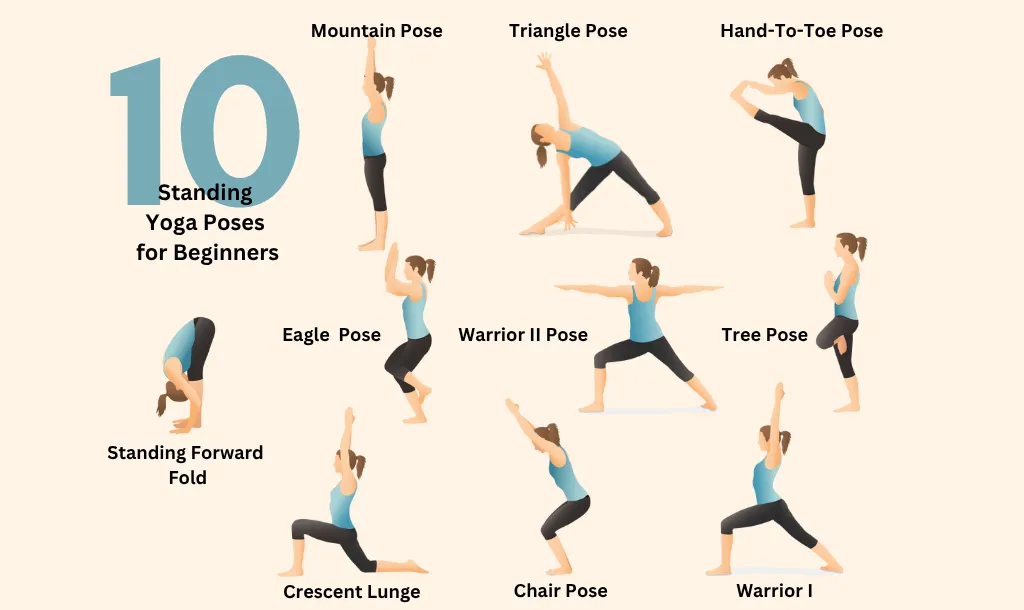
Credit: myyogateacher.com
Choosing The Right Workout
Choosing the right workout is a crucial step for fitness beginners. It shapes your routine, keeps you motivated, and helps you avoid injury. The key is to find exercises that fit your lifestyle, interests, and goals.
Cardio Options For Beginners
Cardio exercises get your heart pumping and improve endurance. Walking is a great starting point—easy to do and gentle on your joints. If you want more challenge, try cycling or swimming; both provide excellent full-body workouts without harsh impact.
Consider activities you enjoy. If you like music, dancing might be your perfect cardio. Ask yourself: What keeps me moving without feeling bored?
Strength Training Basics
Strength training helps build muscle and boost metabolism. You don’t need heavy weights to start—bodyweight exercises like squats, push-ups, and lunges work well. These moves improve your form and prepare you for more advanced workouts later.
Start with 2-3 sessions a week, focusing on proper technique rather than speed or weight. Have you tried simple routines that challenge your muscles but don’t leave you exhausted?
Flexibility And Mobility Exercises
Flexibility and mobility exercises increase your range of motion and prevent stiffness. Stretching after workouts is common, but dedicating time to yoga or Pilates can enhance your overall movement.
Begin with gentle stretches targeting your major muscle groups. Can you feel the difference in your body after a few minutes of stretching? Consistent practice supports better posture and reduces injury risk.
Creating A Balanced Routine
Creating a balanced routine is key to staying motivated and making steady progress in your fitness journey. It prevents burnout and keeps your workouts interesting. Finding the right mix of activities and knowing when to rest can make all the difference in how your body responds and recovers.
Mixing Different Exercise Types
Combining various exercise types helps you build overall strength, improve flexibility, and boost endurance.
- Cardio:Activities like walking, cycling, or swimming raise your heart rate and improve stamina.
- Strength training:Using weights or bodyweight exercises strengthens muscles and supports bone health.
- Flexibility work:Stretching or yoga enhances mobility and reduces injury risk.
Try to include at least two types in your weekly routine. This variety keeps workouts fresh and targets different muscle groups. Have you noticed how switching between activities keeps you more engaged?
Scheduling Rest Days
Rest days are not a sign of weakness—they are essential for muscle repair and growth.
Without enough rest, you might feel tired or lose motivation. Plan rest days based on how your body feels, not just the calendar.
- Light activities like walking or gentle stretching can be part of active rest.
- Aim for at least one or two full rest days each week.
Listening to your body helps you avoid overtraining and injury. What signals does your body send when it needs a break?

Credit: www.fitandwell.com
Nutrition Tips For Beginners
Nutrition plays a huge role in your fitness journey. It fuels your workouts and supports muscle recovery. If you’re just starting out, knowing what to eat and when can make a big difference in how you feel and perform.
Basic Nutritional Guidelines
Focus on whole foods like vegetables, fruits, lean proteins, and whole grains. These provide essential vitamins and minerals your body needs to stay energized.
Drink plenty of water throughout the day to stay hydrated. Sometimes, what feels like hunger is actually thirst.
Try to balance your meals with a good mix of protein, carbs, and healthy fats. This helps keep your energy steady and supports muscle growth.
Pre- And Post-workout Meals
Eating before a workout gives you the energy to push through your session. Choose something light, like a banana with peanut butter or yogurt with berries, about 30 to 60 minutes before exercising.
After your workout, your body needs nutrients to recover. A meal or snack with protein and carbs—such as grilled chicken with rice or a smoothie with protein powder and fruit—helps repair muscles and replenish energy stores.
Have you noticed how eating certain foods before or after exercise changes how you feel? Experiment with timing and food choices to find what works best for you.
Staying Motivated
Staying motivated is key to keeping a fitness routine alive. Many beginners start strong but lose drive fast. Motivation helps push through tough days and keeps progress steady. It creates a habit that lasts beyond the first few weeks.
Building A Support System
Having others around who encourage you makes a big difference. Friends, family, or workout groups can cheer you on. Sharing your goals with someone adds a layer of responsibility.
- Join local fitness classes or online communities.
- Find a workout buddy to exercise together.
- Celebrate small wins with your support group.
This network helps during low-motivation moments and keeps energy high.
Overcoming Common Challenges
Fitness beginners face many hurdles like time limits and fatigue. Recognizing these challenges helps prepare solutions. Small setbacks don’t mean failure; they are part of the journey.
- Set realistic goals to avoid frustration.
- Schedule workouts at convenient times.
- Mix different exercises to stay interested.
- Rest well to recover energy.
- Track progress to see improvement clearly.
Handling these obstacles builds confidence and keeps motivation alive.
Tracking And Adjusting Your Plan
Tracking your progress and adjusting your fitness plan helps you stay on course. It reveals what works and what needs change. Recording workouts and feelings supports better decisions. Flexibility in your plan avoids plateaus and injuries. This process keeps your routine effective and motivating.
Listening To Your Body
Pay close attention to how you feel during exercises. Notice signs of pain, fatigue, or discomfort. Rest if you feel sharp pain or unusual soreness. Your body signals when it needs a break. Avoid pushing through pain to prevent injuries.
Celebrate small improvements like more energy or better mood. These are good signs your plan works. Adjust rest days based on your recovery speed. Balance activity with rest to improve steadily.
When To Increase Intensity
Raise exercise intensity when workouts feel too easy. You should feel challenged but not exhausted. Increase weight, speed, or duration gradually. Avoid big jumps that may cause strain.
Use these signs to increase intensity:
- You finish workouts without much effort.
- You recover quickly between sets.
- You no longer feel muscle soreness after sessions.
Adjusting intensity helps build strength and endurance. It keeps your fitness journey exciting and effective.
Avoiding Common Mistakes
Avoiding common mistakes is key for fitness beginners. Mistakes can slow progress and cause harm. Learning the right habits early helps build a strong foundation. Focus on safe, effective practices to enjoy fitness for life.
Preventing Injuries
Injuries stop progress and cause pain. Warm up before workouts to prepare muscles. Stretch gently to improve flexibility. Use correct form to protect joints and muscles. Start with light weights and simple moves. Rest if you feel sharp or lasting pain. Wearing proper shoes supports your feet and ankles.
Avoiding Overtraining
Too much exercise can tire the body and mind. Overtraining leads to fatigue, poor sleep, and low motivation. Schedule rest days to let muscles recover. Balance cardio, strength, and flexibility workouts. Listen to your body’s signals and adjust intensity. Quality rest improves strength and reduces injury risk.
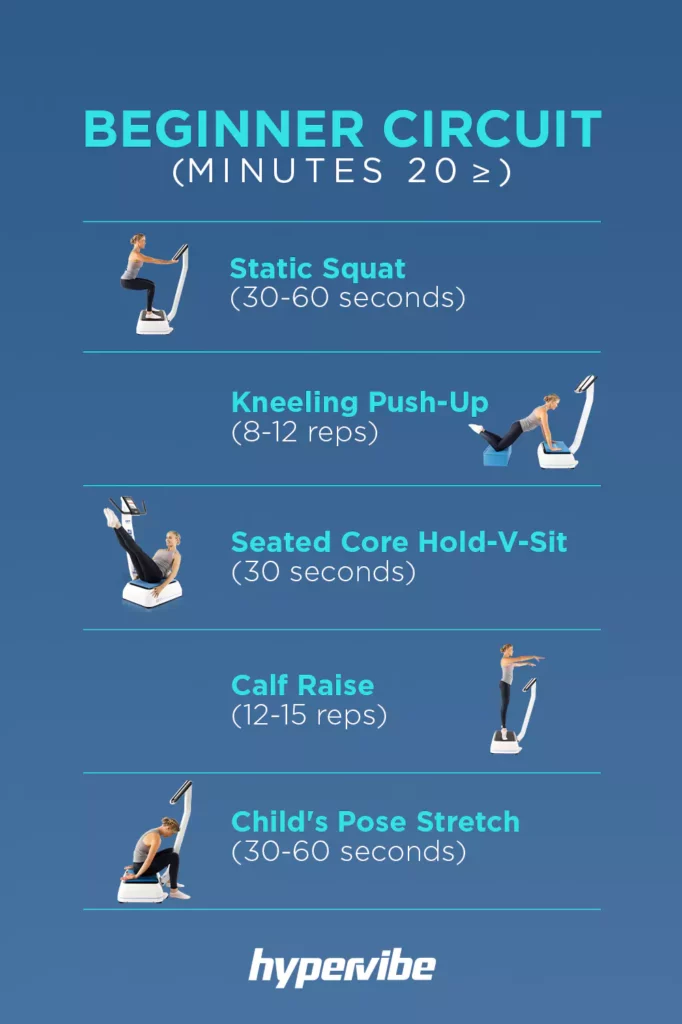
Credit: www.hypervibe.com
Frequently Asked Questions
What Are The Best Exercises For Fitness Beginners?
Start with low-impact exercises like walking, cycling, and bodyweight workouts. These build endurance and strength gradually without injury risk.
How Often Should Beginners Exercise Weekly?
Aim for 3 to 4 sessions per week. Consistency helps build habits and improves overall fitness steadily.
What Diet Tips Help Fitness Beginners Succeed?
Focus on balanced meals with protein, healthy fats, and carbs. Stay hydrated and avoid processed foods for better results.
How Can Beginners Stay Motivated To Exercise?
Set clear, realistic goals and track progress. Mix workouts to keep them fun and join groups for support.
Conclusion
Starting fitness can feel hard, but small steps help a lot. Stay consistent and patient with your progress. Choose activities you enjoy to keep motivation high. Listen to your body and rest when needed. Set simple goals and celebrate each success.
Fitness is a journey, not a race. Keep moving forward, and results will come. Remember, every effort counts toward a healthier you.







