
Are you ready to take control of your fitness without leaving your house? Setting up a home gym can be easier than you think, and it’s the key to staying motivated and saving time.
Imagine having a workout space tailored just for you—no crowded gyms, no waiting for machines, and no excuses. In this guide, you’ll discover simple steps to create your perfect home gym, no matter your space or budget. Keep reading, and you’ll be one step closer to reaching your fitness goals from the comfort of your own home.
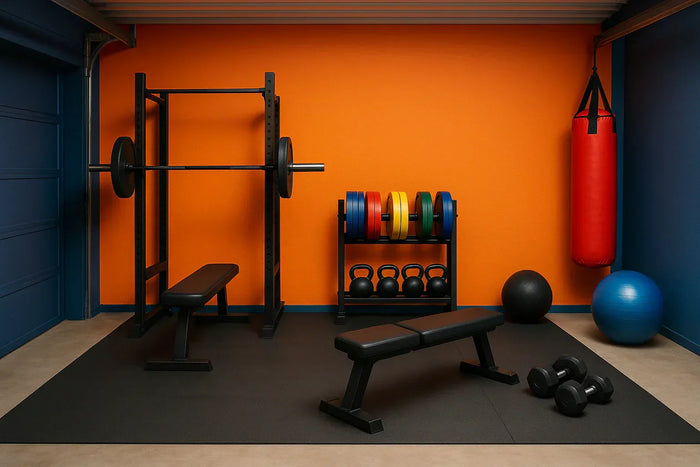
Credit: braingain.fit
Choosing The Right Space
Choosing the right space is the foundation of building an effective home gym. It affects your motivation, workout quality, and how often you actually use the gym. Picking a spot that fits your needs ensures your fitness routine becomes a natural part of your day.
Assessing Available Room
Start by measuring the space you have. Think about how much equipment you want and the movements you’ll do. You don’t want to feel cramped or risk injury by bumping into walls or furniture.
Look beyond obvious places like the garage or spare bedroom. Could a corner in your living room or basement work? Sometimes, small changes like clearing out a closet or rearranging furniture can create enough space.
Considering Ventilation And Lighting
Good airflow keeps your gym fresh and helps you stay cool during tough workouts. If your chosen spot has windows, open them often or add a fan to improve circulation.
Lighting matters too. Natural light boosts mood and energy, but bright overhead lights or adjustable lamps can work well if sunlight isn’t an option. Have you noticed how dim rooms make you less motivated?
Minimizing Noise And Distractions
Noise can kill your workout focus, especially if you share your home with others. Choose a space where you won’t disturb family or neighbors or be distracted by household noises.
Try using rugs or foam mats to absorb sound, and consider noise-canceling headphones if external sounds bother you. Creating a quiet zone signals your brain that it’s time to concentrate on your fitness.

Credit: www.reddit.com
Essential Equipment Selection
Choose basic gear like dumbbells, a mat, and resistance bands to cover many exercises. Focus on space-saving and versatile items for easy home workouts. Select equipment that matches your fitness goals and available room.
Setting up a home gym is an exciting journey toward achieving your fitness goals right from the comfort of your home. The key to a successful setup lies in selecting the right equipment that suits your fitness needs and space constraints. This section guides you through essential equipment selection to ensure you have a well-rounded home gym that caters to cardio, strength training, and recovery.Cardio Machines
Cardio machines are crucial for building endurance and burning calories. Treadmills and stationary bikes are popular choices, offering a range of intensity levels and workout programs. If space is a concern, consider a compact elliptical or a foldable treadmill that can be easily stored when not in use. Another option to think about is a rowing machine, which provides a full-body workout and takes up less space than you might expect. The rhythmic motion can be meditative, helping you relieve stress after a long day. Which cardio machine aligns best with your fitness goals and available space?Strength Training Gear
Strength training is essential for building muscle and improving overall fitness. Start with adjustable dumbbells, as they offer versatility for different exercises and save space. A kettlebell set can also be a valuable addition, providing dynamic workouts that challenge your balance and strength. A weight bench is a great investment if you have the room, allowing for exercises like bench presses and rows. If space is limited, resistance bands can be an effective alternative, offering a range of resistance levels to mimic weight training. How will you incorporate strength training into your routine?Flexibility And Recovery Tools
Flexibility and recovery tools are often overlooked but play a critical role in preventing injury and enhancing performance. A yoga mat is a must-have for stretching, yoga, or Pilates sessions. Foam rollers are excellent for self-massage and muscle recovery, helping to alleviate soreness and improve blood flow. Consider adding a set of yoga blocks and a strap to assist with deeper stretches and improved flexibility. These tools are inexpensive and require minimal space, making them a perfect addition to any home gym setup. What flexibility and recovery tools will you prioritize for your post-workout routine? Remember, setting up a home gym is a personal journey. Tailor your equipment selection to match your lifestyle and fitness aspirations.Budget-friendly Options
Setting up a home gym doesn’t have to drain your wallet. There are plenty of budget-friendly options that help you build a functional workout space without overspending. Focusing on what truly matters and getting creative can save you a lot of money while still delivering great results.
Prioritizing Key Items
Focus on equipment that offers versatility and supports the exercises you enjoy most. Dumbbells, resistance bands, and a sturdy mat are often the best starting points. They don’t take up much space and allow you to perform a wide range of workouts.
Ask yourself: which exercises form the core of your routine? Buy equipment that helps you do those well. Avoid splurging on fancy machines that you might rarely use.
Buying Used Vs New
Used equipment can be a goldmine for saving money. Check online marketplaces, thrift stores, or local garage sales for items like kettlebells, benches, or even treadmills. You might find nearly new gear at a fraction of the price.
Be cautious about condition—inspect for rust, wear, and safety issues before purchasing. Sometimes a little cleaning or tightening bolts can make used gear as good as new. Would you rather invest that saved cash into accessories or workout apps instead?
Diy Equipment Ideas
Simple homemade equipment can boost your gym setup without emptying your wallet. Use filled water bottles or sandbags as weights. Create a pull-up bar with sturdy pipes or use a broomstick balanced between two chairs for bodyweight exercises.
DIY projects also let you customize gear to your exact needs. Have you tried making a jump rope or medicine ball at home? These small hacks add variety and keep your workouts fresh while staying budget-friendly.
Designing Your Workout Layout
Designing your workout layout is key to a functional home gym. A well-planned space helps you exercise better and stay motivated. It should fit your equipment and your workout style. Planning carefully avoids clutter and makes your gym inviting.
Maximizing Space Efficiency
Use vertical space with wall-mounted racks or shelves. Keep equipment off the floor to free up room. Choose foldable or compact gear to save space. Arrange machines and weights close to walls. Leave enough space for movement and stretching.
Safety And Accessibility
Keep pathways clear to avoid trips or falls. Place heavier equipment on stable surfaces. Use non-slip mats under machines and weights. Store small items like dumbbells in easy-to-reach spots. Make sure lighting is bright and even across the gym.
Creating Zones For Different Exercises
Divide your gym into areas based on workout types. Have a cardio zone for treadmills or bikes. Set a strength zone with weights and benches. Reserve space for stretching and cool-down exercises. Clear zones help keep workouts focused and organized.
Setting A Workout Routine
Setting a workout routine is key to making your home gym a place where progress happens. Without a clear plan, it’s easy to lose motivation or focus. Crafting a routine that fits your goals and lifestyle keeps you consistent and moving forward.
Balancing Cardio And Strength
Both cardio and strength training play important roles in fitness. Cardio improves heart health and endurance, while strength training builds muscle and boosts metabolism. Think about your goals—do you want to run a 5K, lift heavier, or both?
Try splitting your sessions with 3 days of strength and 2 days of cardio, or combine short bursts of cardio into your strength workouts. Mixing them prevents boredom and keeps your body challenged.
Scheduling Rest And Recovery
Rest days aren’t just breaks—they’re when your body rebuilds and gets stronger. Skipping rest can lead to burnout or injury, especially if you’re new to working out at home. How often do you let your body fully recover?
Plan at least one or two rest days each week. Use these days for light stretching or gentle activities like walking to help your muscles recover without losing momentum.
Tracking Progress Effectively
Tracking your workouts helps you see what’s working and where you can improve. Write down exercises, weights, reps, and how you feel after each session. This simple habit keeps you honest and motivated.
You can use apps, a notebook, or even photos to compare your progress over time. When you notice gains, it fuels your commitment. Are you ready to measure your success beyond just stepping on the scale?
Motivation And Consistency Tips
Staying motivated and consistent is key to making your home gym work. Without drive and regular effort, progress slows down quickly. Small habits and a positive mindset help keep you on track.
Setting up a space that inspires and feels inviting encourages regular workouts. Clear goals give focus and a sense of achievement. Mixing up exercises stops boredom and keeps your body guessing.
Creating A Motivating Environment
Choose a bright, clean spot for your gym. Good lighting lifts your mood and energy. Keep equipment organized and easy to reach. Add personal touches like posters or plants for a welcoming feel. Play your favorite upbeat music to boost enthusiasm. Remove distractions to stay focused during workouts.
Setting Realistic Goals
Start with small, clear targets. For example, exercise 3 times a week or try a new workout every month. Track progress to see improvement. Celebrate little wins to stay encouraged. Avoid aiming for big changes too fast. Realistic goals prevent frustration and help build steady habits.
Incorporating Variety
Change your routine every few weeks. Include different types of workouts like strength, cardio, and stretching. Use various equipment such as dumbbells, resistance bands, or bodyweight exercises. Variety keeps workouts interesting and challenges your muscles in new ways. This reduces boredom and helps maintain long-term commitment.
Maintaining Your Gym
Maintaining your home gym keeps it safe and inviting. Clean and well-kept equipment lasts longer. A tidy space helps you stay motivated to exercise regularly.
Regular Cleaning Practices
Wipe down machines and weights after each use. Use disinfectant sprays or wipes to kill germs. Sweep or vacuum the floor to remove dust and dirt. Clean mirrors and windows to brighten the room. Keep towels and mats fresh by washing them often.
Equipment Maintenance
Check machines for loose screws or worn parts regularly. Lubricate moving parts to ensure smooth operation. Replace worn-out cables, belts, or grips quickly. Test electronic devices for proper function. Store weights and accessories properly to avoid damage.
Upgrading Over Time
Add new equipment based on your fitness goals. Swap old or broken items for better models. Introduce varied tools like resistance bands or kettlebells. Rearrange your gym layout for better space use. Keep your gym fresh and exciting to boost workouts.

Credit: www.youtube.com
Frequently Asked Questions
What Equipment Is Essential For A Basic Home Gym?
A basic home gym needs a yoga mat, dumbbells, resistance bands, and a stability ball. These tools support diverse workouts and fit small spaces.
How Much Space Do I Need For A Home Gym?
A space of 50 to 100 square feet is enough. Ensure room for movement and exercise variety, like stretching and weightlifting.
How Can I Stay Motivated Using My Home Gym?
Set clear goals, create a workout schedule, and track progress. Use music or workout apps to keep sessions engaging.
What Are Affordable Home Gym Equipment Options?
Resistance bands, jump ropes, and adjustable dumbbells are cost-effective. They offer variety without high investment, making workouts versatile.
Conclusion
Setting up a home gym takes some planning and effort. Choose the right space that fits your needs. Pick equipment that matches your fitness goals and budget. Keep the area clean and organized to stay motivated. Regular workouts at home save time and money.
Small steps each day lead to big results. Enjoy your fitness journey in the comfort of your home.







