
Looking to build strength, tone your muscles, and stay fit without leaving your house? A home gym cable system could be exactly what you need.
Imagine having the power of a full gym right in your living room, ready whenever you are. This simple, versatile equipment lets you perform a wide range of exercises that target every muscle group. If you want to maximize your workouts, save time, and enjoy the convenience of training at home, keep reading.
We’ll show you how a home gym cable can transform your fitness routine and help you reach your goals faster.
Benefits Of Home Gym Cables
Home gym cables offer many benefits that enhance your workout experience. They provide flexibility, saving space and money. These cables suit various fitness levels and goals, making them ideal for home use.
Versatility In Workouts
Home gym cables allow you to perform many exercises. You can target different muscle groups easily. They support movements like pulls, presses, and twists. This variety helps prevent workout boredom. You can adjust the resistance to match your strength level. Suitable for beginners and advanced users alike.
Space Efficiency
Cable systems take up very little room. They fit well in small apartments or rooms. Unlike bulky machines, cables store compactly. You can quickly set up or pack away your workout. This makes them perfect for limited spaces. A simple corner can become your workout zone.
Cost-effectiveness
Home gym cables cost less than large machines. You get multiple exercise options without buying many tools. They need less maintenance and last long. A single cable system replaces several bulky devices. This saves money over time. Ideal for a budget-friendly home gym setup.

Credit: www.amazon.ca
Types Of Cable Machines
Home gym cable machines offer diverse workout options. They cater to different fitness needs. Understanding the types of cable machines is crucial. It helps in choosing the right equipment for your goals.
Single Pulley Systems
Single pulley systems are simple and compact. They are ideal for small spaces. These machines feature one pulley. It allows for a wide range of exercises. You can target various muscle groups. Single pulley systems are easy to use. They’re great for beginners. They often come with adjustable weights. This allows for gradual progression.
Dual Pulley Systems
Dual pulley systems offer more versatility. They have two pulleys. This feature allows for bilateral exercises. You can work both sides of your body simultaneously. Dual pulley systems are suitable for advanced workouts. They provide greater resistance options. You can perform a variety of exercises. This includes both upper and lower body workouts. These machines are often larger. They require more space than single pulley systems.
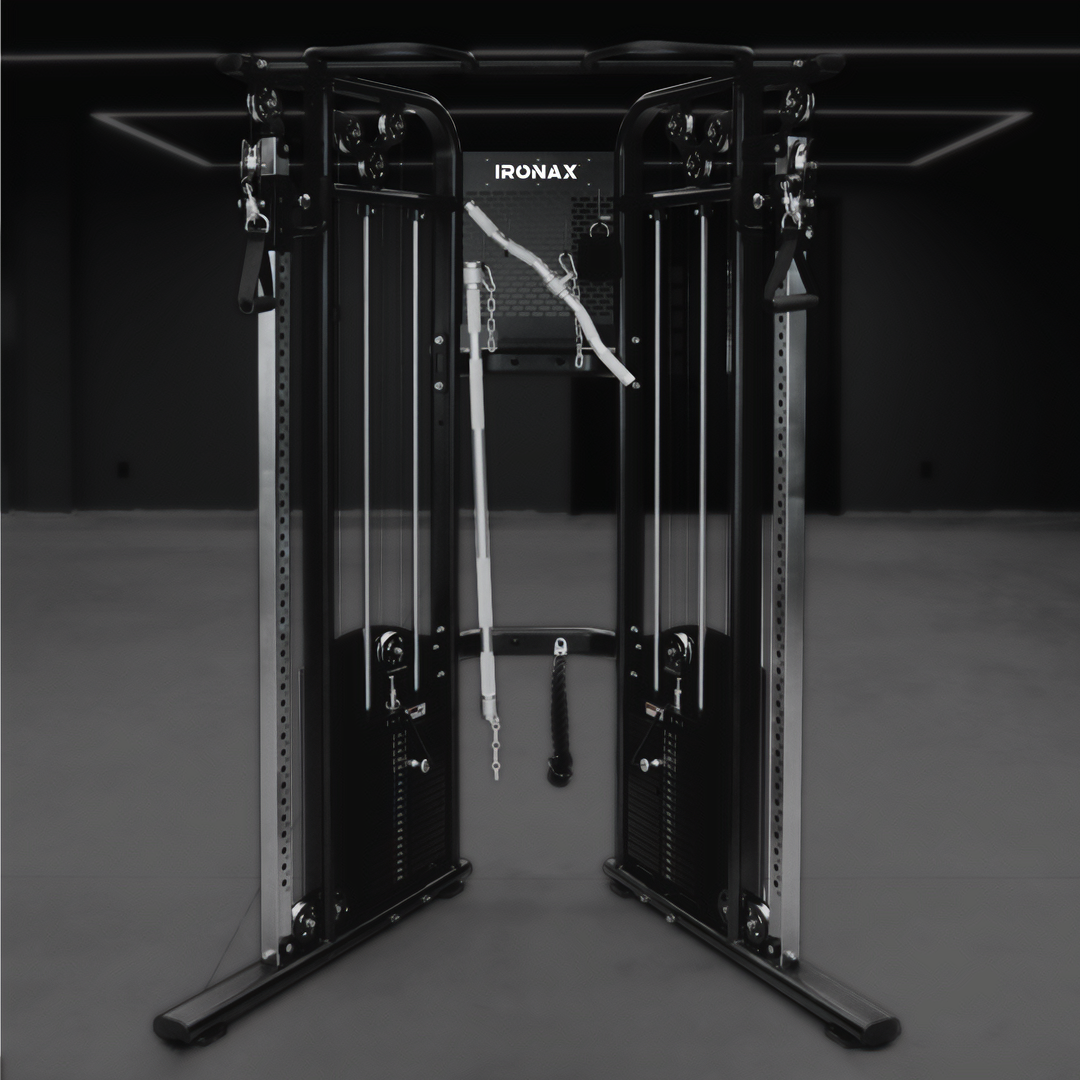
Functional Trainer Machines
Functional trainer machines are highly versatile. They combine multiple features. These machines have adjustable pulleys. You can set them at various heights. This allows for a full-body workout. Functional trainers are ideal for dynamic movements. They mimic real-life activities. These machines support various attachments. This includes ropes, handles, and bars. Functional trainers are popular in professional gyms. They offer a comprehensive workout solution.
Essential Attachments For Cable Training
Choosing the right attachments for your home gym cable system can transform your workouts. These tools help target different muscle groups effectively and add variety to your routine. Let’s look at some essential attachments that can elevate your cable training experience.
Handles And Grips
Handles and grips are the most common cable attachments you’ll find. They let you perform exercises like bicep curls, tricep pushdowns, and rows with a secure hold.
Think about the last time you struggled with slipping grips during a workout. Swapping to padded or rubberized handles can improve your control and reduce hand fatigue.
Many handles come in different shapes—single, double, or rotating grips—to challenge your muscles in new ways. Do you usually stick with one handle type, or do you switch it up?
Ropes And Bars
Ropes and bars expand your exercise options significantly. A rope attachment allows for natural wrist movement during exercises like face pulls or tricep extensions.
Bars, such as straight or EZ curl bars, offer a firm grip for pressing and pulling motions. They’re great for compound lifts and simulate free-weight exercises.
Choosing between a rope or bar often depends on your workout goals and comfort. Have you tried switching between both to see which feels more effective for your muscles?
Ankle Straps
Ankle straps are perfect for lower body exercises. They let you target glutes, hip flexors, and thighs with movements like cable kickbacks and leg abductions.
Using ankle straps adds resistance training to your leg workouts without needing bulky equipment. It’s a simple way to strengthen smaller muscles that often get overlooked.
If you haven’t added ankle straps to your setup yet, consider how they might improve your lower body strength. What leg exercises could you enhance with added cable resistance?

Credit: graymatterlifting.com
Setting Up Your Home Cable Gym
Setting up a home gym cable system can bring many benefits. It allows a wide range of exercises in a small space. A well-planned setup increases workout efficiency and safety.
Choosing The Right Location
Select a space with enough room to move freely. Ensure the ceiling and walls can support the equipment. A spot with good lighting and ventilation improves comfort.
Avoid areas with clutter or fragile items. Keep the floor clean and level to prevent accidents. Check for easy access to electrical outlets if needed.
Installation Tips
Follow the manufacturer’s instructions carefully for installation. Use proper tools and hardware to secure the cable system firmly. Double-check all bolts and attachments for stability.
Mount the system on a strong wall or ceiling beam. Ensure cables move smoothly without obstruction. Test the range of motion before starting workouts.
Safety Considerations
Inspect cables and pulleys regularly for wear or damage. Replace any worn parts immediately to avoid injury. Keep children and pets away from the equipment.
Wear appropriate workout gear, including gloves if needed. Maintain a clean workout area free from tripping hazards. Always use the equipment within its weight limits.
Strength Training Exercises
Strength training exercises using a home gym cable offer a versatile way to build muscle and improve fitness without needing bulky equipment. These exercises can target specific muscle groups efficiently, allowing you to tailor your workouts to your goals. Whether you’re aiming for muscle tone, endurance, or overall strength, cable exercises deliver controlled resistance that challenges your muscles effectively.
Upper Body Moves
Cable machines help you work your chest, back, shoulders, and arms with smooth, adjustable resistance. Try cable chest presses to strengthen your pectorals or cable rows to target your upper back and improve posture. Overhead cable tricep extensions and bicep curls sculpt your arms while minimizing joint strain.
- Cable Chest Press:Push the handles forward from chest level to engage your chest and triceps.
- Cable Rows:Pull the handles toward your torso to activate your back muscles.
- Bicep Curls:Curl the cables upward focusing on controlled movement for maximum muscle engagement.
Which upper body muscle would you like to improve most with your cable setup?
Lower Body Moves
The home gym cable isn’t just for upper body strength; it’s great for your legs and glutes too. Cable kickbacks help build your glutes, while cable leg abductions and adductions work your hip muscles. These exercises improve balance and muscle symmetry, essential for everyday movements.
- Cable Kickbacks:Attach an ankle strap and kick your leg back to target the glutes.
- Leg Abductions:Move your leg away from the body to work the outer thighs and hips.
- Leg Adductions:Bring your leg inward to strengthen the inner thigh muscles.
Have you noticed how targeted leg work can enhance your overall stability?
Core Strengthening
Your core is the foundation for almost every movement, and cable exercises can make it stronger and more stable. Try cable woodchoppers or cable twists to engage your obliques and abdominal muscles. These moves improve your posture, reduce back pain, and support better performance in other workouts.
- Cable Woodchoppers:Pull the cable diagonally across your body to work your obliques.
- Cable Twists:Rotate your torso while holding the cable to engage your core deeply.
- Standing Cable Crunches:Pull the cable downward while crunching your abs for focused core work.
How strong is your core right now, and what could you achieve if it were stronger?
Flexibility And Mobility Routines
Flexibility and mobility are key parts of any effective home gym routine. They help your body move freely and reduce stiffness. Using a cable machine can add resistance and control to these exercises. This makes stretching and mobility work more effective and safe.
Regular flexibility and mobility routines improve muscle function. They also prepare your body for strength training and daily activities. Cables allow smooth, controlled movements that target specific muscle groups. This enhances your overall workout quality and helps prevent injuries.
Dynamic Stretching With Cables
Dynamic stretching uses controlled movements to warm up muscles. Cables provide resistance that increases muscle activation. Moves like cable leg swings and arm circles help improve joint mobility. These stretches prepare your muscles for more intense workouts. They also increase blood flow and reduce muscle tightness.
Improving Range Of Motion
Cable exercises help increase the range of motion in joints. You can adjust the resistance to match your ability level. Exercises such as cable shoulder rotations and hip extensions promote flexibility. Consistent practice with cables helps muscles and joints move more freely. This makes everyday tasks easier and improves workout performance.
Injury Prevention Techniques
Cables assist in controlled, smooth movements that reduce injury risk. They help strengthen muscles around vulnerable joints. Use cables for slow, deliberate stretches to avoid overstretching. Strengthening stabilizing muscles improves balance and joint support. This lowers the chance of strains and sprains during exercise.
Creating Balanced Workout Plans
Creating balanced workout plans is key to a successful home gym cable routine. Balanced plans help build strength and improve flexibility. They reduce injury risks and keep workouts interesting. Focus on exercises that target different muscle groups and movement patterns.
Combining Strength And Flexibility
Strength and flexibility work well together. Use cable machines for resistance exercises that build muscle. Add stretching or dynamic moves to improve joint range. For example, after cable rows, try gentle back stretches. This approach keeps muscles strong and joints mobile.
Progressive Overload Strategies
Progressive overload means increasing workout difficulty gradually. Raise cable resistance in small steps. Increase reps or sets slowly over weeks. This helps muscles grow without causing injury. Track changes and adjust as strength improves.
Tracking Your Progress
Keep a workout journal or use an app to log sessions. Record weights, reps, and feelings after each workout. This helps spot trends and areas needing focus. Celebrate small wins to stay motivated and consistent.
Credit: treadmillfactory.ca
Maintenance And Troubleshooting
Maintaining your home gym cable system ensures safe and effective workouts. Troubleshooting helps fix small problems before they grow. Regular care keeps your equipment reliable and ready to use.
Regular Inspection
Check cables for frays, cracks, or worn spots. Inspect pulleys for smooth movement and no damage. Tighten loose bolts and screws on the frame. Look for rust or corrosion on metal parts. Clean dust and sweat from all surfaces after each use.
Common Issues And Fixes
- Stiff pulleys:Apply silicone spray or light lubricant to restore smooth motion.
- Frayed cables:Replace cables immediately to avoid injury.
- Loose handles:Tighten or replace handle attachments.
- Noise during use:Lubricate moving parts and check for debris.
- Weight stack not moving:Check for jammed plates or misaligned guide rods.
Extending Equipment Lifespan
Store your home gym cable system in a dry place. Avoid exposing it to direct sunlight or moisture. Use protective covers if available. Follow manufacturer guidelines for weight limits and usage. Schedule regular maintenance checks every few months. Replace worn parts promptly to keep equipment safe and functional.
Frequently Asked Questions
What Is A Home Gym Cable System?
A home gym cable system uses pulleys and cables to provide smooth resistance. It allows versatile strength training with various exercises. It saves space and offers adjustable resistance levels for different fitness goals.
How To Choose The Best Cable For Home Gym?
Select cables made from durable, high-quality materials like steel with nylon coating. Check cable length, thickness, and smooth movement. Choose cables compatible with your gym equipment and able to support your workout intensity.
Can Home Gym Cables Replace Free Weights?
Home gym cables offer controlled resistance but differ from free weights. They provide smooth, adjustable tension and reduce joint strain. However, free weights improve balance and stabilizer muscles more effectively.
How To Maintain Home Gym Cables Properly?
Regularly inspect cables for frays or wear. Lubricate pulleys and keep cables clean. Replace damaged cables immediately to ensure safety and equipment longevity. Proper maintenance prevents workout interruptions and injuries.
Conclusion
A home gym cable adds great value to your workouts. It helps you train many muscles with one tool. You save space and avoid busy gyms. Regular use builds strength and improves fitness. You control your exercise speed and style.
This simple equipment suits all fitness levels. Try adding a cable system to your home gym. It makes exercise easy and effective. Stay consistent and enjoy the benefits every day.







