
Thinking about setting up a home gym but worried about the cost? You’re not alone.
Knowing how much you’ll need to spend can feel overwhelming. But what if you could get a clear picture of the expenses before you start? This guide breaks down the real costs so you can plan your perfect workout space without surprises.
Keep reading to discover how to create a home gym that fits your budget and motivates you every day.
Choosing Your Home Gym Space
Choosing the right space for your home gym sets the tone for how often you’ll use it and how comfortable your workouts will be. The space you pick affects your equipment choices, workout variety, and even your motivation. Think about how much room you actually need and what environment helps you push through your sessions.
Small Spaces Vs Dedicated Rooms
Not everyone has a spare room waiting to become a gym. Small spaces can work well if you focus on versatile equipment like resistance bands, dumbbells, or a foldable treadmill.
Dedicated rooms give you freedom to add larger machines, mirrors, and storage, creating a true workout sanctuary. But remember, a smaller spot with smart planning can be just as effective.
Ask yourself: Would you prefer a cozy corner that fits your essentials or a larger area that invites variety? Your choice impacts both cost and workout experience.
Lighting And Ventilation
Good lighting can energize your workouts and keep you safe. Natural light is ideal, but bright, adjustable LED lights work well for early morning or evening sessions.
Ventilation is equally important. Poor airflow can make your gym feel stuffy and uncomfortable. If your space lacks windows, consider a fan or air purifier to keep the air fresh.
Have you noticed how your energy dips in a dim or stuffy room? Creating a bright and airy gym can keep your motivation high.
Flooring Options
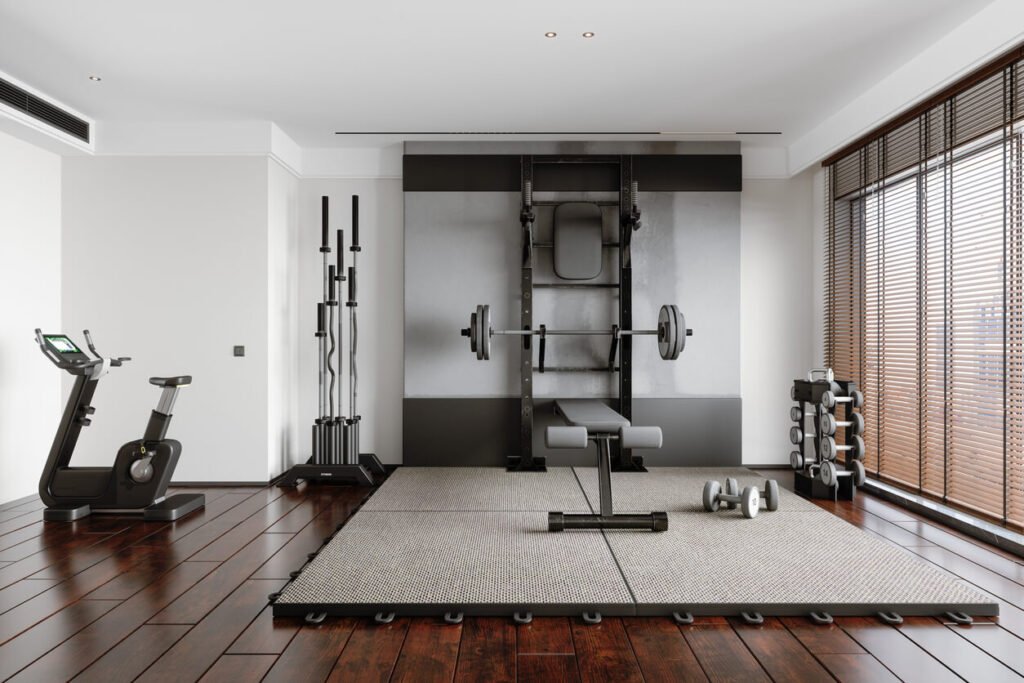
Choosing the right flooring protects your joints and your home. Rubber mats are popular because they absorb impact and reduce noise, making them great for weightlifting or high-intensity workouts.
If your budget is tight, foam tiles offer cushioning and are easy to install. Hardwood or carpeted floors can work but may need extra mats for protection.
Think about your workout style: Will you be jumping, lifting, or doing yoga? Match your flooring to your activities for the best results.
Credit: homegymmentor.com
Essential Equipment For Beginners
Setting up a home gym requires basic equipment like dumbbells, resistance bands, and a yoga mat. The cost varies but can start as low as $100 for essential items. Choosing versatile gear helps save money and space.
Setting up a home gym doesn’t have to break the bank, especially if you’re just starting out. Focusing on essential equipment can help you build a solid foundation without unnecessary costs. Whether you’re looking to lift weights, build resistance, or get your heart pumping with some cardio, starting with the basics is key.Free Weights And Dumbbells
Free weights and dumbbells are the backbone of any home gym. They’re versatile, allowing you to perform a variety of exercises that target different muscle groups. You can start with a set of adjustable dumbbells, which can save space and money. Imagine the satisfaction of increasing your strength as you progressively add more weight. You don’t need every size at once—begin with a couple of weights that challenge you. As you get stronger, you can expand your collection.Resistance Bands
Resistance bands are a cost-effective way to add variety to your workouts. They’re perfect for beginners because they offer adjustable resistance levels. Plus, they’re compact and easy to store. These bands can enhance strength and flexibility without heavy equipment. When I first tried them, I was surprised by how challenging they were. They’re also great for injury prevention and rehabilitation.Basic Cardio Machines
While you might think of treadmills and ellipticals as costly, there are budget-friendly options available. A simple jump rope or a second-hand stationary bike can get your heart rate up without emptying your wallet. Cardio is crucial for overall health, and starting with basic machines ensures you can maintain consistency. Imagine the convenience of a quick workout without leaving your home. It’s about finding what works best for you within your budget. What equipment do you find essential for your workouts? Start small, and you might be surprised at how quickly your home gym grows.Mid-range Gym Gear
Mid-range gym gear offers a solid balance between quality and price. This equipment suits those who want durable tools without spending too much. It provides versatility and reliability for home workouts. You can build a gym that supports many exercises with these options.
Adjustable Benches
Adjustable benches are essential for strength training. They allow multiple positions like flat, incline, and decline. This feature helps target different muscles effectively. Prices for mid-range benches usually range between $100 and $300. These benches often come with sturdy frames and comfortable padding. They support exercises such as bench presses, dumbbell rows, and step-ups.
Treadmills And Ellipticals
Treadmills and ellipticals offer good cardio options at moderate prices. Mid-range models cost between $500 and $1,500. They often include basic tracking features for speed, distance, and calories. These machines provide smooth motion and quiet operation. Many have adjustable resistance or incline levels. These machines fit well in home gyms with limited space.
Multi-functional Machines
Multi-functional machines combine several workout stations in one unit. They save space and offer many exercise choices. Mid-range models typically cost $700 to $2,000. These machines allow exercises like lat pulldowns, chest presses, and leg curls. They provide resistance through weight stacks or cables. This gear suits users who want variety without buying many devices.
Budget Tips For Equipment Shopping
Setting up a home gym can be costly. Smart shopping helps save money without losing quality. Budget tips guide you through buying the right equipment at lower prices. Focus on options that fit your budget and needs.
Buying Used Vs New
Used equipment costs less than new ones. Many people sell gear in good condition. Check local listings or online marketplaces for deals. Inspect items carefully before buying. New equipment offers warranties and latest features. Balance price with quality and durability. Sometimes, used gear meets your needs perfectly.
Seasonal Sales And Discounts
Sales happen during holidays and special events. Look for discounts on fitness gear at these times. Stores often reduce prices to clear inventory. Sign up for newsletters to get alerts. Compare prices across different shops. Plan purchases around these sales to save money.
Diy Equipment Ideas
Build some gym tools at home using simple materials. Use buckets filled with sand as weights. Create resistance bands with old bicycle inner tubes. Make a sturdy wooden box for step-ups. DIY gear costs less and can be customized. Safety matters, so ensure items are strong and stable.
Space-saving Equipment Ideas
Creating a home gym in a small space calls for smart choices. Space-saving equipment helps keep your workout area neat and functional. These tools fit well in tight spots without sacrificing exercise variety.
Choosing compact gear lets you exercise comfortably at home. It also helps reduce costs by avoiding bulky, expensive machines. Focus on options that fold, store easily, or mount on walls to save room.
Foldable Machines
Foldable machines take up little space when not in use. Treadmills, bikes, and rowing machines with folding designs fit in closets or corners. They offer full workouts but tuck away quickly.
- Easy to fold and store
- Lightweight for moving around
- Good for cardio and strength exercises
Compact Storage Solutions
Storage keeps your gym tidy and safe. Use racks, shelves, or bins to hold dumbbells, resistance bands, and mats. Compact storage avoids clutter and makes equipment easy to find.
- Stackable shelves save floor space
- Multi-purpose racks hold various gear
- Clear bins keep small items visible
Wall-mounted Gear
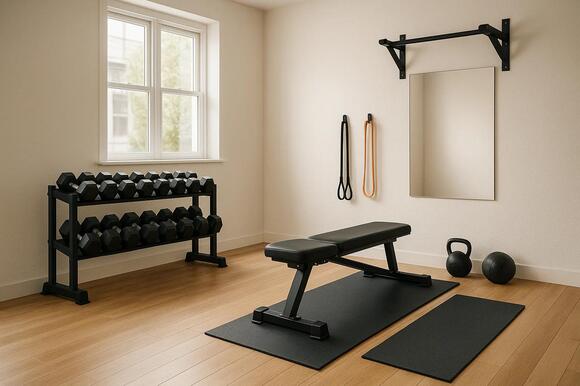
Wall-mounted equipment frees up floor space. Hooks and brackets hold jump ropes, bands, and kettlebells. Fold-down benches and pull-up bars create workout zones without crowding.
- Use vertical space efficiently
- Keep equipment off the floor
- Easy access for daily workouts

Credit: www.reddit.com
Maximizing Workouts Without Breaking The Bank
Building a home gym doesn’t have to drain your wallet. You can still get effective workouts with little to no investment. The key is to use what you already have and tap into free or low-cost resources.
Bodyweight Exercises
Your body is the best gym equipment you have. Push-ups, squats, lunges, and planks challenge multiple muscle groups without costing a dime.
These exercises can be modified to increase difficulty as you get stronger. Have you tried single-leg squats or elevated push-ups yet? They add intensity without adding expense.
Using Household Items
Look around your home for workout tools. A sturdy chair can be used for tricep dips or step-ups. Filled water bottles serve as light dumbbells for arm exercises.
Even a backpack loaded with books can add resistance for squats or lunges. What everyday object could double as your next piece of gym gear?
Online Fitness Resources
You don’t need a pricey membership to access quality workouts. YouTube channels, fitness apps, and websites offer thousands of free routines tailored to all levels.
Following a structured plan from an expert online can keep you motivated and accountable. Which free online workout will you try this week to maximize your effort?
Maintaining Your Home Gym On A Budget
Maintaining your home gym does not have to be expensive. Careful attention and smart choices can keep costs low. Small efforts prevent bigger expenses later. Save money while keeping your equipment in good shape.
Regular Equipment Care
Clean machines after each use to avoid dust buildup. Check for loose bolts or worn parts weekly. Lubricate moving parts to prevent rust and noise. Store weights and mats properly to avoid damage. Regular care extends equipment life and reduces repair needs.
Affordable Replacement Parts
Buy parts from trusted but low-cost brands. Use online marketplaces for discounts on cables, grips, and pads. Consider second-hand parts for items like dumbbells or resistance bands. Keep spare parts handy to fix small issues quickly. This approach cuts down on expensive repairs or full replacements.
Energy Efficiency Tips
Turn off machines when not in use to save electricity. Use LED lighting to reduce power bills. Place your gym near natural light to limit artificial lighting. Choose energy-efficient fans or heaters for comfort. These small changes help lower your monthly energy costs.
Credit: www.newsbreak.com
Frequently Asked Questions
What Is The Average Cost To Set Up A Home Gym?
The average cost to set up a home gym ranges from $500 to $3,000. Basic equipment like weights and mats cost less, while machines raise the price. Budgeting depends on the gym size, equipment quality, and fitness goals.
How Much Does Gym Equipment Cost For A Home Gym?
Home gym equipment costs vary widely. Dumbbells and resistance bands can cost under $100. Treadmills and ellipticals range from $500 to over $2,000. Choosing multi-functional equipment can save money and space.
Can I Build A Home Gym On A Tight Budget?
Yes, you can build a home gym on a tight budget by focusing on essential, affordable equipment. Items like resistance bands, jump ropes, and bodyweight training tools are cost-effective and versatile for full-body workouts.
What Factors Influence The Cost Of A Home Gym?
Factors influencing home gym cost include equipment type, quality, brand, space size, and additional features like flooring or mirrors. Personal fitness goals and the number of users also affect the investment needed.
Conclusion
Creating a home gym can fit many budgets and spaces. Start with basic equipment and add items over time. Think about your fitness goals and how much you want to spend. Small investments can still bring big health benefits. A home gym saves time and gives freedom to workout anytime.
Choose wisely and enjoy your fitness journey at home.







